

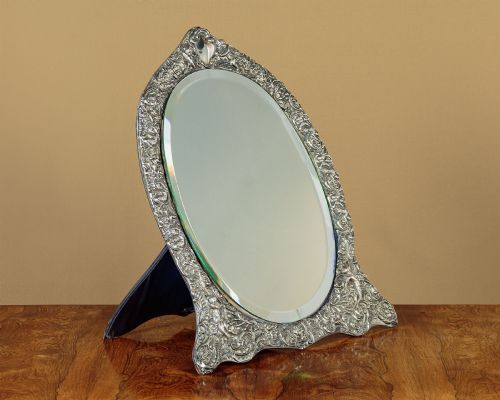
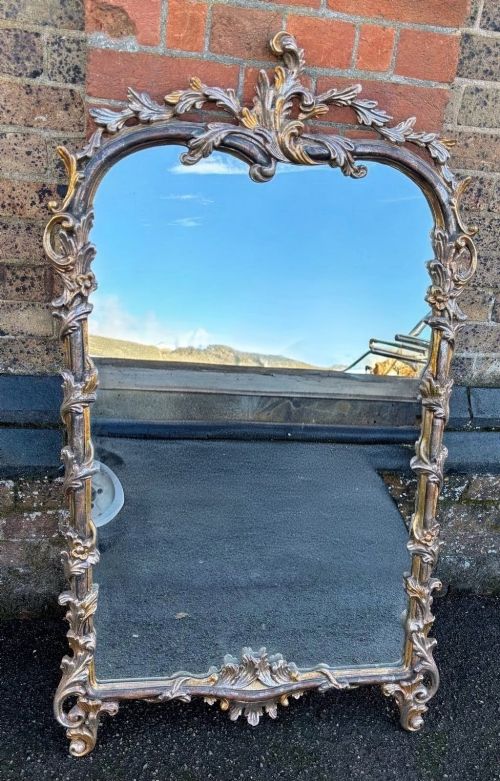
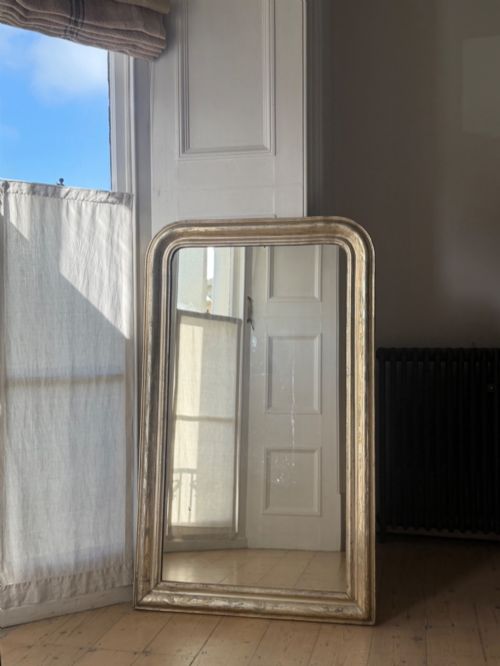

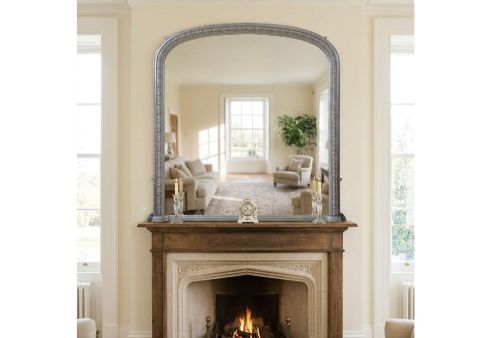




Large Silver Frame Mirror
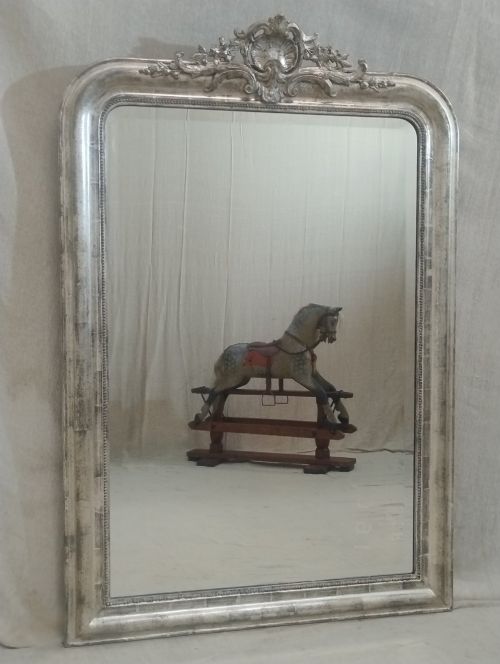
A large silver frame mirror commands a room, bringing light and presence through centuries of French, Italian, and English design.
Large Silver Frame Mirror
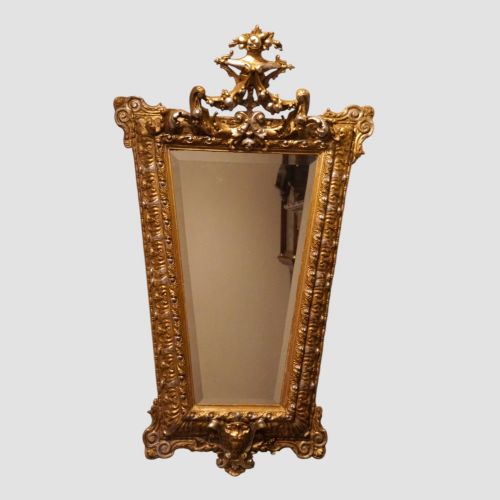
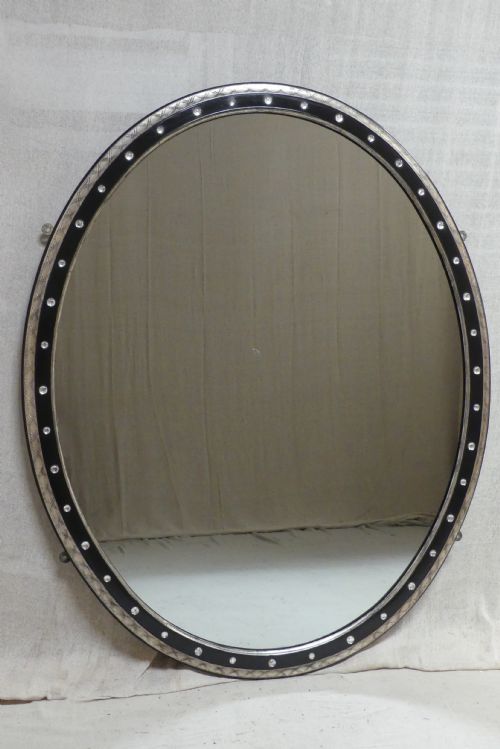
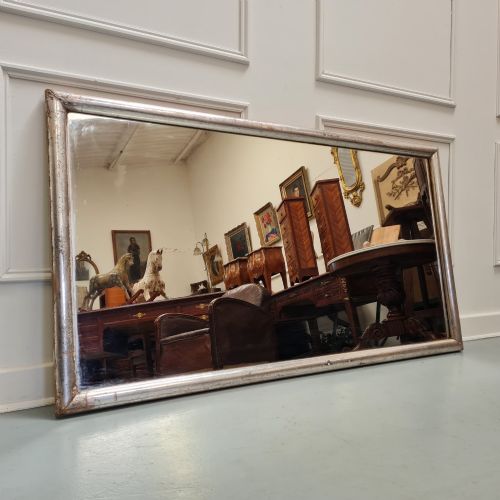
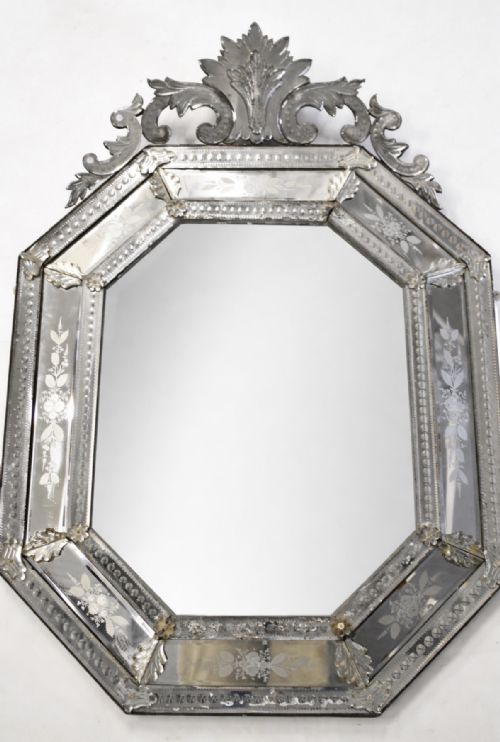
A large silver frame mirror appears in several distinct forms, most commonly as grand overmantel mirrors, arched wall mirrors, and Venetian cushion mirrors designed to hang prominently in reception rooms.
The selection spans periods from the seventeenth century through the nineteenth and twentieth centuries, originating from English, French, Italian, and Irish workshops.
Buyers seeking a large silver frame mirror encounter diverse stylistic expressions, including Louis Philippe, Victorian, Baroque Revival, and Italian Rococo Revival pieces.
Materials and Construction
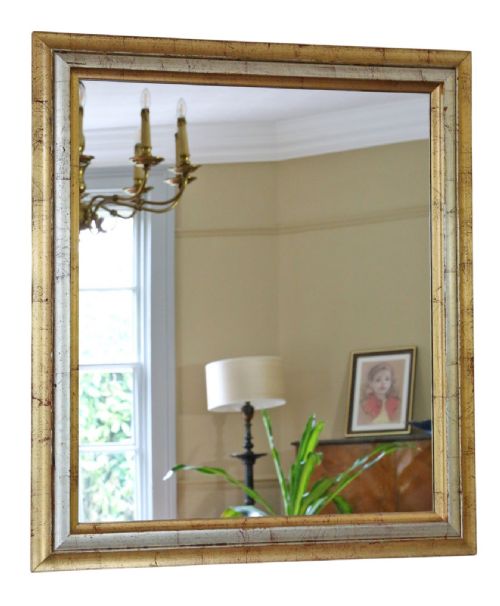
Frames are constructed from wood and gesso, then finished with silver leaf, silver gilt, parcel gilt, or paint to create the reflective metallic surface.
Mirrors utilise glass, mirror glass, and mercury glass, sometimes accompanied by engraved details or pink glass panels as seen in period girandoles.
Carving on wooden frames provides the architectural definition for arched tops, trapezoidal shapes, and complex overmantel profiles.
Large Silver Frame Mirror Retail Price Guide 2026
Typical asking prices for large silver frame mirror among the pieces listed under this phrase on Sellingantiques today, from the lower quarter to the upper quarter. They describe what is for sale here now, not the wider market.
Listings feature items spanning the seventeenth, eighteenth, nineteenth, and twentieth centuries, incorporating wood, gesso, silver leaf, and mercury glass.
Evaluating Quality
Quality rests upon the depth of hand-carving in the wood and gesso beneath the metallic leaf, distinguishing fluid ornamentation from flat execution.
The integration of the original mirror glass, whether mercury-silvered or early plate, defines the authenticity and historical integrity of the piece.
The Large Silver Frame Mirror Glossary
- Overmantel Mirror
- A large mirror specifically designed to hang above a fireplace mantel. These pieces often feature horizontal proportions suited to architectural chimney breasts.
- Mercury Glass
- A type of silvered glass produced by coating the double-walled glass with a liquid mercury amalgam. It creates a distinctive mottled reflection.
- Giltwood
- Wood that has been coated with gold leaf or silver leaf over a gesso preparation. This surface treatment provides a brilliant metallic sheen.
- Girandole
- A decorative wall mirror featuring attached candle branches or lighting arms. The reflective glass amplifies the candlelight.
- Louis Philippe
- A French nineteenth-century style characterised by restrained classical proportions and gentle arched tops. These frames balance simplicity with elegance.
Large Silver Frame Mirror: Frequently Asked Questions
How do I hang a heavy overmantel mirror?
Large overmantel mirrors carry substantial weight due to their dense wooden frames and thick glass plates. Secure wall fixings must anchor directly into structural studs or masonry.
Professional installation ensures the frame distributes its weight evenly without straining the original structure.
What is mercury glass?
Mercury glass refers to double-walled blown glass coated on the interior with a silvering mixture. It produces a soft, mottled reflection rather than a harsh modern mirror shine.
This historic technique gives antique mirrors their characteristic depth and aged appearance.
How should I clean an antique silvered frame?
Dust silver leaf and gesso frames gently with a soft, dry brush to protect the delicate metallic surface. Avoid liquid cleaners and chemical sprays that degrade the finish.
Glass panels require careful wiping with a microfibre cloth and minimal glass cleaner applied to the cloth rather than the mirror.
How do I identify a Victorian overmantel mirror?
Victorian overmantels often display sturdy proportions, parcel-silvered finishes, and heavy architectural moulding. English and Victorian examples frequently serve practical placement above period fireplaces.
Examining the backing boards and joinery helps confirm the nineteenth-century origin.