

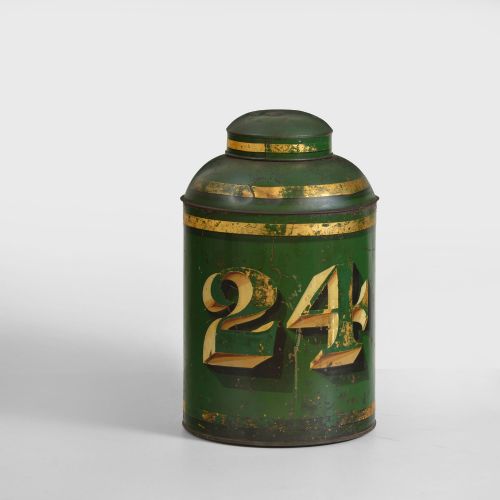
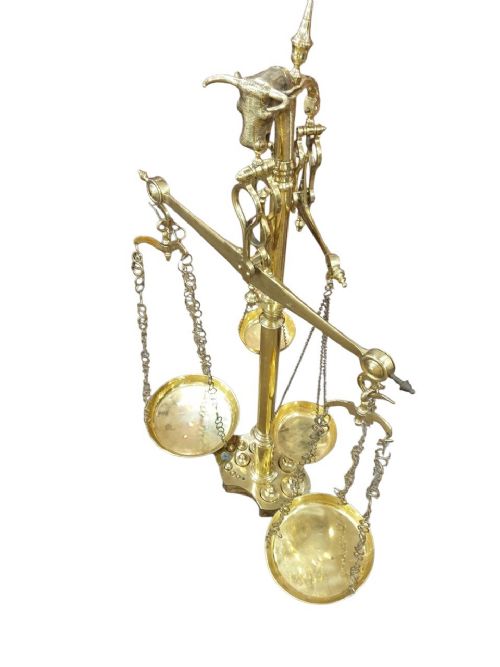
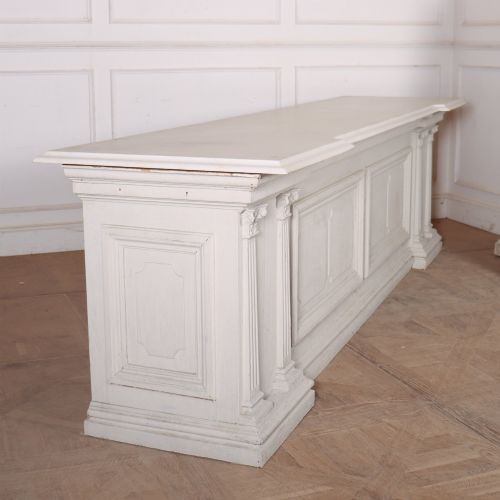



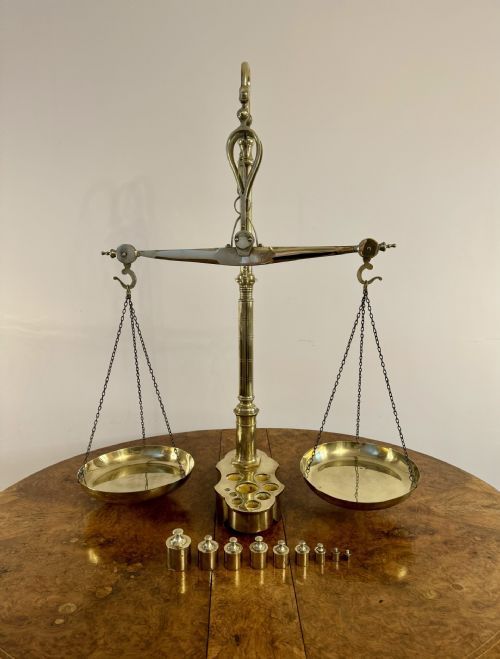

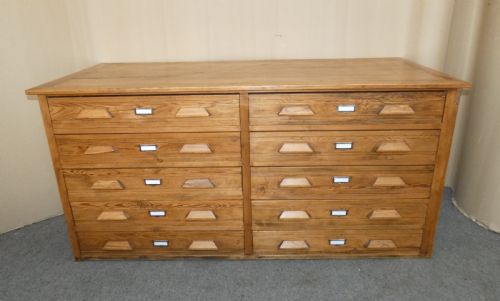


Large Shop Counter
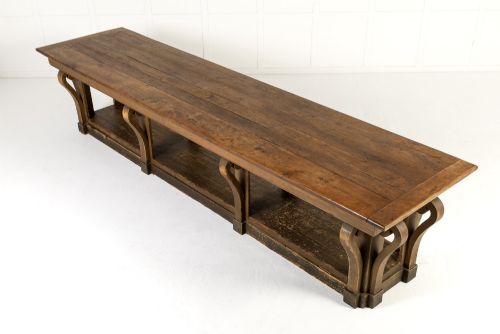
A large shop counter anchors a room with undeniable presence, offering substantial display surface and deep storage built for daily trade.
Large Shop Counter
A large shop counter represents the heavy-duty utility of commercial retail furniture from the Victorian, Edwardian, and early twentieth-century eras. These substantial timbers and glazed fronts served butcher shops, grocers, and drapers before finding a second life in domestic and commercial interiors.
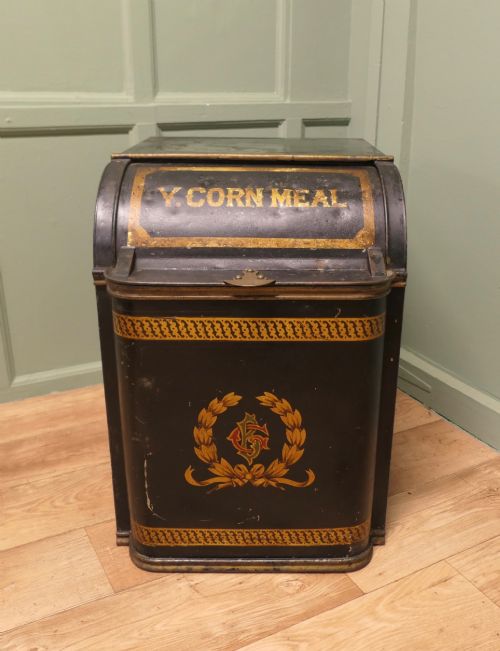
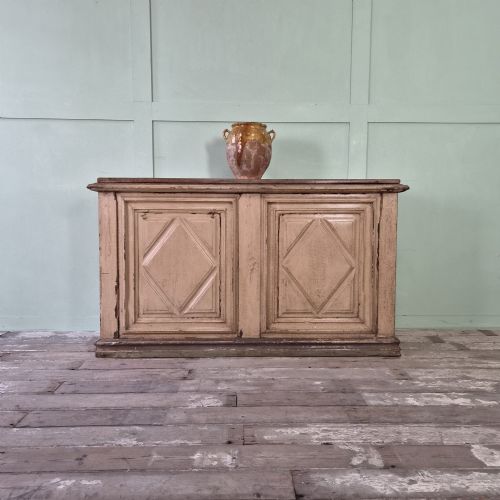
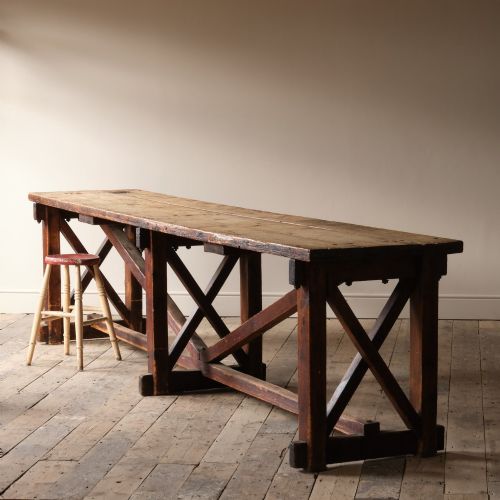
The pieces appearing here encompass long pine and oak shop fittings, multi-drawer cabinets, and drapers tables originating from English, French, and Hungarian workshops. Buyers encounter counters with banks of small drawers, glass display sections, and painted finishes designed for heavy public use.
Construction and materials
Makers built these pieces primarily from solid pine, mahogany, and oak, often combining timber frames with brass hardware, iron fittings, and glass panels. Surfaces carry original paint or exposed grain, reflecting the utilitarian demands of nineteenth and early twentieth-century commerce.
Joinery techniques focus on structural endurance, featuring heavy dovetailed drawer construction and robust framing to support continuous daily weight. The materials reflect local availability, with French and Hungarian pieces often utilising regional pine and oak alongside English mahogany.
Large Shop Counter Retail Price Guide 2026
Typical asking prices for large shop counter among the pieces listed under this phrase on Sellingantiques today, from the lower quarter to the upper quarter. They describe what is for sale here now, not the wider market.
Some counters arrive with fifty tiny drawers ready to swallow a lifetime of stray buttons.
Judging quality and proportion
Quality rests in the integrity of the original construction, the proportion of the timber, and the survival of authentic hardware like brass handles and glazed doors. Pieces retaining their original painted surfaces or distinct commercial provenance hold greater visual weight.
The balance between functional utility and decorative character dictates the distinction between standard commercial units and exceptional surviving shop fittings. Superior examples display thoughtful detailing in paneling and drawer arrangements without losing their robust architectural scale.
Charmereine·Parnall & Sons of Bristol·E. Pollard & Co. Ltd.
The Large Shop Counter Glossary
- Drapers table
- A long wooden table with or without lower shelving, originally used in fabric shops for measuring and displaying textiles.
- Haberdashery drawers
- A bank of numerous small wooden drawers built for sorting and storing small sewing goods, ribbons, and fasteners.
- Shop fitting
- Custom-built commercial furniture designed specifically to furnish the interior of a retail establishment.
- Dovetail joinery
- An interlocking woodworking joint formed by interlocking wedge-shaped fingers, prized for tensile strength in drawer construction.
Large Shop Counter: Frequently Asked Questions
How do I use a shop counter at home?
These large pieces function brilliantly as kitchen islands, hallway consoles, or dramatic dining room sideboards offering immense storage capacity.
The deep drawers and expansive top surfaces accommodate modern domestic organisation while introducing historic commercial character to residential spaces.
What woods are typical for these counters?
Pine, oak, and mahogany form the primary structural timbers across the available selection, often paired with glass and brass.
English examples lean toward mahogany and oak, while continental pieces frequently showcase regional pine and bleached oak.
How do I date an antique shop counter?
Dating relies on examining construction methods, timber types, and hardware styles associated with the Victorian, Edwardian, and 1930s periods.
Machine-sawn timber and specific manufacturer labels help narrow the production era alongside stylistic cues from Neoclassical or Industrial Utility movements.
Are painted finishes on these counters original?
Many pieces retain historic or original painted finishes, such as cream or French country pigments applied during their commercial service.
Surface wear and multiple underlying layers provide visual clues regarding the age and working history of the painted timber.