




Large Pine Box
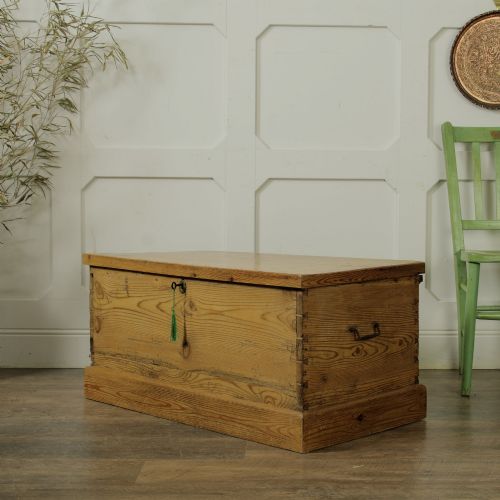
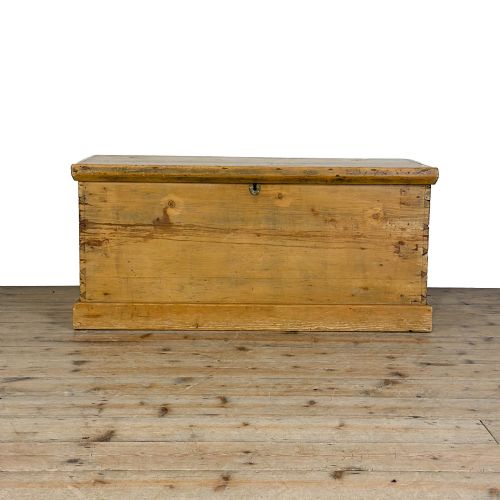
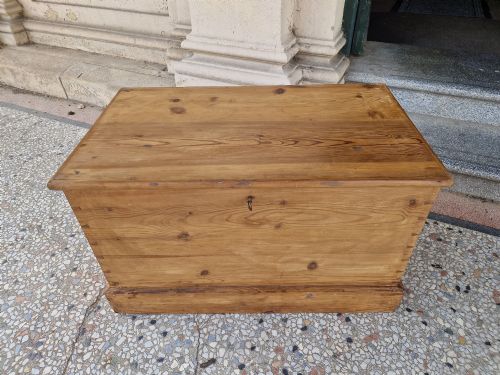
A large pine box provides honest utility and timber warmth, making it a practical choice for storing bulky household items.
Large Pine Box
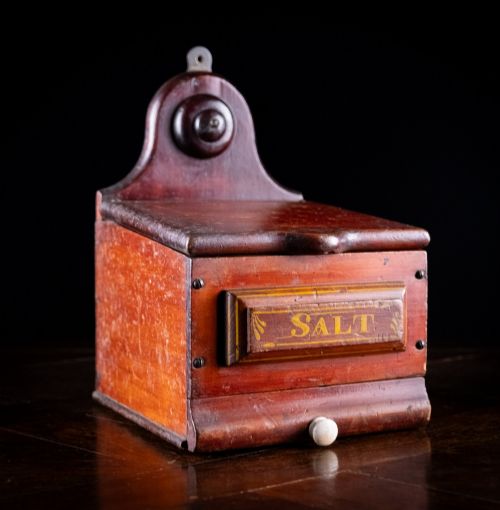
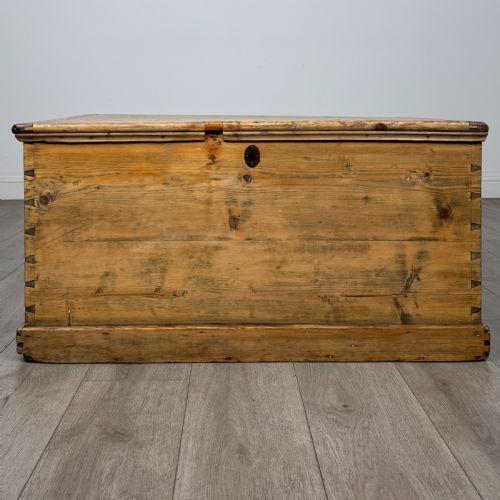
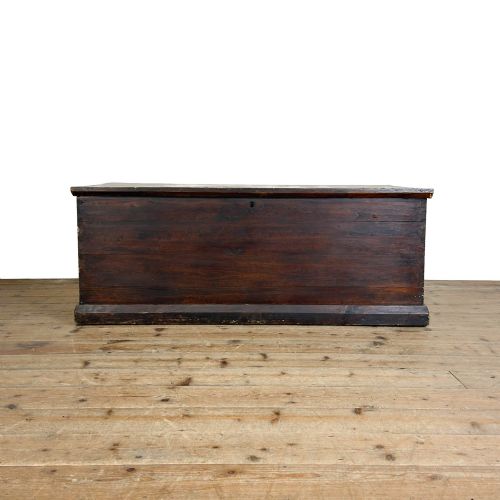
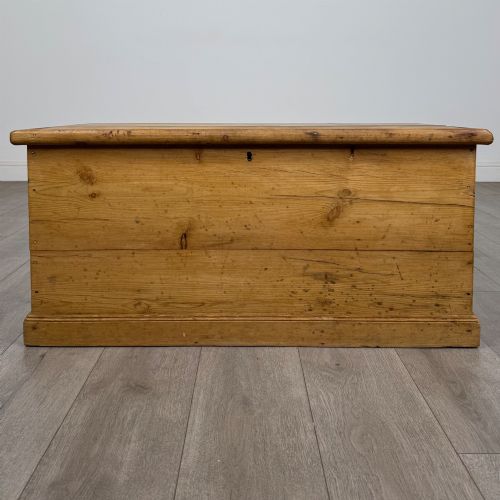
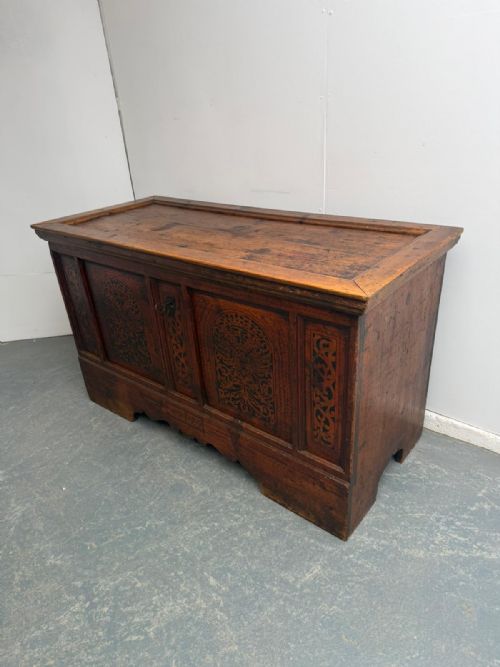
A large pine box encompasses heavy storage chests, mule chests and trunks designed for domestic utility across the eighteenth, nineteenth and early twentieth centuries. When searching for a large pine box, buyers encounter pieces intended for blankets, tools, salt or logs, originating from British workshops as well as Dutch, Scandinavian and Hungarian rural traditions.
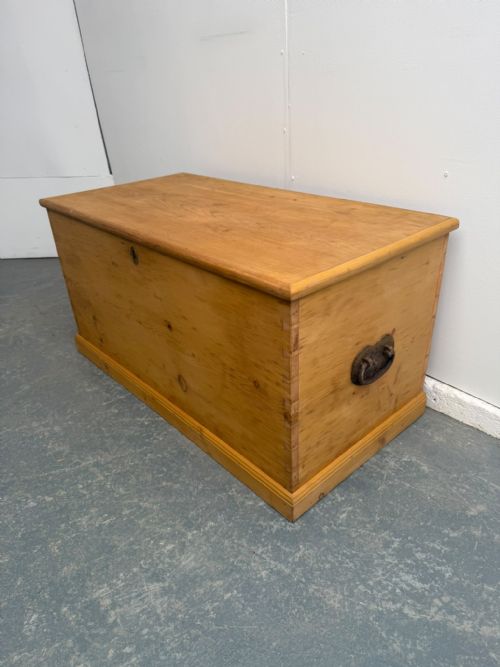
The dominant forms on this page are Victorian blanket boxes and trunks featuring side handles, alongside Georgian and Regency painted coffers. These items served functional storage roles in homes, workshops and farmhouses, often constructed with internal drawers or compartment layouts.
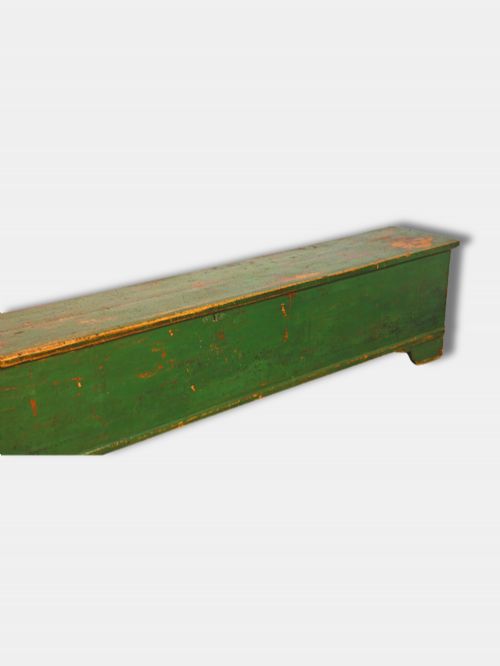
Regional styles range from British waxed and polished pine to brightly painted continental folk pieces in teal, green and red. Buyers find both utilitarian carpenter chests with iron bindings and domestic mule chests fitted with base drawers.
Construction materials and techniques
Carpenters built these storage pieces primarily using solid pine and pitch pine boards, joined to withstand heavy daily use. Surfaces received various finishes, from simple waxing and scumble glazing to layer-painted folk decorations in oil colours.
Structural reinforcement relied on iron bindings, metal straps and brass fixtures to protect corners and edges during transit or heavy storage use. Side handles made from iron or wood allowed two people to lift the substantial chests when loaded.
Internal arrangements demonstrate utilitarian carpentry, including secret drawers, lidded till compartments and fitted lower drawers seen in mule chests. Domed and flat lids utilised robust timber planks hung on durable hinges.
Large Pine Box Retail Price Guide 2026
Typical asking prices for large pine box among the pieces listed under this phrase on Sellingantiques today, from the lower quarter to the upper quarter. They describe what is for sale here now, not the wider market.
One exceptional Victorian blanket box hides four secret drawers inside for stashing away your most clandestine treasures.
Quality variations in large pine boxes
Surface preservation marks a significant division, separating stripped or heavily altered boards from pieces retaining their original waxed patina, scumble glaze or folk-art painted schemes. Intact iron bindings and functional side handles further elevate the standing of a trunk or chest.
The Large Pine Box Glossary
- Mule chest
- A storage chest featuring one or more drawers built into the base beneath the main compartment. This form bridges the traditional blanket chest and the chest of drawers.
- Scumble pine
- Pine treated with a translucent coloured glaze brushed over a lighter base coat to imitate more expensive grained hardwoods. This decorative technique was popular during the Victorian era.
- Pitch pine
- A durable, resinous variety of pine timber known for its pronounced grain pattern and robust strength. It frequently appears in heavy-duty nineteenth-century trunks and chests.
- Kist
- A traditional regional term for a heavy storage chest or box used domestically for linens and valuables. These sturdy wooden containers served multiple purposes in rural households.
- Till
- A small internal compartment built into the upper corner of a chest for storing smaller items like candles or coins. It usually lifts out or sits on wooden runners.
Large Pine Box: Frequently Asked Questions
What were large pine boxes originally used for?
These large wooden containers served diverse domestic and trade purposes, including storing wool blankets, winter garments, household linens and dry goods. Carpenters and masons also utilised heavy-duty variants for transporting and safeguarding specialised hand tools.
In rural continental homes, painted versions held provisions or logs beside the hearth. Their robust construction ensured contents remained protected from dust and dampness over generations of household use.
How do I care for a waxed pine chest?
Maintain waxed pine surfaces by applying a traditional beeswax polish sparingly and buffing gently with a soft cloth to preserve the natural sheen. Avoid placing the chest near direct heat sources or strong sunlight, which can dry out the timber and cause splitting.
Keep the interior clean using a dry cloth and ensure adequate ventilation in the room to protect the antique wood from excess moisture.
How can I tell a Victorian pine chest from a Georgian one?
Georgian pine chests often display hand-cut dovetail joints, deeper proportions and specific regional paintwork associated with folk traditions. Their construction tends to reflect earlier cabinet-making practices before industrial standardisation.
Victorian examples frequently incorporate factory-made iron hardware, side carrying handles and standardised plank widths. Stamped metal bindings and scumble glaze finishes also point towards nineteenth-century mass production.
Are painted pine boxes original?
Many continental pieces retain their original folk-art paint schemes, featuring pigments in teal, green or red applied during the eighteenth and nineteenth centuries. Close examination of the surface craquelure and wear patterns helps determine authenticity.
British utility boxes were more commonly waxed, polished or stripped down to bare timber in later decades, though scumble-painted finishes remain well documented on nineteenth-century trunks.