




Large Oriental Display Vase
A large oriental display vase brings immense presence to a room, drawing the eye with rich hand-painted details and grand scale.
Large Oriental Display Vase
When you search for a large oriental display vase, you encounter commanding ceramic and metal vessels originating from Japanese and Chinese workshops. These grand pieces span the Meiji period, Qing dynasty, and Victorian eras, taking the form of floor standing vases, lidded urns, and decorative chargers.
The version you are most likely to meet on this page is the Japanese Imari or Satsuma vase from the nineteenth century, often measuring over half a metre in height. They frequently depict intricate figural scenes, flora, and fauna, designed specifically to dominate a mantelpiece or hallway corner.
What varies in quality
The distinction between ordinary and exceptional work lies in the precision of the brushwork and the depth of the palette. Master artists working in Meiji period studios achieved remarkable fineness in figural details, particularly in intricate patterns such as the hundred boys motif.
Materials also dictate the tier of the piece, with heavier bronze castings and thickly applied gold leaf marking out high-end presentation items. The clarity of the glaze and the crispness of the cloisonne wirework separate standard production wares from pieces of monumental scale and standout artistic merit.
Large Oriental Display Vase Retail Price Guide 2026
Typical asking prices for large oriental display vase among the pieces listed under this phrase on Sellingantiques today, from the lower quarter to the upper quarter. They describe what is for sale here now, not the wider market.
One standout nineteenth-century pattern depicts a hundred individual boys playing across the ceramic surface.
Seiko-en Chokei
The Large Oriental Display Vase Glossary
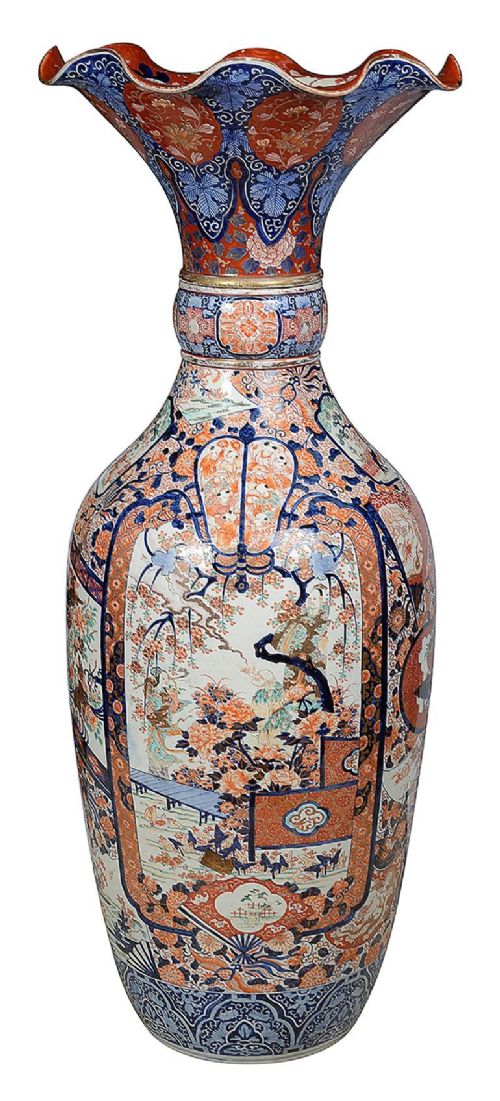
- Imari
- A style of Japanese export porcelain characterised by a palette of underglaze blue, iron red, and gilt. This aesthetic proved highly popular in European interiors from the seventeenth century onwards.
- Satsuma
- Earthenware pottery featuring a crackle-glaze finish, typically decorated with elaborate polychrome enamels and raised gold. These wares often depict historical figures or dense natural scenes.
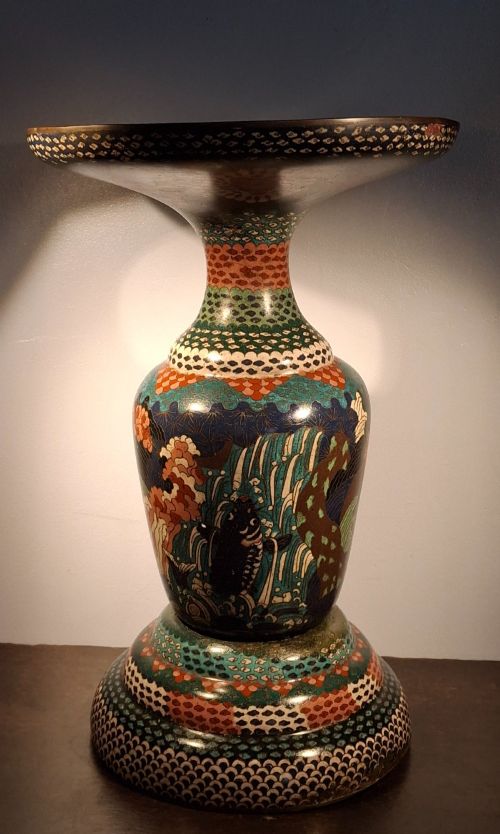
- Cloisonne
- A technique where flat metal wire is soldered onto a metal base to create compartments, which are then filled with enamel paste and fired. This method produces intricate, multi-coloured surface patterns.
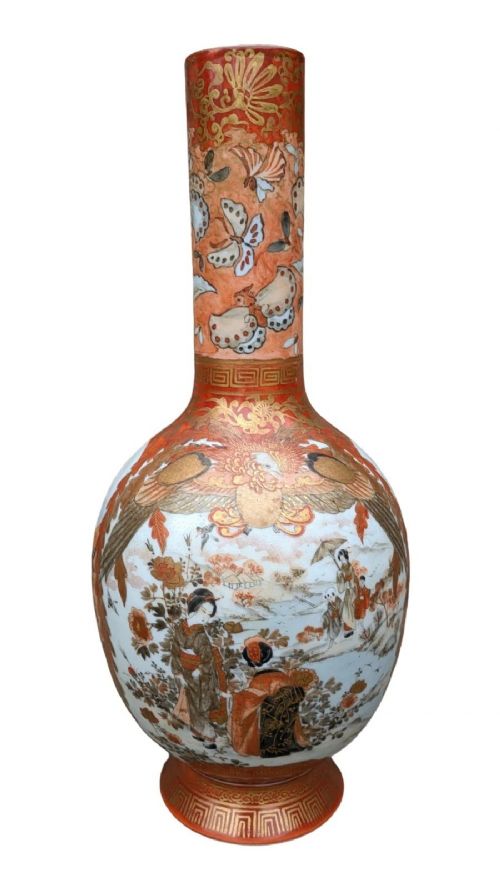
- Kutani
- Japanese porcelain and pottery known for bold colour schemes, frequently featuring strong greens, blues, purples, and reds. Pieces from this tradition often display rich pictorial narratives.
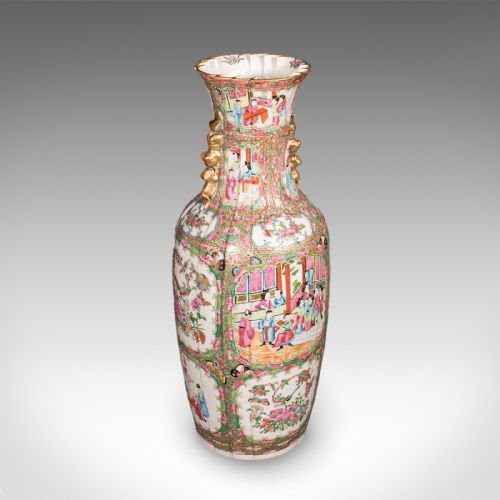
- Famille Rose
- A prominent palette of Chinese porcelain enamels dominated by opaque pink or rose colours, introduced during the Qing dynasty. The style allowed for delicate shading in floral and figural compositions.
Large Oriental Display Vase: Frequently Asked Questions
Where should I place a large floor vase?
These tall vessels suit open hallways, grand reception rooms, or empty corners that require strong vertical emphasis. Placing them directly on the floor works best for pieces standing over a metre tall.
Ensure the spot remains clear of heavy foot traffic to protect the ceramic or bronze body from accidental knocks.
How do I identify a Satsuma vase?
Look for a distinct ivory-coloured, finely cracked glaze that covers the earthenware body. The surface typically displays densely packed polychrome enamels and abundant gold leaf.
Many examples from the Meiji period incorporate raised details and signature panels on the base.
Were these vases made for export?
The vast majority of large Japanese and Chinese pieces from the nineteenth century were produced specifically for Western markets. European and American buyers prized grand decorative objects to furnish substantial Victorian homes.
Maker marks and forms often reflect this international trade, catering to contemporary interior tastes.
How should I clean my display vase?
Dust the surface gently using a soft, dry ostrich feather duster to remove particles without disturbing delicate enamel or gilt. Avoid using water, damp cloths, or chemical cleaning agents, which can damage aged glazes and metal elements.
Keep the vessel away from direct sunlight to preserve the richness of the painted colours over time.