
Large Oil Portrait
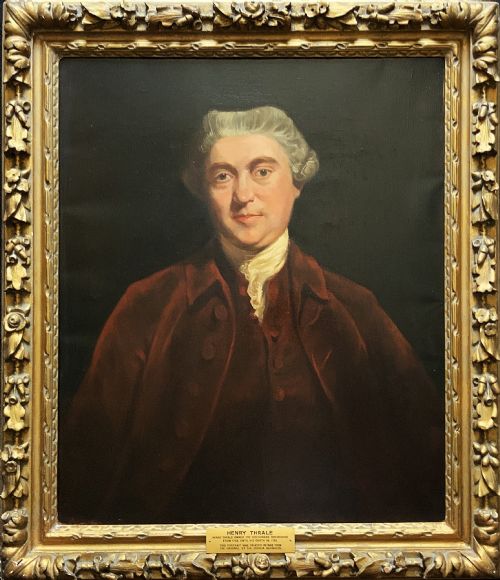
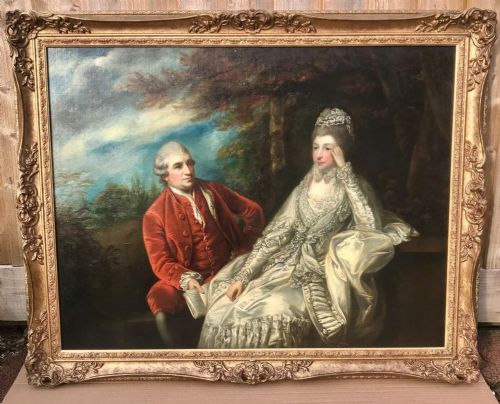
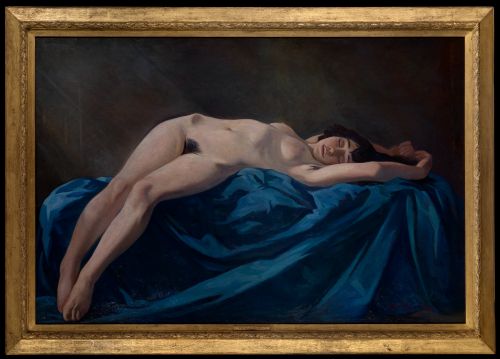
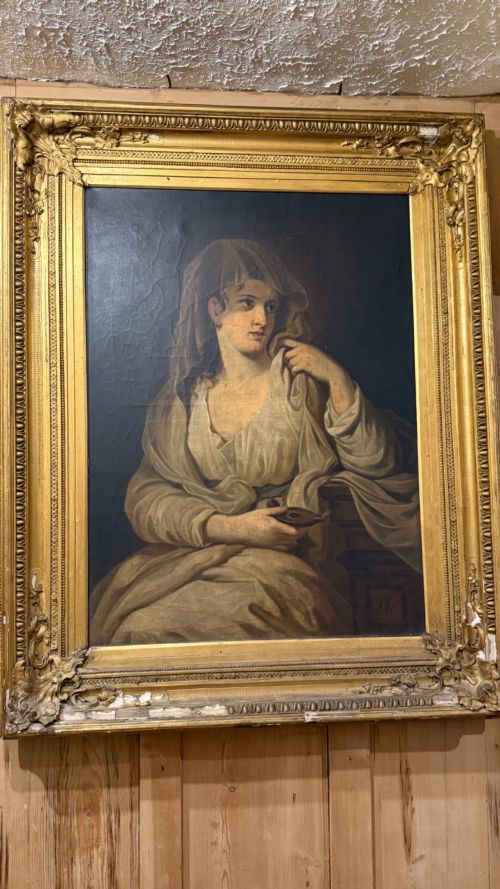
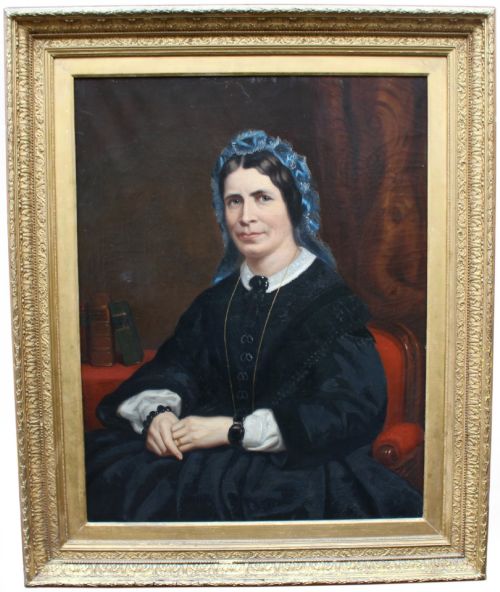
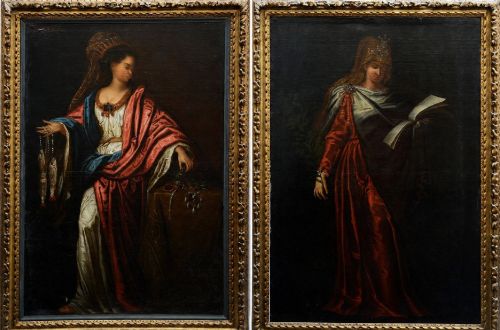
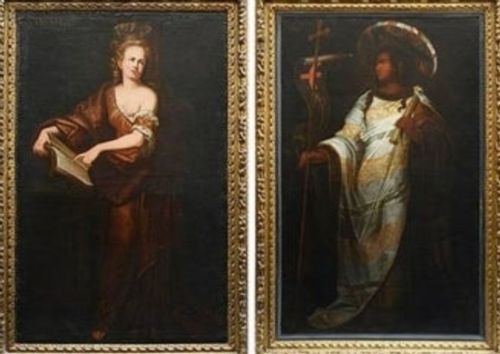
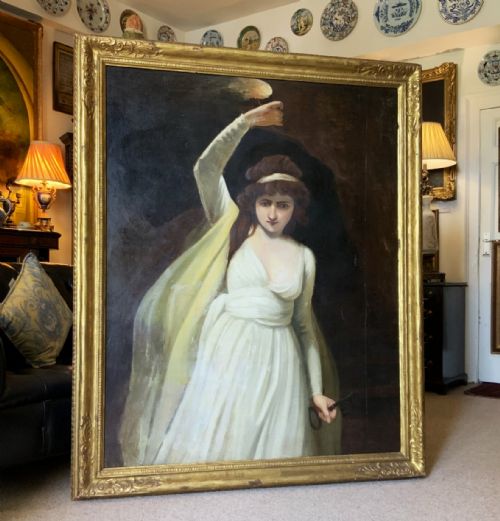
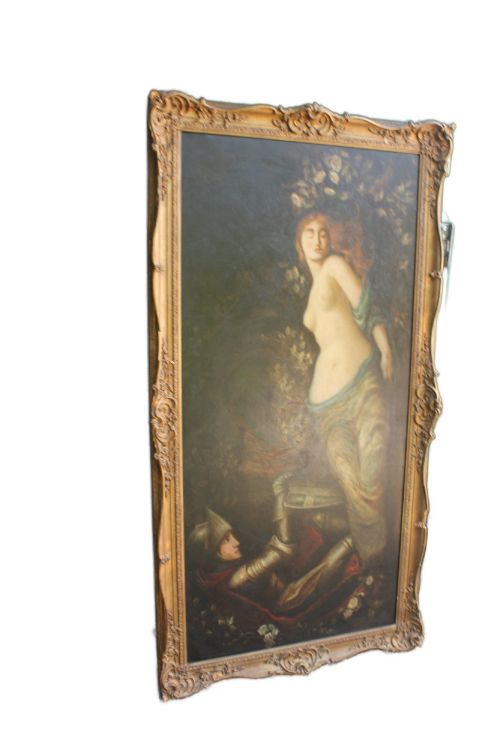
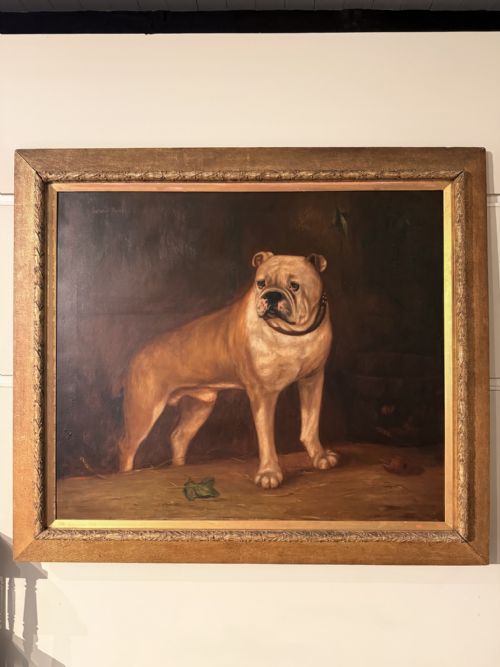
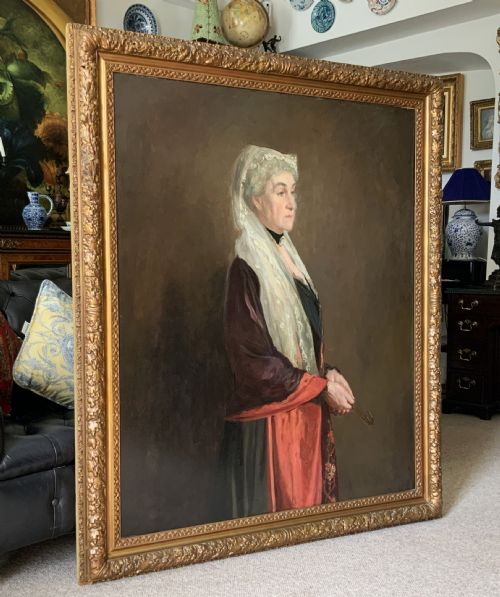
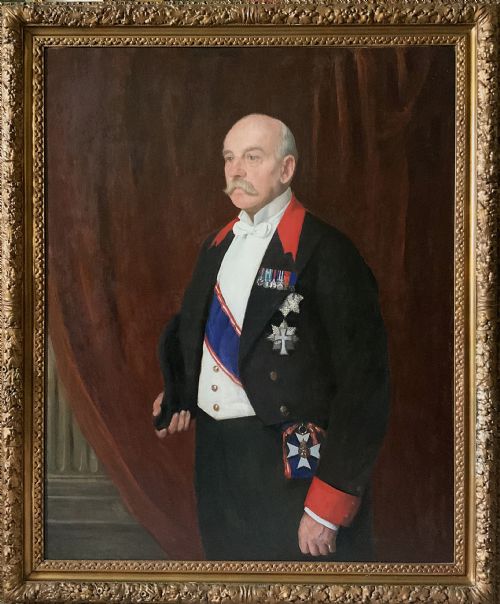
Large oil portrait artworks capture commanding historical likenesses and painted figures on canvas, bringing deep character and dramatic presence to interior spaces.
Large Oil Portrait
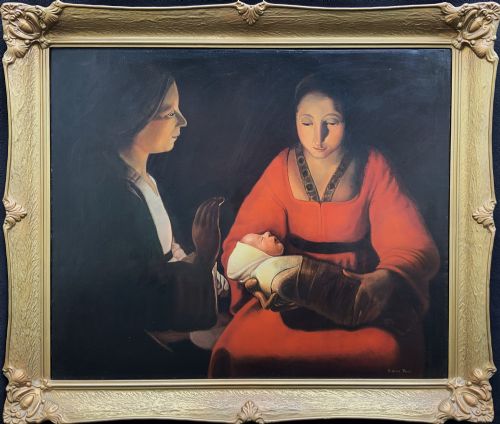
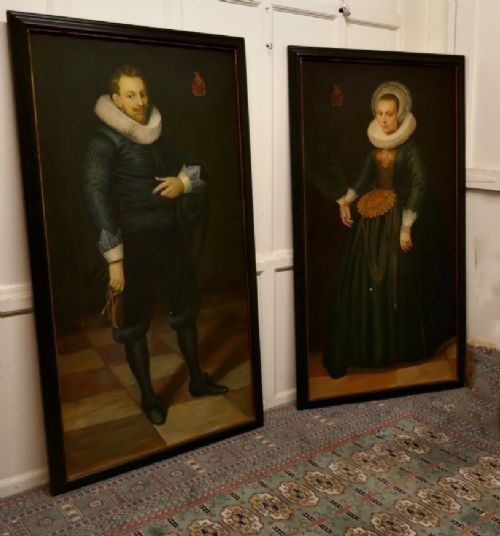
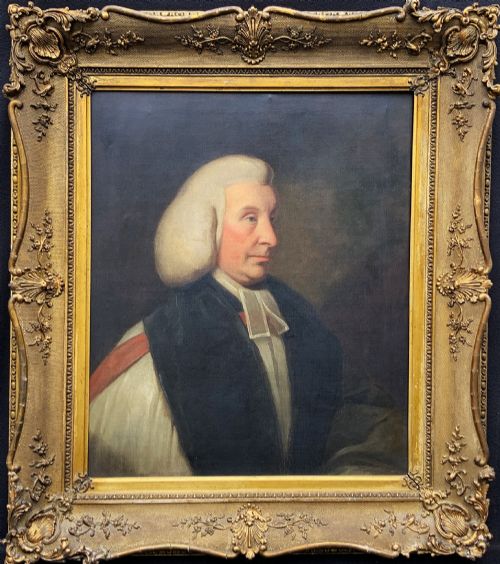
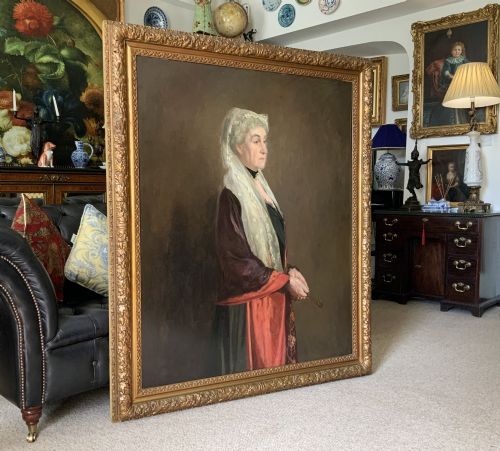
Compositions range from intimate half-length studies to monumental pairs depicting militia officers or ancestral figures. Many retain their original frames, providing a complete historical presentation suitable for domestic hanging.
How They Were Made
Artists painted primarily with oil paint applied to woven canvas supports, though board and vinyl canvas also appear in the record. The preparation of the canvas involved applying gesso or sizing to create a stable foundation for the pigment layers.
Surviving works are frequently housed within ornate wooden surrounds, including giltwood, gesso, and moulded frames featuring decorative details such as egg and dart patterns. These heavy frames were constructed to complement the scale and importance of the central canvas.
Framing materials recorded in the evidence include giltwood, gesso, and moulded wood with egg and dart detailing.
What Varies in Quality
The skill of the brushwork and the precision of facial rendering separate studio masterworks from routine provincial commissions. Superior examples capture individual psychology, light across skin, and textile textures with notable fluency.
Condition and originality dictate desirability, particularly the survival of the original canvas, stable pigment layers, and undisturbed period framing. Works associated with documented artists or academies command closer attention from collectors.
Georges de La Tour·Cornelis Van Der Voort·Sir Joshua Reynolds·John Opie RA·Frans Hals·Godfried Schalcken·Raphael·William Henry Mander·Thomas Sidney Cooper·Domenico Zampieri·John Constable·Matilda Mulvey·John Verelst·Michele Gordigiani·Thornton Rippingille·Bennett Hubbard·Giuseppe Palanti·Fritz Sattler·Alfred Hitchens Corbould·Cæsar Kunwald
The Large Oil Portrait Glossary
- Oil on Canvas
- Pigments suspended in a drying oil medium applied to a woven fabric support stretched over a wooden frame. This combination allows for rich colour blending and textured brushwork.
- Giltwood
- Timber carved and coated with a thin layer of gold leaf or metallic powder. It provides a bright, reflective border that enhances the depth of dark oil paintings.
- Gesso
- A paint mixture consisting of a chalk, gypsum, and pigment binder used to prepare wood and canvas surfaces. It creates a smooth, absorbent base for oil application.
- Old Master
- A European painter of skill working before about eighteen hundred, or a painting produced by such an artist. Copies after these foundational figures form a distinct category in portraiture.
- Provenance
- The chronological documentation of the ownership history of a work of art. Clear records establish authenticity and historical context for the sitter.
Large Oil Portrait: Frequently Asked Questions
How do I date an antique oil portrait?
Dating relies primarily on the sitter's costume, hairstyle, and framing style, alongside any inscriptions or signatures on the canvas reverse. Clothing fashions changed predictably across decades, offering reliable clues for historical placement.
Material evidence also assists with dating, as older canvases exhibit specific weave tightness, stretcher construction, and types of hand-carved wooden framing. Combining visual analysis of the paint application with biographical details of the sitter secures the chronology.
What is the difference between an original and a later copy?
An original portrait was painted directly from a living sitter during the artist's active period, capturing contemporary life firsthand. A copy or studio version was painted after an established masterwork, sometimes centuries later, to record a notable likeness.
Copies and after-works often hold historical or decorative value of their own, especially when executed with technical skill. Examining the brushwork under magnification reveals whether an artist worked from life or copied an existing composition.
How should I hang and care for a large oil painting?
Large oil paintings require sturdy wall fixings attached directly to structural studs or masonry to support their considerable weight. Position them away from direct sunlight, heating vents, and damp walls to protect the canvas and wooden stretcher.
Dust the surface gently with a soft, dry brush or feather duster, avoiding water or chemical cleaners on the paint or gilt frame. Professional conservators should handle any structural repairs, cleaning, or canvas tension adjustments.
What does after an artist mean in a title?
The phrase indicates that the painting is a later study, homage, or reproduction based on a known work by a master painter. Artists frequently painted copies of famous compositions to hone their technical skills or supply demand for popular imagery.
These works provide access to compositions by celebrated figures like Joshua Reynolds or Raphael without requiring an original masterwork. They represent distinct periods of artistic training and appreciation.