
Large Oak Wooden Table
A large oak wooden table anchors a room with enduring strength, bringing centuries of craftsmanship and heavy timber into daily family life.
Large Oak Wooden Table
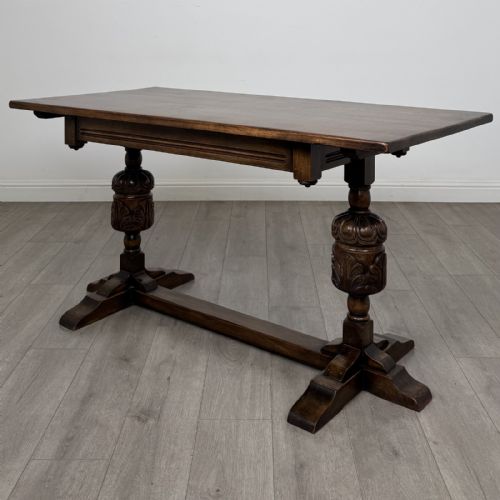
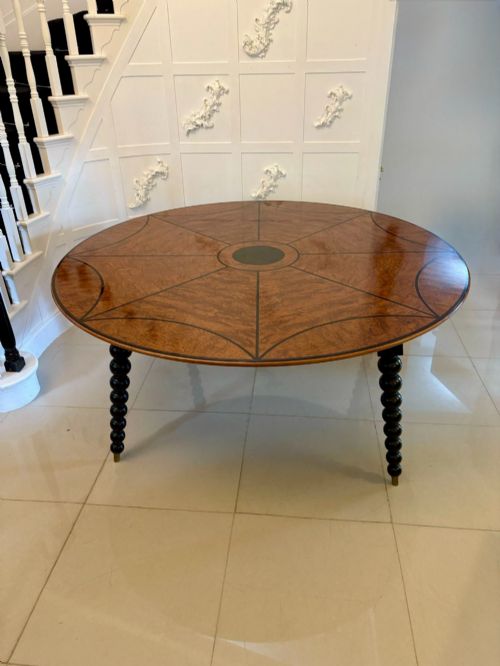
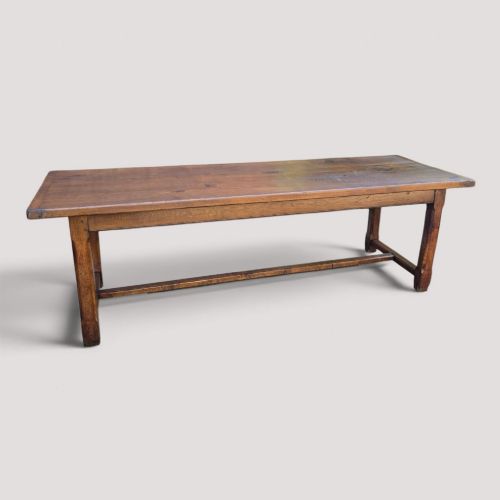
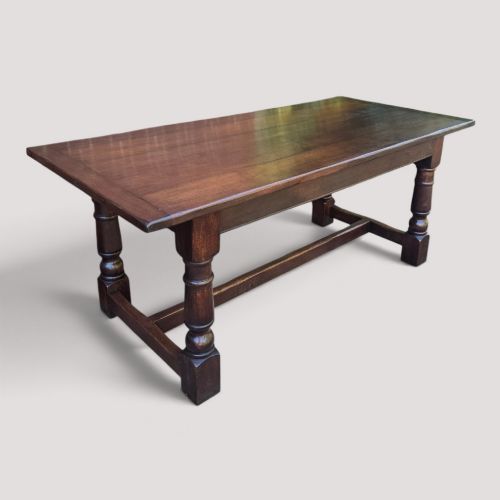
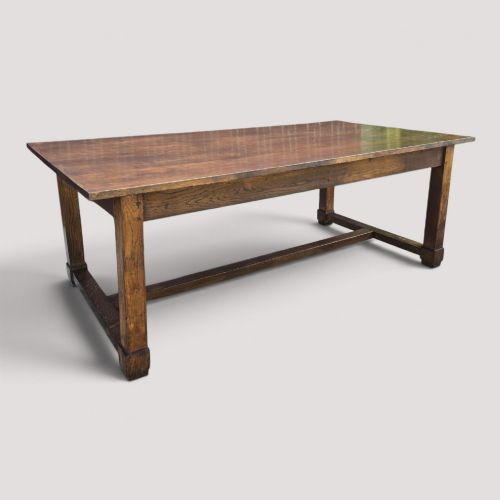
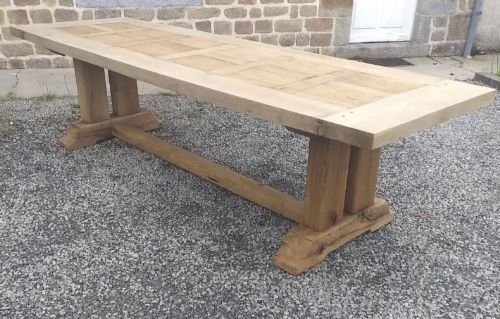
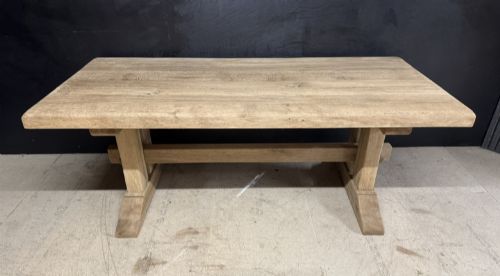
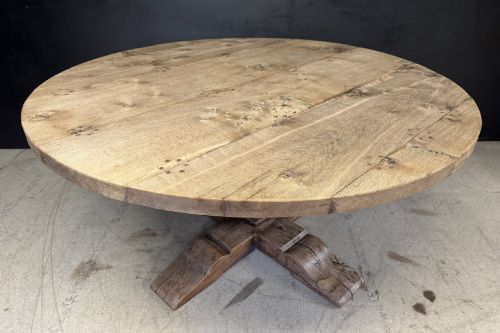
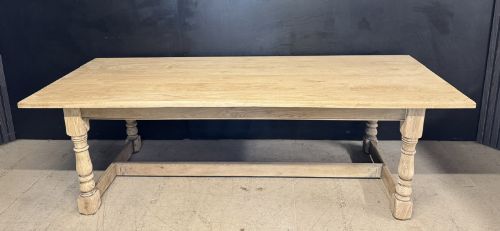
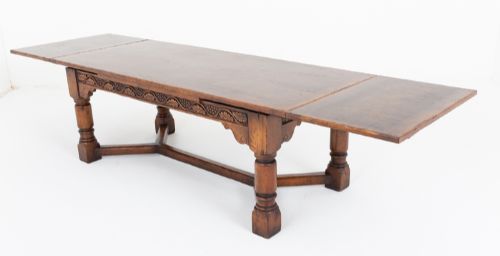
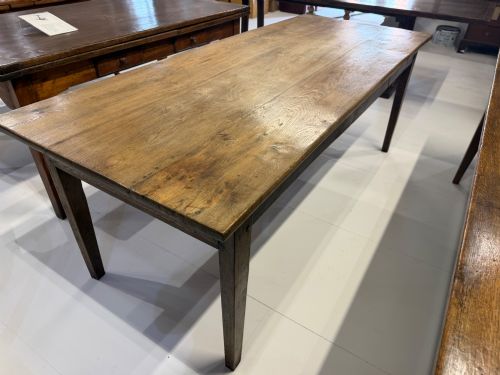
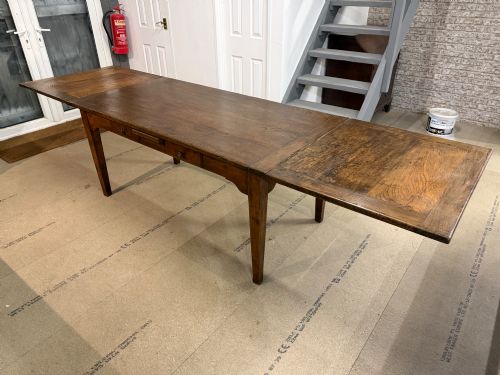
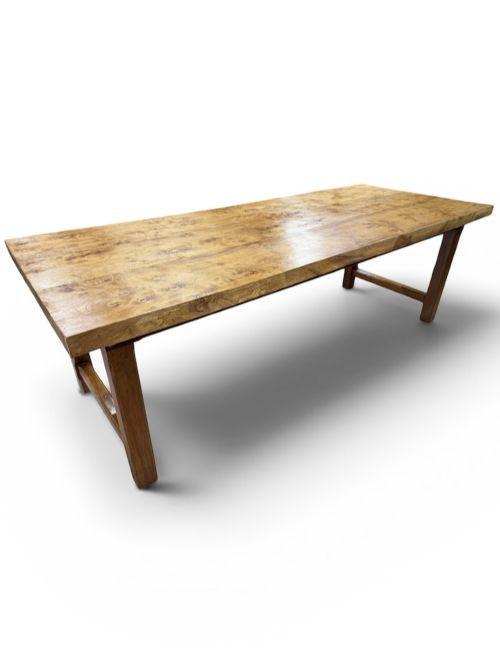
A large oak wooden table provides a sturdy surface suited for communal gatherings, dining, and daily domestic labour. The listings show these pieces principally taking the form of dining tables, refectory tables, and farmhouse tables designed to seat many people.
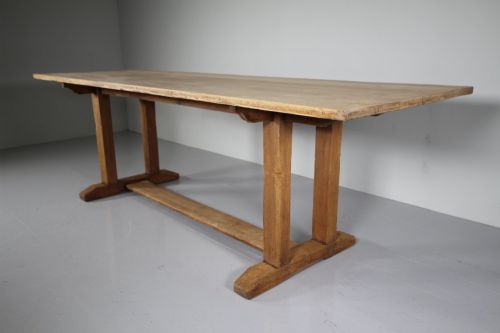
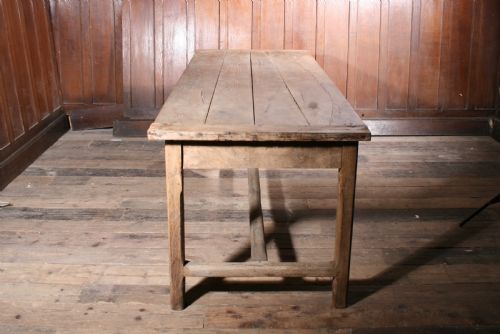
The version you are most likely to meet on this page is a nineteenth century or early twentieth century refectory or farmhouse table. These pieces often feature solid timber tops supported by trestle ends or stout legs, reflecting domestic and institutional use.
What varies in quality
Quality in these large tables rests upon the selection and thickness of the timber used for the top planks. Single plank tops or closely matched boards indicate a higher grade of construction than hastily assembled surfaces.
The sophistication of the stylistic revival detailing, whether Jacobean or Arts and Crafts, and the integrity of the original joints and trestle supports define the upper tiers of the range.
The Large Oak Wooden Table Glossary
- Refectory table
- A long narrow dining table historically used in monasteries and schools. These examples often feature heavy stretcher bases and thick wooden tops.
- Farmhouse table
- A domestic wooden table designed for everyday kitchen or dining use. They usually display generous proportions and sturdy, honest construction.
- Solid oak
- Timber derived entirely from the oak tree rather than veneered substitutes. This material ensures high durability and weight.
- Trestle ends
- Supporting frameworks positioned at either end of a table top rather than standard vertical legs. They provide substantial stability for long surfaces.
Large Oak Wooden Table: Frequently Asked Questions
How do I seat eight people comfortably?
Look for refectory or farmhouse tables measuring over eight feet in length, as these formats offer sufficient legroom along the sides.
Ensure the table height and undercarriage clearance accommodate standard dining chairs without restricting movement.
Are these tables suitable for daily dining?
Solid oak and heavy timber construction make these surfaces exceptionally resilient for everyday family meals and heavy kitchen tasks.
Routine maintenance with appropriate wax helps protect the wood from moisture and daily wear.
What is the difference between refectory and farmhouse styles?
Refectory styles typically feature low stretcher rails connecting formal trestle or block legs, originating from institutional dining halls.
Farmhouse variants usually present a more vernacular domestic appearance suited to country kitchens.
How do I identify a nineteenth century piece?
Nineteenth century examples often display deep patination on the oak timber alongside traditional hand-planed surfaces.
Construction details such as pegged joints and heavy proportions provide further indicators of this period.