




Large Metal Log Bucket
A large metal log bucket brings warmth to a hearth, holding fuel while grounding the room with the honest weight of copper, brass, and iron.
Large Metal Log Bucket
A large metal log bucket serves fireside utility, gathering timber and coal beside the hearth with practical strength. These vessels double as planters, jardinières, and grain measures, shifting easily from domestic fire storage to decorative garden use.
Buyers meet sturdy nineteenth-century forms most often on this page, spanning Victorian utilitarian items and Georgian vessels. The selection draws heavily from French provincial pieces, cauldrons, and heavy brass pans designed for hard daily work.
Materials and construction
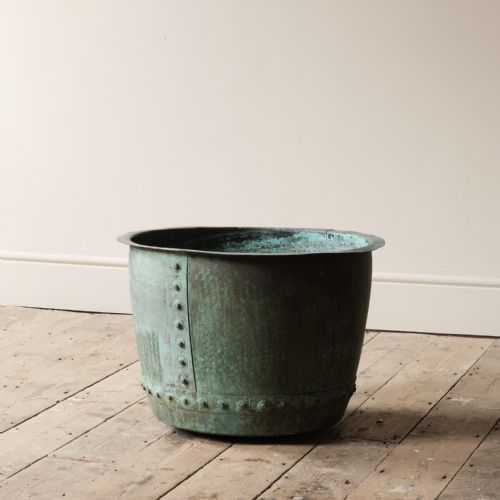
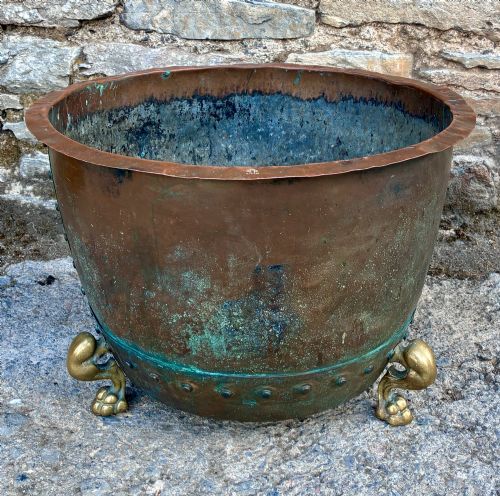
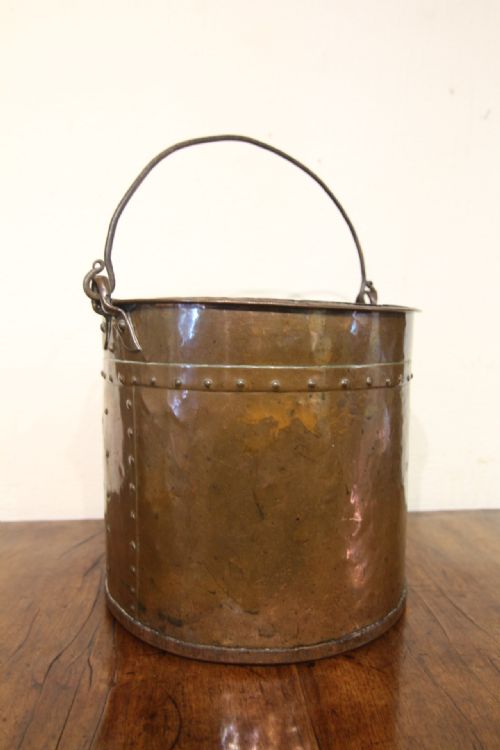
Makers shaped these pieces predominantly from heavy copper and brass, often combining them with iron and wrought iron for structural support. Rivets secure the metal sheets together, creating robust seams that withstand the heavy friction of firewood.
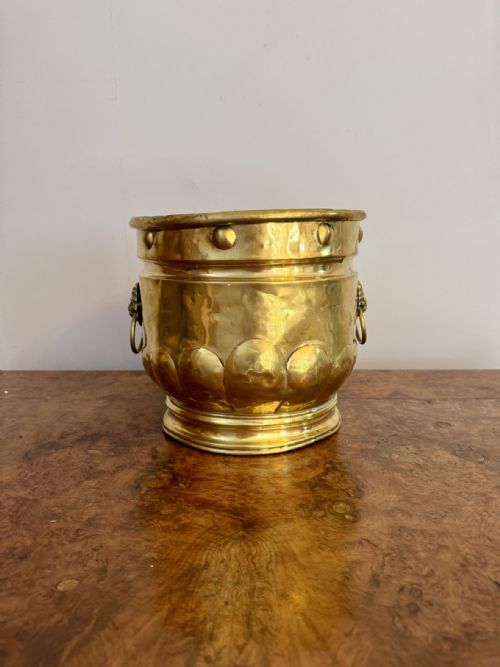
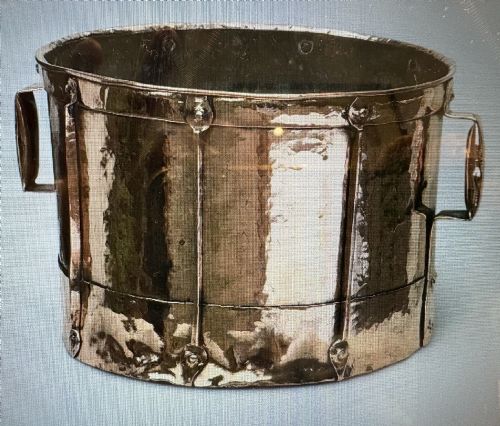
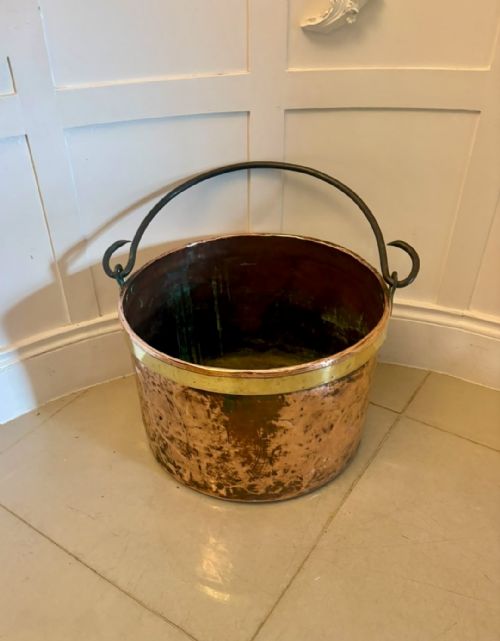
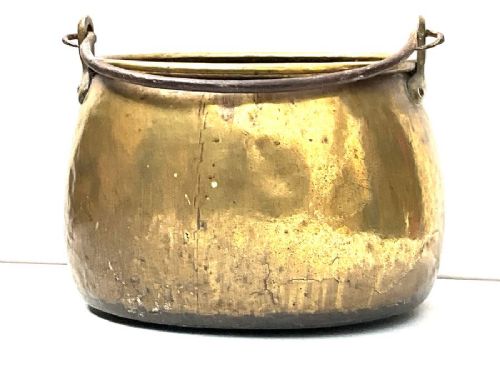
Many examples display hand-hammered surfaces and heavy brass fittings, reflecting traditional metalworking techniques from nineteenth-century workshops. Wrought iron swing handles provide the necessary leverage to lift dense loads of fuel safely.
Large Metal Log Bucket Retail Price Guide 2026
Typical asking prices for large metal log bucket among the pieces listed under this phrase on Sellingantiques today, from the lower quarter to the upper quarter. They describe what is for sale here now, not the wider market.
Listings feature nineteenth-century copper and brass vessels alongside Georgian and Regency pieces, utilising iron for structural handles and frames.
Distinctions in quality
Thickness of metal distinguishes standard utilitarian vessels from finer display pieces, with heavier gauges offering greater resilience. The integrity of the riveted joints and the original form of the iron frame dictate the overall structural pedigree.
Surface character marks the upper tier, where natural verdigris, hand-hammered texture, and untouched patination tell a story of long use. Pieces retaining original wrought iron hardware hold greater architectural presence than those with later replacements.
The Large Metal Log Bucket Glossary
- Cauldron
- A large metal pot with a rounded base and a swing handle, traditionally used over an open fire or for heavy storage. These vessels often feature heavy riveting along the body.
- Jardiniere
- An ornamental pot or stand for holding plants and flowers, sharing similar scale and metallic construction with large log bins. They frequently appear in brass or copper.
- Ferrat
- A traditional French agricultural grain measure made of riveted copper, often repurposed today as a fireside log holder. Its deep cylindrical shape suits the storage of timber.
- Dinanderie
- Objects made of beaten brass or copper, originating from the Belgian town of Dinant. This term describes decorative vessels and household containers shaped by skilled metalworkers.
- Verdigris
- A green patina formed naturally on copper, brass, or bronze surfaces through atmospheric oxidation. Collectors value this chemical weathering for its visual depth and proof of age.
Large Metal Log Bucket: Frequently Asked Questions
How were metal log buckets used?
These metal vessels served primarily to haul and store fuel like logs, peat, and coal near the hearth for daily burning. Their robust metal construction allowed them to handle abrasive timber without wearing through.
Over time, many of these same containers transitioned beyond the fireside to function as large garden planters or decorative interior display pieces. Their waterproof metallic bodies made them practical for holding soil and plants.
Are these buckets waterproof?
Most riveted copper and brass vessels remain capable of holding water, having been constructed originally for boiling, grain measuring, or washing. This watertight quality makes them suitable for use as indoor planters.
However, buyers should inspect older riveted seams for minor weeping if they intend to fill the container directly with wet soil or water. Lining the vessel protects the historic metal from prolonged dampness.
How do I clean a copper log bucket?
Washing the surface gently with warm soapy water removes accumulated dust and soot while preserving the underlying metal. Avoid abrasive scouring pads that strip away historical surface character.
Many collectors prefer to leave the natural patination and verdigris untouched rather than polishing the copper to a bright shine. Allowing the metal to age naturally highlights its nineteenth-century origins.
Can I use these outdoors?
Heavy copper, brass, and iron vessels withstand outdoor conditions well, making them popular choices for garden planters and patio accents. The durable metal naturally develops a rich verdigris when exposed to the elements.
To protect the piece, keep it drained during freezing winter months to prevent ice expansion from stressing the historic riveted seams. Placing the container on feet prevents moisture from trapping underneath.