

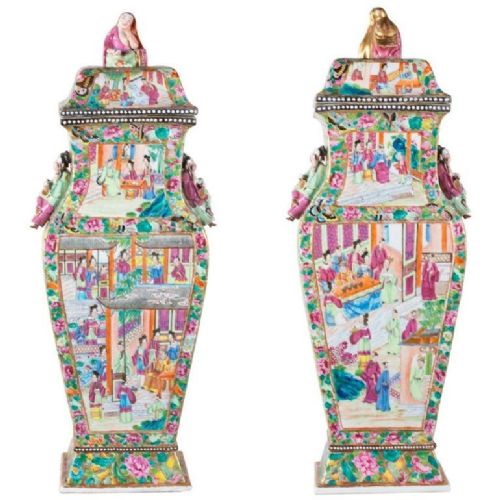
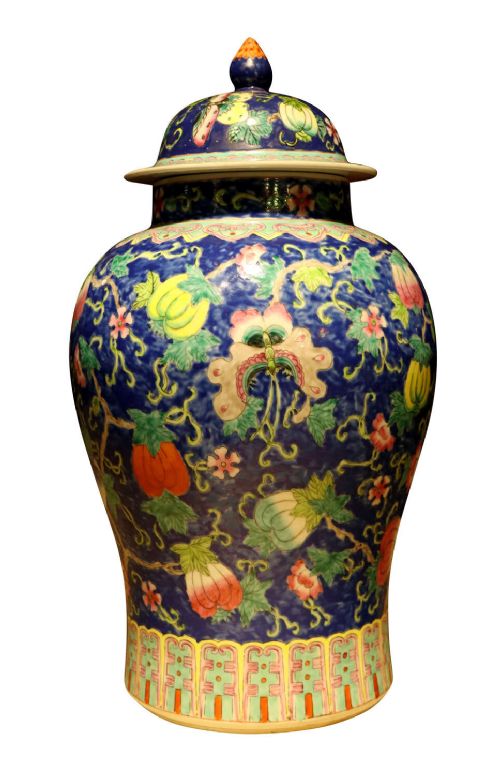
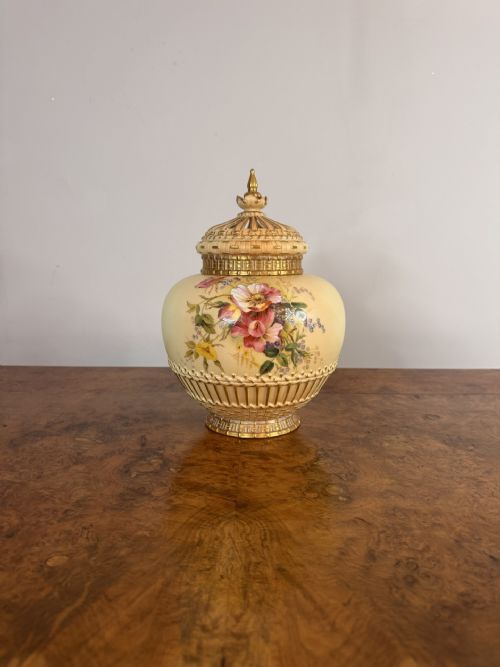
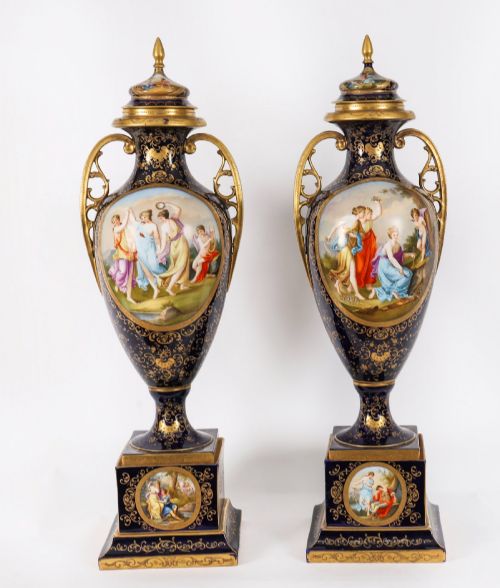

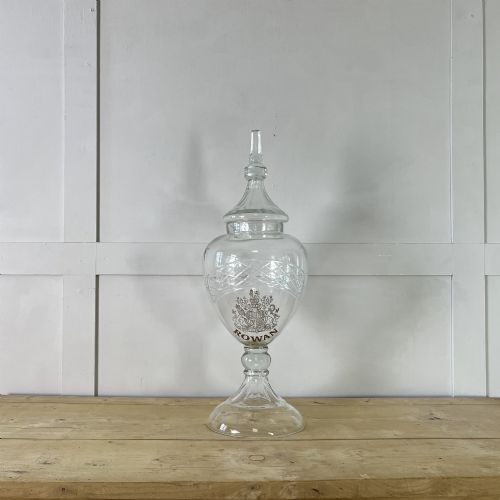
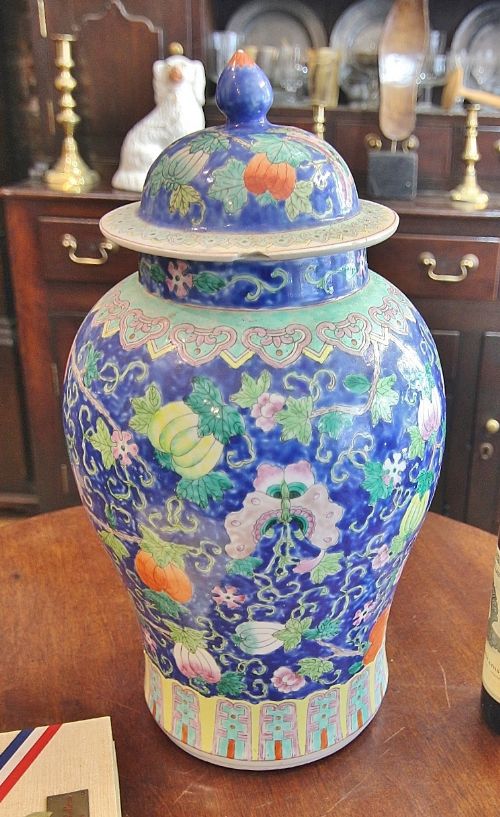

Large Lidded Urn
When you set out to acquire a large lidded urn, you look for a commanding ceramic or metal vessel designed to anchor a room.
Large Lidded Urn
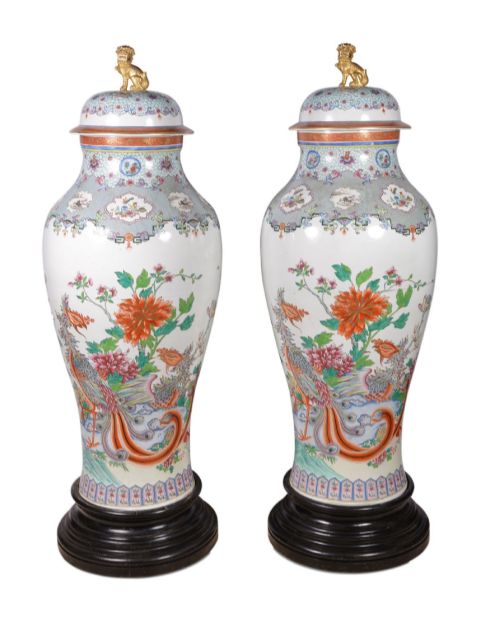
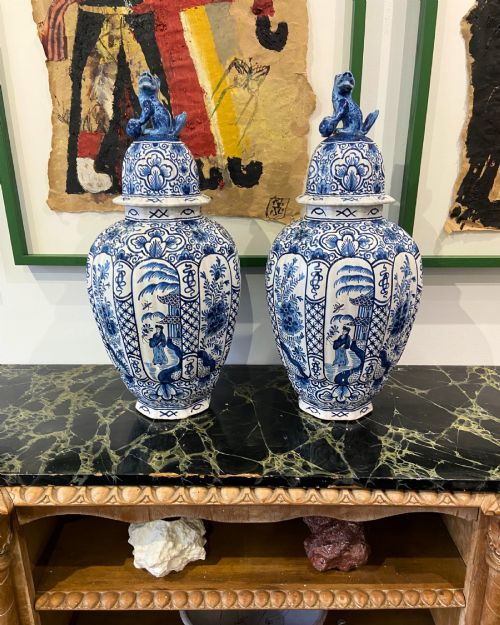
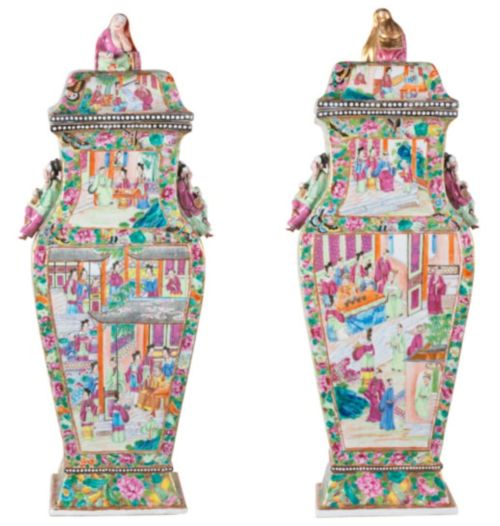
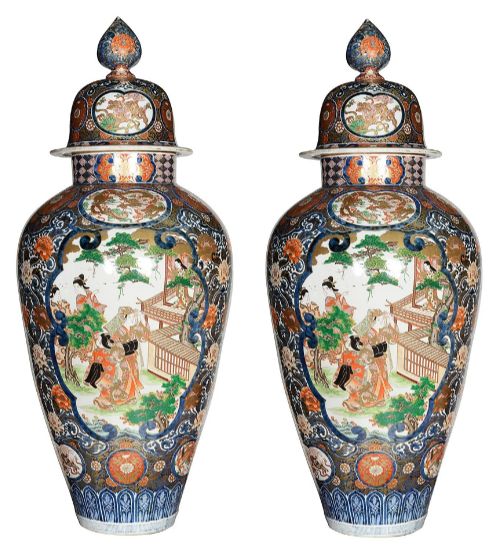
A large lidded urn stands as a prominent decorative vessel, often paired symmetrically or displayed as a single focal point in a grand interior. These objects frequently take the form of monumental porcelain, earthenware, or ceramic jars fitted with removable covers, originating predominantly from nineteenth-century European factories and Japanese export studios. Buyers select these pieces to introduce height, scale, and rich historical character to a mantelpiece, hall, or pedestal.
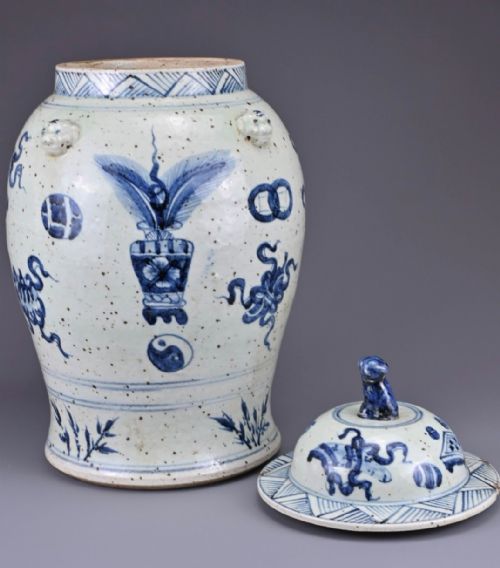
The selections gathered here span periods from the eighteenth century through to the mid-twentieth century, encompassing diverse stylistic traditions such as French Rococo Revival, Neoclassical, and Japanese Meiji period Imari. Many examples emerge from continental porcelain works like Vienna, Berlin, and Sevres, alongside earthenware and faience production centres. Whether rendered in blue and white porcelain or polychrome enamel palettes, each large lidded urn serves primarily for display rather than utility.
How they were made
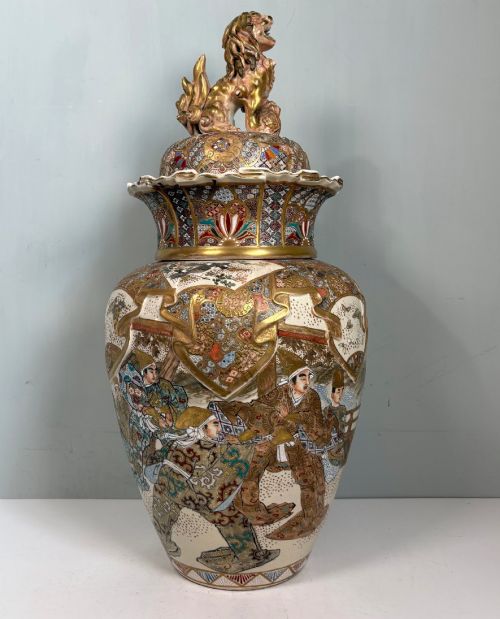
Potters and ceramists shaped these vessels using clay bodies finished with glaze, enamel, and occasionally gold leaf or gilding to create rich surface sheen. Decoration often involved hand-painted scenes, blue and white pigments, or intricate Japanese Imari palettes fired at high temperatures in kilns.
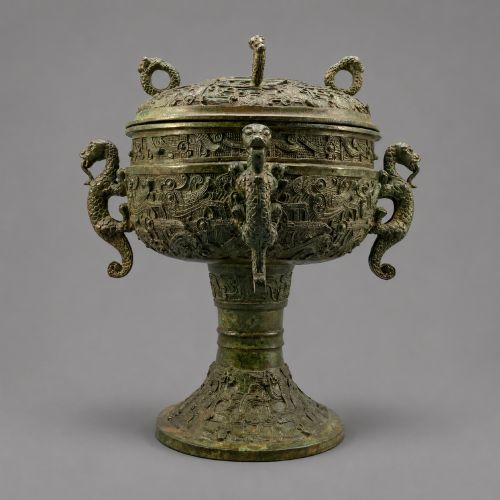
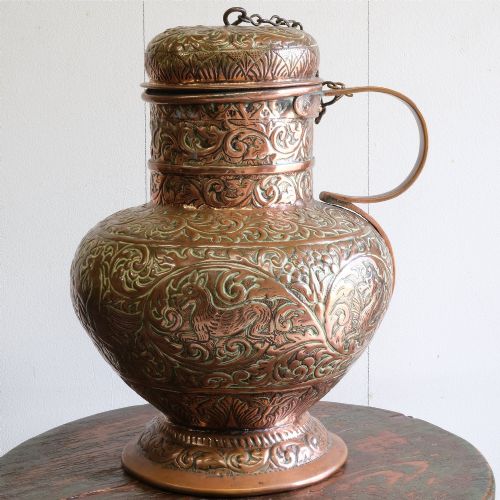
Metal components such as copper or ormolu mounts provide structural framing and handles for certain items, while other variants employ carved white marble or cut glass. Artisans combined these mixed materials with precision, mounting ceramic bodies onto metal stands or incorporating fitted covers with decorative finials.
Large Lidded Urn Retail Price Guide 2026
Typical asking prices for large lidded urn among the pieces listed under this phrase on Sellingantiques today, from the lower quarter to the upper quarter. They describe what is for sale here now, not the wider market.
Listings feature nineteen-century porcelain, earthenware, and cut glass forms.
What varies in quality
The distinction between standard production and exceptional quality lies in the execution of the hand-painted detail and the crispness of the modelled form. Superior examples display finely rendered figurative scenes, precise gilding, and well-balanced proportions that demonstrate the full capability of the workshop.
Subtleties in glaze depth, the integration of ormolu mounts, and the preservation of original covers separate ordinary decorative wares from monumental cabinet pieces. The clarity of factory marks and the weight of the ceramic body further indicate the care taken during production.
Royal Vienna Porcelain·Helena Wolfsohn Dresden·Royal Worcester
The Large Lidded Urn Glossary
- Imari palette
- A traditional Japanese colour scheme typically combining underglaze blue, iron red, and gold on a white porcelain ground. This style proved immensely popular for export wares destined for European drawing rooms.
- Ormolu
- Gilded bronze mounts applied to furniture, porcelain, and decorative urns during the eighteenth and nineteenth centuries. These metal additions enhance the visual weight and status of the vessel.
- Faience
- European tin-glazed earthenware produced across France and other continental centres. This technique allows for opaque white grounds painted with colourful decorative motifs.
Large Lidded Urn: Frequently Asked Questions
What were large lidded urns used for?
These vessels served primarily as decorative focal points within grand interiors, reflecting the wealth and refined taste of the household. Some forms, such as rose jars or ginger jars, held potpourri or preserved goods, but the larger examples functioned purely as ornamental art.
Over time, their role shifted entirely to interior decoration, displayed prominently on pedestals, console tables, or mantelpieces. Their substantial scale and elaborate covers made them ideal for filling empty architectural spaces.
How do I identify a nineteenth-century piece?
Nineteenth-century large lidded urns often exhibit characteristic revival styles, such as French Rococo Revival or Neoclassical motifs, combined with industrial-era ceramic manufacturing techniques. Examining the base for factory marks, cipher stamps, or hand-painted signatures helps narrow down the specific decade of production.
Additionally, the palette and glaze consistency offer clues; nineteenth-century Japanese export pieces for the European market frequently display the dense cobalt blue and iron red typical of the Imari style popular during that era.
How should I clean a ceramic urn?
Dust the surface gently using a soft, dry artist brush or a clean microfiber cloth to prevent any accumulation of dirt in crevices. Avoid using water, abrasive cleaners, or chemical solvents, as these can damage delicate enamel work or delicate gold leaf.
If the piece incorporates metal or ormolu mounts, keep moisture away from the junction between the metal and the ceramic body. Professional conservation advice should be sought for any deep cleaning.
Are these urns waterproof?
Most antique ceramic and porcelain urns are not guaranteed to be waterproof due to the porous nature of older earthenware bodies or hairline crazing in the glaze. Using them to hold fresh water and flowers risks staining the interior or causing structural damage to the ceramic.
It is safer to display them dry or utilise a hidden, independent liner if floral arrangements are desired. Protecting the interior preserves the historical integrity of the vessel.