





Large Landscape Picture
A large landscape picture fills a room with horizon and atmosphere, bringing open skies and rolling terrain directly onto interior walls.
Large Landscape Picture
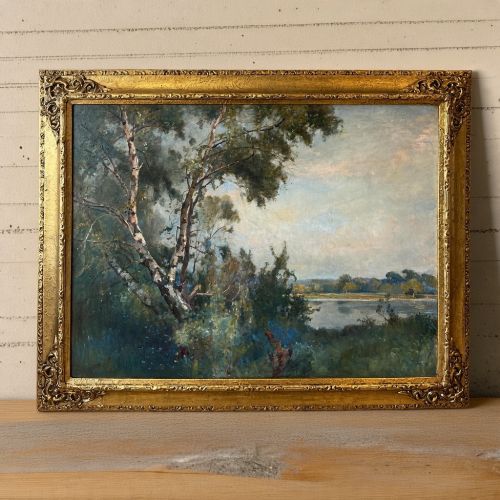
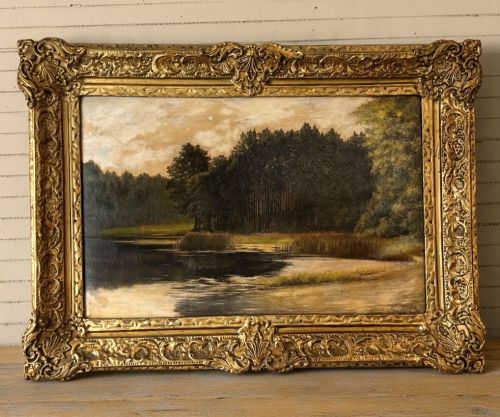
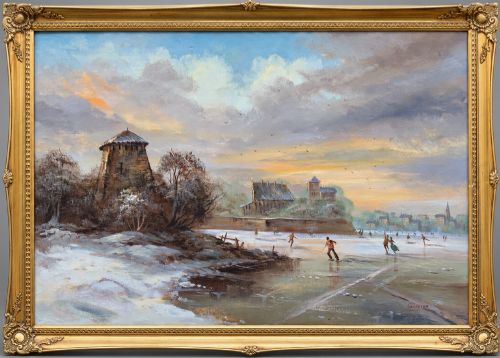
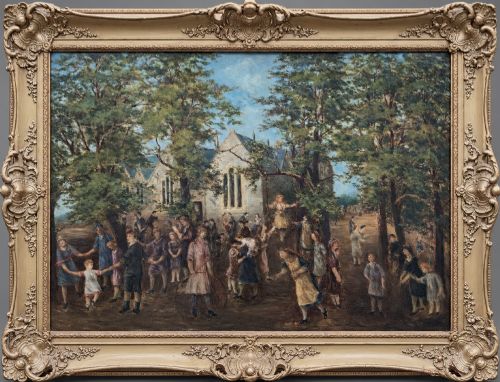
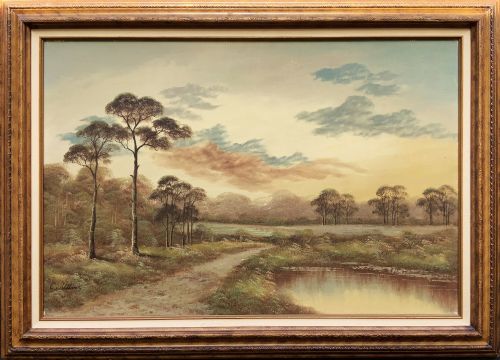
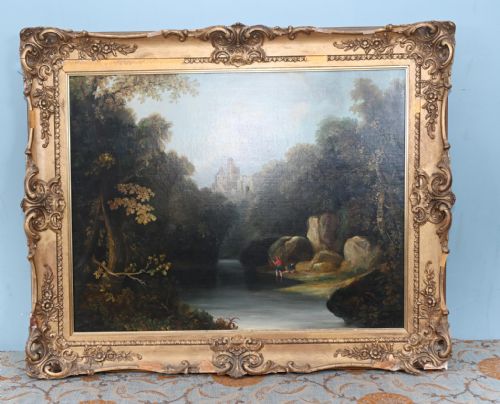
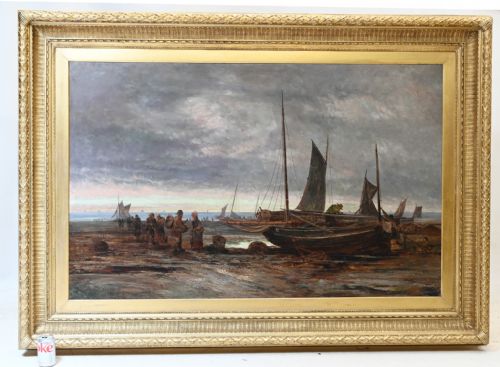
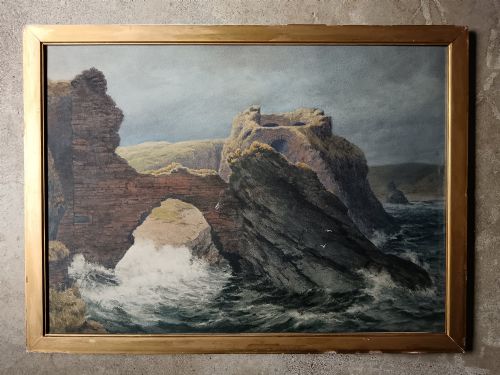
A large landscape picture encompasses expansive oil paintings, watercolours, and mixed media works celebrating natural scenery and pastoral views. These pieces frequently date from the nineteenth century through the mid-twentieth century, capturing rural vistas, coastal waters, and country gatherings.
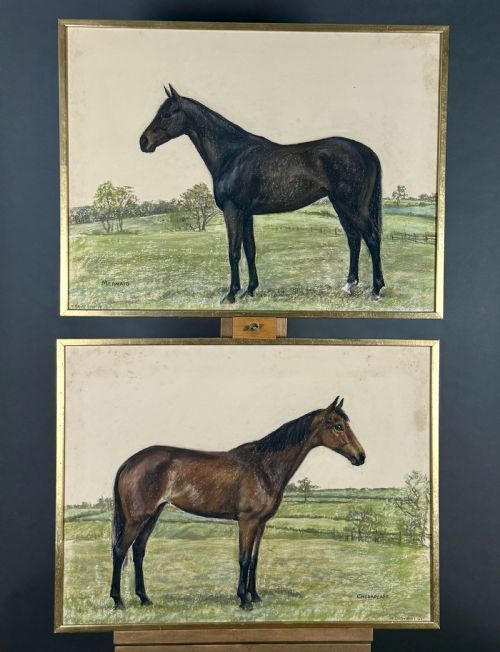
Buyers encounter substantial oil paintings on canvas alongside framed watercolours and pastel studies. Victorian pastoral scenes and mid-century interpretations dominate the available selection, often presented within generous frames.
The scale demands dedicated wall space, drawing the eye across detailed depictions of rivers, mountains, and woodlands. Each work reflects the prevailing artistic interpretation of nature specific to its period of creation.
Materials and Construction
Artists painted primarily with oil pigments on stretched canvas or applied watercolours and pastels onto heavy paper. Many works rely on robust wooden stretchers to support the large format of the fabric.
Frames play a vital structural and aesthetic role, constructed from carved wood and finished with layers of gesso and gilt. These heavy mouldings provide essential rigidity while enhancing the visual depth of the artwork.
Large Landscape Picture Retail Price Guide 2026
Typical asking prices for large landscape picture among the pieces listed under this phrase on Sellingantiques today, from the lower quarter to the upper quarter. They describe what is for sale here now, not the wider market.
Listings feature works spanning the nineteenth century to mid-century modern movements, utilising oil on canvas, watercolour, and pastel.
Factors of Quality
The proficiency of the brushwork and the subtlety of light handling distinguish superior compositions from simpler decorative examples. Masterful handling of perspective and atmospheric depth elevates a canvas well above routine topographical recording.
Original framing and the preservation of the paint surface significantly influence desirability. Untouched surfaces retain the intended vibrancy, whereas heavy restoration or poor relining alters the integrity of the piece.
Alfred Walter Bayes·Thomas Sidney Cooper·David Cox Jnr·Benjamin Williams Leader·Henri Schouten
The Large Landscape Picture Glossary
- Gesso
- A plaster mixture applied to wood frames to create a smooth surface for gilding. It allows intricate relief moulding around the picture edge.
- Watercolour
- Paint consisting of pigment suspended in a water-soluble binder, typically applied to paper. It yields translucent washes of colour.
- Pastel
- A dry drawing medium composed of powdered pigment and a binder. Works executed in this medium require glass protection.
- Provenance
- The documented history of ownership associated with an artwork. It provides verifiable background on the origin of the piece.
Large Landscape Picture: Frequently Asked Questions
Where should I hang a large landscape picture?
These expansive works require substantial wall space, making them well-suited for placement above a principal piece of furniture such as a sofa or sideboard. Positioning them where natural light can cross the canvas enhances the texture of the oil paint.
Ensure the hanging fixings are securely anchored into wall studs due to the considerable weight of the wooden frames and stretched canvas.
How do I identify a nineteenth-century oil painting?
Nineteenth-century oils typically exhibit hand-woven canvas textures visible on the reverse, often accompanied by historic framer stamps or handwritten inscriptions on the stretcher bars. The pigments and craquelure network naturally occurring across the paint surface provide further chronological indicators.
Examining the construction of the frame and the style of the signature offers additional context regarding the likely period of execution.
Are watercolours as durable as oil paintings?
Works on paper are inherently more sensitive to light and moisture than oil paintings on canvas. They require protective glass glazing and careful placement away from direct sunlight to prevent the fading of delicate pigments.
Framing practices for watercolours incorporate acid-free mounts to ensure the paper remains separated from the glass over decades of display.
What distinguishes Victorian pastoral art?
Victorian pastoral art focuses on idealized rural life, frequently incorporating agricultural workers, livestock, and gentle river valleys under expansive skies. The palette tends towards natural earth tones designed to evoke a sense of calm and nostalgia.
These compositions reflect the contemporary nineteenth-century fascination with the British countryside amidst rapid industrialisation.