

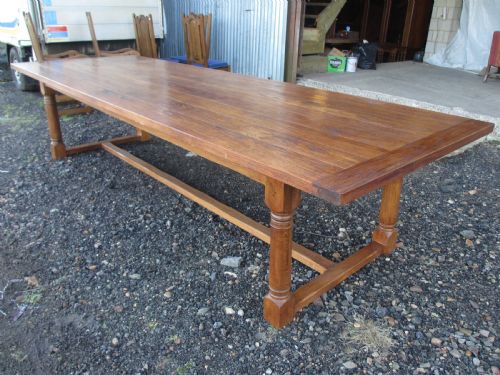
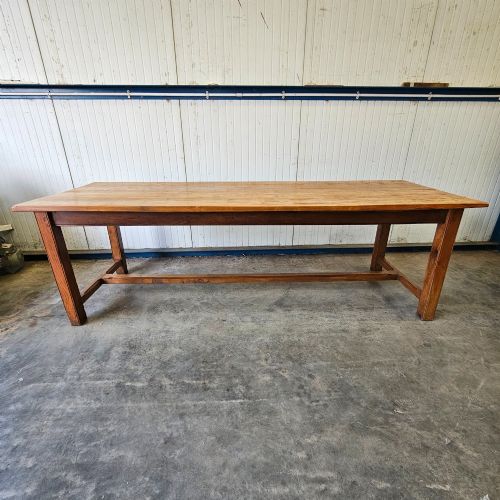
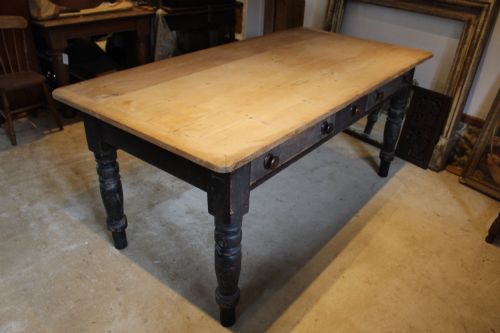
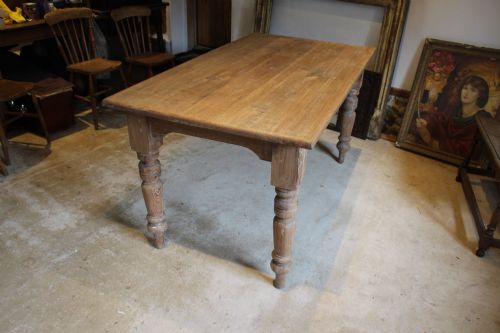
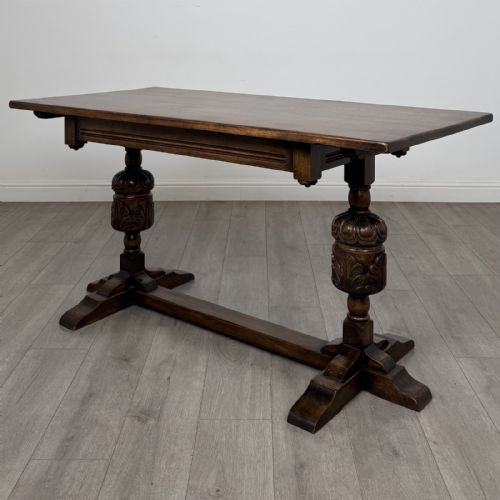
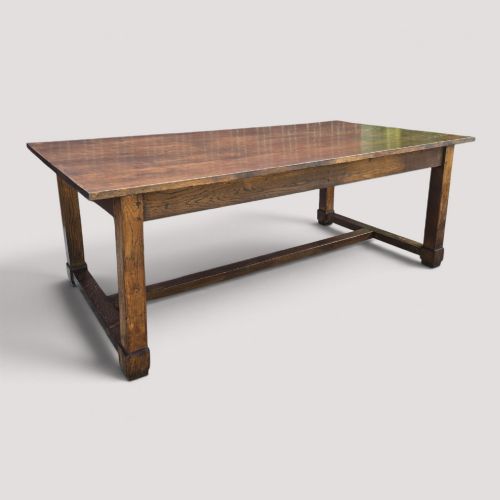
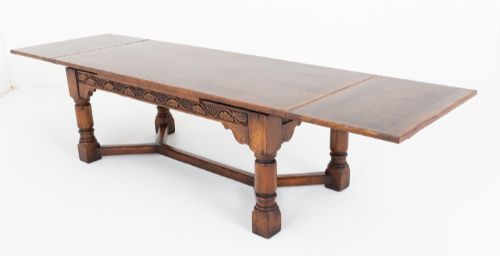
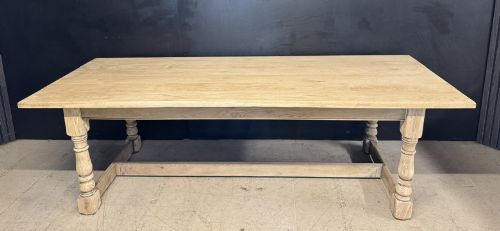
Large Kitchen Dining Table
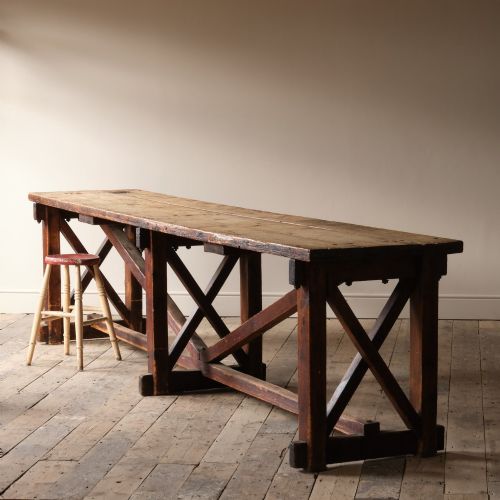
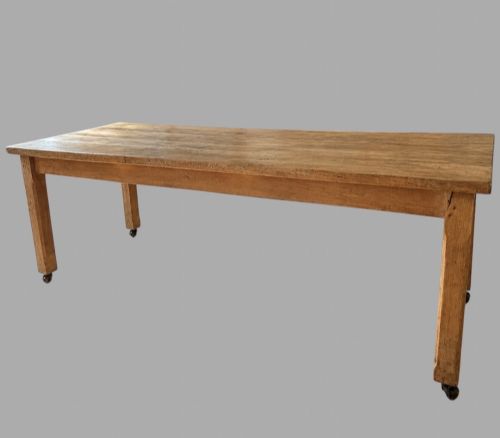
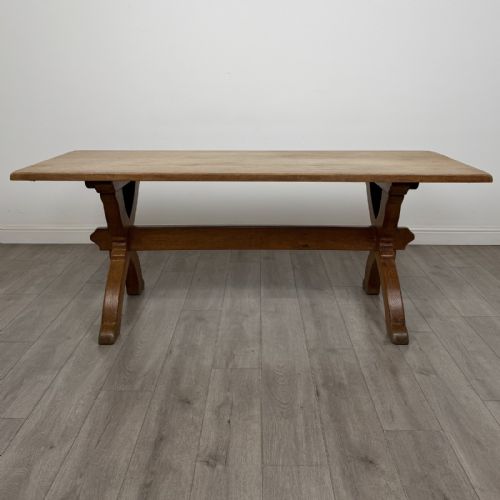
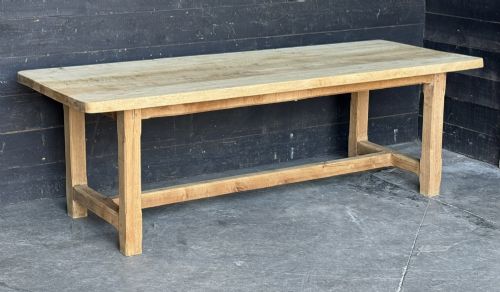
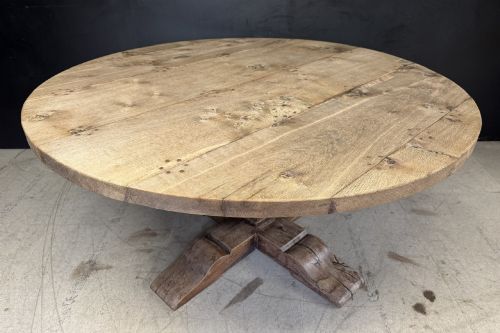
A large kitchen dining table anchors the room, and here you find heavy timber boards ready for daily family meals.
Large Kitchen Dining Table
When you search for a large kitchen dining table, you meet heavy timber surfaces built to handle family meals and daily use. These tables come from periods spanning the eighteenth century through to the early twentieth century, carrying the marks of domestic service.
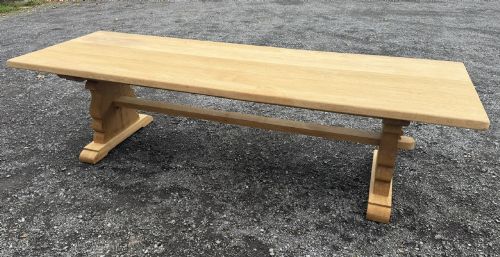
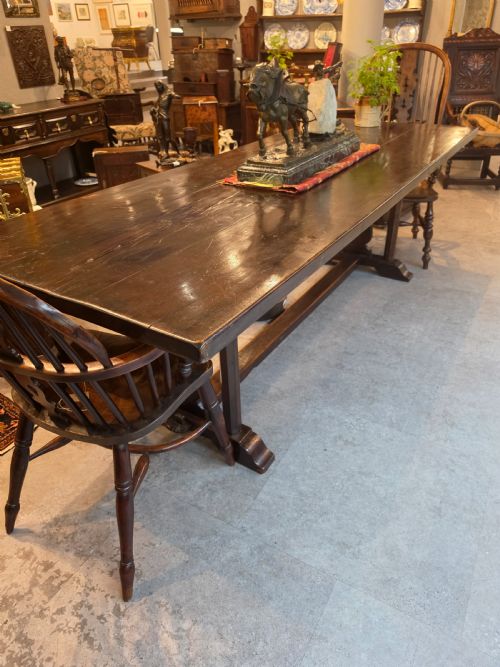
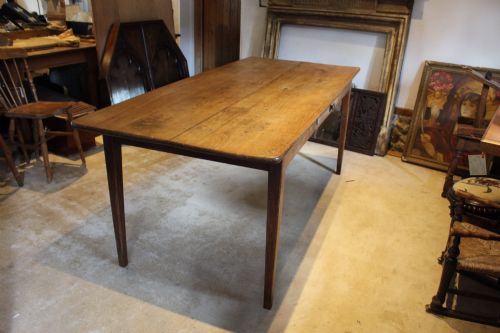
The version you are most likely to meet on this page is the oak farmhouse or refectory table, often stretching to seat eight or more diners. French provincial styles and English country designs appear frequently among these listings.
Makers shaped these boards from local woods to serve practical needs in large kitchens and dining rooms. Their forms remain honest, prioritising sturdy legs and thick plank tops over superfluous ornament.
How they were made
Carpenters constructed these tables using solid timber boards of oak, pine, elm, and fruitwood. Planks were joined to create thick tabletops capable of enduring heavy daily wear.
Joinery relied on sturdy stretchers and refectory bases to support the long spans without sagging. Brass fittings occasionally appear on extending mechanisms, while turned or square legs anchor the frame.
Large Kitchen Dining Table Retail Price Guide 2026
Typical asking prices for large kitchen dining table among the pieces listed under this phrase on Sellingantiques today, from the lower quarter to the upper quarter. They describe what is for sale here now, not the wider market.
Listings feature eighteenth-century chestnut alongside nineteenth-century pine, elm, and oak.
What varies in quality
The quality of a table rests on the selection of timber and the integrity of its construction. Single plank tops and dense hardwoods like oak or chestnut command attention for their durability and grain.
Proportion and surface finish dictate the character of the piece. Tables that retain a deep patina on the timber without clumsy modern alterations sit at the upper end of the range.
The Large Kitchen Dining Table Glossary
- Refectory table
- A long narrow dining table originally built for monastic dining halls. These pieces feature sturdy underframes and long stretcher rails for footrests.
- Farmhouse table
- A domestic wooden table designed for heavy kitchen use. They display simple lines and practical proportions suited to daily gatherings.
- Plank top
- A tabletop constructed from several parallel boards of timber joined together. Single plank variations use exceptionally wide boards.
- Bleached oak
- Oak timber that has been lightened in tone, either through historical scrubbing or later treatment. This process softens the dark appearance of traditional oak.
- Fruitwood
- Timber sourced from fruit-bearing trees such as cherry or pear. It offers a warm tone and fine grain utilised in regional European tables.
Large Kitchen Dining Table: Frequently Asked Questions
How do I clean a wooden table top?
Wipe the surface with a damp cloth and dry it immediately with a soft towel. Avoid harsh chemical cleaners that strip the natural oils from the timber.
Apply natural beeswax periodically to nourish the wood and maintain a protective barrier against spills.
Will an oak table fit my dining room?
Measure your dining space carefully, allowing ample room to pull out chairs on all sides. Large refectory tables require significant clearance to sit comfortably.
Consider the placement of table legs and stretchers to ensure diners have enough legroom along the length.
How do I date a farmhouse table?
Examine the construction methods beneath the tabletop, looking for hand-cut joints and timber movement allowances. Tool marks and fastener types offer clues to the period of manufacture.
Compare the timber species and regional style against known examples from the eighteenth and nineteenth centuries.
Are these tables suitable for daily use?
These pieces were originally built for hard domestic service in kitchens and dining rooms. Their solid timber construction handles daily meals and family gatherings with ease.
Use coasters and placemats to protect the historic surface from excessive heat and moisture marks.