


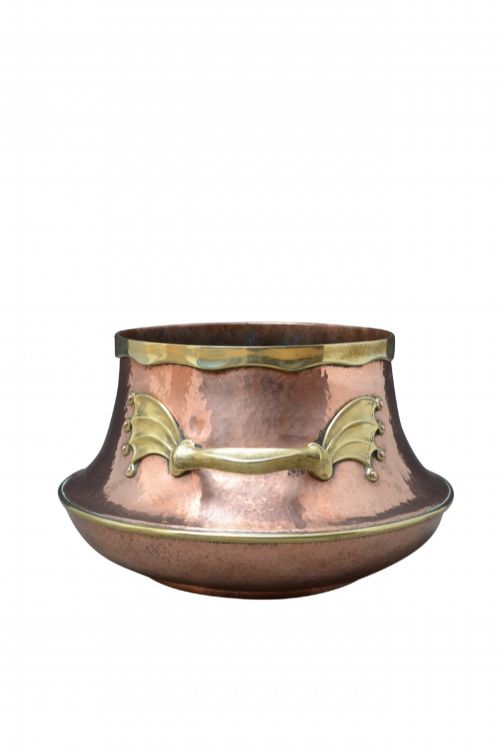


Large Jardiniere
A large jardiniere is a substantial plant vessel designed to hold potted greenery, bringing architectural presence and organic warmth into interior and garden spaces.
Large Jardiniere
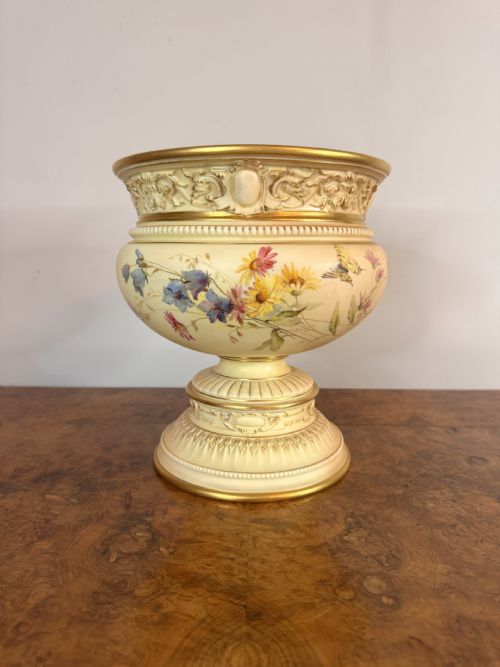
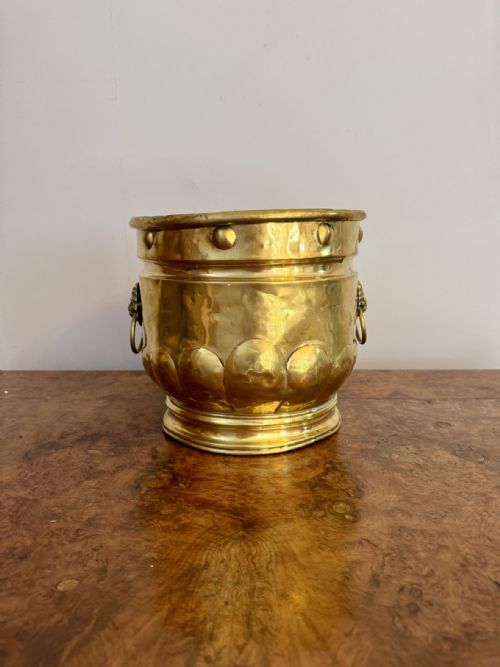
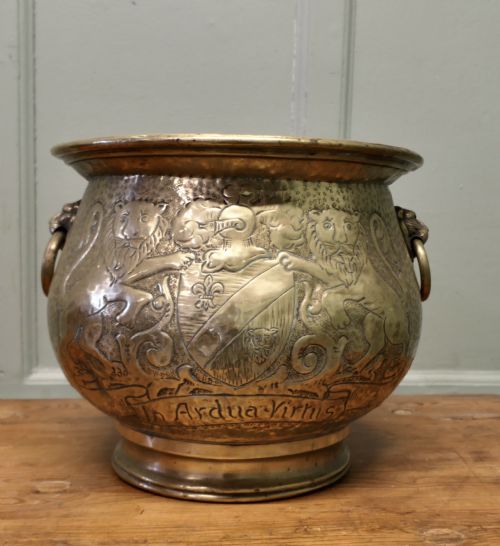
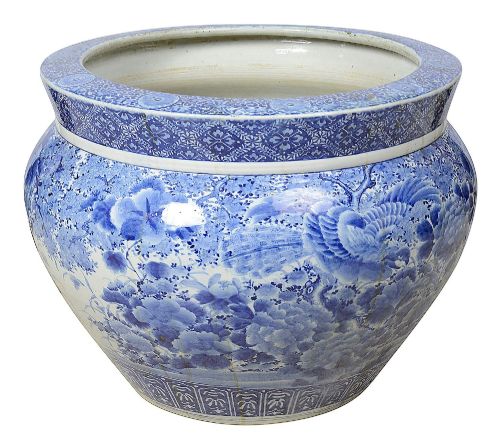
A large jardiniere provides a generous receptacle for interior foliage or patio plants, combining practical horticulture with decorative form. The pieces gathered here span from the nineteenth century into the early twentieth century, originating across British, European and Asian workshops.
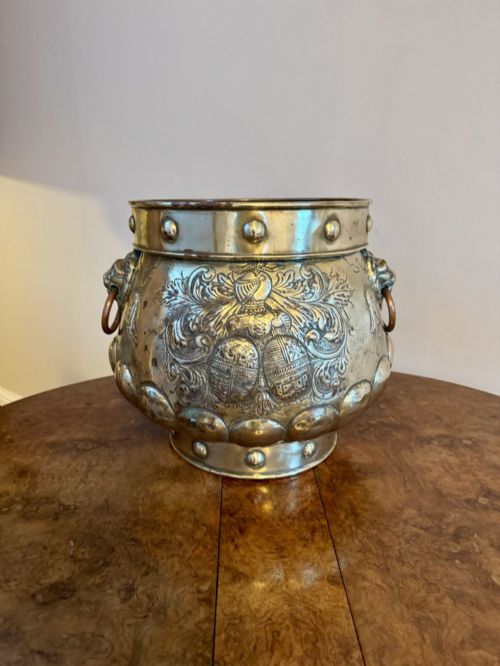
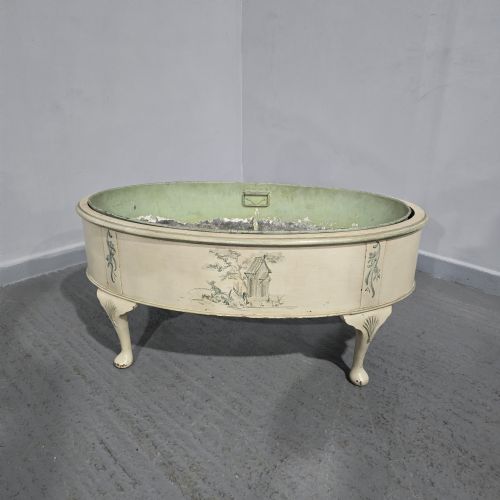
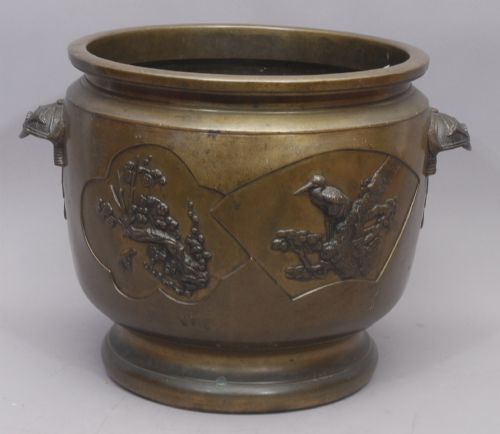
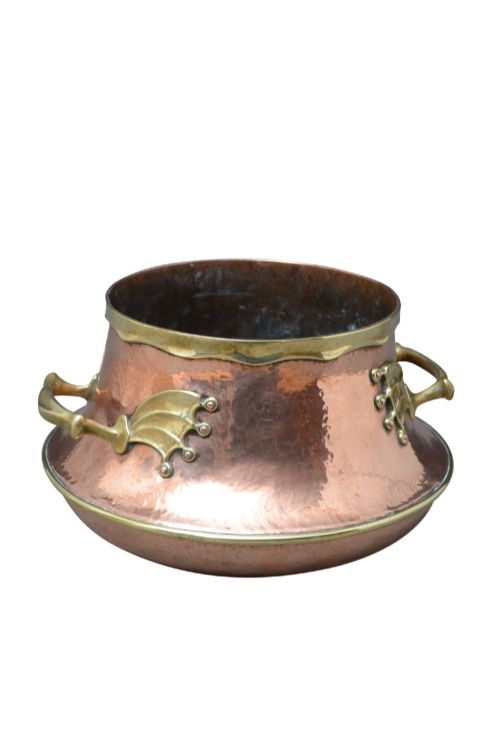
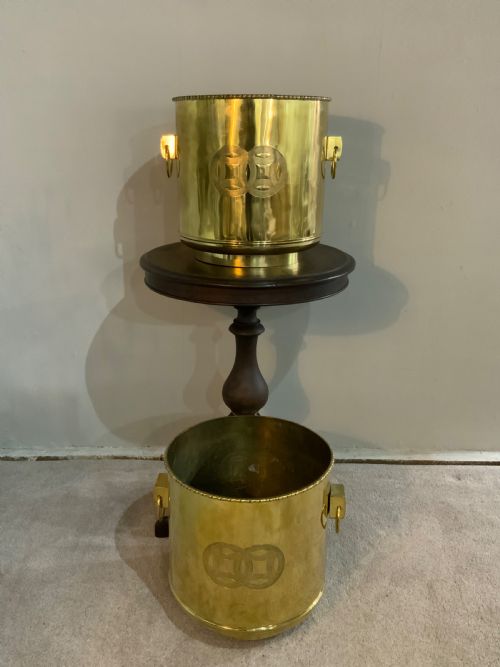
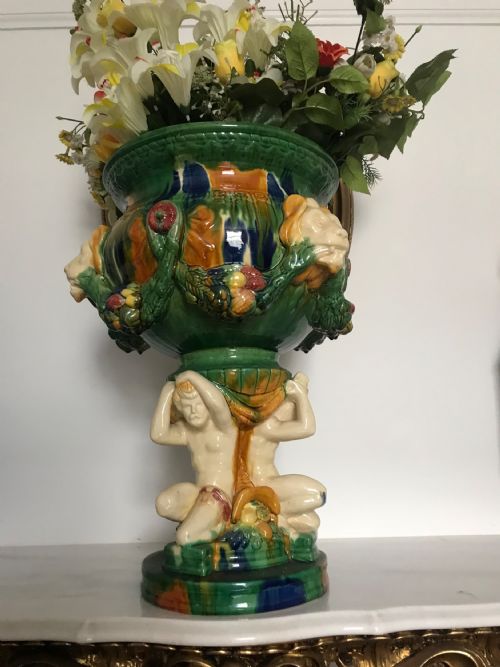
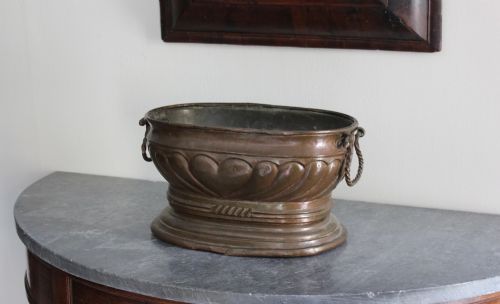
Most examples you encounter on this page take the form of heavy brass, copper, bronze or ceramic vessels intended to rest on the floor or upon dedicated stands. Forms range from classical garden urns and Chinese fish bowls to beaten metal log bins and majolica cachepots.
How they were made
Makers utilised heavy metals like brass, copper and bronze through beating, casting and riveting, frequently employing hand-engraving or champlevé enamel to pattern the exterior surfaces. Wooden vessels relied on coopered stave construction with turned teak or walnut, whilst ceramic and porcelain pieces were thrown, glazed and fired before receiving hand-painted decoration.
Many metal planters incorporated zinc linings to protect the outer structure from moisture, whilst earthenware versions often sat upon matching ceramic or carved hardwood stands to elevate the composition.
Large Jardiniere Retail Price Guide 2026
Typical asking prices for large jardiniere among the pieces listed under this phrase on Sellingantiques today, from the lower quarter to the upper quarter. They describe what is for sale here now, not the wider market.
Several heavy metal vessels on this page began life holding glowing peat embers before finding a second career supporting parlour ferns.
What varies in quality
The distinction between ordinary utility items and exceptional pieces rests in the crispness of the casting, the depth of hand-chasing, and the integrity of the original joins. Superior metal vessels display substantial gauge material that maintains its rigidity under weight, whereas finer ceramics exhibit precise glaze control and balanced proportions across the body and stand.
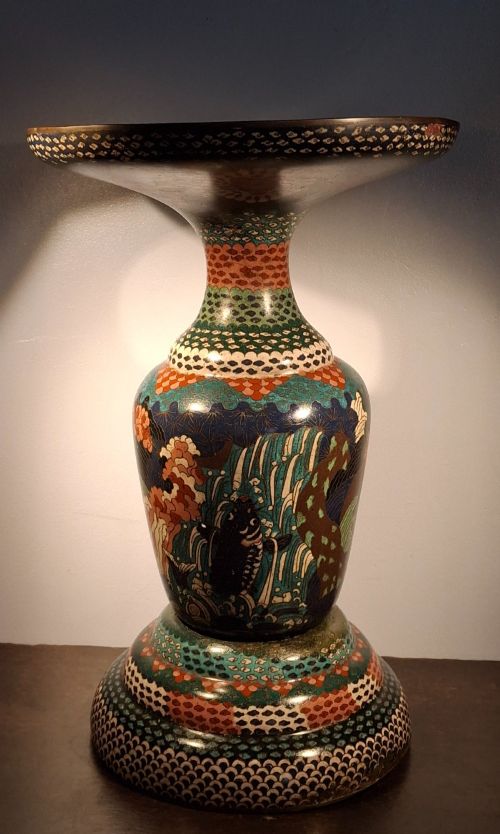
Artistic ambition also separates the range, evident in the complexity of cloisonné enamel work, the sculptural detail of figural majolica bases, or the thoughtful harmony between a planter and its accompanying wooden stand.
Royal Worcester·Minton
The Large Jardiniere Glossary
- Jardiniere
- An ornamental pot or stand for holding plants or flowers. They originate from the French word for gardener and typically sit on floors or low tables.
- Cloisonne
- A decorative metalwork technique where enamel is applied within compartments created by soldered wire strips. This method produces vibrant, multi-coloured patterns across bronze and copper vessels.
- Majolica
- A type of earthenware coated with an opaque tin-glaze and painted with brightly coloured metal oxides. It achieved great popularity during the Victorian era for bold, sculptural planters.
- Hibachi
- A traditional Japanese heating device featuring a wide, open bowl shape. In Western decorative contexts, these heavy bronze pieces frequently serve as large plant containers.
- Coopered
- Constructed from wooden staves bound together with metal hoops, much like a traditional barrel. This technique ensures watertight integrity in wooden planters and wine coolers.
Large Jardiniere: Frequently Asked Questions
How were large jardinieres used historically?
Historically, these vessels stood in grand reception rooms, orangeries and halls to house substantial potted palms and ferns. They protected fine furniture from water damage while bringing living greenery indoors.
In domestic settings, smaller versions sat on dedicated wooden or ceramic stands, whilst massive copper and brass examples doubled as log bins or wine coolers for entertaining.
Can I plant directly into a vintage jardiniere?
Planting directly into antique metal or unlined wooden vessels risks corrosion and moisture damage over time. It is generally advisable to use a plastic nursery pot inside the jardiniere.
Ceramic and glazed earthenware pieces tolerate direct planting better, provided they possess a drainage hole, though placing a saucer inside remains a safe precaution for interior surfaces.
How do I clean and maintain a brass jardiniere?
Maintenance depends entirely on the finish you prefer to keep on the metal. Regular dusting with a soft, dry cloth prevents grime accumulation on antique brass and copper surfaces.
Avoid abrasive chemical polishes that strip away historical patina. Many collectors prefer to leave the natural oxidation undisturbed as a sign of age.
How do I date a nineteenth-century ceramic planter?
Dating relies on examining the ceramic body, glaze characteristics and any factory marks stamped or painted on the base. Victorian and Edwardian pieces often display registration numbers or maker ciphers.
Stylistic cues such as the vibrant colours of majolica or the organic asymmetry of later Art Nouveau motifs also help narrow the decade of production.