


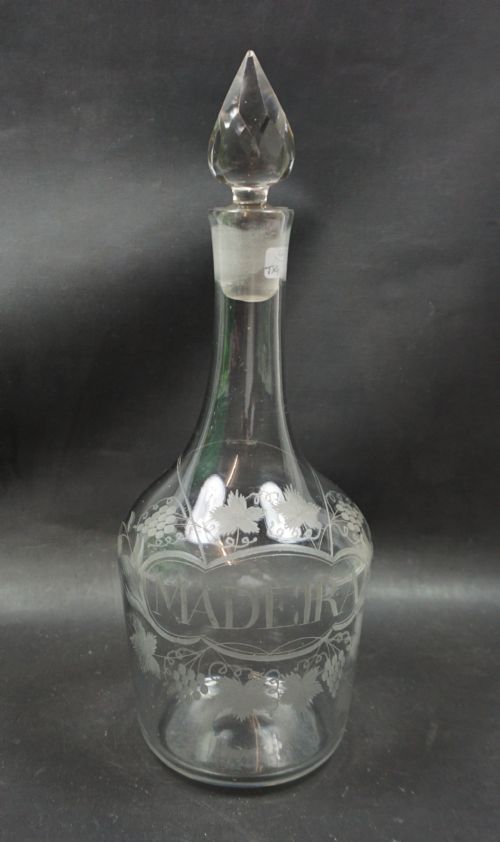


Large Glass Carafe
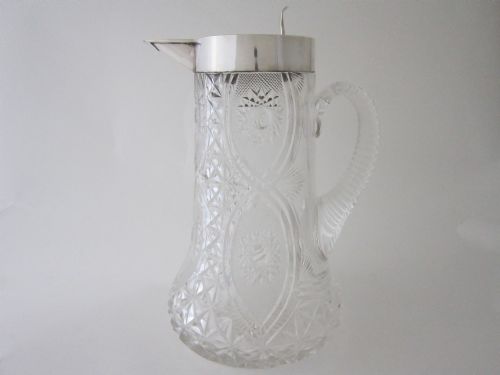
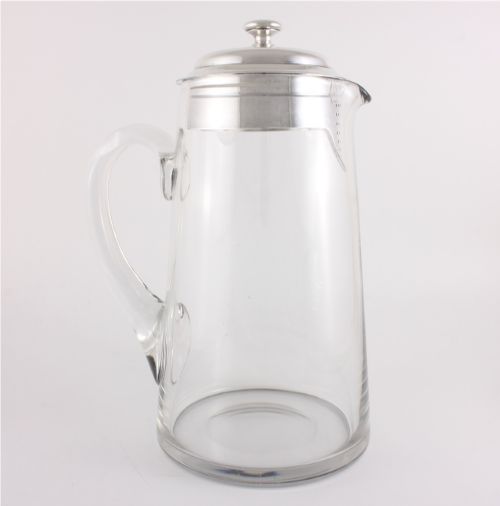
These large glass carafe pieces combine heavy crystal and silver mounts for service at the table.
Large Glass Carafe
When you search for a large glass carafe, you find vessels designed for serving wine, water, and spirits across several centuries. The examples here span Georgian, Victorian, Edwardian, and mid-century periods, appearing as decanters, claret jugs, and water pitchers.
The most common forms on this page are substantial Victorian and Edwardian jugs and decanters. These functional vessels frequently incorporate precious metal mounts alongside blown and cut glass bodies.
Materials and construction
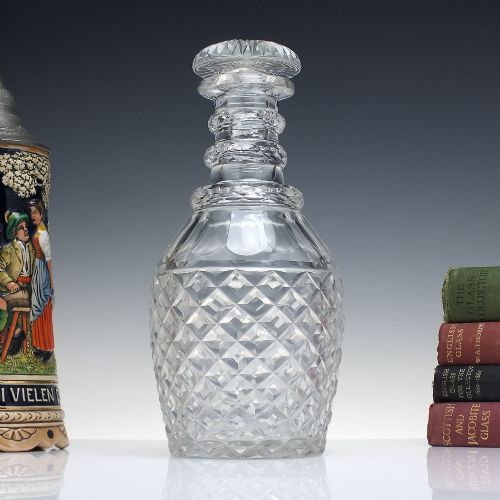
The bodies utilise heavy lead glass and crystal, often shaped by blowing into moulds or free-blowing before undergoing deep wheel-cutting. Makers then added applied handles, engraved decoration such as fruiting vines or wine labels, and gilded rims.
Mounts and hardware employ sterling silver, silver plate, and gold leaf. Silversmiths fitted hinged lids, collars, and handle mounts directly to the glass necks, securing them with cork or mechanical collars.
Large Glass Carafe Retail Price Guide 2026
Typical asking prices for large glass carafe among the pieces listed under this phrase on Sellingantiques today, from the lower quarter to the upper quarter. They describe what is for sale here now, not the wider market.
Listings span Georgian, Victorian, Edwardian, and mid-century eras, utilising materials from lead crystal to sterling silver.
Judging quality
Quality rests upon the clarity and weight of the glass, alongside the precision of the hand-cut facets and wheel-engraving. Crisp, deep cutting catches the light sharply, whilst finer crystal exhibits greater resonance and transparency.
The metalwork further distinguishes the tier of a piece, where hallmarked sterling silver mounts by known makers demonstrate superior craftsmanship compared to standard silver plate.
William Comyns·Christofle
The Large Glass Carafe Glossary
- Cut glass
- Glass decorated by holding it against a rotating wheel to cut geometric or floral patterns into the surface. This technique creates deep refractions and a textured grip.
- Claret jug
- A specialised pouring vessel specifically designed for serving red wine at the dining table. They frequently feature elaborate silver mounts and hinged lids.
- Overshot glass
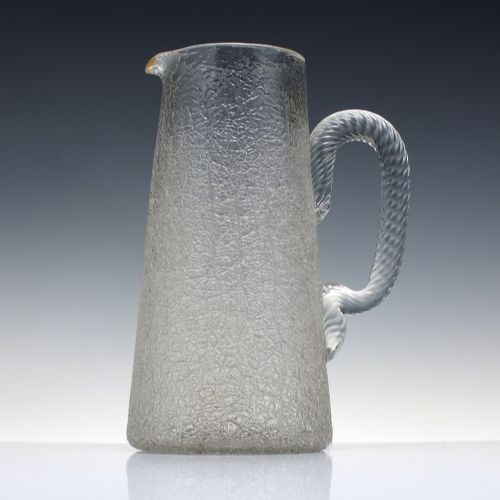
- A technique where fine threads of molten glass are trailed across the surface of a blown vessel to create a textured, fibrous finish. It produces a distinctive tactile quality.
- Sterling silver
- An alloy of silver containing ninety-two point five percent pure silver and seven point five percent other metals, typically copper. It provides durability for functional mounts and handles.
Large Glass Carafe: Frequently Asked Questions
What is a large glass carafe used for?
These vessels primarily served to hold and pour wine, water, or spirits at the dining table. Their generous proportions allowed beverages to breathe before pouring.
Today, they function as both decorative display objects and practical servers for formal dining and entertaining.
How do I date a glass carafe?
Dating relies on examining the style of the cut glass patterns, the shape of the vessel, and any accompanying metal mounts. Hallmarks on silver collars provide exact years for the hardware.
Pontil marks on the base and the specific tint or weight of the glass also indicate the period of manufacture.
Are silver mounts marked?
Many silver mounts bear British hallmarker stamps or maker's marks that indicate the assay office and year of production. These stamps appear on the collar or handle.
French pieces and plated wares often use manufacturer stamps instead of official precious metal hallmarks.
How should I clean antique glass?
Wash glass pieces gently by hand using warm water and mild detergent, avoiding sudden temperature changes that can crack old crystal. A soft brush helps clean narrow necks.
Polish silver mounts separately with a dedicated cloth to keep the metal from tarnishing the glass.