


Large Giltwood Oil Painting
A large giltwood oil painting commands a room with deep canvases and heavy, carved frames.
Large Giltwood Oil Painting
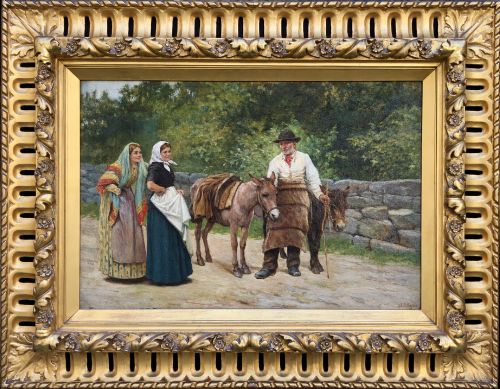
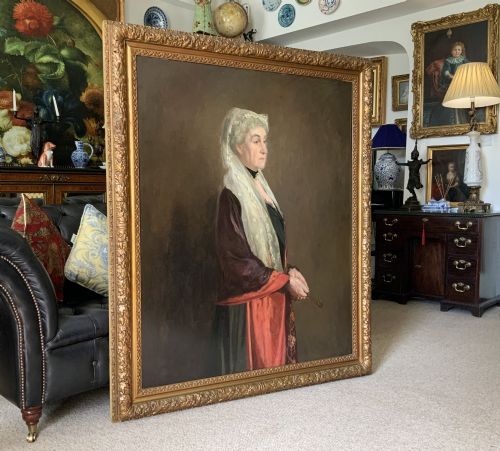
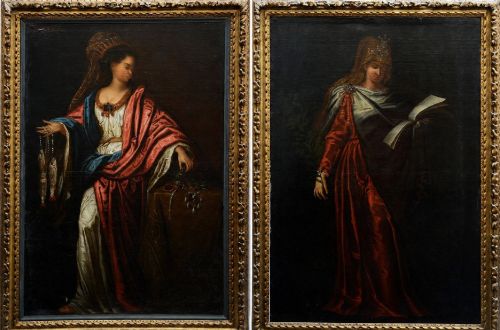
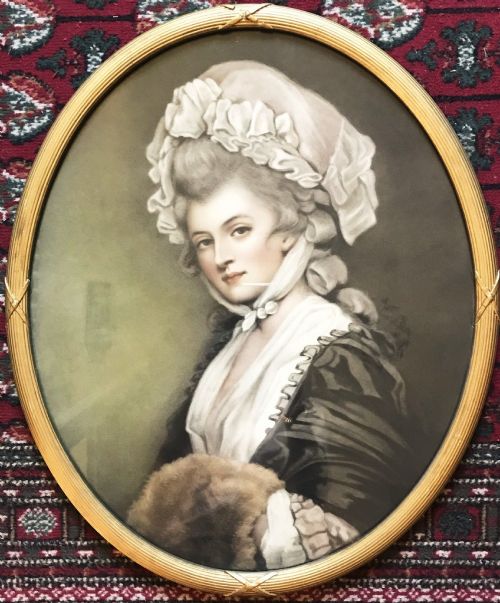
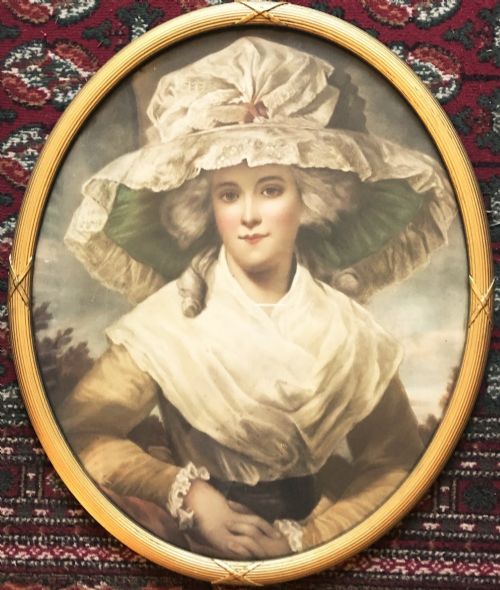
A large giltwood oil painting brings together substantial canvas work and ornate wooden framing finished in gold leaf. You encounter pieces spanning the eighteenth and nineteenth centuries, including Victorian and Edwardian works alongside French school examples.
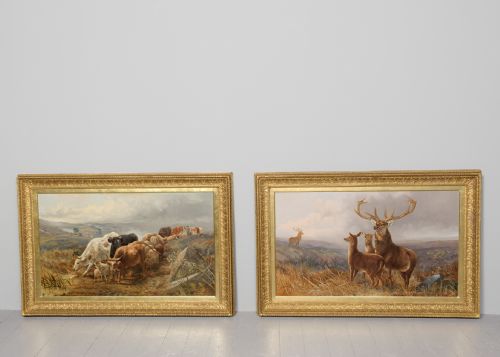
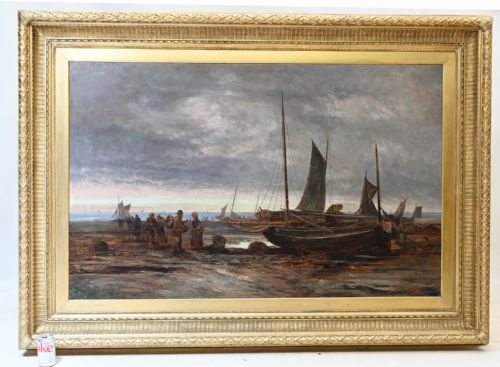
The subjects on this page range from maritime scenes and Highland landscapes to animal portraits and grand portraiture. Many items present significant scale, filling wall spaces in country houses and period interiors.
What varies in quality
The depth and clarity of the brushwork separate standard decorative canvases from accomplished artistic output. Handling of light, proportion, and subject detail dictate the artistic standing of each oil painting.
Frame construction also determines standard, with deep relief carving and intact gesso holding more presence than simpler mouldings. The preservation of the original gilt surface remains central to the integrity of the piece.
Several animals populate these canvases, from Highland cattle and sheep to dogs and a single observant lamb.
Robert Cleminson·Thomas Sidney Cooper·George Morland·Joseph Farquharson·Tom Seymour·Sidney Yates Johnson·George Henry Knight·Harry Pennell·Robert Edward Morrison·Arthur Pond
The Large Giltwood Oil Painting Glossary
- Giltwood
- Wood that has been coated with gold leaf or gold paint. This finish creates a luminous metallic border around the canvas.
- Gesso
- A plaster mixture used as a base for moulding and gilding on wooden frames. It provides a smooth surface for applying gold leaf.
- Oil on Canvas
- Pigment mixed with drying oil applied to stretched woven fabric. This medium allows for rich colour blending and lasting durability.
- Trumeau Mirror
- A wall mirror incorporating a painted panel or artwork above the glass plate. These decorative fixtures often feature painted and gilt wood surrounds.
- Victorian
- Pertaining to the reign of Queen Victoria, spanning the nineteenth century. Pieces from this era show diverse landscape and portrait subjects.
Large Giltwood Oil Painting: Frequently Asked Questions
How do I hang a heavy framed painting?
Heavy giltwood frames require robust wall fixings secured directly into masonry or solid wooden studs.
Professional mirror and picture hanging hooks distribute the substantial weight safely across the wall structure.
Where should I place a large painting?
These works suit principal reception rooms, hallways, or above large fireplaces where their scale commands attention.
Avoid positioning canvases in direct sunlight to protect the oil pigments and gilt surfaces from fading.
How do I clean a giltwood frame?
Dust the carved wooden surfaces gently using a soft, dry brush without applying moisture.
Water and cleaning solutions can damage the delicate gesso and gold leaf layers beneath.
How do I identify the period of a frame?
Frame styles often align with the date of the canvas, showing Georgian restraint or Victorian exuberance.
Examination of the underlying gesso, corner joins, and wood type reveals the construction era.