
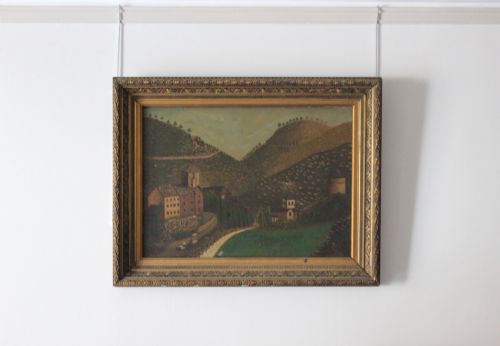
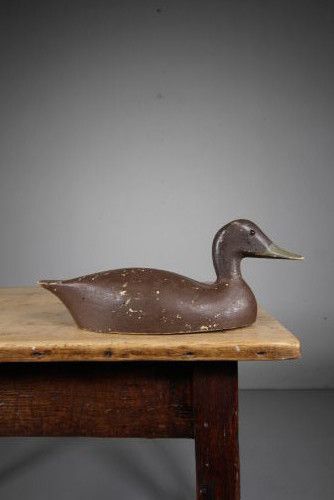
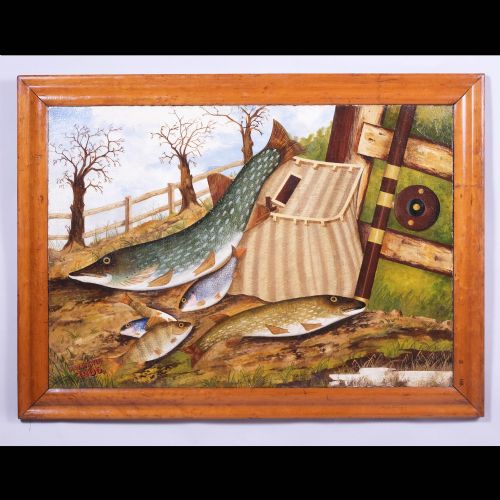
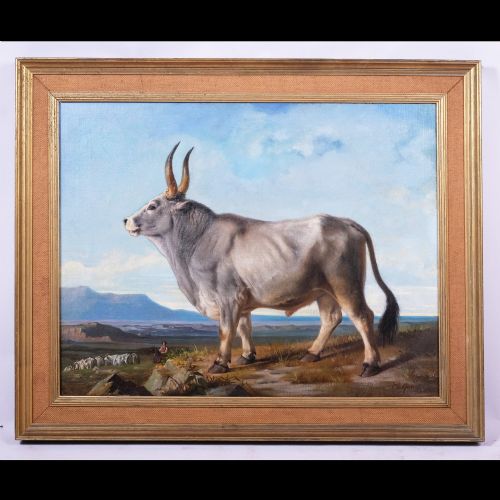
Country House Art Painting
Country house art painting encompasses traditional oils and watercolours capturing domestic interiors, sporting scenes, and estate animals from the nineteenth and early twentieth centuries.
Country House Art Painting
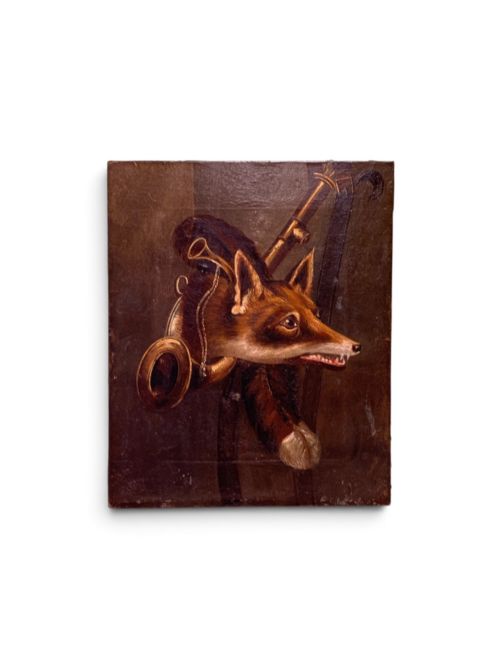
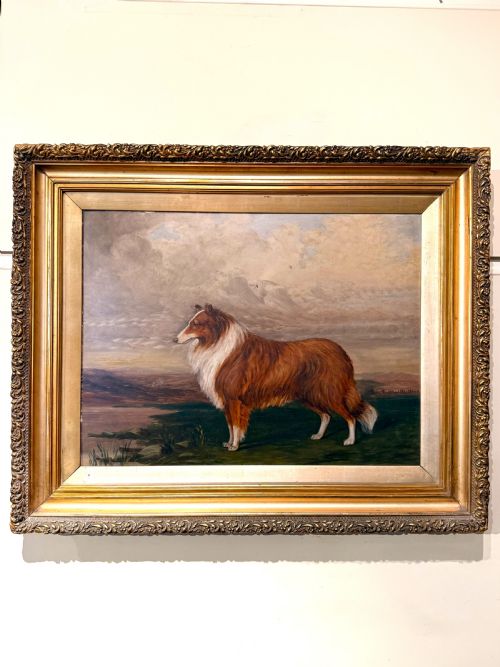
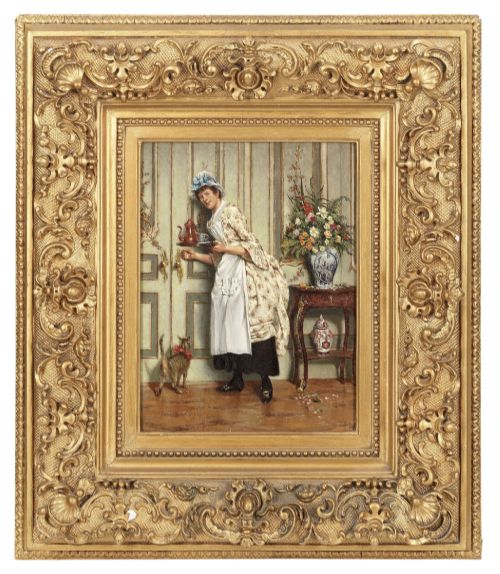
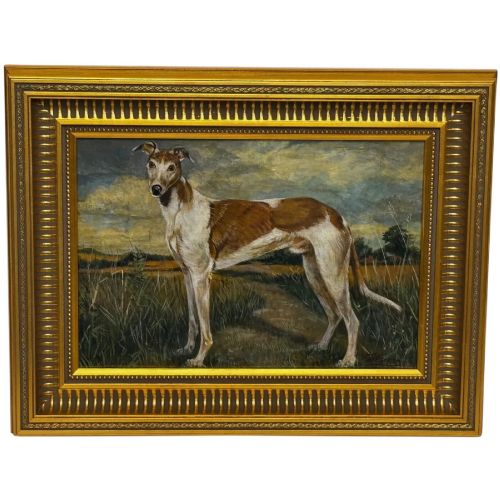
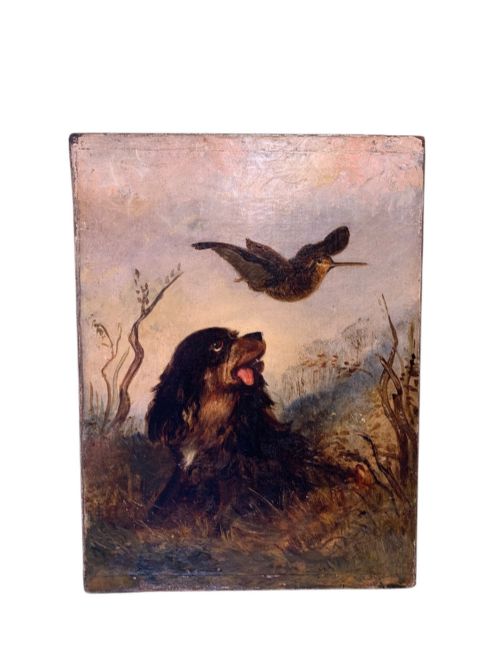
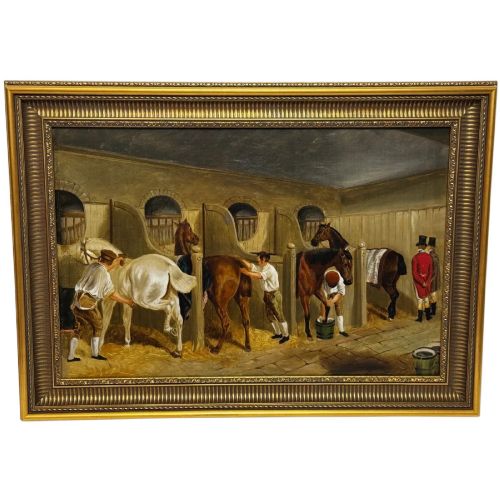
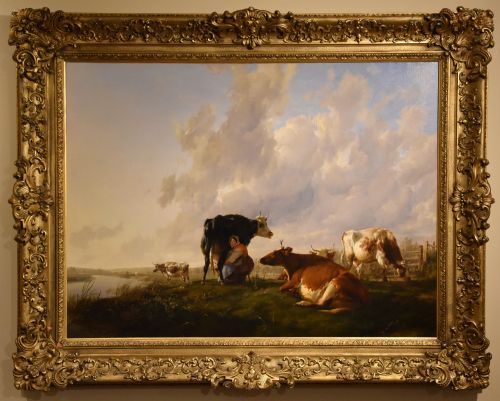
When you search for country house art painting, you encounter a selection of works focused largely on rural life, sporting animals, livestock, and domestic interiors. The pieces span the nineteenth century, the Victorian period, and into the mid-twentieth century, reflecting the tastes of landed estates.
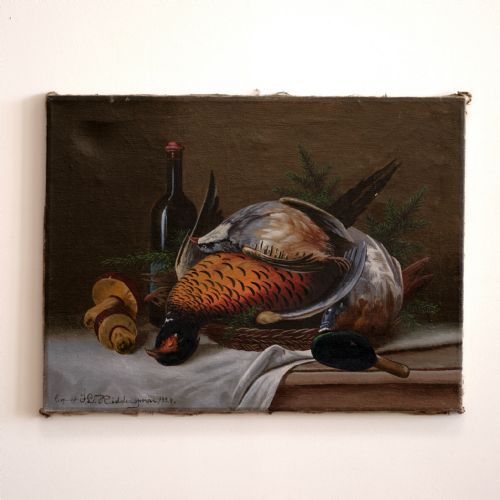
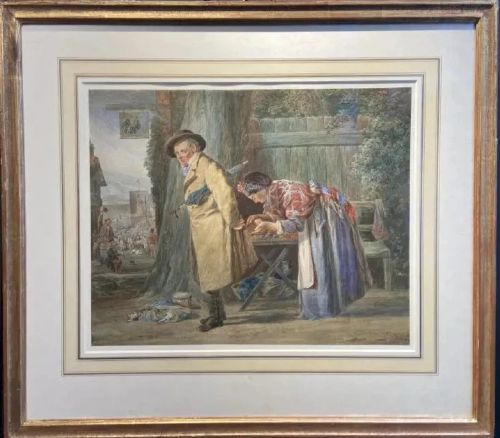
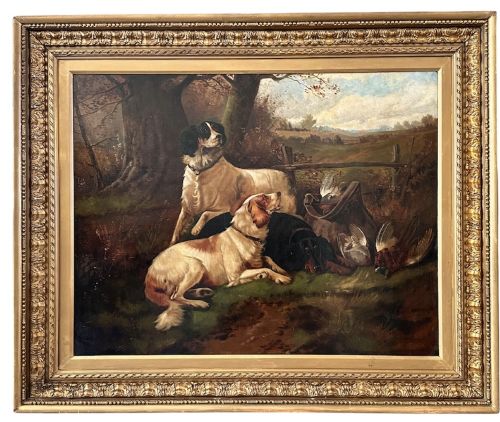
You meet oil paintings on canvas and board alongside watercolours, pastels, and gouache. Subjects range from gun dogs and racehorses to farm animals, game birds, and quiet interior room scenes.
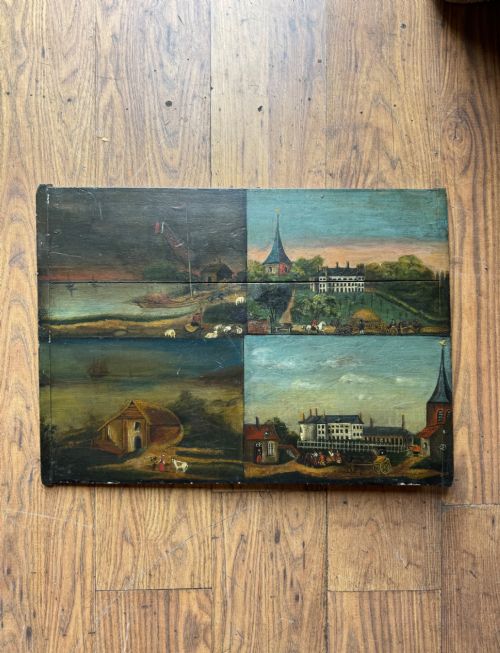
The selection includes naive provincial works, signed academic portraits, and framed decorative pieces. These items originate from British and European schools, capturing the history and character of rural properties.
How they were made
Artists painted primarily in oil on canvas or wooden panel, applying pigment to build rich textures for animal coats, fabrics, and pastoral landscapes. Watercolours and pastels on paper also appear, often finished with delicate washes or layered marks.
Frames play a significant role in the construction of these works, frequently utilising gesso and gold leaf over carved wood to create ornate giltwood settings that suited period drawing rooms.
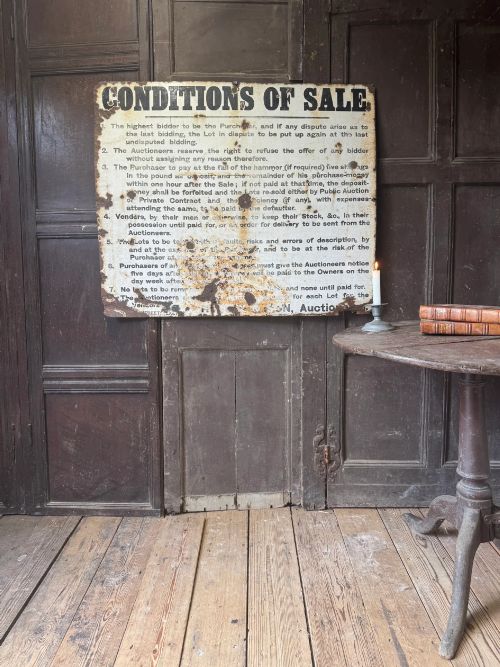
Decoy ducks and auctioneer signboards sit alongside oil portraits of prized racehorses and haughty hounds.
What varies in quality
The skill of the brushwork and the accuracy of anatomical rendering separate mass-produced decorative works from fine artist-signed canvases. Master painters capture the exact light on a horse's flank or the textures of fur and plumage with confident precision.
The preservation of the original surface and the quality of the surrounding giltwood frame influence the overall integrity of the piece. Works that retain their untouched stretcher bars and unlined canvas demonstrate higher archival preservation.
Stephen Samuel Lewin·Thomas Sidney Cooper·Joseph H Barnes·John Sargent Noble·Carl Whitfield·George Rankin·Johann Friedrich Voltz·C R Breytle·John Alfred Wheeler·John Frederick Herring Snr·Claude Cardon·Joseph Knight·A M Gauci·Benjamin Blake·Edgar Woollatt·John Arthur Lomax
The Country House Art Painting Glossary
- Giltwood
- Wood that has been coated with a thin layer of gold leaf or gold paint. This technique was standard for traditional picture frames intended for formal drawing rooms.
- Gesso
- A plaster-like mixture applied to wood frames as a base for gilding. It provides a smooth surface that can be moulded into decorative relief patterns.
- Naive art
- Artwork created by an artist without formal academic training, often characterised by flat perspectives and charming proportions. These pieces offer an honest view of provincial life.
- Provenance
- The documented history of ownership of an artwork. A clear record helps establish authenticity and connects the piece to its original estate.
- Stretcher
- The wooden frame upon which a canvas is stretched taut. Original stretchers assist in dating the painting accurately.
Country House Art Painting: Frequently Asked Questions
What subjects appear in these paintings?
The works primarily feature sporting dogs, racehorses, farm animals, game birds, and rural landscapes.
Interior scenes and estate life also form a core part of the subject matter recorded in these canvases.
How do I date a painting?
Dating relies on stylistic clues, canvas stamps, stretcher construction, and artist signatures.
Costume details in portraits and the style of the giltwood frame provide further chronological indicators.
Are these paintings supplied framed?
Many pieces retain their period frames, which are often made of giltwood and gesso.
These frames complement the age and origin of the artwork, though styles range from simple wood mouldings to ornate carvings.
Where were these pieces displayed?
Such artworks traditionally hung in the reception rooms, libraries, and hallways of country estates.
They celebrated the estate's livestock, hunting pursuits, and rural surroundings.