


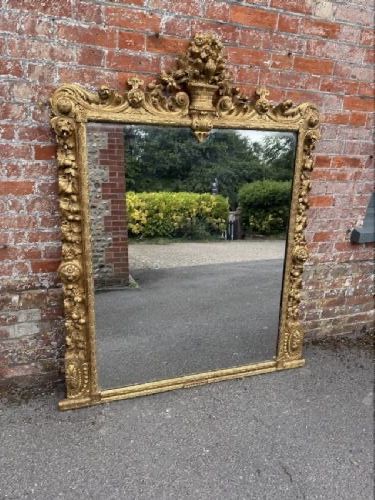
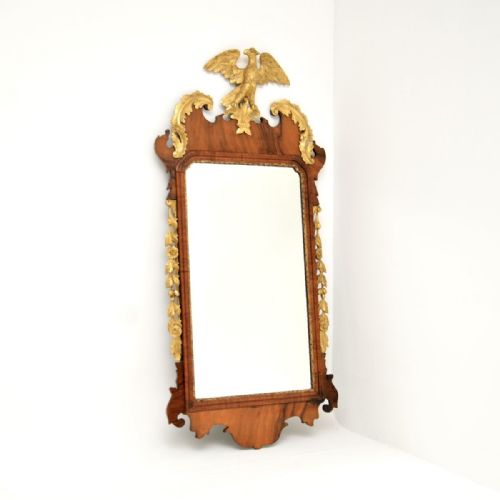
Large Gilded Wood Mirror
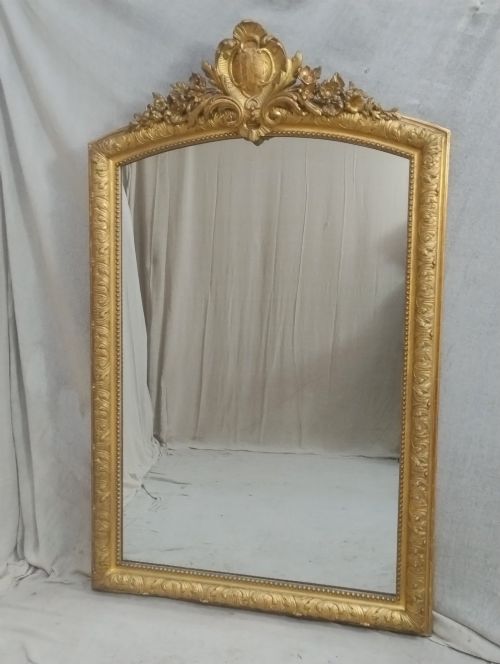
A large gilded wood mirror commands a room, bringing light, scale and a distinct sense of period grandeur to domestic interiors.
Large Gilded Wood Mirror
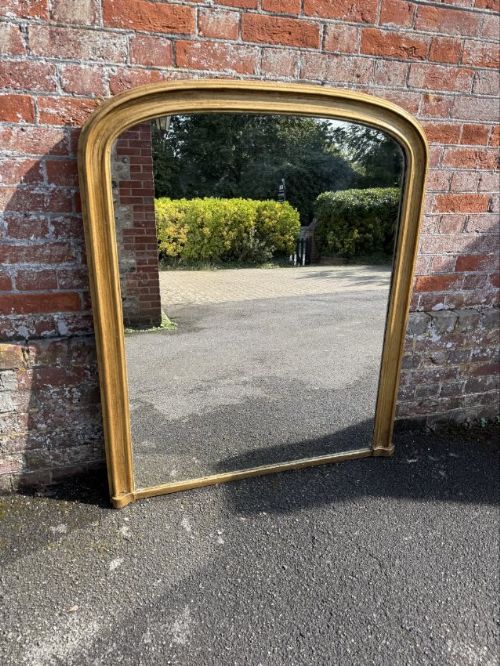
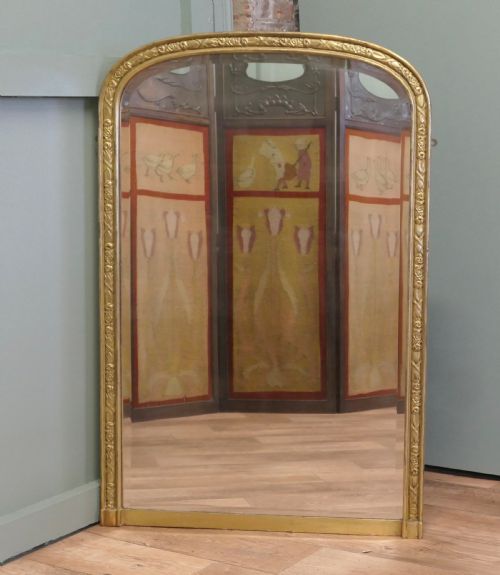
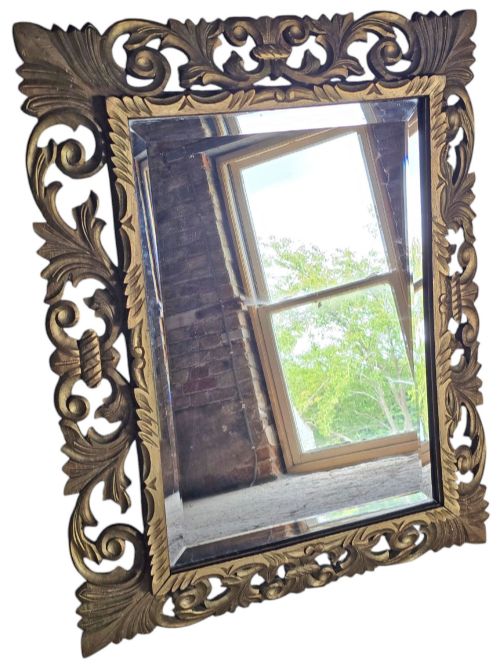
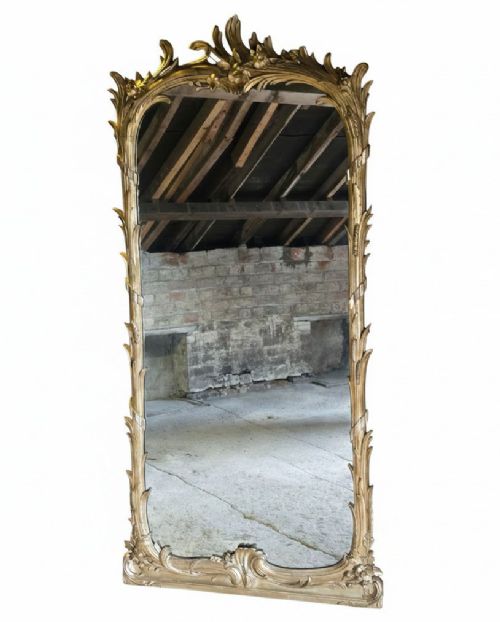
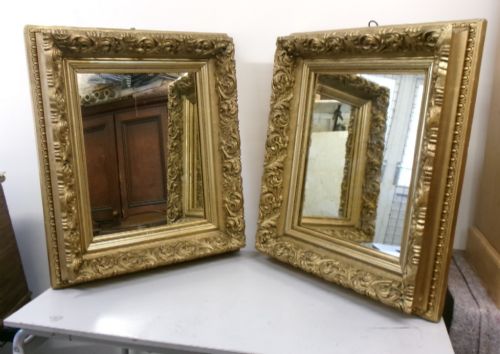
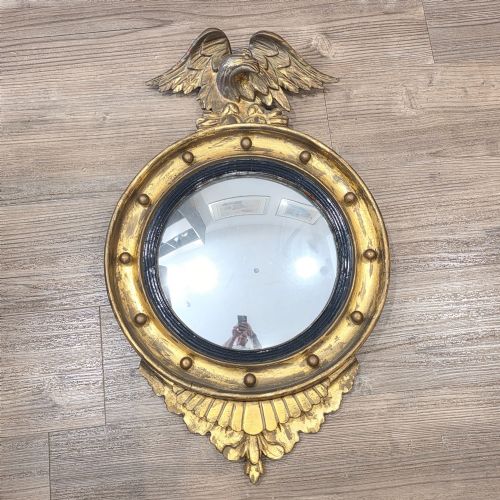
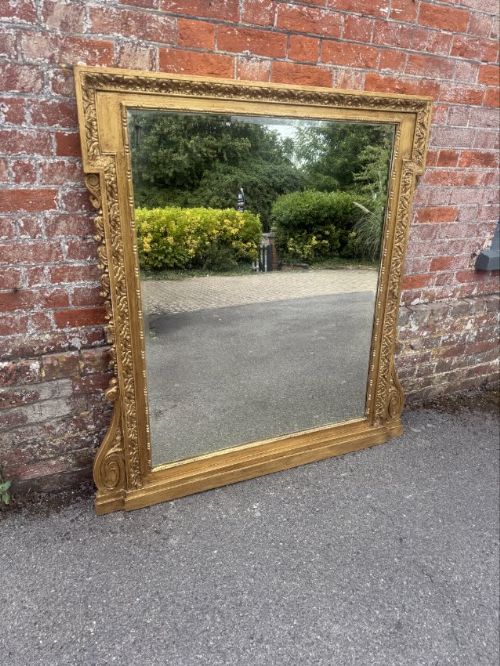
A large gilded wood mirror serves principally as a functional wall piece or an overmantel focal point above a fireplace. The pieces gathered here predominantly originate from the nineteenth century, encompassing English, French, and Italian workshops.
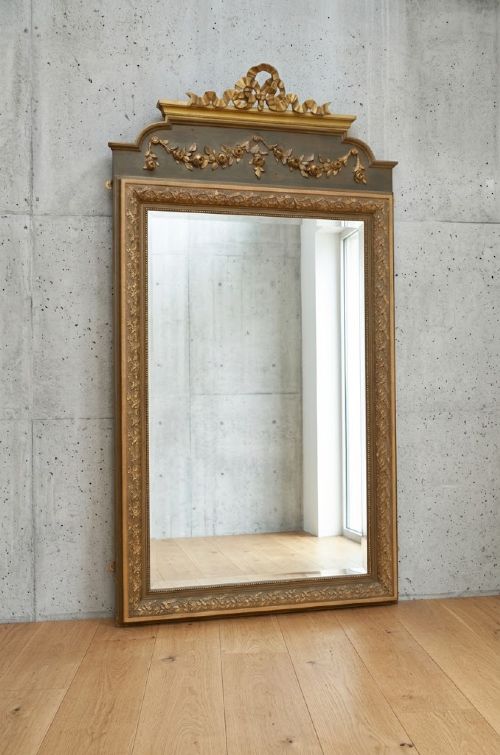
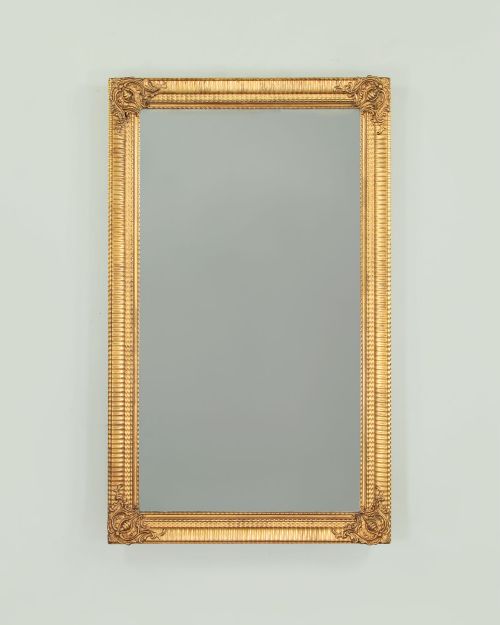
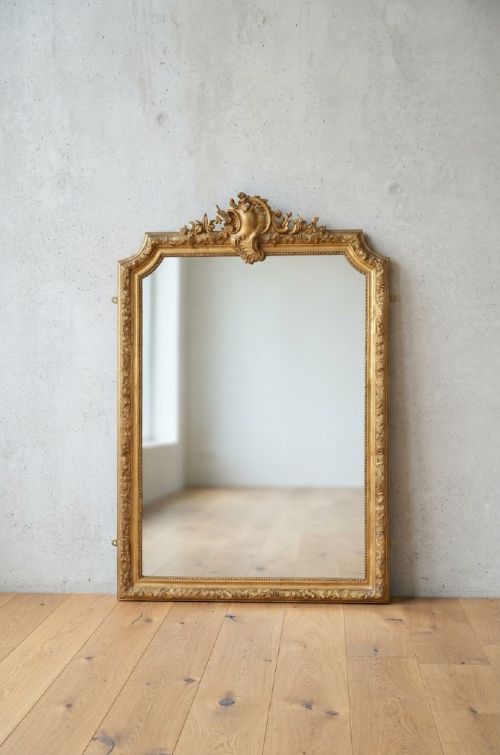
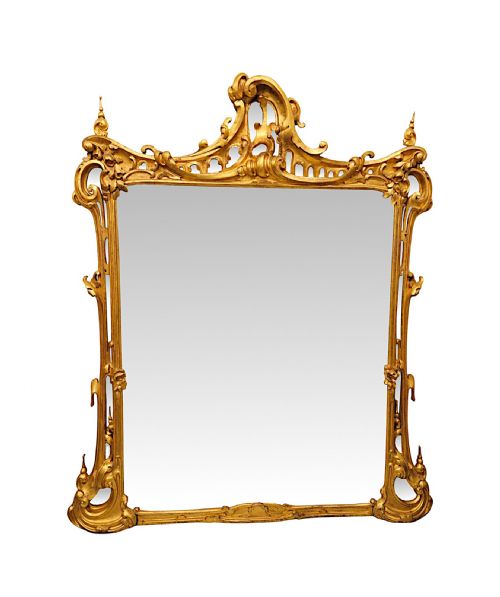
Overmantel mirrors dominate the selections, alongside tall wall mirrors, pier glass mirrors, and full-length leaner formats. Stylistic influences range from Rococo Revival and Louis Philippe to Florentine, Regency, and Chinese Chippendale.
Makers fashioned these substantial frames for principal reception rooms and formal drawing rooms. Buyers encounter arched tops, rectangular proportions, and elaborate crestings designed to reflect natural light across large spaces.
Materials and Technique
Craftsmen built the core structures from carved wood, utilising timber bases that received layers of gesso to build up intricate surface details. Artisans then applied gold leaf or gilt finishes over the prepared ground.
Mirror glass plates, sometimes taking the form of mercury glass or triple plate configurations, were set within the carved wooden framework. Composition ornament was also applied alongside hand-carved elements to achieve ornate relief decoration.
Listings feature eighteenth, nineteenth, and early twentieth-century pieces, spanning Georgian, Victorian, and Belle Époque periods.
Evaluating Craftsmanship
Quality rests in the depth and sharpness of the hand-carved wood details versus standard moulded composition work. Crisp definition in the gesso and the preservation of original gold leaf distinguish superior examples from later refinished items.
The integrity of the structural joinery and the survival of the original mirror glass plate contribute significantly to a piece's standing. Frames retaining their original gilding without heavy modern intervention display greater authenticity.
Nosotti
The Large Gilded Wood Mirror Glossary
- Gesso
- A plaster-like mixture applied to a wooden base to create a smooth surface for gilding. Artisans carved intricate relief decorations directly into this dried material.
- Giltwood
- Timber that has been coated with gold leaf or a gold-coloured metallic finish. It forms the primary visual identity of these frames.
- Overmantel
- A large mirror specifically proportioned to hang on the wall directly above a fireplace mantelpiece. These pieces frequently feature horizontal orientations or arched tops.
- Pier glass
- A tall, narrow mirror traditionally hung on the pier, the solid section of wall space situated between two windows. They often paired with console tables.
- Mercury glass
- Older mirror glass produced using a silver-mercury amalgam backing technique. This process creates a characteristic mottled appearance and softer reflection over time.
Large Gilded Wood Mirror: Frequently Asked Questions
How do I hang a heavy mirror?
Large framed mirrors require professional wall anchoring directly into masonry or substantial timber studs. Weight distribution across a reinforced batten or heavy-duty brackets ensures structural safety.
Positioning the piece at the correct height prevents strain on the wall fixings while maximising the reflection of light and interior space.
What is an overmantel mirror?
An overmantel mirror is specifically designed to sit on the wall directly above a fireplace opening. These frames are usually wider than they are tall or feature distinct arched tops to complement architectural proportions.
Historically, they anchored the decorative scheme of a nineteenth-century drawing room by uniting the fireplace with the rest of the interior elevation.
How do I clean giltwood frames?
Giltwood surfaces require gentle dusting with a soft, dry brush to remove accumulated particles without disturbing the delicate gold leaf layer. Moisture and chemical cleaning agents must be avoided entirely.
Harsh wiping can strip away the historical gilding and expose the underlying gesso or timber base, permanently altering the surface appearance.
How do I date a gilt mirror?
Dating relies on examining the construction methods of the wooden frame, the composition of the gesso, and the style of the carving. Nineteenth-century pieces often display characteristic Rococo Revival or Louis Philippe motifs.
Inspect the reverse of the frame for original timber patination, old fixings, and the characteristics of the mirror plate itself to confirm the period.