

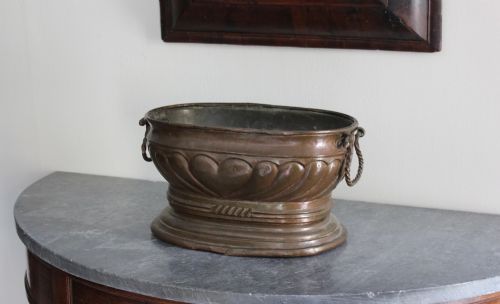
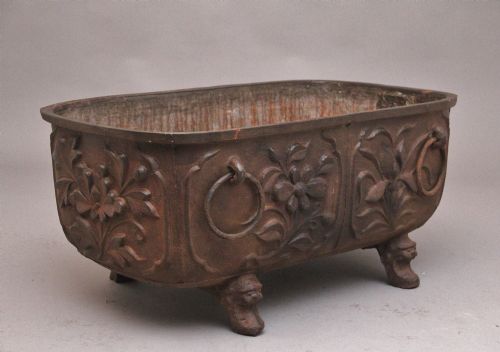


Large Garden Trough
A large garden trough is a heavy vessel for outdoor planting, chosen for its imposing scale and weathering.
Large Garden Trough
When you search for a large garden trough, you are looking for substantial vessels designed to hold earth and plants in an outdoor setting. The pieces on this page span several centuries, featuring utilitarian forms alongside decorative urns and garden planters.
The most common examples you will meet here include cast iron planters, copper vessels, and stone troughs originating from the nineteenth and eighteenth centuries. These items serve both practical gardening functions and architectural landscaping roles.
Materials and construction
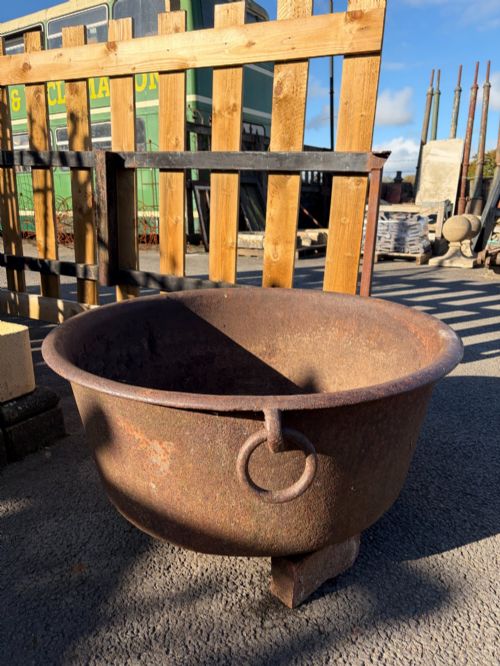
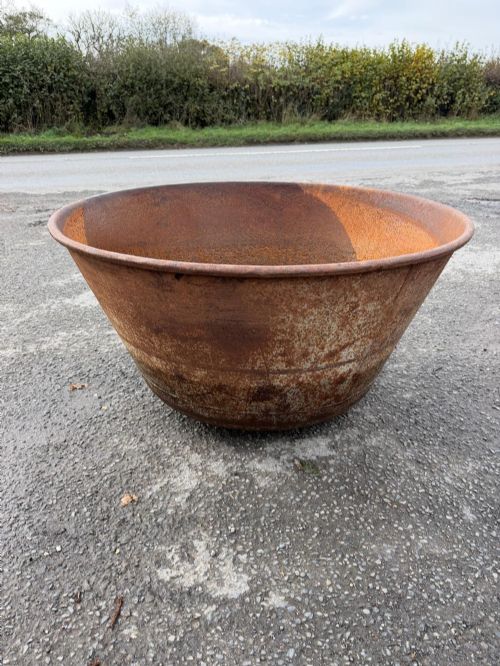
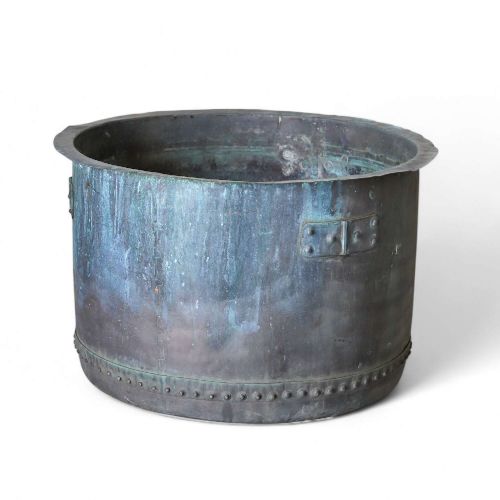
Metals form the backbone of these pieces, utilising cast iron, hand-riveted copper, zinc, and steel shaped through founding and sheet metalworking. Iron and steel pieces rely on heavy casting and riveting to achieve structural integrity for holding soil and water.
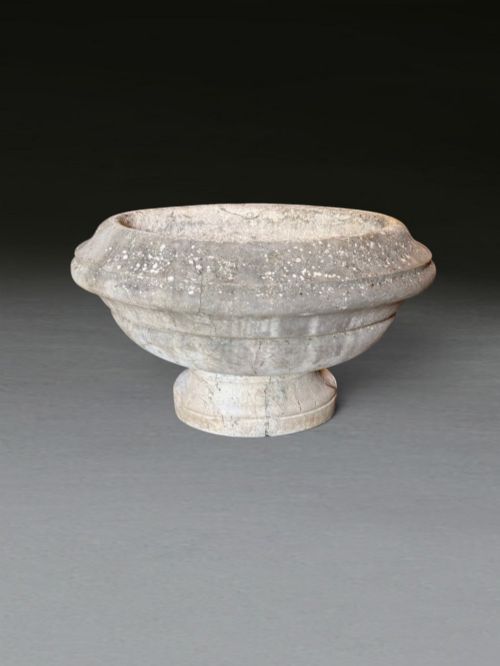
Stone variants utilise composite stone and sandstone, carved or moulded into robust shapes that weather naturally outdoors. Zinc and galvanized tin rely on soldered or folded seams to create watertight vessels.
Large Garden Trough Retail Price Guide 2026
Typical asking prices for large garden trough among the pieces listed under this phrase on Sellingantiques today, from the lower quarter to the upper quarter. They describe what is for sale here now, not the wider market.
Listings feature items spanning the eighteenth, nineteenth, and twentieth centuries, constructed from iron, copper, zinc, and sandstone.
Factors of quality
Quality in a large garden trough lies in the integrity of the material and the authenticity of its surface weathering. Pieces that retain their original structural thickness and natural patina stand apart from those with excessive corrosion or modern repairs.
The sophistication of the casting or the hand-riveting technique dictates the refinement of the piece. Crisp detail in ironwork and careful hand-beating in copper separate standard utilitarian items from finer examples.
The Large Garden Trough Glossary
- Patina
- The surface alteration and oxidation acquired by metal or stone over decades of exposure to the elements. This oxidation layer protects the underlying material while showing age.
- Jardiniere
- An ornamental pot or stand for holding plants or flowers, typically designed for display within gardens or conservatories. These often feature decorative moulding.
- Pancheon
- A large, wide earthenware or metal vessel traditionally used for domestic tasks such as milk setting, now utilised as a garden planter. Their shallow, broad profile suits planting schemes.
- Composite stone
- A manufactured material made from a mixture of cement, sand, and stone aggregates moulded into architectural forms. It mimics natural quarried stone.
- Riveted
- Joined together using metal bolts or pins hammered flat to secure overlapping plates of copper or steel. This method creates strong, visible seams on industrial vessels.
Large Garden Trough: Frequently Asked Questions
Can I leave iron troughs outside in winter?
Cast iron and heavy metal troughs tolerate cold weather well, but trapped freezing water can crack stone or cast vessels. Ensure drainage holes remain clear before winter sets in.
Elevating troughs slightly on pot feet prevents moisture from freezing underneath and splitting the base.
How do I clean an old copper planter?
Old copper develops a stable oxidation layer that protects the metal and provides its characteristic tone. Washing gently with warm water and mild soap removes surface dirt without stripping this history.
Avoid abrasive scouring pads or harsh chemical cleaners, as these destroy the natural finish.
Are zinc tubs watertight for planting?
Zinc and galvanized tubs were originally designed to hold liquids for laundry or baths, so many retain their watertight seals. You can drill drainage holes in the base if your planting scheme requires water to escape.
Adding a layer of gravel at the bottom improves drainage for plants that dislike sitting in stagnant water.
How heavy are stone and iron troughs?
These vessels are exceptionally heavy due to the density of stone and thick-walled metal castings. Moving them requires multiple people or mechanical assistance once positioned in the garden.
Decide on the final location before filling them with soil, as they become nearly impossible to shift afterwards.