




Large Garden Pot
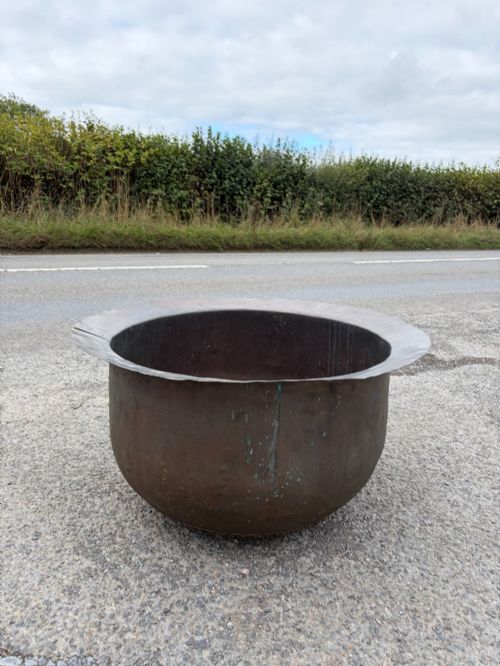
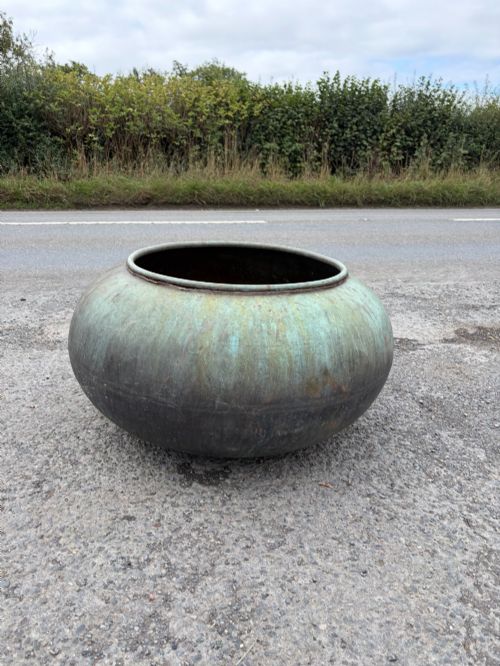
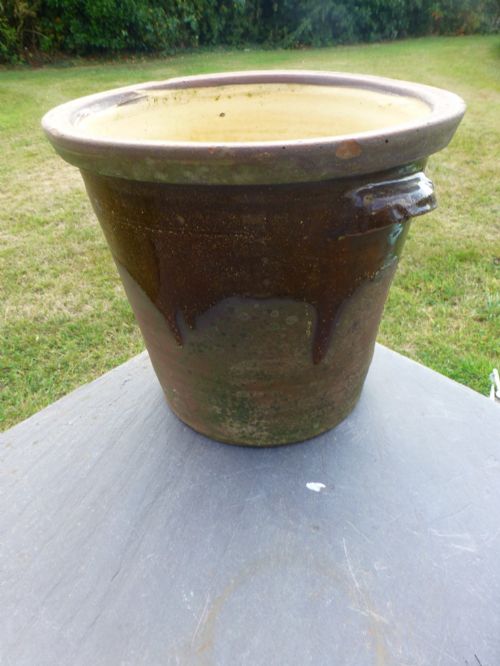
A large garden pot anchors an outdoor space with scale and presence, bringing texture through weathered terracotta, iron and copper.
Large Garden Pot
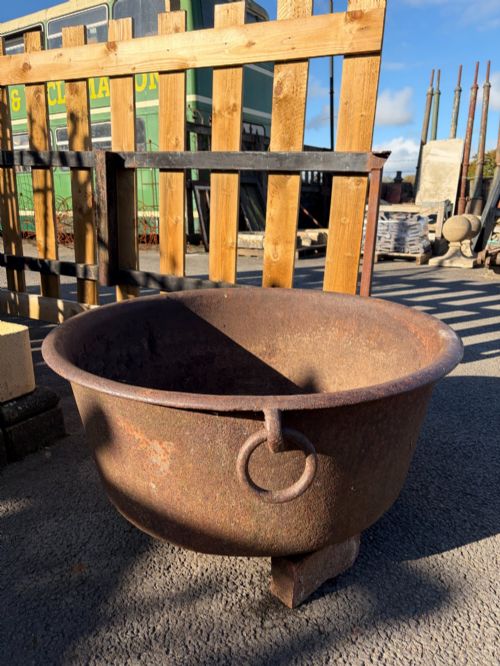
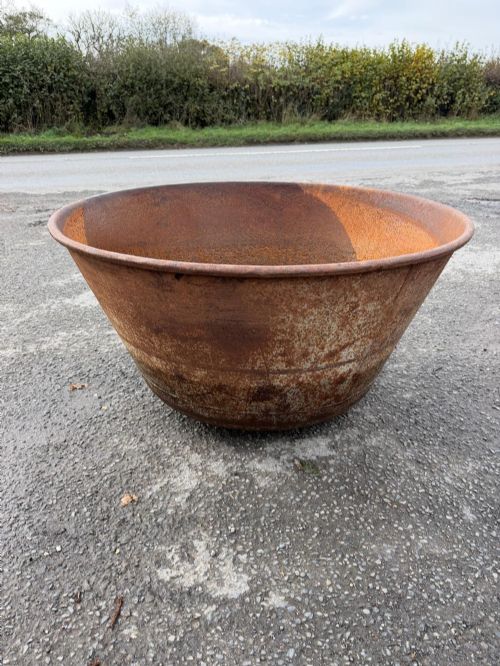
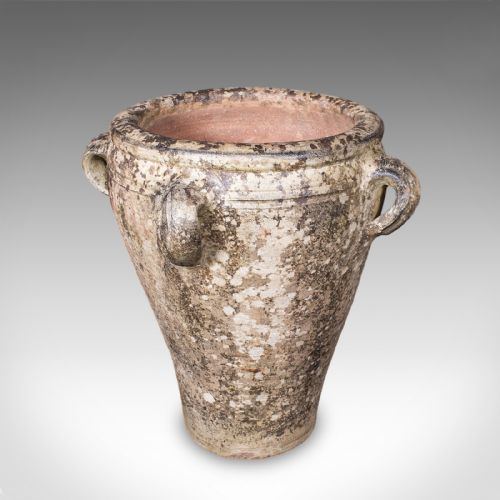
A large garden pot provides structural weight in planting schemes, serving as a focal point on patios, in courtyards or beside entranceways. When searching for a large garden pot, buyers encounter robust vessels built to withstand the elements while developing character over decades. Terracotta amphorae, glazed jars and cast iron urns dominate the selection, bringing historical utility into contemporary planting designs.
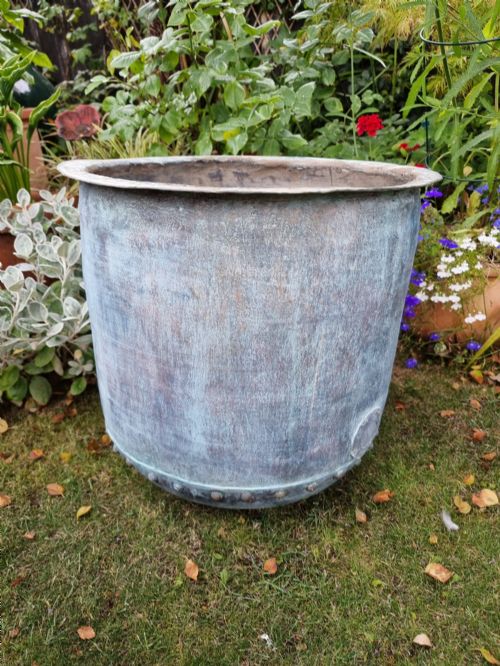
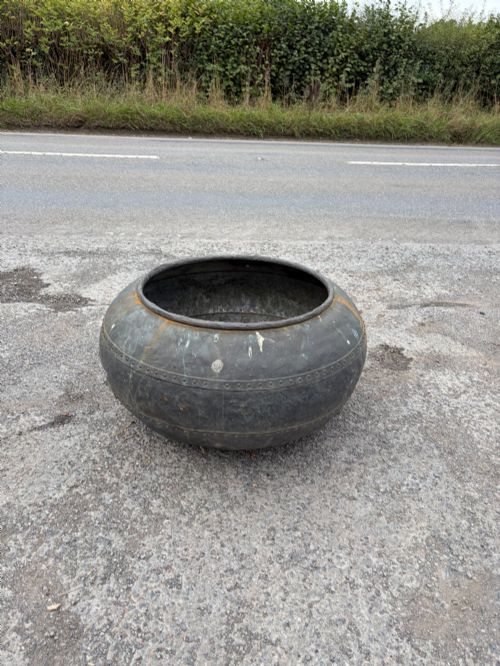
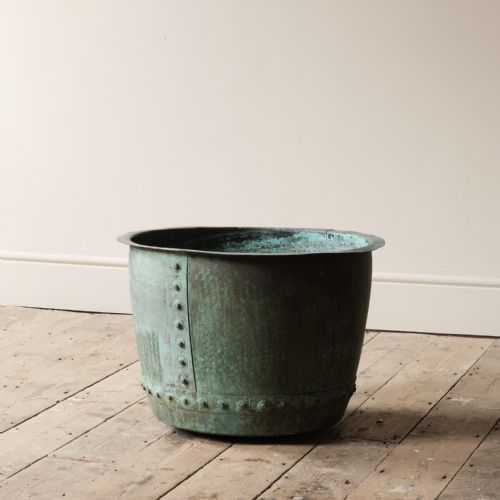
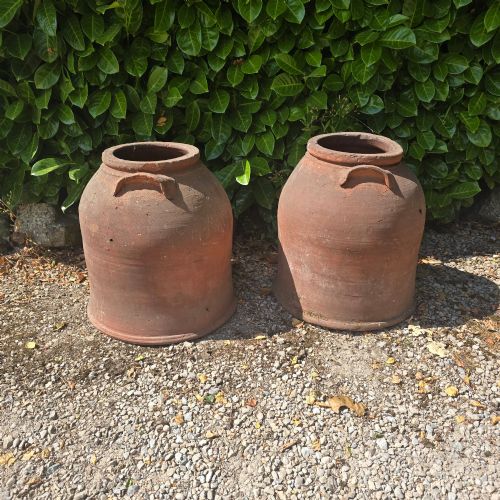
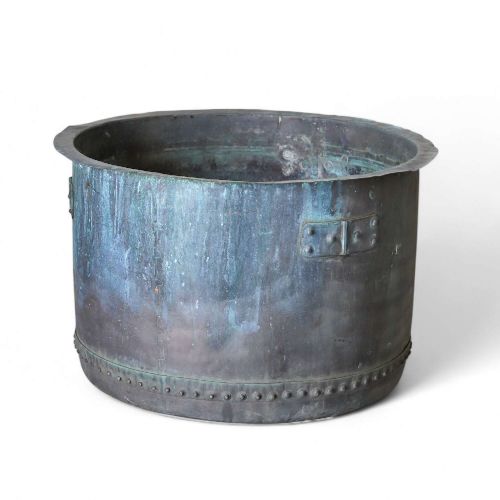
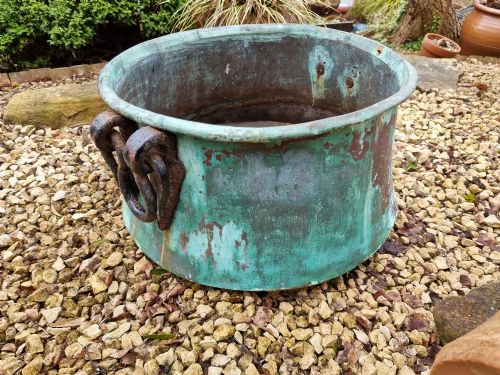
Nineteenth century examples form the backbone of the selection, spanning classical Italian urns, French Biot jars and English terracotta planters. Form follows utility across these pieces, moving from traditional olive jars and rhubarb forcers to deep copper cauldrons repurposed for garden display. Each object carries the marks of its working past, whether through weathered clay surfaces or hand-riveted metal seams.
How they were made
Terracotta and earthenware vessels were shaped from regional clays, thrown or coiled by hand, and fired in traditional kilns to create porous bodies suitable for root health. Many containers display the natural variations of open-air firing, with surface tones shifting from pale buff to deep reddish orange. Glazed variants received lead or salt finishes to seal the interior clay against moisture absorption.
Metal planters rely on contrasting techniques of casting and hand-forging. Iron urns and planters were cast in foundry moulds, yielding crisp relief details and heavy structural walls. Copper pots and cauldrons were beaten from sheet metal, joined with hand-driven rivets, and fitted with wrought iron handles for lifting.
Large Garden Pot Retail Price Guide 2026
Typical asking prices for large garden pot among the pieces listed under this phrase on Sellingantiques today, from the lower quarter to the upper quarter. They describe what is for sale here now, not the wider market.
Listings feature garden vessels fashioned from terracotta, copper, cast iron and zinc across the nineteenth and early twentieth centuries.
What varies in quality
Quality rests in the harmony between proportion, material integrity and the natural accumulation of surface patina. Superior terracotta exhibits a dense, even body that rings true when struck, resisting frost expansion through proper initial firing temperatures. Lesser clay bodies show excessive surface crumbling or structural delamination beyond normal weathering.
For metal vessels, the weight of the gauge and the integrity of the riveted or cast joints dictate the standard. Finer copper pots retain structural rigidity around the rim and base despite centuries of oxidation, while superior cast iron pieces maintain sharp decorative moulding without excessive pitting or corrosion eating through the wall thickness.
The Large Garden Pot Glossary
- Terracotta
- Fired clay ranging from orange to brown, widely used for horticultural vessels due to its porous nature. This permeability allows air and moisture to reach plant roots.
- Verdigris
- The green patina formed on copper, brass or bronze through atmospheric oxidation over long periods. It provides a protective layer and a characteristic visual hue.
- Biot jar
- A traditional heavy terracotta storage jar originating from the French village of Biot. These vessels often feature distinctive button seals and aged earthy surfaces.
- Rhubarb forcer
- A specialised ceramic vessel placed over rhubarb crowns to exclude light and encourage early, tender stems. They typically feature a removable lid at the top.
Large Garden Pot: Frequently Asked Questions
Can I leave terracotta outdoors in winter?
Most high-fired terracotta handles frost well if the pot has adequate drainage holes and is raised off the ground on pot feet. This prevents trapped water from freezing and cracking the clay body.
Earthenware with higher porosity absorbs more moisture and benefits from being moved under shelter or emptied during freezing periods.
How do I clean an old copper pot?
Old copper pots look best when preserved with their natural verdigris and dark oxidation intact, as aggressive polishing strips away centuries of character. Simply wash the surface gently with warm water and a soft brush to remove accumulated dirt.
Avoid chemical metal cleaners unless you specifically prefer a bright, polished copper finish rather than an antique aesthetic.
What were olive jars used for?
Olive jars served as heavy transport and storage vessels for oil, wine and preserved foods across Mediterranean trade routes. Their large capacity and thick walls kept contents cool during transit.
Today, these jars function as striking decorative garden accents when placed on stone bases or nestled among planting beds.
How do I tell an old cast iron urn from a modern copy?
Period cast iron displays heavier weight, softer casting seams, and layers of old paint or stable rust that indicate prolonged exposure to the elements. Modern reproductions often feel lighter and show uniform machine finishing.
Examine the underside and interior for traditional casting marks and the deep, uneven pitting that develops over a century of outdoor use.