





Large Garden Figures
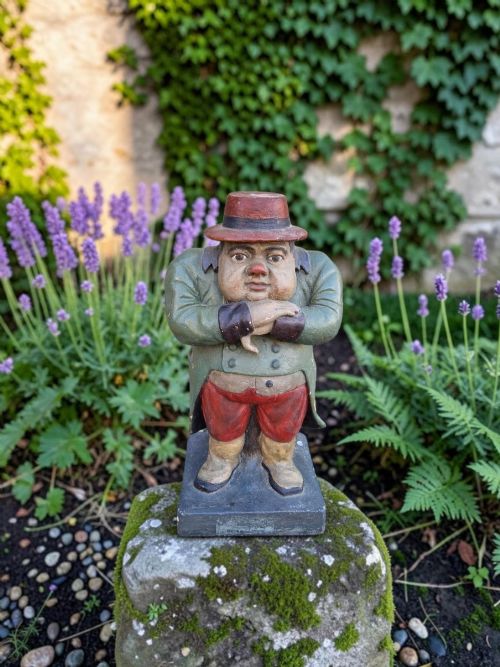
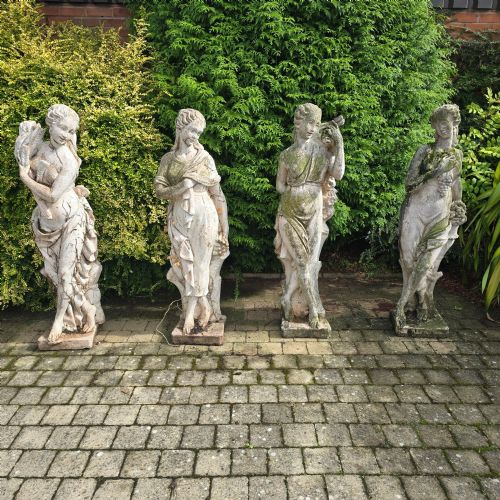
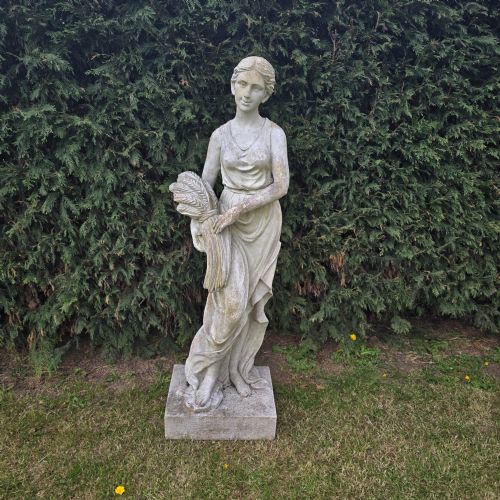
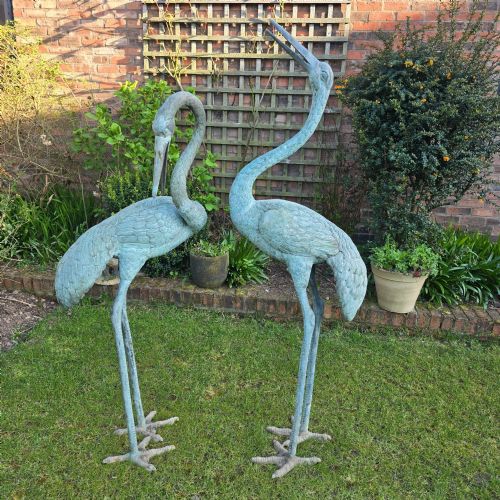
Large garden figures bring stone ladies, bronze dragons and terracotta lions into the open air to anchor a lawn or terrace.
Large Garden Figures
Large garden figures span heavy stone statuary, terracotta beasts and bronze ornaments designed to stand out in an open landscape. When you search for large garden figures, you meet classical ladies, mythical beasts and seasonal allegories.
The pieces on this page draw from Victorian times up through the mid twentieth century. You find figures rooted in classical revival and traditional garden styles, alongside Japanese bronzes and German figures.
Forms range from stone gnomes and cherubs to life sized figures of summer and carved marble sculptures. Many pieces stand upon their original plinths or appear in matched pairs.
How they were made
Makers shaped these pieces using reconstituted, cast and composite stone, alongside traditional terracotta and carved white marble. Metal work appears in patinated bronze and cast iron.
Surfaces often show applied paint or natural patination built up through weather exposure over decades. Stonework is frequently cast in moulds or carved directly from solid blocks.
Large Garden Figures Retail Price Guide 2026
Typical asking prices for large garden figures among the pieces listed under this phrase on Sellingantiques today, from the lower quarter to the upper quarter. They describe what is for sale here now, not the wider market.
Materials span reconstituted stone, terracotta, white marble and patinated bronze.
What varies in quality
Quality rests in the crispness of the modelling, whether in the drape of a stone garment or the cast detail of a bronze dragon. Softer definition in moulded stone often points to secondary production runs.
The choice of material dictates longevity and presence, with solid carved marble and patinated bronze holding sharper detail than composite stone over time. Surface weathering adds character when it arises from genuine age rather than artificial distress.
The Large Garden Figures Glossary
- Reconstituted stone
- A durable material made from crushed stone or aggregate mixed with a binder to allow moulding into complex classical forms.
- Terracotta
- Fired unglazed clay that assumes warm earthen tones and develops a porous surface capable of absorbing moisture outdoors.
- Okimono
- A Japanese decorative object or sculpture meant for display, often cast in bronze with intricate surface detailing.
- Plinth
- A heavy base or pedestal that elevates a garden statue above ground level to give the figure greater prominence.
Large Garden Figures: Frequently Asked Questions
Can these figures stay outside all winter?
Most stone, terracotta and bronze pieces withstand outdoor placement year round because their heavy materials are built for the elements. Porous terracotta and certain composite stones benefit from shelter during severe frost to prevent cracking.
Positioning them on plinths also keeps the base clear of standing water and winter dampness.
How do I clean a weathered stone statue?
Gentle washing with water and a soft brush removes dirt and organic growth without stripping away the desirable surface patination. Avoid pressure washers and harsh chemical cleaners that can pit soft stone and wash away centuries of age.
Allowing lichen and moss to remain is common practice because it enhances the appearance of garden ornaments.
What is the difference between cast stone and marble?
Cast stone is formed by pouring an aggregate mixture into a mould, which creates a textured surface often seen on garden statues and urns. Solid marble is hand carved from a single block, offering finer grain and sharper detail.
Marble figures tend to appear in sheltered conservatory settings or formal garden alcoves rather than exposed lawns.
How do I secure a heavy garden figure?
Large stone and bronze pieces rely on their substantial weight to remain stable on flat ground or dedicated plinths. For taller statues or figures in windy areas, hidden dowels or mortar provide extra stability.
Checking that the base sits level on firm earth prevents shifting as the ground settles through the seasons.