



Large French Bed
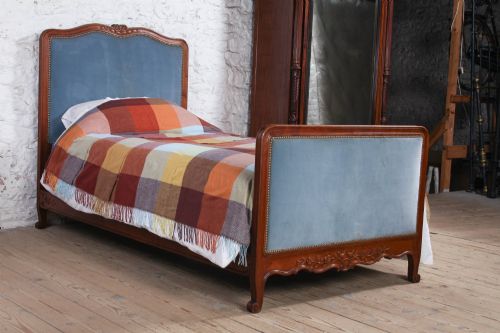
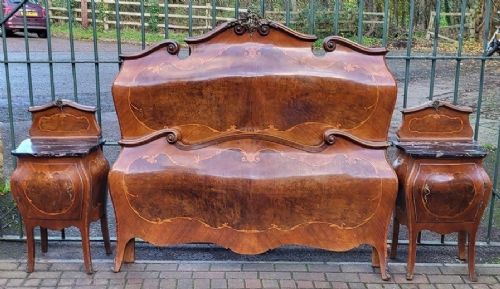
These large french bed examples bring substantial continental presence and grand scale to a bedroom, offering distinct period character through carved timbers and upholstered details.
Large French Bed
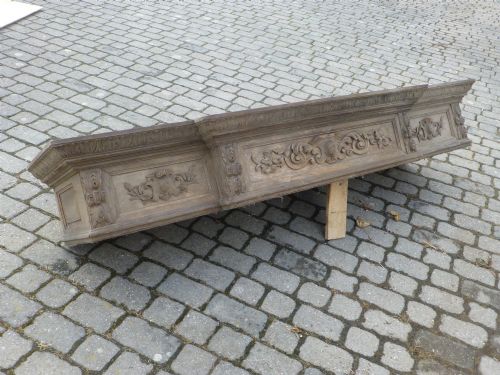
A large french bed encompasses substantial sleeping furniture originating from continental workshops, spanning the nineteenth century through the early decades of the twentieth century. When exploring this category, buyers encounter diverse forms ranging from expansive walnut bedsteads to architectural carved oak bed canopies.
The pieces appearing here lean heavily into regional and revival aesthetics, featuring styles such as French Provincial, French Chateau, French Renaissance Revival, and various Louis XV interpretations. Alongside full bedsteads, related furnishings like upholstered single beds, bedside tables, and benches appear frequently across the selection.
Origins stretch from the late nineteenth century into the 1930s, capturing eras that favoured both painted wood finishes and rich natural hardwoods like walnut, oak, and fruitwood. Buyers frequently meet items designed for generous proportions, including emperor and superking sizes alongside double and single formats.
How they were made
Construction relies heavily on solid hardwoods including walnut, oak, and fruitwood, often shaped into robust frames and detailed panels. Workshops also utilised painted wood surfaces to achieve the softer provincial and chateau aesthetics characteristic of the period.
Surface ornamentation often incorporates intricate carving, parquetry detailing, and applied mouldings that define revival styles such as Louis XV and Henri II. Upholstered elements frequently employ textiles like velvet and fabric to soften the substantial wooden headboards and footboards.
Large French Bed Retail Price Guide 2026
Typical asking prices for large french bed among the pieces listed under this phrase on Sellingantiques today, from the lower quarter to the upper quarter. They describe what is for sale here now, not the wider market.
Listings feature walnut, oak, fruitwood, and painted wood, spanning the nineteenth century up to 1930.
What varies in quality
The calibre of timber selection and the crispness of hand-carved ornamentation separate standard framework from superior examples. Walnut and figured grain selections display deeper visual richness compared to plainer utility timbers.
Proportional harmony and the integrity of period revival details, such as parquetry work or turned uprights, indicate the level of craftsmanship invested by the original maker. The integration of structural hardware and upholstery finishing further distinguishes finer pieces.
The Large French Bed Glossary
- Bedstead
- The complete structural framework of a bed, including headboard, footboard, and side rails. This forms the primary architectural component of continental sleeping furniture.
- Parquetry
- A geometric mosaic of wood pieces used for decorative surfaces on furniture. This technique appears on panels and tabletops to create patterned visual interest.
- Bed Canopy
- An overhead hanging structure suspended above a bed to support drapery. Architectural examples provide significant vertical presence in large rooms.
- Louis XV Style
- A design aesthetic characterised by asymmetric curves, natural scrollwork, and floral motifs. This style heavily influences continental seating and bed frames from the nineteenth and early twentieth centuries.
Large French Bed: Frequently Asked Questions
What sizes do large french beds come in?
These beds span various generous dimensions, including emperor, superking, and large double formats, alongside substantial single variations.
Craftsmen built these frames to accommodate continental proportions, often matching specific period sizing conventions rather than modern standard measurements.
How do I identify the period of a bed?
Dating relies on stylistic revival cues, construction methods, and timber choices spanning the late nineteenth century to the nineteen-thirties. Specific decorative motifs align directly with distinct eras like the Henri II style or early Louis XV revivals.
Examining the underlying woodwork and hardware provides further clarity regarding the manufacturing era.
Are bedside tables usually matched to the beds?
Bedside tables and nightstands frequently appear as complementary pairs featuring matching woods, such as figured walnut, or corresponding provincial styling.
These pieces share similar decorative vocabularies with the main bedsteads, including carved details and polished finishes.
What materials are typical for these frames?
Construction primarily utilises solid hardwoods such as walnut, oak, fruitwood, and painted timber surfaces.
Upholstered elements incorporate velvet and decorative fabrics, while brass components occasionally appear on structural or decorative fittings.