




Large Framed Picture
When you search for a large framed picture, you enter a room filled with oil paintings, prints, and photographs held by heavy timber, gesso, and precious metal.
Large Framed Picture
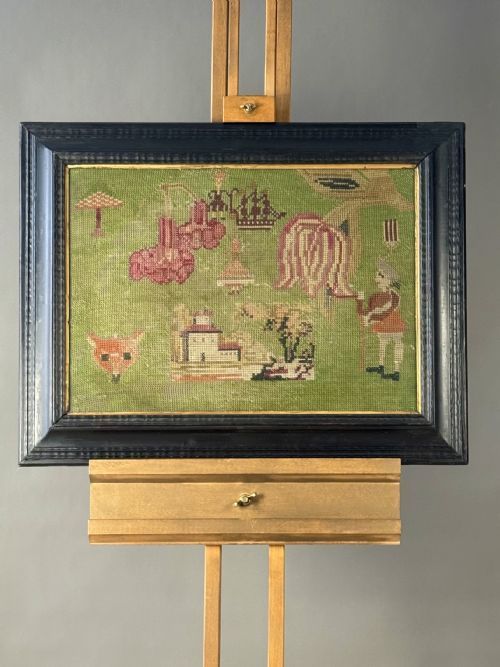
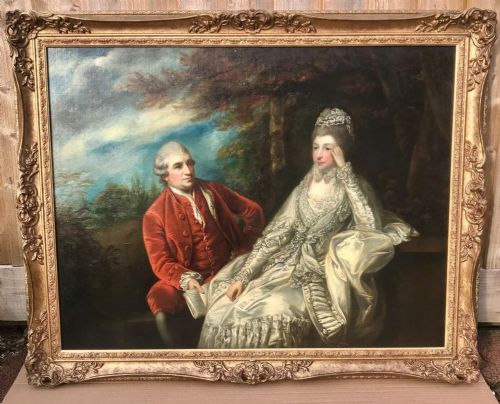
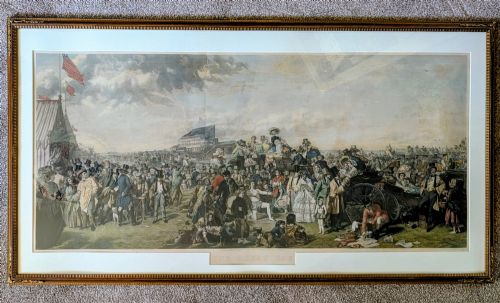
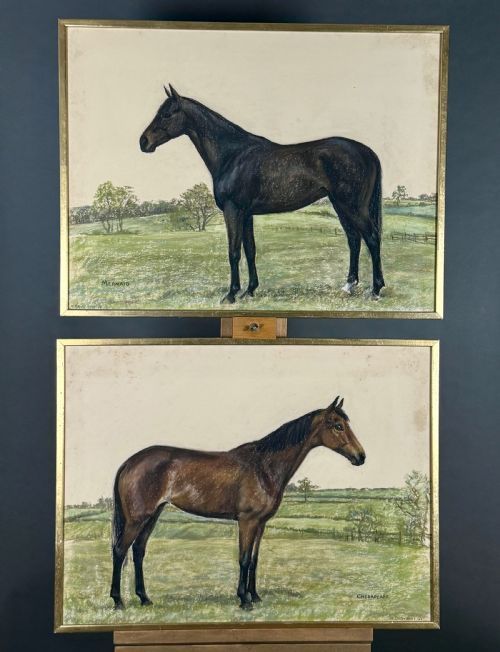
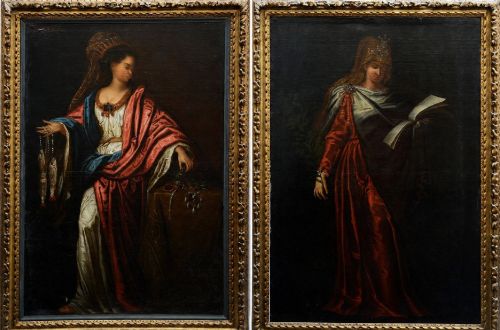
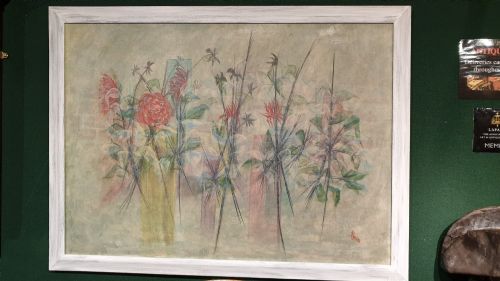
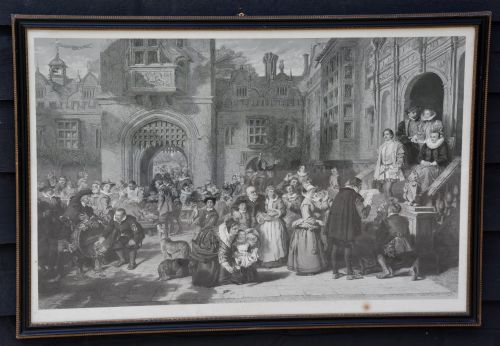
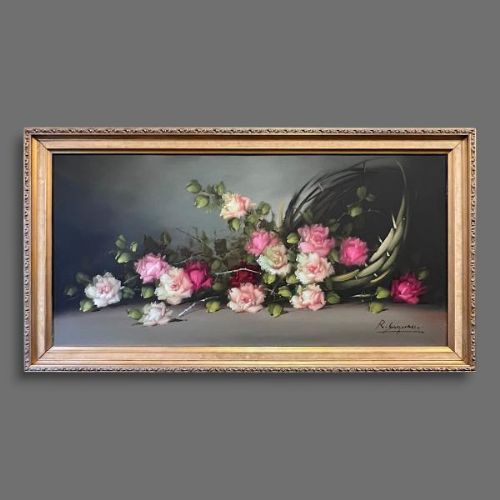
A large framed picture brings together substantial wall art and the structural housings that contain them, drawing from periods spanning the eighteenth century through to mid-century modernism. Buyers exploring this category encounter oil paintings, engravings, pastels, and lithographs, frequently matched with period surrounds made to scale.
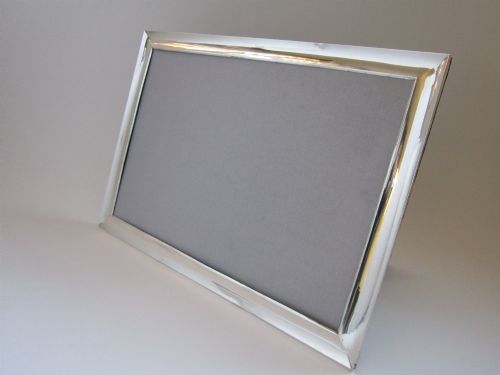
The selections on this page lean heavily towards nineteenth-century works, Victorian portraiture, and mid-century impressionist canvases. Alongside traditional canvas and paper works, the category embraces specialised enclosures like sterling silver photograph frames and carved oak display pieces.
Materials and construction
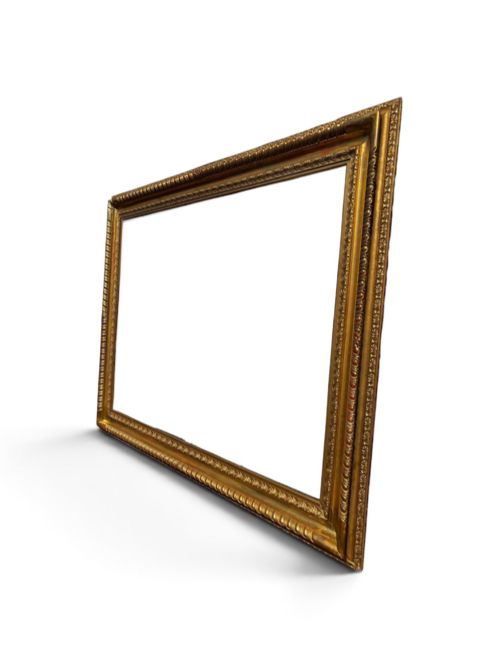
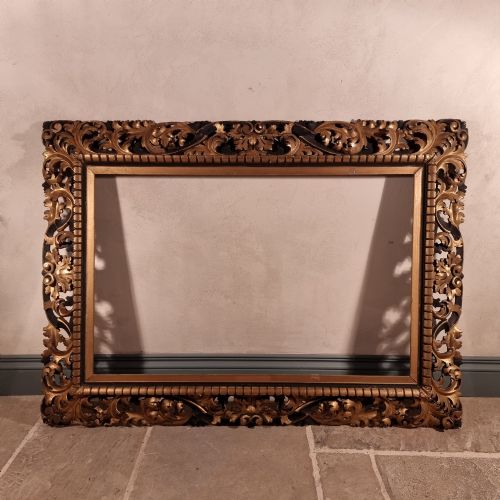
Makers constructed these works using oil on canvas, pastel on paper, and printed mediums secured within frames shaped from oak, walnut, mahogany, and giltwood. Workshops applied gold leaf and gesso to timber mouldings, building up intricate decorative details such as egg and dart patterns.
Engineered elements like sterling silver casing and bronze casting appear in photograph frames and specialised surrounds. Glazing with glass protects delicate paper prints, watercolours, and woolwork pieces against atmospheric wear.
The selection includes oil paintings, watercolours, lithographs, engravings, and photographs housed in both oak and giltwood frames.
Distinctions in quality
The standard of execution in the artwork itself separates the exceptional pieces from standard decorative items, visible in the handling of oil paint or the crispness of an engraving. Hand-carved mouldings and original gilding on the frame demonstrate superior craftsmanship compared to mass-produced later replacements.
Integrity of materials dictates the standing of a piece, with solid sterling silver and dense hardwoods retaining their structural composure and finish over centuries. The harmony between the artwork and its original period frame elevates the overall cohesion of the object.
Donald Grant·Joshua Reynolds·William Powell Frith·Mark Ingram·Erich Mercker·J. C. Dollman·Joseph Knight·John Moxon
The Large Framed Picture Glossary
- Giltwood
- Wood that has been coated with a thin layer of gold leaf. This finish defines many formal nineteenth-century frames.
- Gesso
- A plaster-like mixture applied to wood frames to create a smooth surface for gilding or moulding. Craftsmen carved intricate motifs directly into this layer.
- Engraving
- A printmaking technique where an image is incised onto a metal plate. Impressions are then transferred onto paper using ink.
- Lithograph
- A planographic printing process utilising stone or metal plates. It enables the reproduction of colourful pictorial scenes.
Large Framed Picture: Frequently Asked Questions
How do I hang a heavy framed picture securely?
Substantial pieces require robust wall fixings anchored directly into masonry or wall studs to support the combined weight of timber and glass. Using professional picture wire rated above the weight of the object ensures safety.
Position the centre of the picture at eye level to maintain correct visual balance within a room. Ensure the wall structure can bear the specific load of dense giltwood or silver frames.
Are original frames important for antique art?
Original frames provide historical context and demonstrate how an artwork was presented during its specific period. A matching nineteenth-century gilt or Hogarth frame complements the aesthetic integrity of the canvas it holds.
Replacing a period frame with a modern alternative can diminish the historical character of the piece. Collectors look for the harmonious pairing of art and housing that has survived intact.
How should I clean a giltwood frame?
Dust giltwood frames gently using a very soft, dry brush to remove surface particles without disturbing delicate gesso or gold leaf. Avoid liquid cleaners or moisture, which can strip historic gilding.
Professional conservation is recommended for deep cleaning or repairing cracked gesso. Harsh rubbing will permanently damage the underlying layers.