

Large Floral Rug
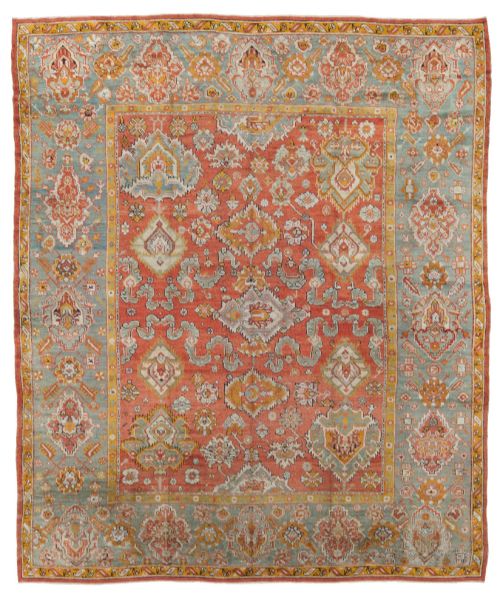
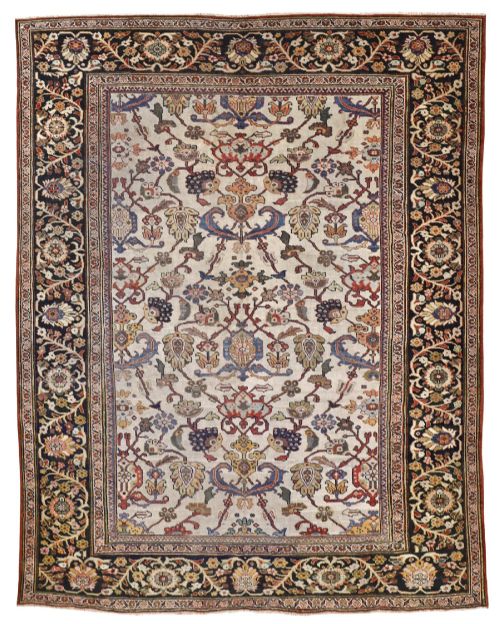
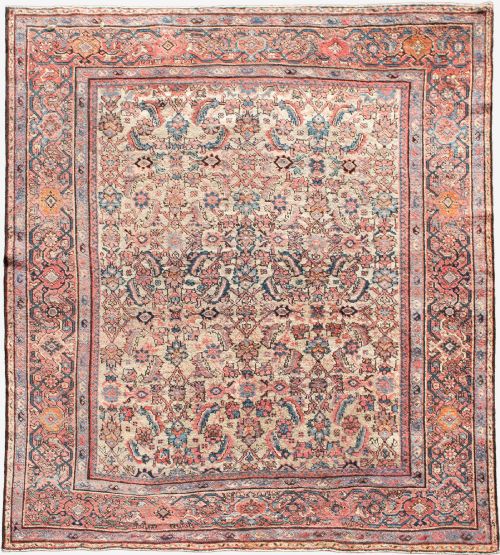
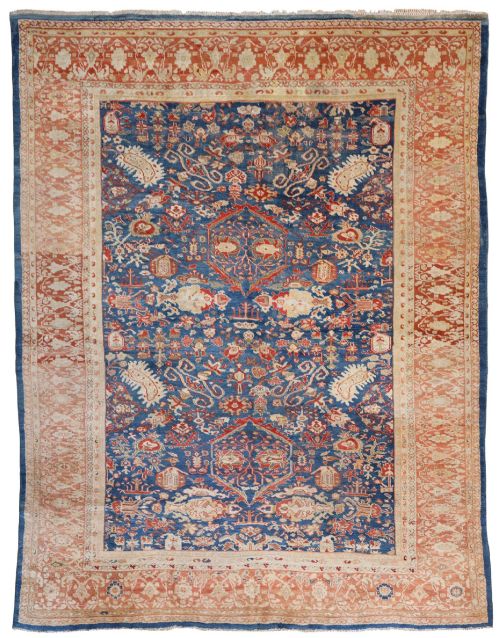
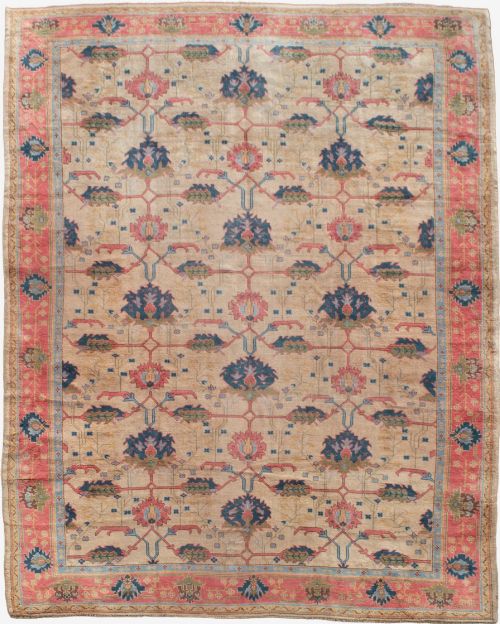
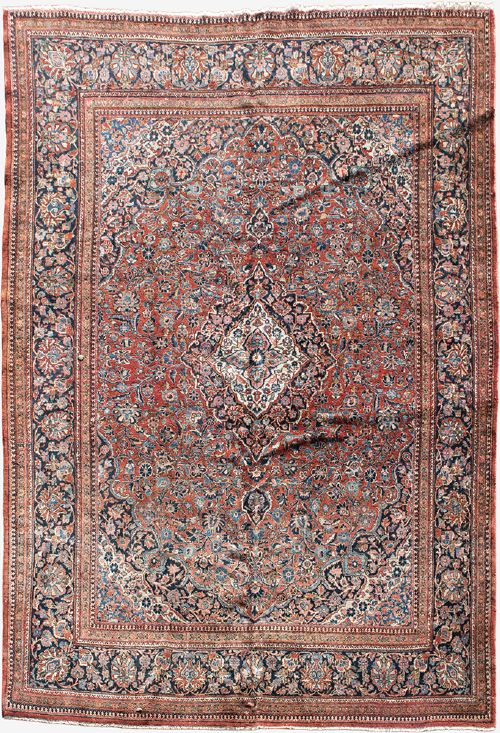
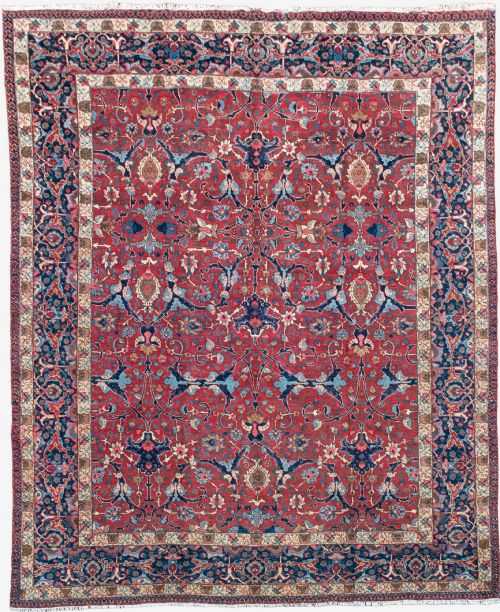
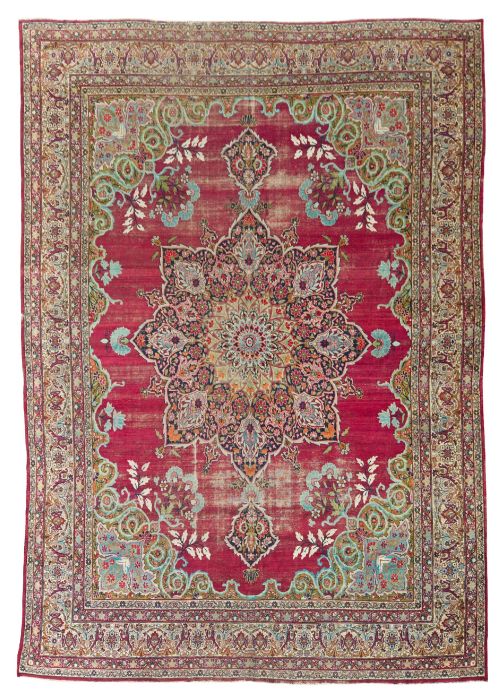
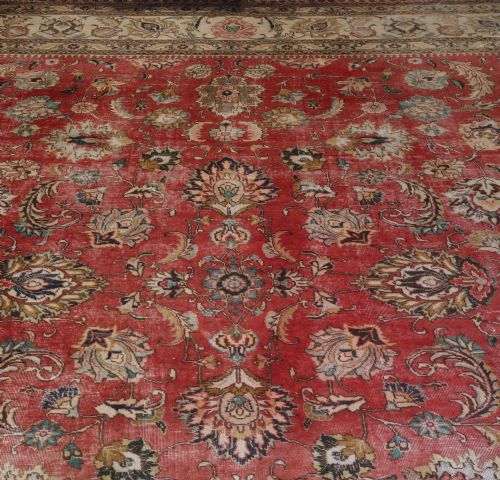
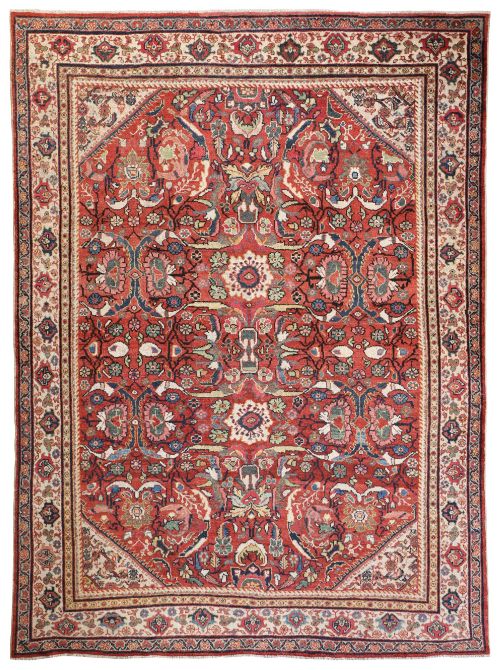
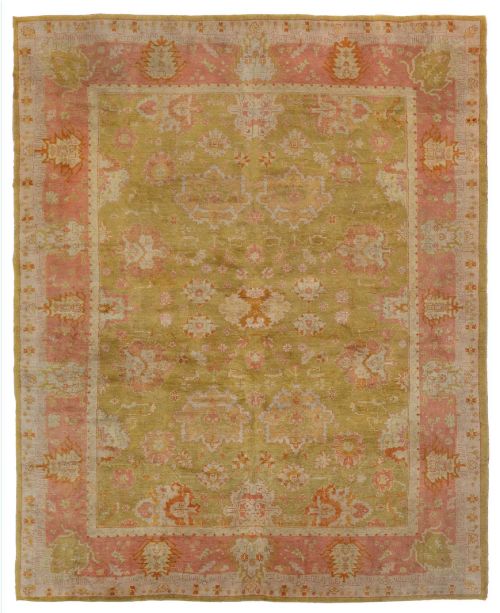
A large floral rug anchors a room with broad expanses of botanical pattern and substantial room-size dimensions.
Large Floral Rug
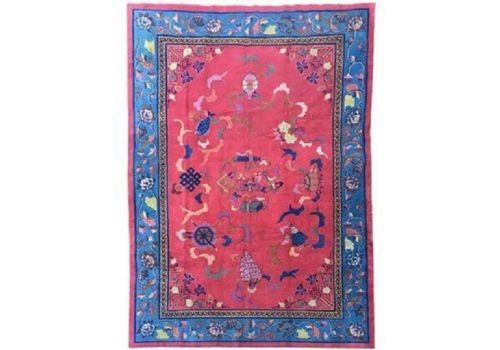
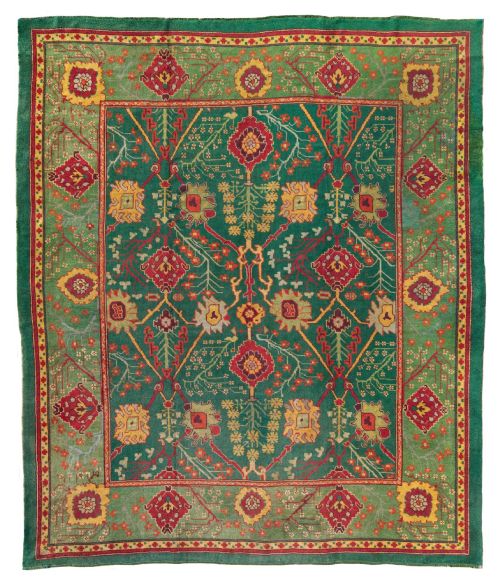
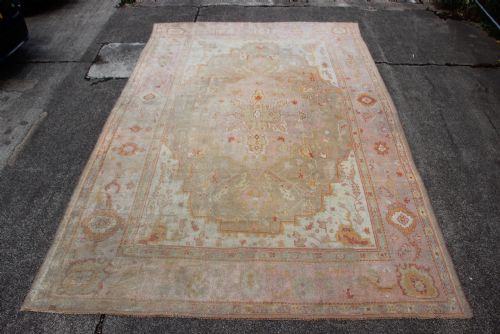
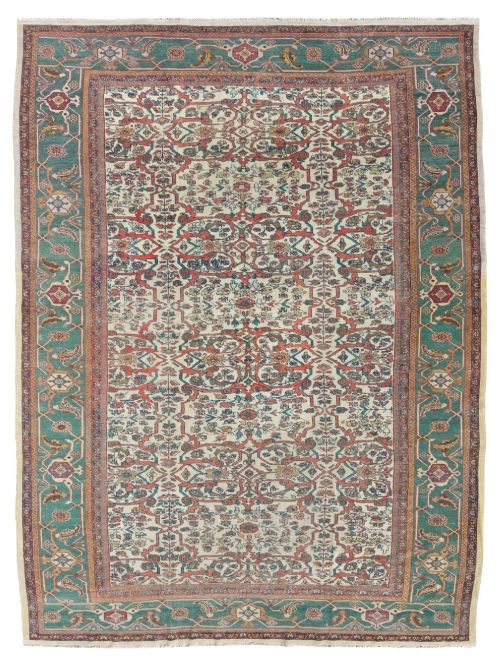
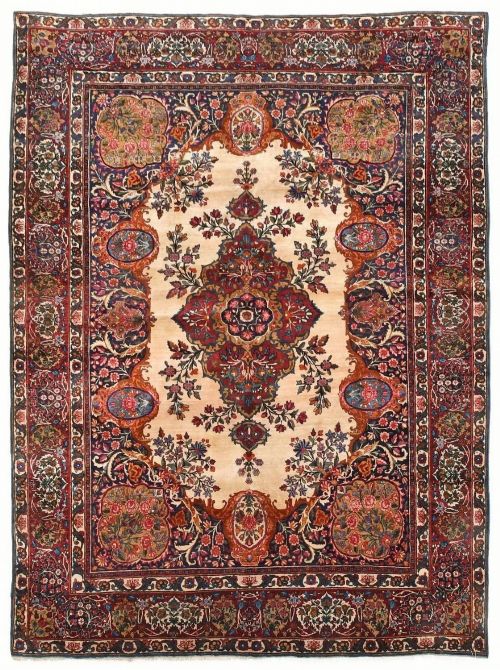
A large floral rug brings sweeping botanical motifs and expansive dimensions to a floor space. When searching for a large floral rug, buyers encounter generous floor coverings originating from Persia, Turkey, China, India, and France.
The selections on this page span the nineteenth and early twentieth centuries, categorised under styles such as Ushak, Mahal, Heriz, and Tabriz. These pieces deliver bold floral arrangements across wool, cotton, and silk structures designed to anchor substantial rooms.
Construction and materials
Weavers built these carpets using natural materials, predominantly wool for the pile and cotton for the foundations, though silk appears in specific regional works. Hand-knotting techniques secured the fibres onto warp and weft threads, creating dense surfaces capable of withstanding heavy foot traffic over centuries.
Natural dye stuffs provided the palette, yielding soft pastels, deep indigos, and warm madders that mellow gracefully with age. Artisans executed intricate botanical patterns, incorporating vines, palmettes, and floral sprays across vast room-size formats.
Large Floral Rug Retail Price Guide 2026
Typical asking prices for large floral rug among the pieces listed under this phrase on Sellingantiques today, from the lower quarter to the upper quarter. They describe what is for sale here now, not the wider market.
Listings feature carpets spanning from the early nineteenth century through the 1930s, utilising wool, cotton, and silk.
Distinguishing quality
Knot density and structural integrity dictate the calibre of an antique carpet, alongside the precision of the botanical drawing. A finer weave allows for sharper definition in the floral motifs and greater durability in the pile.
The harmony of the dye palette and the artistic confidence of the design execution separate standard production pieces from exceptional workshop creations. Preserved pile height and minimal structural restoration maintain the overall integrity of the textile.
Benlian
The Large Floral Rug Glossary
- Pile
- The vertical tufts of wool, cotton, or silk that form the usable surface of the carpet. This layer takes the weight of foot traffic and displays the woven design.
- Warp
- The stationary lengthwise threads stretched tightly on the loom before weaving begins. Weft threads pass horizontally through the warps to secure the knots.
- Weft
- The horizontal threads passed across the warp threads after each row of knots. This element binds the structure together and determines the rigidity of the rug.
- Medallion
- A symmetrical central ornament placed in the middle of the carpet field. Many floral designs build their botanical composition around this focal point.
- All-over design
- A pattern layout that repeats across the field without a dominant central medallion. This style spreads floral vines and blossoms uniformly across the surface.
Large Floral Rug: Frequently Asked Questions
How do I clean a large rug?
Professional specialist cleaning is essential for antique textiles to protect fragile natural fibres and prevent dye bleeding. Regular gentle vacuuming without a beater bar removes surface dust safely.
Avoid household chemical treatments or excessive water immersion, which damage historical wool and cotton foundations. Specialist conservators assess the specific structural needs of each piece before undertaking maintenance.
Where should I place a large carpet?
Room-size carpets suit principal reception spaces, dining rooms, and large bedrooms where furniture sits comfortably on top. They anchor the layout by defining conversation areas within expansive interiors.
Ensure the rug sits clear of damp environments and direct intense sunlight to protect the natural wool pile and botanical dyes from fading over time.
How do I date an antique rug?
Dating relies on stylistic analysis, material composition, and structural characteristics typical of specific weaving centres and production decades. Structural quirks, such as wool preparation and dye chemistry, offer clues to the period of manufacture.
Comparing regional knotting styles and palette choices against documented historical pieces helps narrow the decade of origin.
Are these rugs durable for daily use?
Traditional hand-knotted wool carpets offer high resilience due to the dense packing of pile fibres and sturdy cotton foundations. Centuries of survival demonstrate their capacity to endure regular domestic traffic.
Using a quality underlay provides cushioning, prevents slipping, and reduces internal friction between the rug and the floorboards.