

Large Floral Carpet
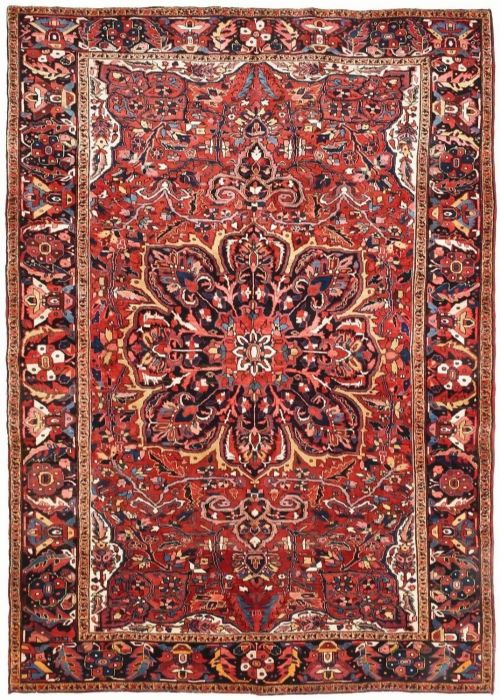
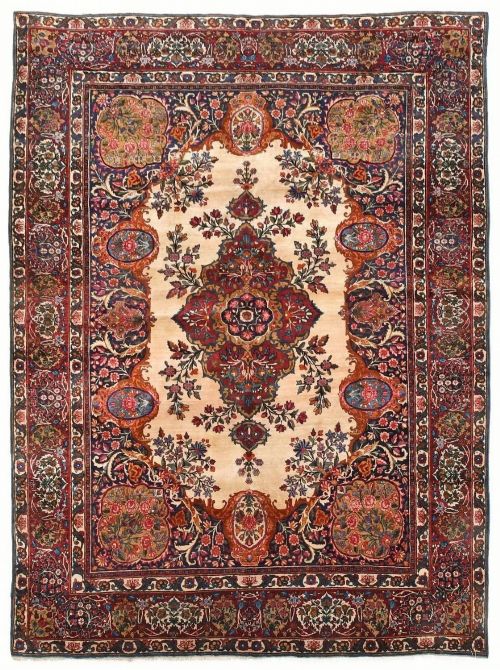
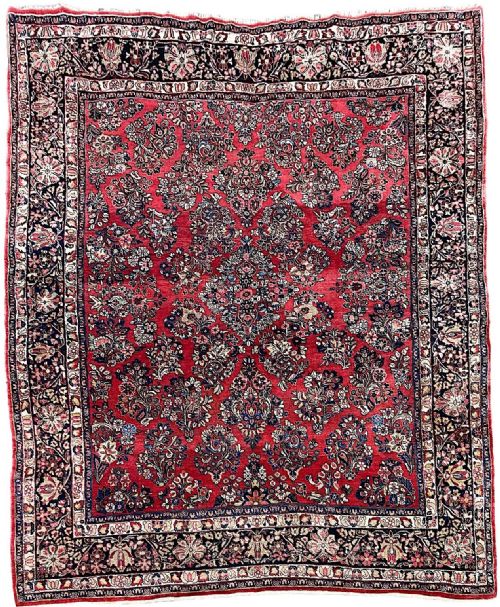
A large floral carpet anchors a room with generous botanical motifs, bringing historic Persian and regional weaving traditions into domestic spaces.
Large Floral Carpet
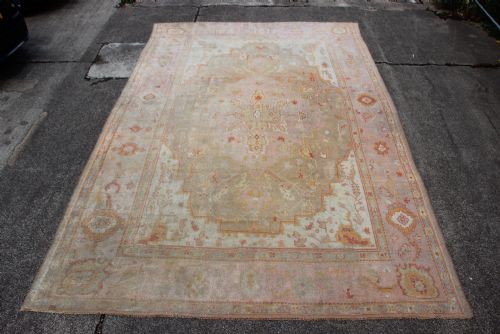
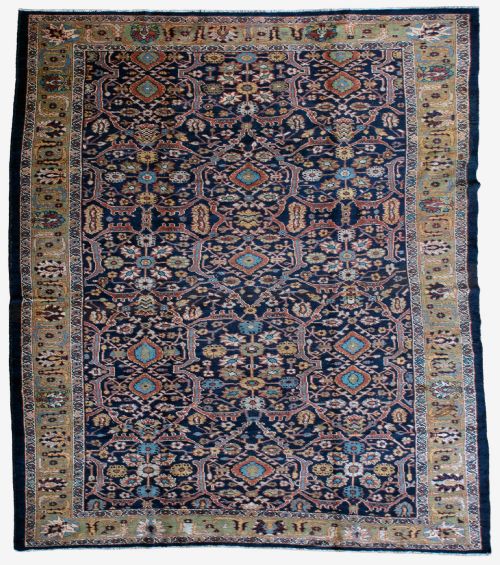
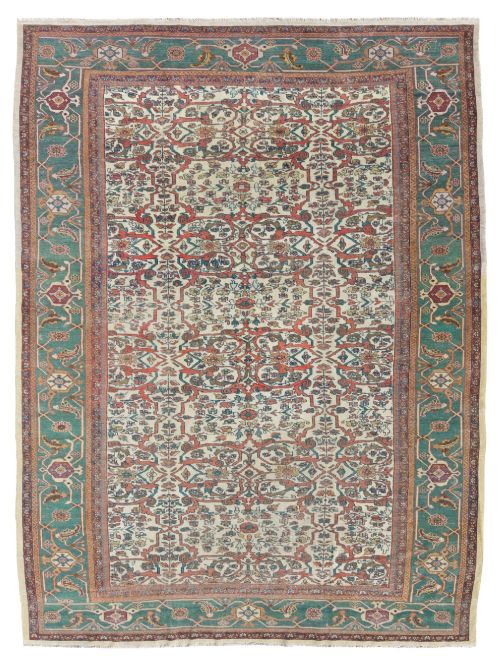
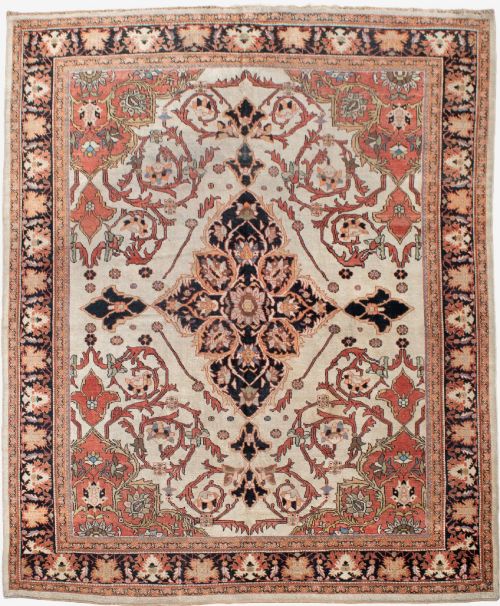
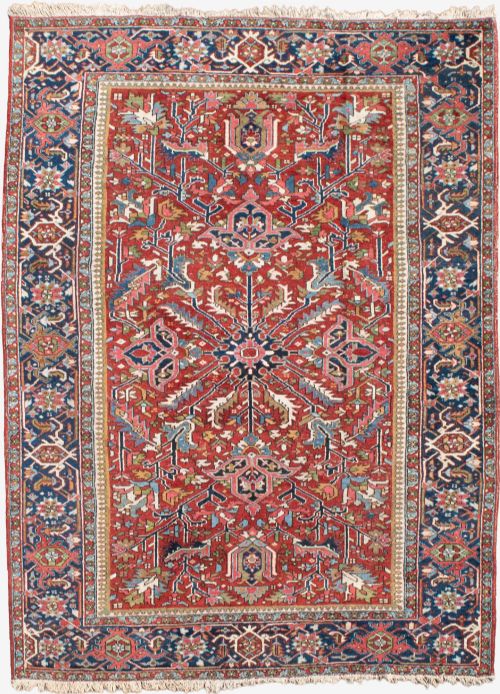
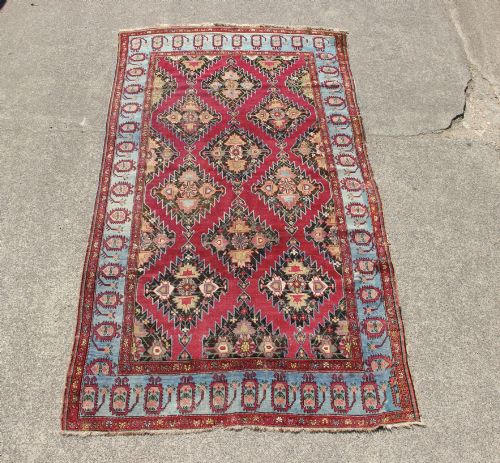
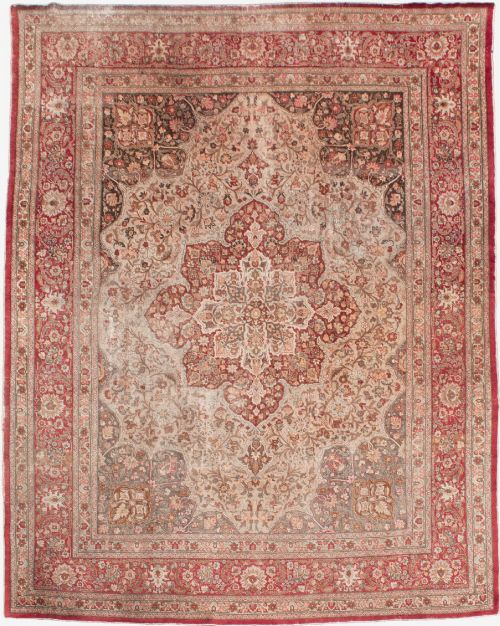
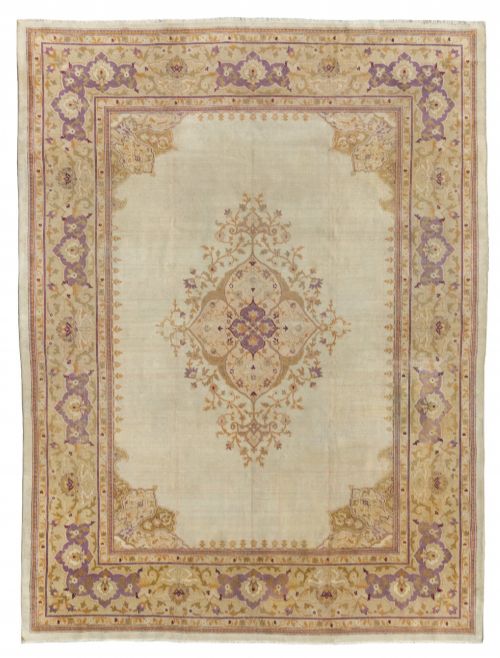
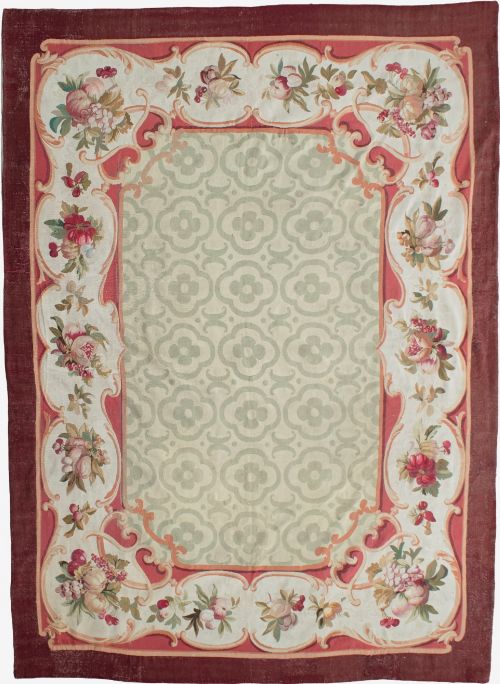
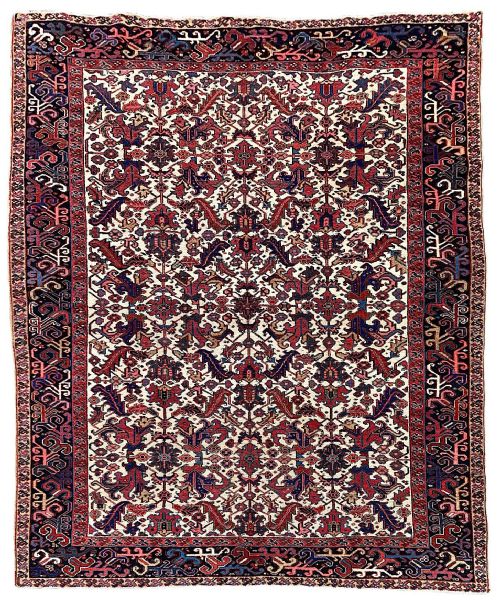
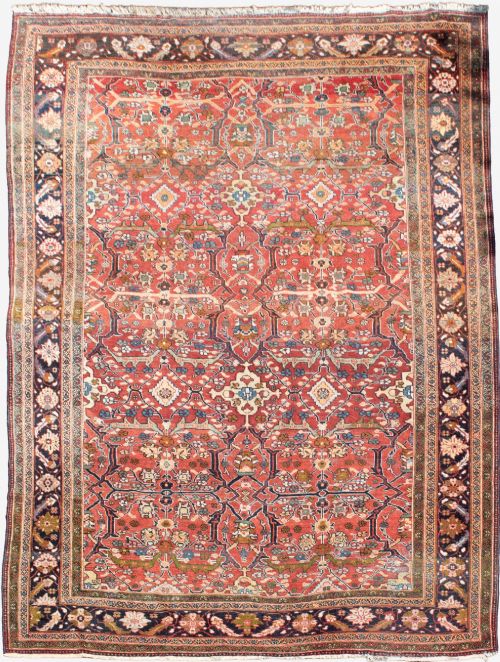
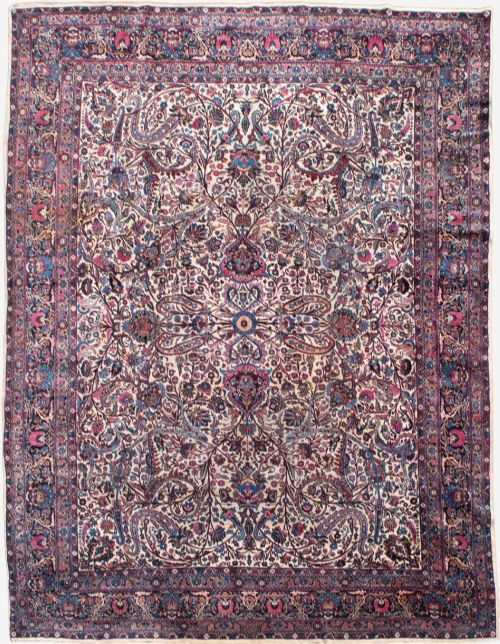
A large floral carpet brings together room-sized floor coverings originating from weaving centres such as Tabriz, Heriz, Mahal, Sultanabad, and Oushak. These pieces span the mid-nineteenth century through the early twentieth century, encompassing traditional Persian designs alongside related regional styles.
Buyers encounter substantial formats designed for principal reception rooms, often measuring upwards of three metres in length. The predominant forms include room-size rugs and oversized carpets featuring elaborate botanical layouts, medallion compositions, and all-over floral repeats.
The inventory demonstrates traditional craftsmanship from distinct origins, including Persian workshops, Indian Amritsar production, and European Aubusson or Bessarabian formats. Each piece reflects the aesthetic preferences and regional dyeing traditions of its period of manufacture.
Distinguishing quality factors
The density of the knotting and the precision of the botanical drawing dictate the structural refinement of the weaving, separating standard room-sized floor coverings from densely detailed workshop productions.
The complexity of the dye palette and the preservation of natural wool pile integrity determine the visual impact and longevity of each textile.
Several carpets were woven large enough to host an entire dining party upon their sprawling floral meadows.
Benlian
The Large Floral Carpet Glossary
- Oushak
- A traditional Turkish carpet style known for large-scale floral patterns and softly muted wool colours.
- Heriz
- A Persian carpet type originating from north-west regions, characterised by geometric floral motifs and robust structural foundations.
- Mahal
- A nineteenth and twentieth-century Persian carpet style featuring relaxed all-over floral designs and substantial room dimensions.
- Tabriz
- A Persian workshop tradition recognised for finely detailed floral compositions and high knot densities.
- Kilim
- A flatwoven textile lacking pile, produced through interlocking weft threads to form geometric or floral patterns.
Large Floral Carpet: Frequently Asked Questions
How do I choose the right size?
Measure your reception room to allow a clear border of exposed flooring around the perimeter of the textile.
Consider the scale of the furniture placement to ensure the botanical central medallion or field remains visible.
Where were these carpets made?
The pieces originate primarily from historical weaving centres across Persia, alongside regional workshops in Turkey, India, and Europe.
Each region developed distinct floral motifs and dye palettes linked to local traditions.
What materials are used?
Traditional construction relies predominantly on a wool pile knotted onto a foundational cotton warp and weft.
Certain European examples utilise flatwoven tapestry techniques without pile.
How do I date these textiles?
Dating relies on stylistic analysis of the floral designs, structural characteristics, and recorded production periods spanning the mid-nineteenth to early twentieth centuries.
Comparison with archival examples helps narrow the decade of manufacture.