





Large Crystal Bowl
These large crystal bowl pieces bring weight and clarity to a table, offering deep faceted cuts or smooth opalescent surfaces.
Large Crystal Bowl
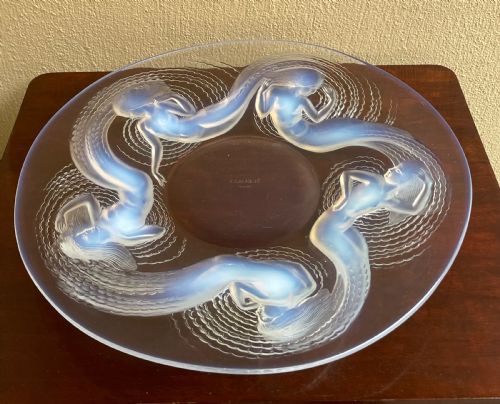
A large crystal bowl encompasses heavyweight serving vessels, pedestaled comports, and decorative baskets spanning from the eighteenth century through the Art Deco era. When searching for a large crystal bowl, buyers encounter heavy cut glass pieces alongside cobalt glass and enamelled works.
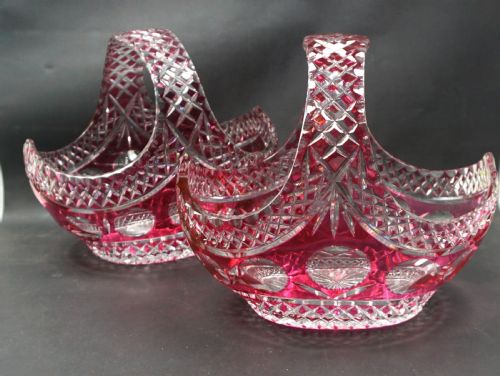
The selection ranges from Georgian tea mixing bowls and pedestaled nineteenth-century comports to coloured bohemian glass and French art glass chargers. Forms include deep bowls, handled baskets, and wide presentation pieces designed for display or dining.
How they were made
The pieces rely on lead crystal, clear glass, and lead glass formed through hand blowing and shaping. Makers then applied deep cutting techniques to carve geometric patterns, flutes, and panels into the thick walls of the vessels.
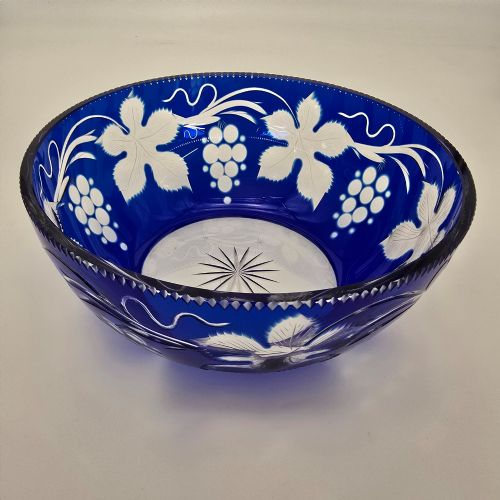
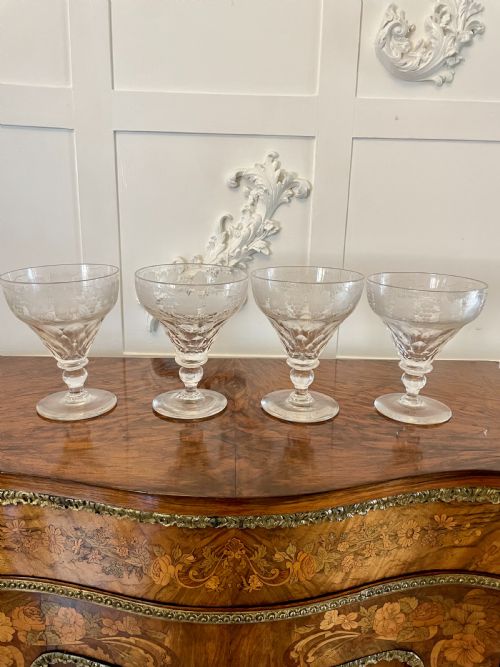
Surface decoration frequently involves wheel engraving, acid etching, and hand-painted enamel work, particularly in gold leaf or contrasting colours such as cobalt blue and red over crystal.
Large Crystal Bowl Retail Price Guide 2026
Typical asking prices for large crystal bowl among the pieces listed under this phrase on Sellingantiques today, from the lower quarter to the upper quarter. They describe what is for sale here now, not the wider market.
Some vessels feature delicate gold enamel poppies, proving that even heavy lead glass enjoys a floral dress code.
What varies in quality
Quality rests in the depth and crispness of the cutting, where sharp facets catch the light and heavy lead content provides resonance and weight. The thickness of the glass wall and the balance of the pedestal dictate the structural presence of the vessel.
Artistic execution sets apart standard utility wares from signed or attributed works, particularly where enamel gilding, intricate wheel engraving, or opalescent moulding require advanced artisan skill.
Val St Lambert·Rene Lalique·St Louis glassworks·Waterford
The Large Crystal Bowl Glossary
- Lead Crystal
- Glass containing a high proportion of lead oxide, increasing the weight, refractive index, and resonance of the piece. This material allows for deeper and sharper cutting than standard soda-lime glass.
- Comport
- A pedestaled dish or bowl used historically for serving fruit or sweets at the table. These elevated vessels sit on a central stem and foot.
- Air Twist
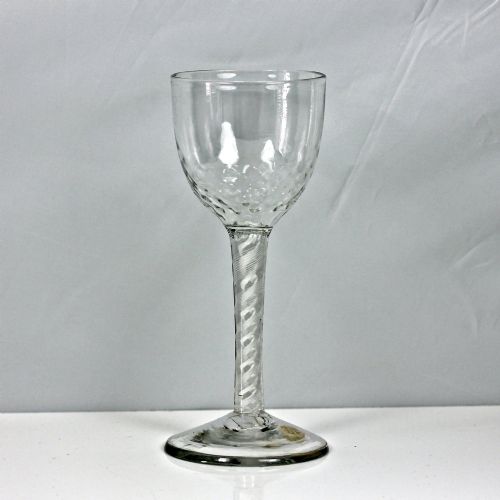
- A decorative stem on a drinking glass containing elongated internal air spirals formed during manufacture. It appears in eighteenth-century pieces.
- Opalescent Glass
- Glass that diffuses light with a milky or pearlescent appearance, showing shifting tones when turned. This technique gained prominence during the Art Deco period.
- Over Crystal
- A layered glass technique where a coloured glass outer casing is cut away to reveal clear glass underneath. This creates strong contrast and depth in geometric patterns.
Large Crystal Bowl: Frequently Asked Questions
What were large crystal bowls used for?
These vessels served practical dining functions such as mixing tea leaves or presenting fruit and sweet dishes on the formal table. Pedestaled versions elevated food to create hierarchical displays during grand dinners.
Over time, many shifted into decorative roles as centrepieces or display bowls intended to catch and reflect light in a room.
How do I date a crystal bowl?
Dating relies on identifying stylistic markers, cutting depths, and manufacturing methods associated with periods like the Georgian era, Victorian times, or Art Deco. Georgian pieces often feature simpler hand-cut facets and lead glass compositions.
Later Victorian and Edwardian examples utilise heavier press-moulding combined with deep diamond cutting, while 1930s pieces introduce opalescent finishes and modernist engraving.
Are these bowls made of lead crystal?
The evidence records lead crystal, lead glass, and cut glass across various pieces spanning multiple centuries. High lead content provides the heavy weight and brilliant refractive clarity characteristic of these vessels.
Alternative materials in the selection include cobalt glass, clear glass, and layered over crystal without lead composition.
How do I display a large crystal bowl?
These pieces function well as freestanding centrepieces on dining tables, sideboards, or open shelving where natural light can pass through the cut facets. Placing them away from edge hazards ensures the heavy lead glass remains secure.
Coloured or enamelled examples, such as cobalt blue or gilded variations, stand out against neutral wooden furniture or marble surfaces.