

Large Country House
A large country house antique is a substantial furnishing or artefact built for scale and utility, offering presence and history to grand domestic spaces.
Large Country House
When searching for a large country house antique, buyers encounter substantial furnishings and domestic items originally commissioned for expansive estates and substantial residences. These pieces span centuries of British design, reflecting both formal reception rooms and utilitarian estate management.
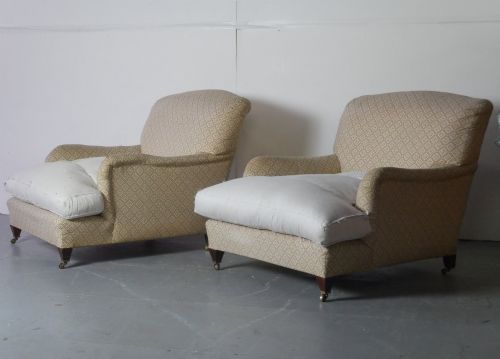
The selection on this page centres on sturdy tables, generous seating, mirrors, and storage designed to anchor large spaces. Oak, pine, walnut, and mahogany dominate the forms, reflecting materials chosen for durability and presence.
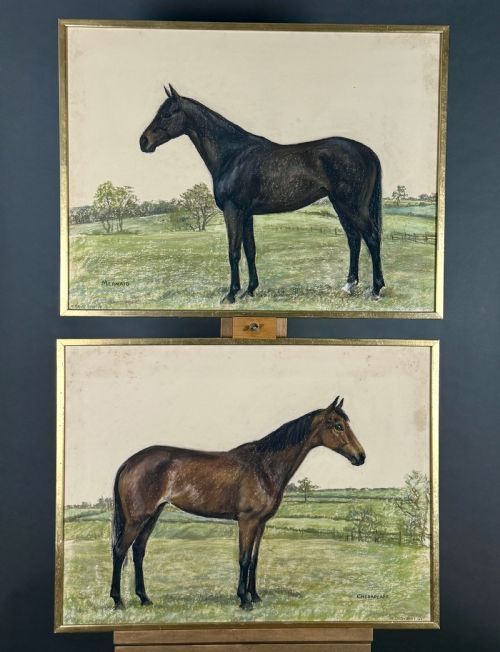
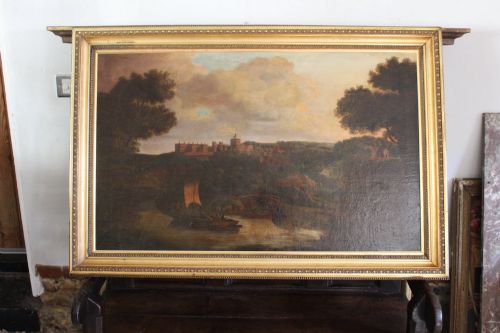
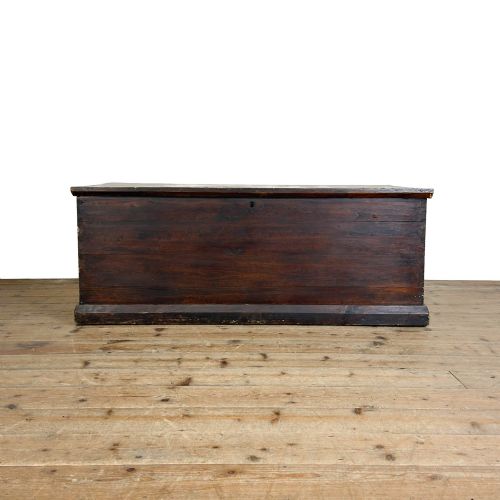
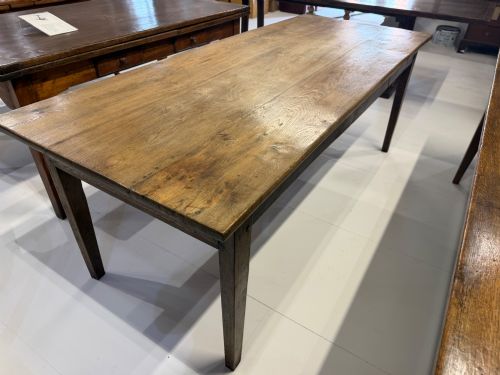
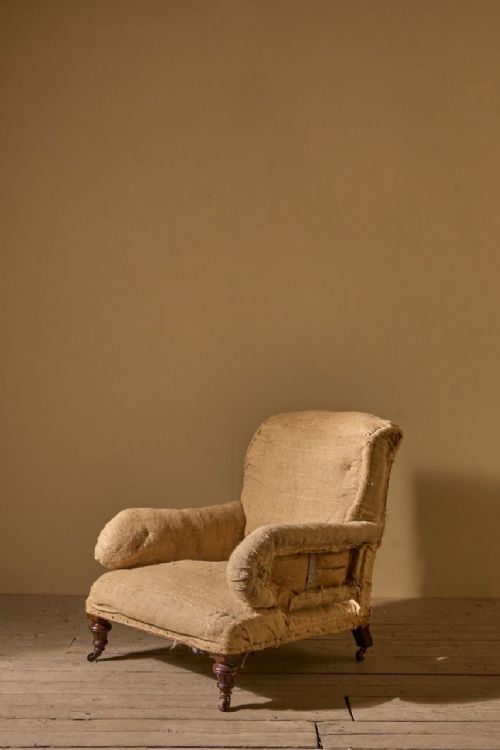
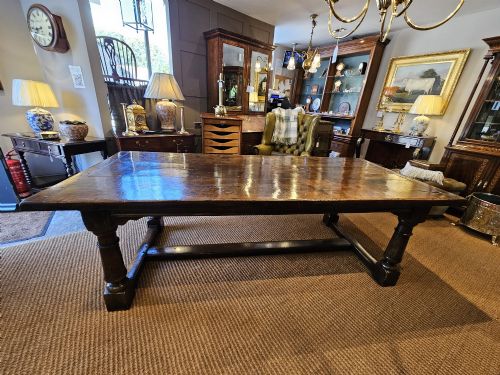
Refectory dining tables, Windsor and wingback armchairs, large blanket boxes, and oil paintings appear frequently across the inventory. These items carry the marks of prolonged domestic use within country estates.
Materials and construction methods
Makers utilised native hardwoods such as oak, elm, pine, and walnut alongside imported mahogany for structural integrity and surface character. Joinery relied on traditional methods including mortise and tenon joints, pegged frames, and hand-cut dovetails.
Surfaces often show centuries of waxing, oiling, and natural fading that reveal the grain of the timber. Metal components such as brass or copper appear in utilitarian objects and hardware, shaped by hand or early industrial casting.
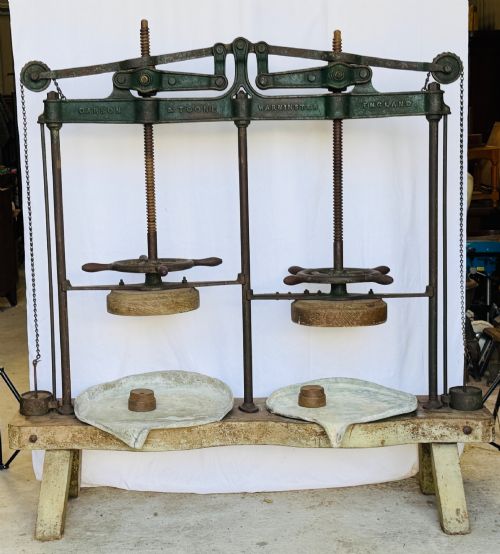
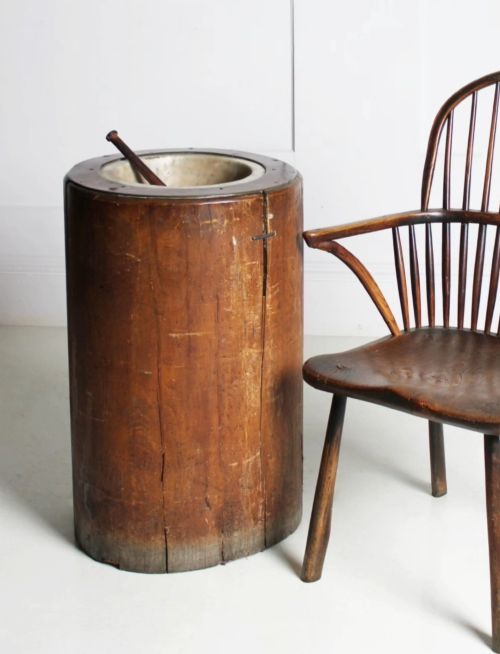
One Edwardian cheese press reminds us that country house dining once involved pressing your own curd.
Assessing quality in substantial antiques
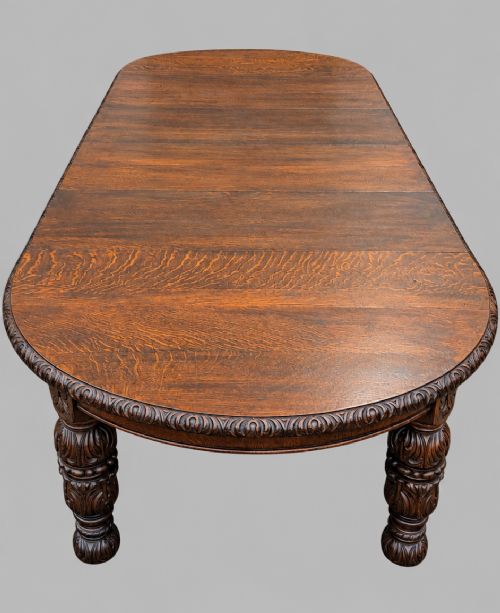
Quality rests in the integrity of the timber selection and the retention of original surfaces rather than pristine perfection. Heavy oak and pine tables show distinction in the thickness of top planks and the stability of the underframe.
Proportion and scale dictate the success of larger forms, where grand mirrors and upholstery maintain visual balance without feeling cumbersome. Faded patination accumulated over generations separates untouched examples from over-restored pieces.
Whytock and Reid·Gillow
The Large Country House Glossary
- Refectory table
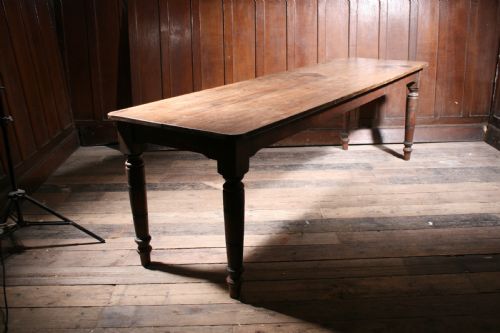
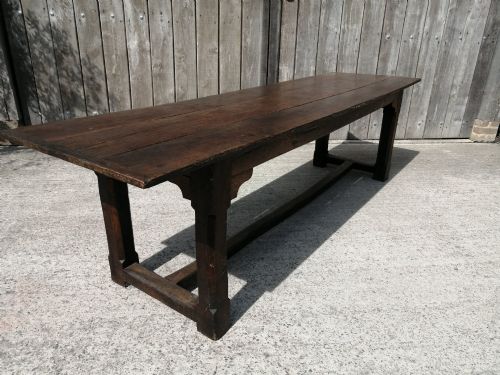
- A long, narrow dining table traditionally used in communal halls and large country houses. They typically feature heavy timber legs joined by central stretchers for stability.
- Patina
- The surface sheen and colour acquired by timber, leather, or metal through age, handling, and regular polishing. This layered finish is valued by collectors for evidencing genuine history.
- Breakfront
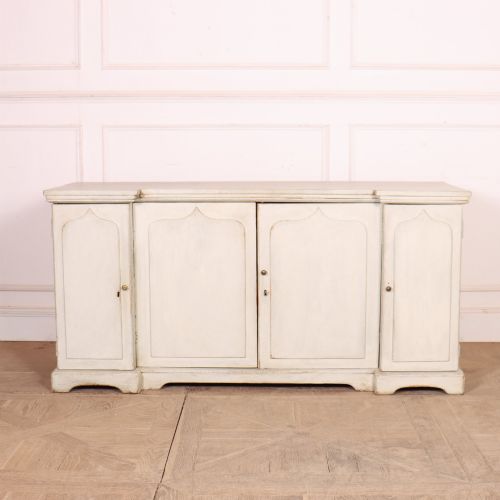
- A piece of furniture, such as a dresser base or cabinet, where the central section projects forward from the flanking wings. It creates architectural depth in large rooms.
- Cheval mirror
- A full-length plate glass mirror hung in a frame on pivots, allowing the glass to tilt. Large versions were common in country house dressing rooms.
- Drop leaf table
- A table with a fixed centre section and hinged flaps on either side that fold down when not in use. Solid walnut and mahogany versions provided flexible dining arrangements.
Large Country House: Frequently Asked Questions
How do I choose a dining table for daily use?
Consider the seating capacity required and the clearance needed for chairs beneath the frieze or stretchers. Solid oak and pine refectory tables handle heavy daily use while gaining character from wear.
Ensure the timber thickness and leg placement accommodate guests comfortably without obstructing legroom.
Where should I place a large country house mirror?
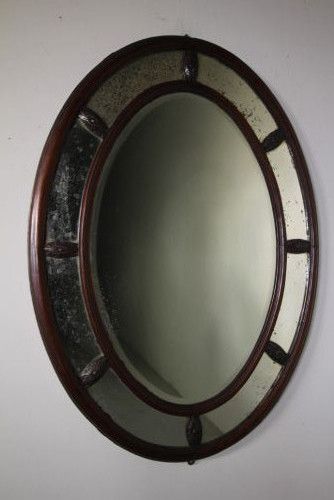
Large mirrors suit heavy reception rooms, hallways, or above substantial sideboards to reflect light and expand spatial depth. Their carved wood or mahogany frames require secure wall fixings suited to the weight of the piece.
Positioning them opposite windows maximises natural daylight in interior spaces.
How do I care for antique timber surfaces?
Maintain timber with traditional beeswax applied sparingly and buffed with a soft cloth to nourish the grain. Avoid placing items near direct heat sources or strong sunlight to prevent warping and excessive drying.
Regular dusting preserves the historic patina without stripping the accumulated wax layers.
What defines a country house aesthetic?
The aesthetic relies on a mix of robust utilitarian forms, faded textiles, and aged wood gathered over generations. It prioritises comfort, durability, and a lived-in character over rigid uniformity.
Large oil paintings, utilitarian crocks, and substantial seating anchor the room with unpretentious scale.