



Large Chinese Vase
When acquiring a large chinese vase, collectors encounter substantial ceramic and metal vessels originating primarily from the nineteenth and early twentieth centuries.
Large Chinese Vase
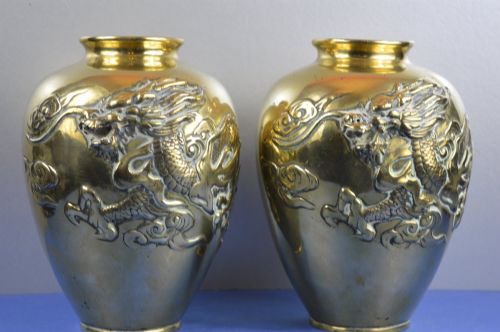
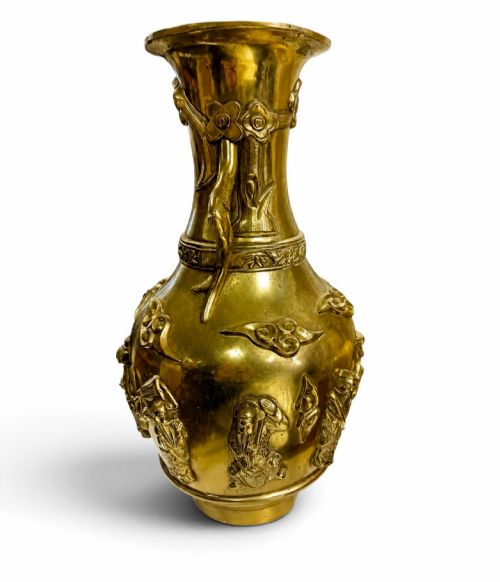
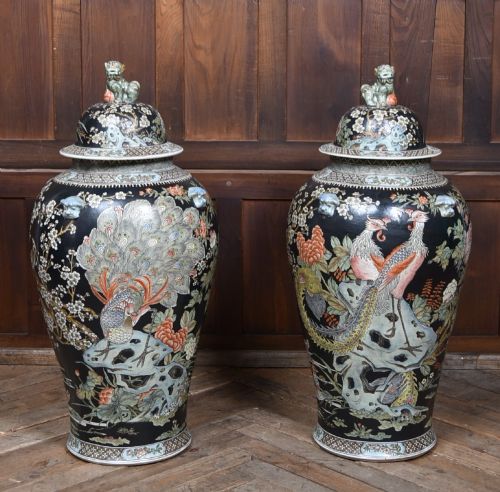
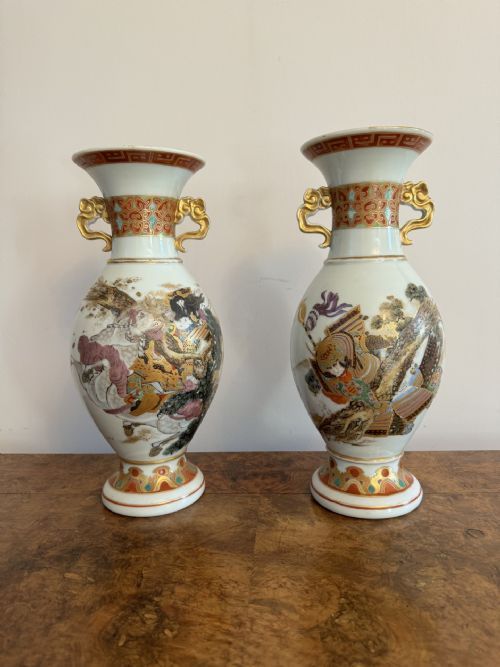
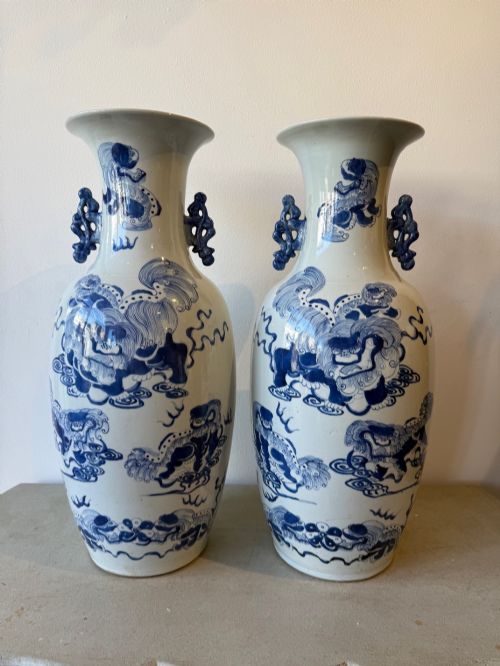
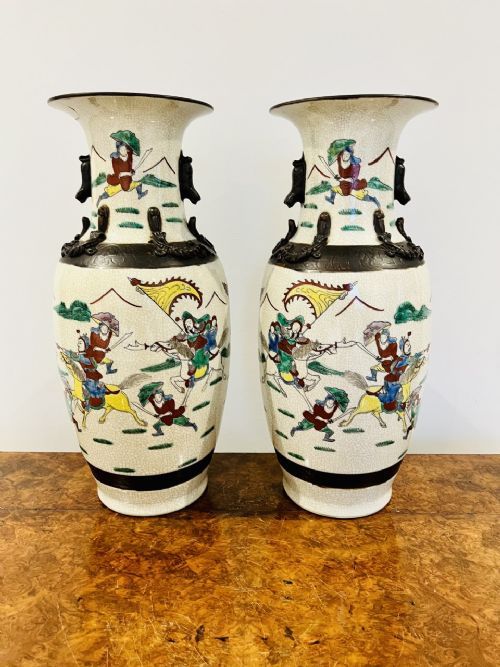
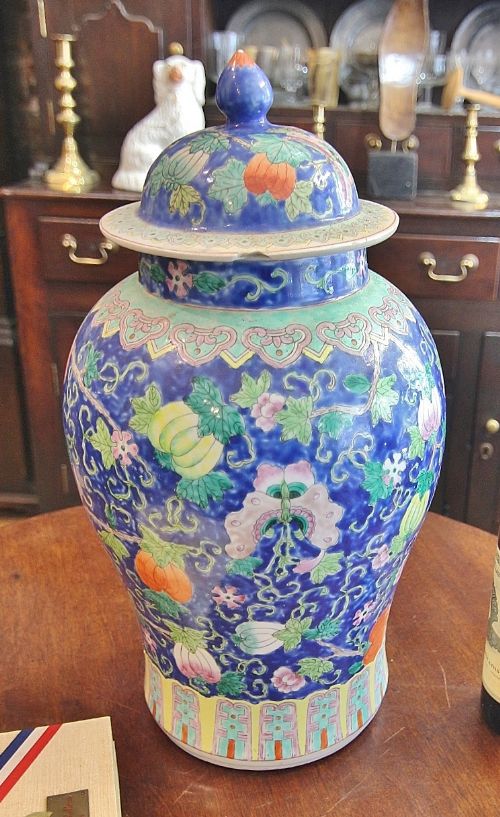
A large chinese vase covers monumental floor jars, baluster vessels, and temple vases created during the Qing dynasty and subsequent twentieth-century periods. These substantial vessels frequently appear decorated with familiar motifs such as dragons, floral panels, and Daoist immortals.
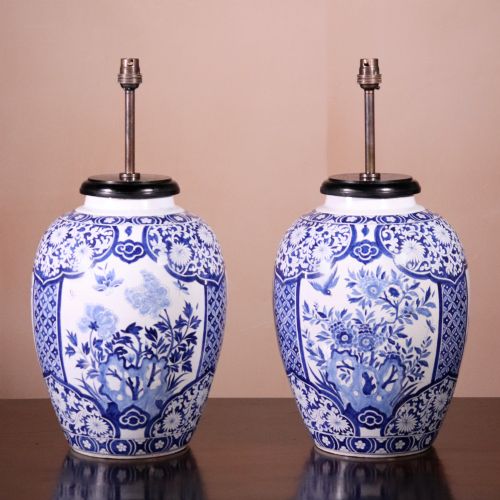
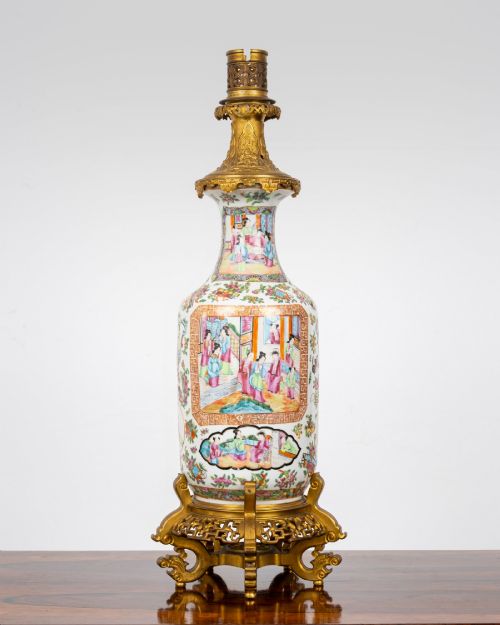
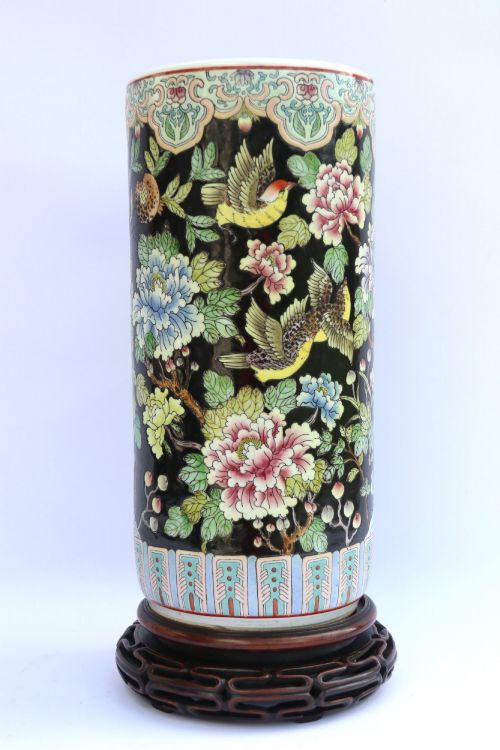
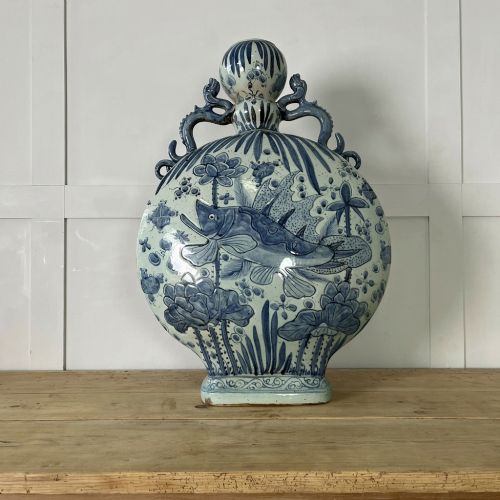
Buyers frequently encounter matched pairs, palace jars, and vessels that have been converted into table lamps with gilt bronze mounts. Forms range from double-gourd silhouettes and moon flasks to traditional rouleau shapes and broad shoulder jars.
Originating from major production centres like Canton and Jingdezhen, these works served both domestic display functions and the export market. The category also embraces bronze, brass, copper-alloy, and cloisonné examples alongside traditional ceramic bodies.
Materials and methods
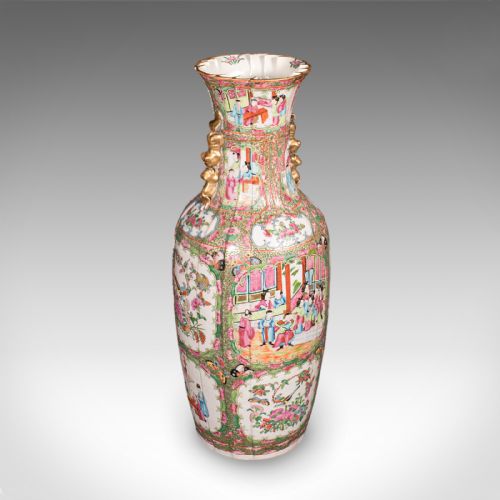
Porcelain forms the backbone of the selection, shaped from high-fired clay bodies and finished with transparent, cracked, or coloured glazes. Artisans applied cobalt underglaze blue, vibrant enamel palettes including famille rose and famille verte, and high-relief copper-alloy casting.
Metal vessels utilise bronze, brass, and gilt bronze, often incorporating champlevé enamel or intricate cast dragon motifs. Many ceramic and metal pieces incorporate secondary materials like carved hardwood stands and bespoke bronze mounts.
Several heavy metal dragons weigh over five kilograms, guarding their porcelain neighbours with fierce metallic expressions.
Assessing the standard
The presence of reign or seal marks, such as those referencing the Qianlong or Xuande periods, often distinguishes finer workshop production. Furthermore, the integration of original hardwood stands or period gilt bronze mounts elevates the overall status of the object.
The Large Chinese Vase Glossary
- Famille Rose
- A prominent palette of opaque enamel colours dominated by pink or rose hues, introduced during the Qing dynasty. This technique allowed for shaded pictorial designs of florals and figures.
- Baluster
- A vase shape characterised by a rounded body that tapers towards a narrow neck and flared rim. This traditional silhouette provides a stable base for complex pictorial scenes.
- Cloisonné
- A metalwork technique where thin wire partitions are soldered to a metal body to create cells, which are then filled with coloured enamel paste and fired. The resulting surface displays intricate geometric or floral patterns.
- Double-Gourd
- A vessel form comprising two joined bulbous sections resembling a traditional water container. This auspicious shape symbolises fertility and abundance.
- Underglaze Blue
- A decoration method where cobalt pigment is applied directly to the raw clay body before transparent glazing and high-temperature firing. The resulting blue design sits permanently beneath the glossy surface.
Large Chinese Vase: Frequently Asked Questions
How do I identify a Qing dynasty piece?
Authenticating a Qing dynasty vessel involves examining the characteristics of the paste, the depth of the glaze, and the style of the painted or cast decoration. Markings on the base can also offer guidance regarding the era of production.
It helps to compare the potting weight and foot rim finish against established historical examples from the nineteenth century or earlier periods.
Were these vases made for export?
Many large vessels were produced specifically for European and American markets through trade ports like Canton, adapting traditional motifs for Western tastes. These export pieces often feature extensive gilt bronze mounts or conversion into lamps.
At the same time, domestic palace wares and temple jars share similar decorative vocabularies and scale, reflecting high-status interior display customs.
How should I display a heavy floor vase?
Due to their substantial weight and height, large floor jars and temple vases require secure placement away from high-traffic areas and active household paths. Utilising a solid foundation ensures the vessel remains stable.
Many examples retain their original carved hardwood stands, which distribute weight evenly and elevate the ceramic body safely off the floor.