



Large Chinese Planter
A large chinese planter brings sculptural presence to a room, offering a distinct vessel for foliage or a striking decorative statement in its own right.
Large Chinese Planter
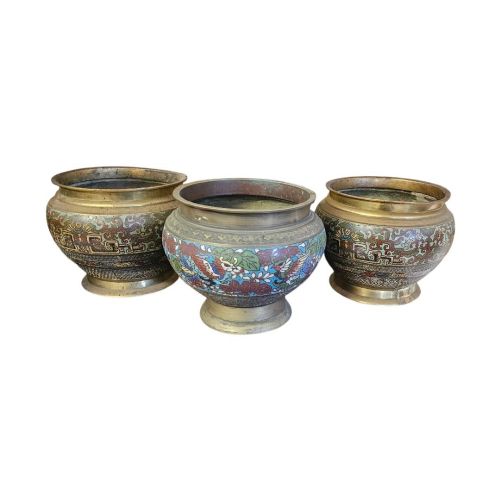
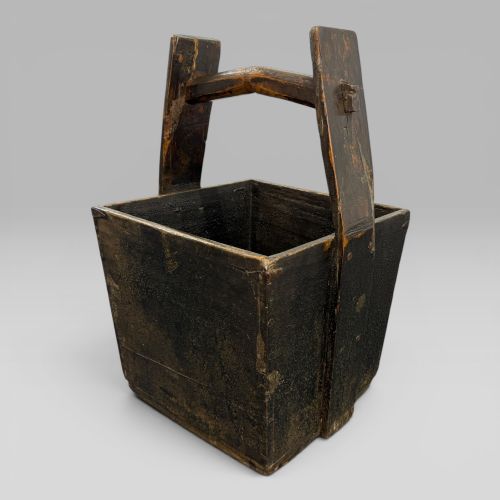
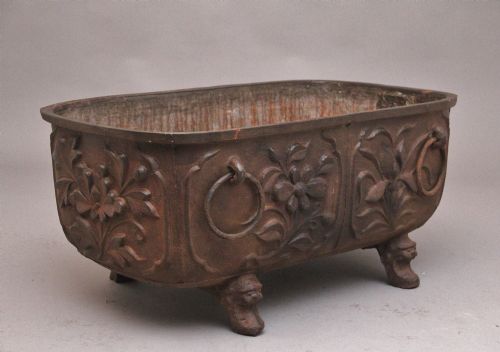
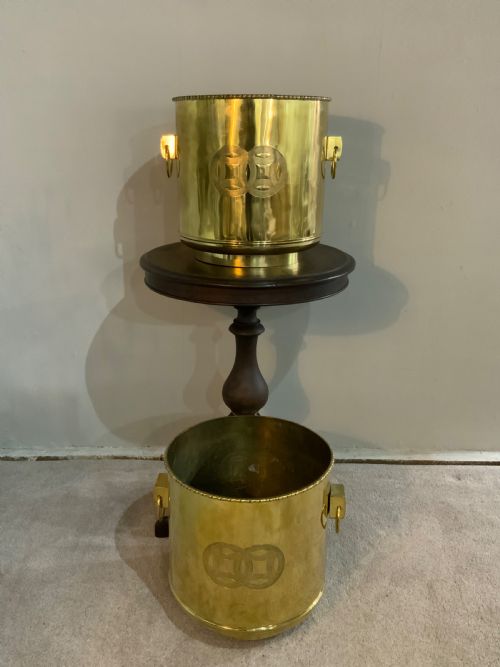
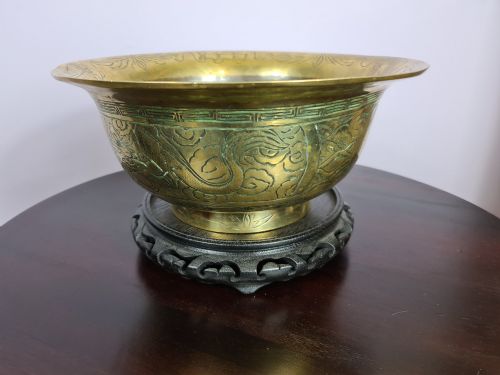
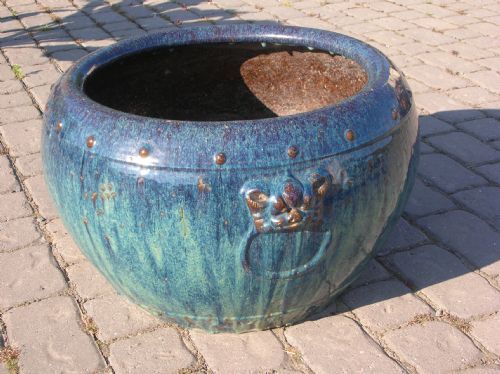
A large chinese planter encompasses robust ceramic fish bowls, heavy metal jardinières, and solid elm harvest vessels originating from the nineteenth and early twentieth centuries. These pieces appear in forms such as sectional bronze bowls, brass troughs, and temple baths intended for substantial plantings or architectural display.
Buyers meet vessels shaped by Qing Dynasty traditions alongside later provincial and revival pieces dating from the late nineteenth century through the nineteen-thirties. The selection bridges formal glazed ceramics with rustic wood and cast iron utility objects adapted for interior display.
How they were made
Metal vessels utilise cast bronze, polished brass, and zinc-lined iron, often incorporating champlevé and cloisonné enamel work to create coloured surface patterns. These heavy pieces require skilled casting and metalworking techniques handed down across generations of artisans.
Ceramic and wooden examples combine hand-carved elm timbers, mortars, and glazed porcelain fish bowls fired to hold water and soil. Artisans shape these organic materials to withstand heavy structural use while displaying intricate surface detail.
Large Chinese Planter Retail Price Guide 2026
Typical asking prices for large chinese planter among the pieces listed under this phrase on Sellingantiques today, from the lower quarter to the upper quarter. They describe what is for sale here now, not the wider market.
Object forms recorded here include heavy garden planters, fish bowls, brass troughs, and hand-carved wooden mortars originating from China.
What varies in quality
Quality rests in the weight of the metal, the precision of the enamel inlay, and the depth of the hand-carved wooden grain rather than simple surface decoration. Pieces displaying complex sectional bronze construction or detailed blue and white glazes stand apart through superior material density and technical execution.
The integrity of original stands, liners, and handles alters the standing of a vessel, distinguishing standard utility items from finer decorative commissions. Proportion and the crispness of script or casting marks further separate everyday regional wares from exceptional examples.
The Large Chinese Planter Glossary
- Jardiniere
- An ornamental pot or stand for holding plants or flowers. These large vessels frequently sit directly on the floor or upon dedicated wooden stands.
- Champleve
- An enamelling technique where trenches are carved into a metal surface and filled with vitreous enamel before firing. This method creates bold, colourful patterns across bronze and brass bodies.
- Cloisonne
- A decorative work in which enamel, glass, or gemstones are separated by strips of flattened wire placed upright on a metal backing. It yields intricate cellular patterns across the exterior of the bowl.
- Fish bowl
- A large, deep ceramic container originally utilised for keeping ornamental fish and later adopted for housing substantial indoor plants.
- Elm
- A sturdy hardwood utilised for harvest baskets and mortars, valued for its prominent grain pattern and tough, resilient structure.
Large Chinese Planter: Frequently Asked Questions
How were large chinese planters used historically?
These large vessels served practical and decorative functions in domestic courtyards, temples, and reception rooms, holding water, fish, or substantial plantings.
Over time, utility items like elm mortars and harvest baskets transitioned from agricultural storage into decorative display pieces within homes.
How do I clean a bronze jardiniere?
Maintenance requires gentle dusting with a dry cloth to preserve the metal patina and protect any delicate champleve or cloisonne enamel work.
Avoid abrasive cleaners or chemical polishes that can strip the aged surface finish and diminish the historical character of the bronze.
Can these planters hold live plants directly?
Many bronze and brass vessels include fitted metal liners, such as zinc inserts, designed to contain soil and moisture safely.
For unlined ceramic fish bowls or wooden baskets, placing a secondary pot inside protects the historic material from constant dampness and water damage.
How do I date a nineteenth century planter?
Dating relies on examining casting techniques, enamel styles, and material wear, comparing the construction methods against documented periods like the Qing Dynasty.
Subtle indicators include the presence of hand-carved tool marks on elm wood or traditional script cast directly into the iron and bronze bodies.