

Large Ceramic Vases
Large ceramic vases are substantial vessels of porcelain, earthenware and pottery designed to command a room, offering both decorative presence and historic craftsmanship.
Large Ceramic Vases
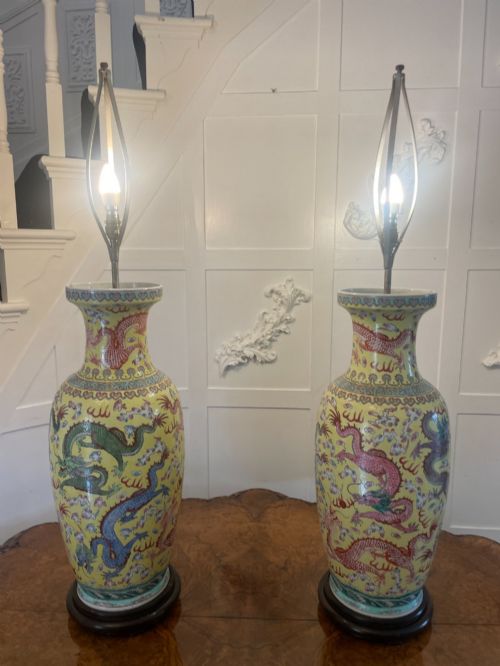
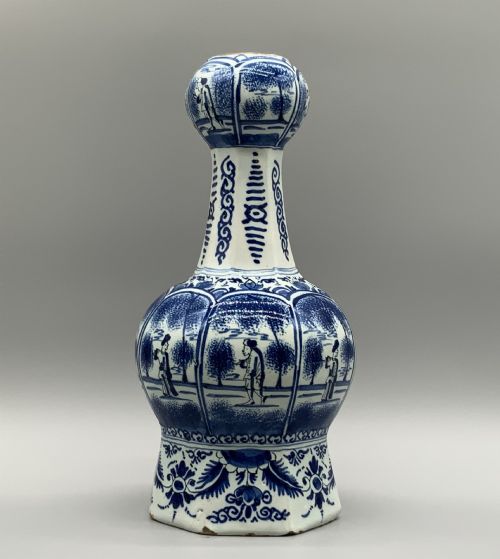
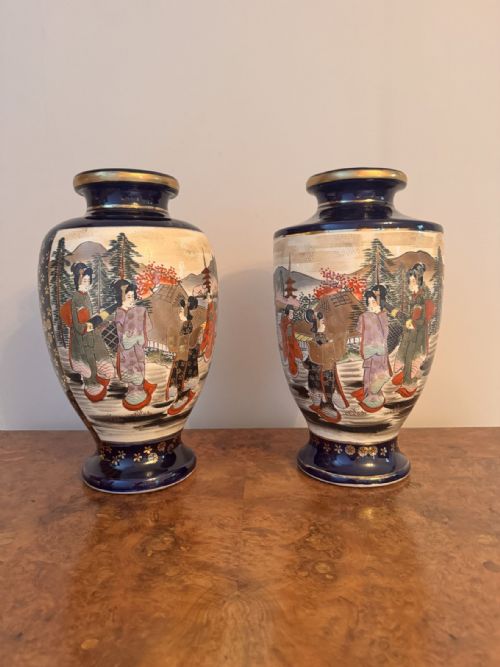
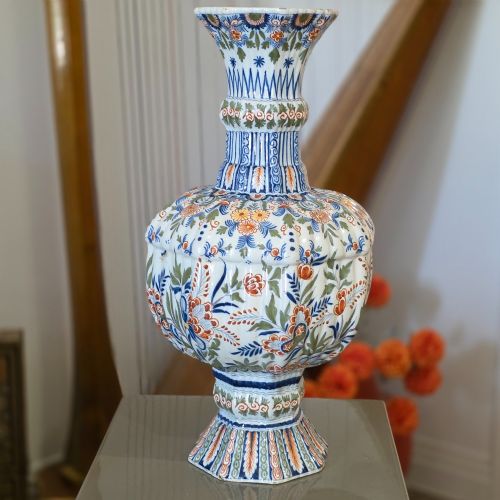
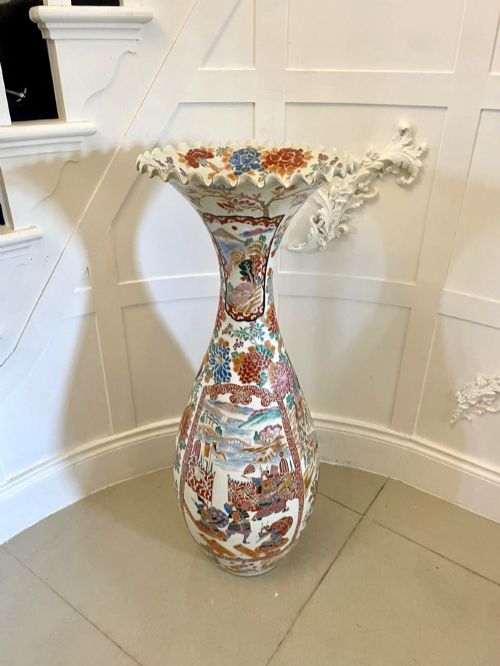
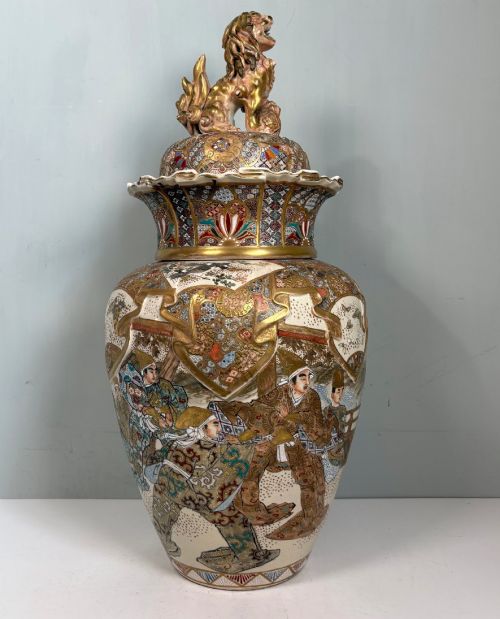
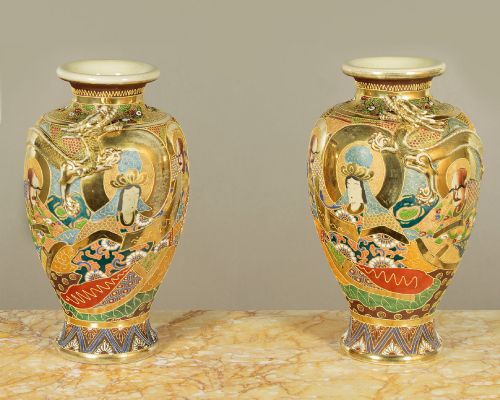
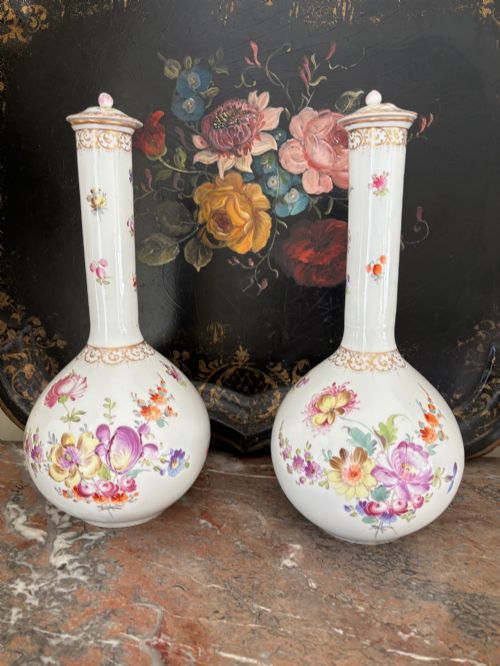
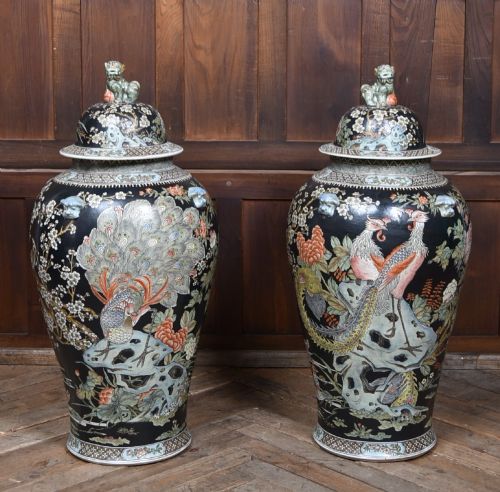
Large ceramic vases encompass major floor standing vessels, mantle jars and table lamps produced across centuries in Europe and Asia. Buyers seeking large ceramic vases will encounter Japanese Satsuma and Imari pieces, Chinese porcelain floor jars, and European earthenware from Staffordshire, Delft and various studio potteries.
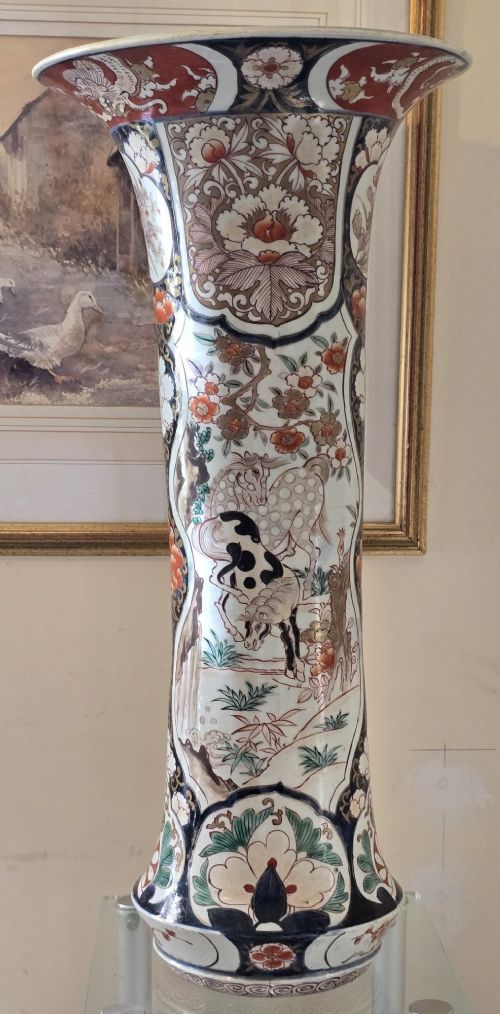
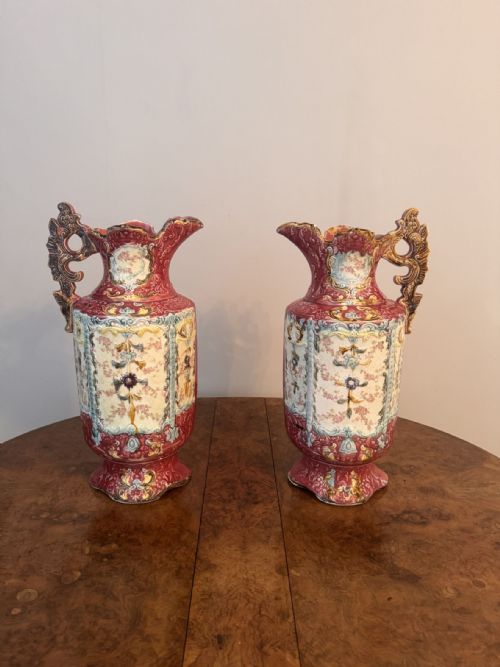
Forms range from tall trumpet shapes and bulbous lidded jars to monumental floor vases and converted ewers. Many examples date from the nineteenth century, though earlier Dutch Delft and Japanese periods are well represented among these heavy, decorative works.
Whether finished with blue and white designs, polychrome enamel or metallic glazes, these large vessels function primarily as focal points within interior spaces. They often incorporate specialist stands of wood or brass fittings from later conversions.
How they were made
Makers utilised ceramic body materials including fine porcelain, dense earthenware and ironstone, shaped either on the potter's wheel or formed within moulds for grander proportions. Surface decoration frequently combined hand-painted pigments, underglaze blue, enamel and raised gold leaf highlights.
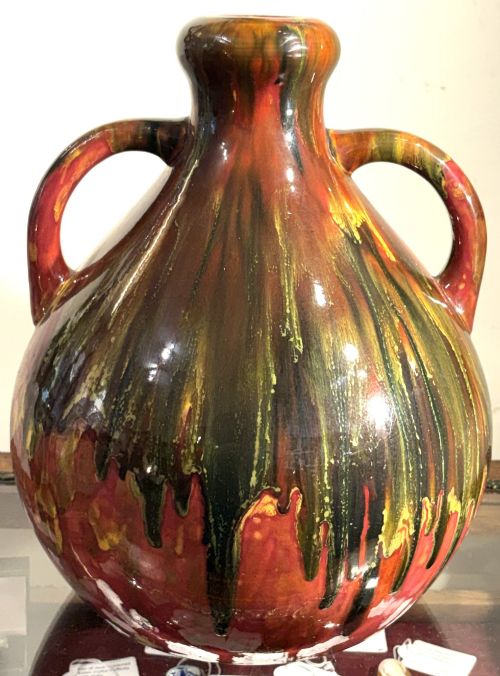
Kiln firing techniques determined the strength and vitrification of the clay, while specialised glazes such as crackle finishes or copper effects created distinctive textures. Many works also integrated applied cabochons, twin handles and fitted wooden bases to support their significant weight.
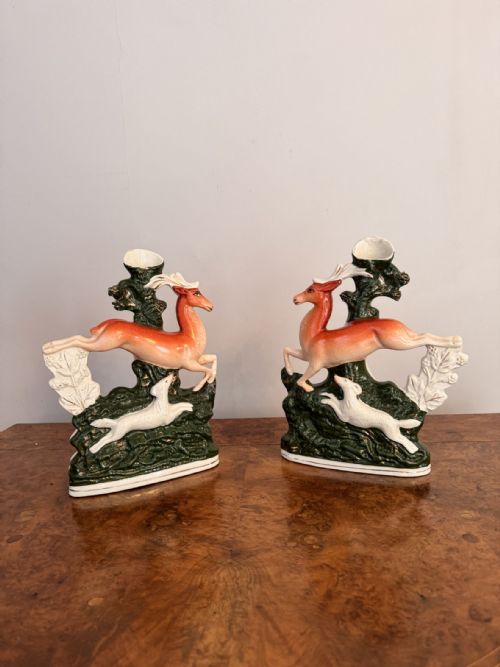
Several Victorian ceramic stags now moonlight permanently as very dedicated spill vases.
What varies in quality
Quality rests in the precision of the hand-painted brushwork, the depth and clarity of the glaze, and the ambition of the original form. Superior pieces display intricate detailing in figural scenes or floral motifs without blurring or misaligned kiln transfers.
The sculptural integrity of the ceramic body and the crispness of moulded elements separate standard production wares from exceptional studio and factory pieces. Original matching lids and authentic accompanying stands further elevate the standing of a vessel within its period.
Hotoda·Makuzu Kozan·Burmantofts·Doulton Lambeth·Sitzendorf
The Large Ceramic Vases Glossary
- Imari
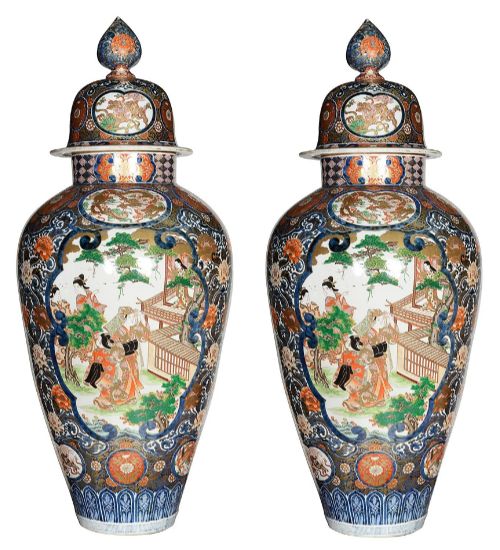
- A style of Japanese export porcelain decorated in underglaze blue and iron red, frequently augmented with gold.
- Satsuma
- A type of Japanese earthenware featuring a pale, ivory crackled glaze decorated with elaborate polychrome and gilt enamel scenes.
- Faience
- European tin-glazed earthenware, often produced in imitation of Chinese blue and white porcelain.
- Ewer
- A large jug with a wide spout and handle, historically used for pouring water but frequently made purely for decorative display.
- Moon flask
- A flattened circular ceramic vessel supported on a small base, inspired by traditional pilgrim bottle forms.
- Spill vase
- A small upright container originally designed to hold wooden spills used for lighting fires or candles.
Large Ceramic Vases: Frequently Asked Questions
Were these vases made as lamps?
Many large ceramic vases were originally produced as pure decorative vessels, floor jars or umbrella stands. They were frequently converted into table lamps during the nineteenth or twentieth centuries by drilling bases or adding fitted electrical brass mounts.
Collectors find both original ceramic forms and period-converted lamp pairings on the market. The presence of drilling or wiring fittings generally reflects these later functional adaptations rather than original studio manufacture.
How do I identify Imari porcelain?
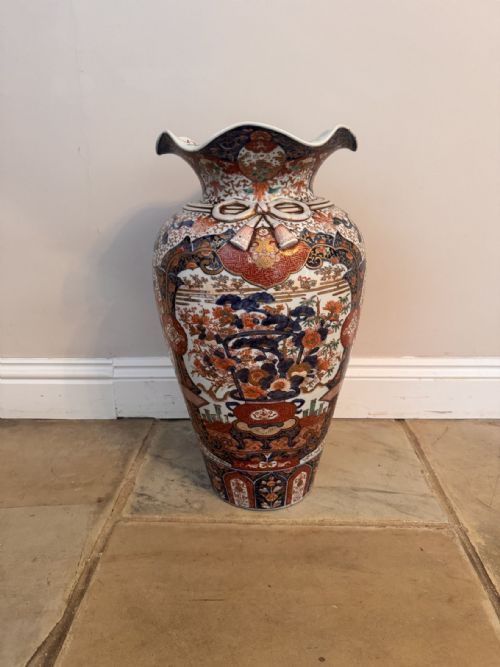
Imari porcelain is readily identified by its distinct palette of deep underglaze cobalt blue and vibrant iron red, typically enriched with gilt detailing. The designs frequently feature complex floral arrangements, brocade patterns and natural scenes.
Originating from the Hizen province in Japan, these pieces were heavily exported to Europe. The porcelain body beneath the glaze is usually dense, white and hard-fired.
Where should I place a floor vase?
Grand floor vases require stable, low-traffic areas where their height and weight will not be disturbed. They suit entryways, empty hall corners, or flanking large architectural fireplaces.
Ensure the vessel rests on a level surface away from direct sunlight, which can fade delicate polychrome enamels over time. Using an appropriate wooden stand helps distribute weight and protects both the ceramic base and the flooring.