



Large Ceramic Plaque
When you handle a large ceramic plaque, you hold centuries of firing skill and ambitious scale in your hands.
Large Ceramic Plaque
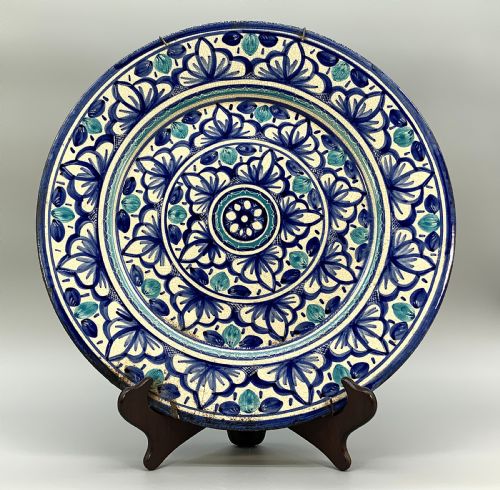
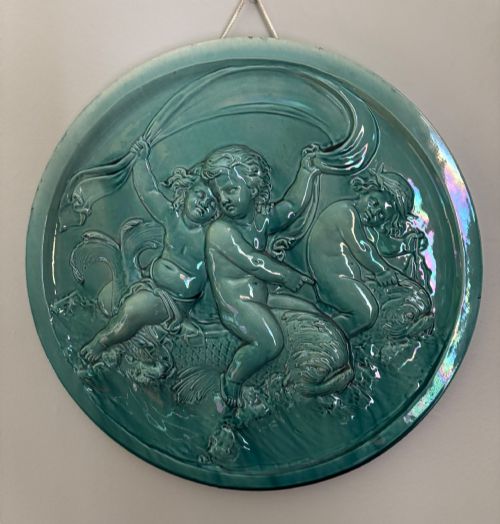
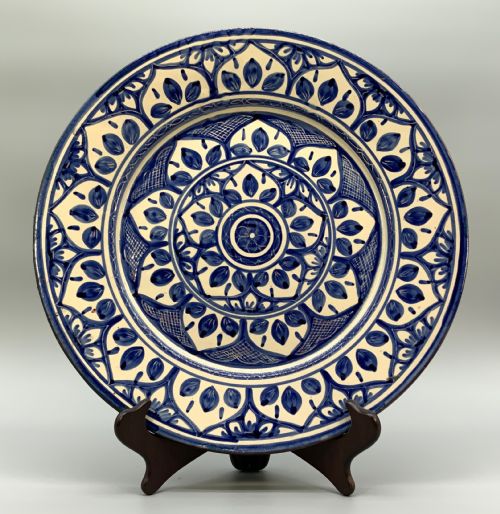
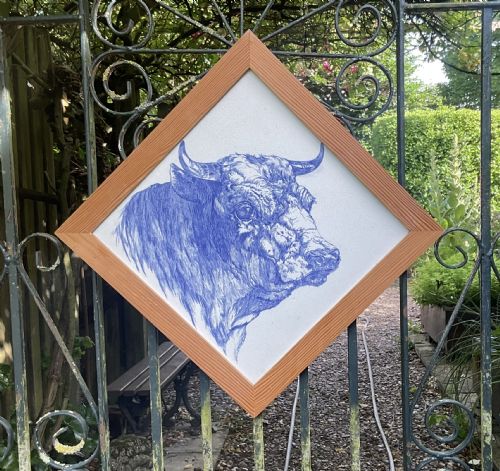
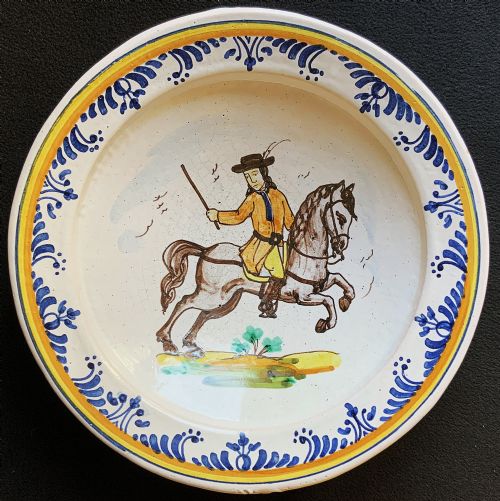
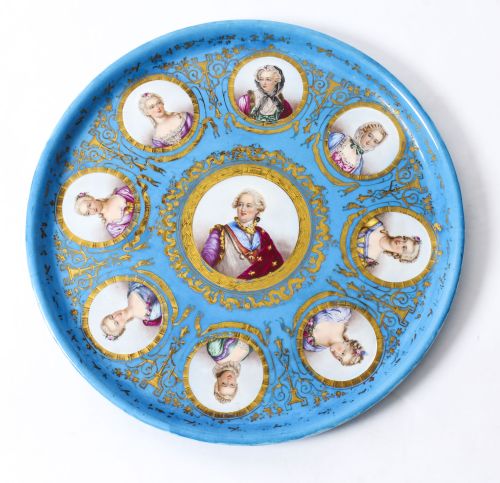
A large ceramic plaque brings together substantial wall-hanging art and domestic utility through forms like charger plates, decorative tiles, and circular dishes.
The pieces on this page span diverse cultural origins and workshops, ranging from European faience and porcelain to Japanese cloisonne and Imari wares.
Makers utilised various surfaces to display historical scenes, floral patterns, and classical figures on an impressive scale.
Methods of creation and material composition
Potters shaped these objects from porcelain, earthenware, and tin-glazed clay before applying rich glazes, enamel, and occasional gold leaf.
Many works combine traditional ceramic bodies with intricate surface treatments, including cinnabar lacquer, painted istoriato scenes, and detailed script tiles.
Large Ceramic Plaque Retail Price Guide 2026
Typical asking prices for large ceramic plaque among the pieces listed under this phrase on Sellingantiques today, from the lower quarter to the upper quarter. They describe what is for sale here now, not the wider market.
A travelling salesman once carried a miniature ceramic plaque jug to demonstrate factory glazes on the road.
Standards of craftsmanship
Quality rests on the precision of the hand-painted detail, particularly in complex figural scenes depicting historical subjects or literary characters.
The stability of the ceramic body and the depth of the glaze firing distinguish ambitious studio pieces from standard decorative wares.
Clement Messier·Mintons·Royal Worcester
The Large Ceramic Plaque Glossary
- Charger
- A large ornamental plate designed primarily for display on walls or sideboards rather than dining use. It provides a broad circular canvas for elaborate painting.
- Faience
- Tin-glazed earthenware produced in Europe, noted for its opaque white background and absorbent porous body. It frequently carries vibrant polychrome or blue and white designs.
- Maiolica
- Italian tin-glazed pottery from the Renaissance onwards, often decorated with historical or mythological narratives known as istoriato scenes.
- Imari
- Japanese export porcelain featuring a distinctive palette of underglaze blue, iron red, and gilt. It became immensely popular across European interiors during the nineteenth century.
- Cloisonne
- Metalwork technique using flat wires to form compartments for enamel pastes, occasionally integrated with ceramic elements on large plates.
Large Ceramic Plaque: Frequently Asked Questions
How do I hang a large ceramic plaque safely?
Heavy ceramic chargers and wall plaques require specialised weight-bearing brackets rather than simple wire hangers. Ensure the mount secures the entire rim without applying excessive pressure to the glazed body.
Position the piece away from direct foot traffic and vibrations to protect the structural integrity of the earthenware or porcelain.
Where were large ceramic plaques displayed historically?
These decorative plates and tiles occupied prominent spaces in dining rooms, libraries, and grand hallways. Their scale allowed makers to showcase detailed narratives and ambitious portraiture.
Owners mounted them on walls or displayed them upright on heavy sideboards to highlight the painted surfaces.
How can I tell European faience from Japanese porcelain?
European faience utilises an opaque tin glaze over a softer earthenware body, often showing a slightly porous edge where the clay meets the glaze. Japanese porcelain possesses a harder, vitrified white body that rings clearly when tapped.
The pigment application and styling also point immediately to either continental workshops or Meiji-period kilns.
What does an istoriato scene mean on a charger?
An istoriato scene covers the entire surface of a plate with a narrative painting derived from classical history or literature. Artists utilised the broad canvas of a large charger to render complex figures and architectural backgrounds.
These pieces function as true paintings executed in ceramic pigments rather than simple geometric patterns.