

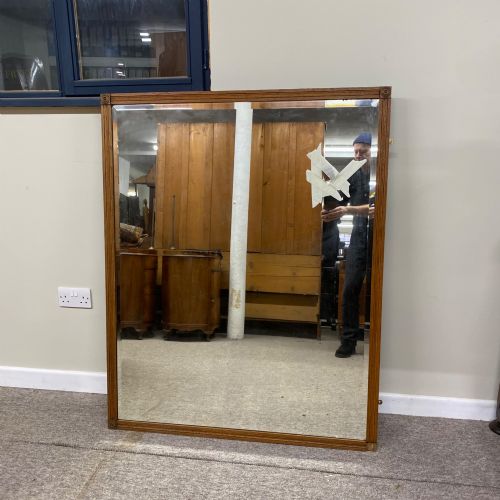
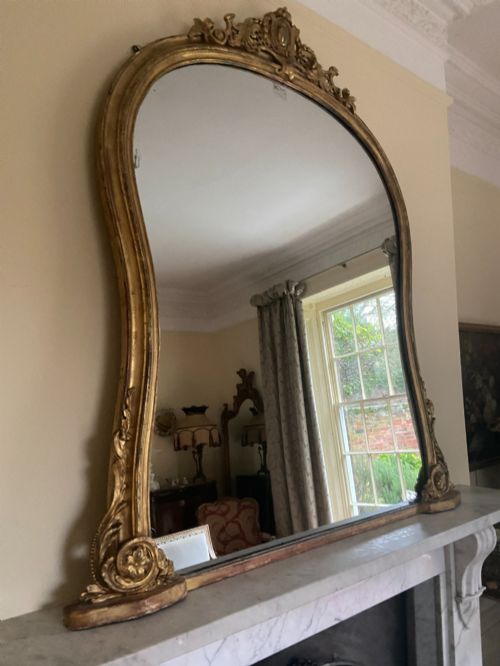
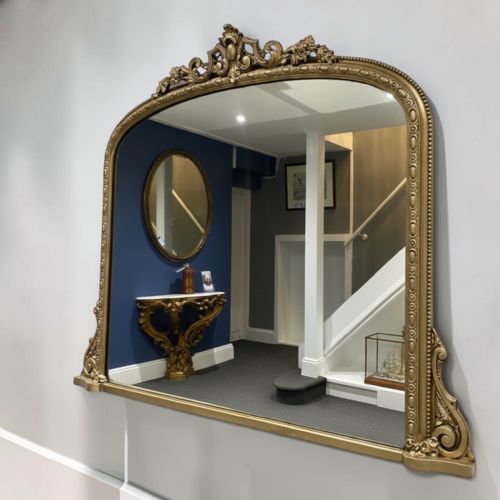
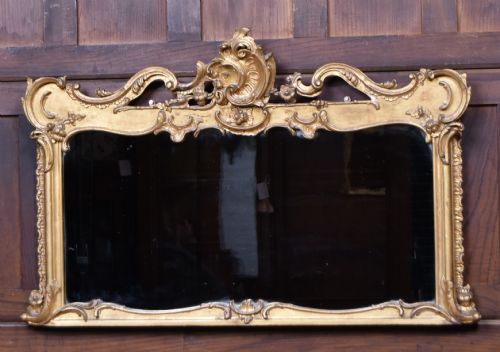
Large Carved Chimney Glass
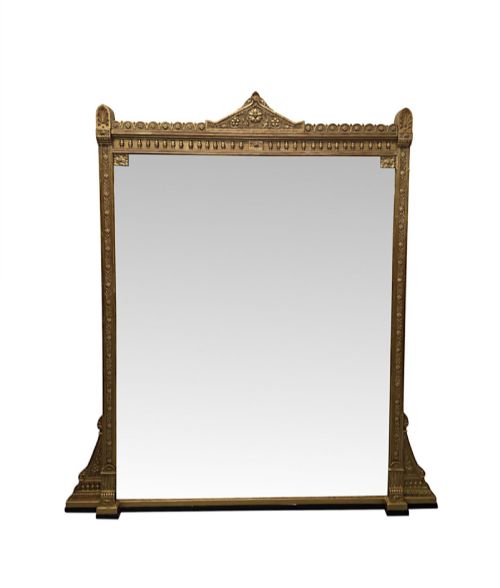
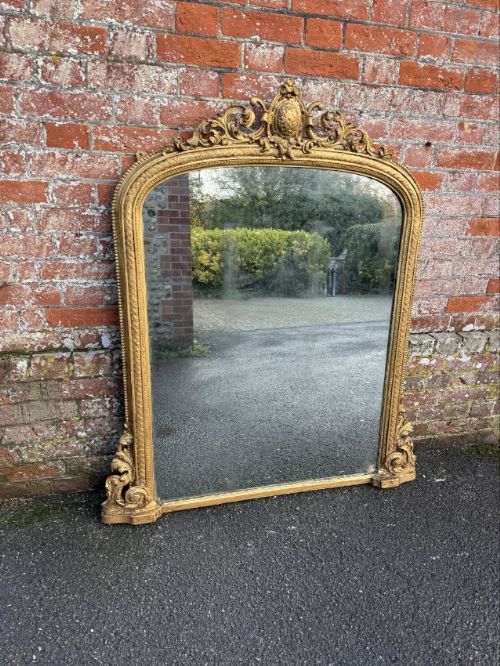
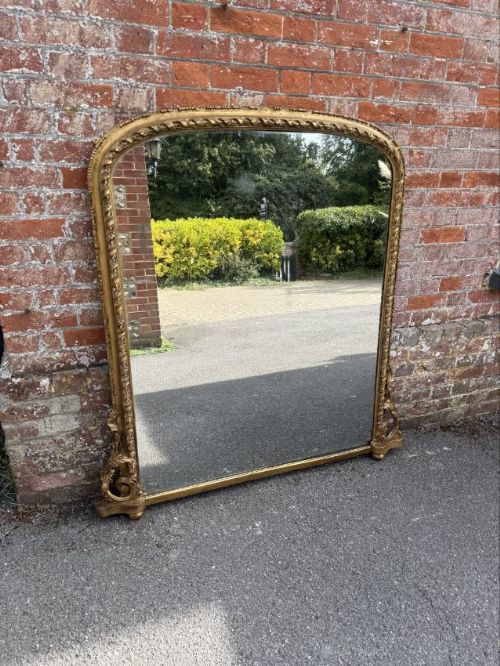
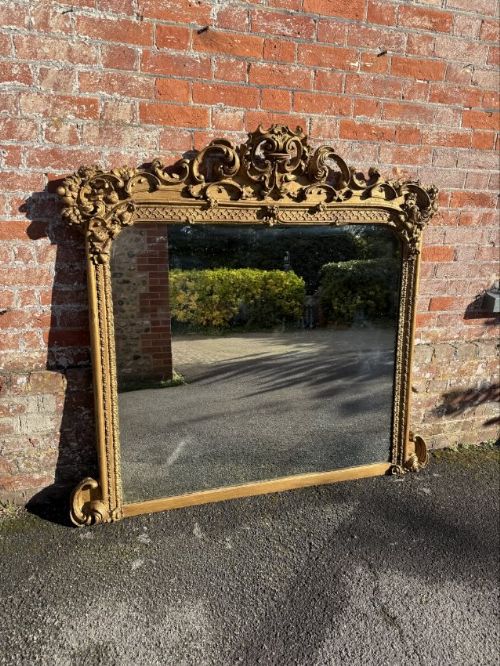
A large carved chimney glass sits above the hearth, drawing light into the room and commanding the wall with substantial Victorian presence.
Large Carved Chimney Glass
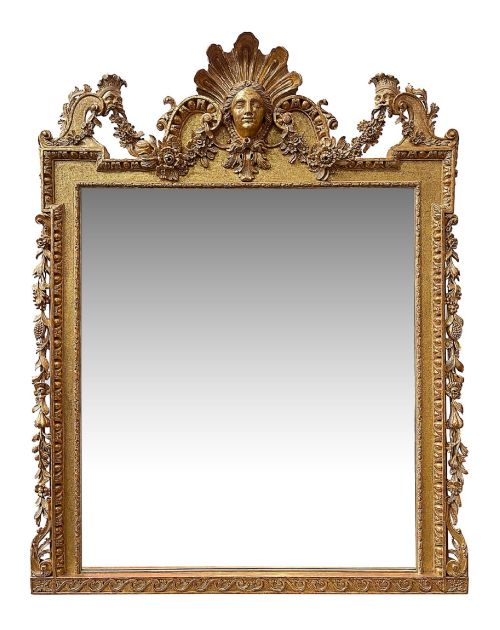
A large carved chimney glass functions primarily as an overmantel mirror designed to sit directly upon a fireplace mantelpiece, filling the vertical space of the chimney breast. These pieces appear predominantly in nineteenth-century forms, spanning Victorian, Regency, and Georgian eras, reflecting the domestic architecture of their time.
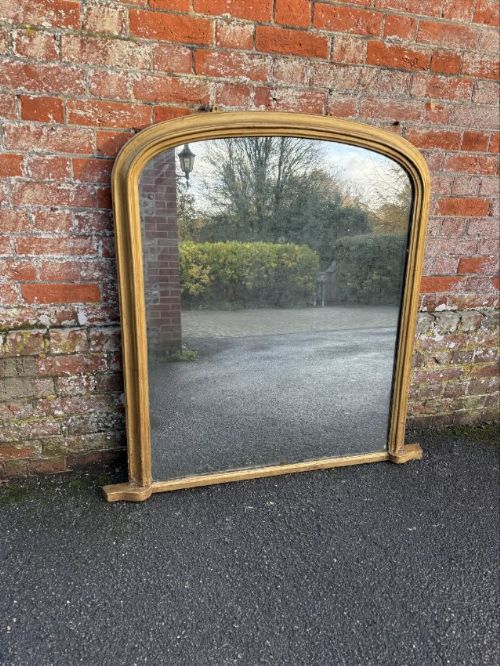
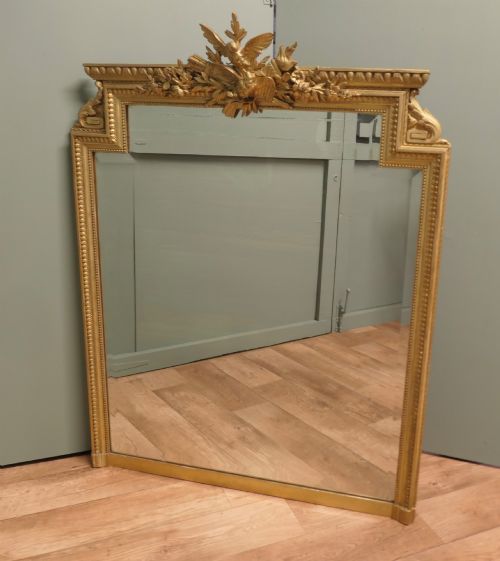
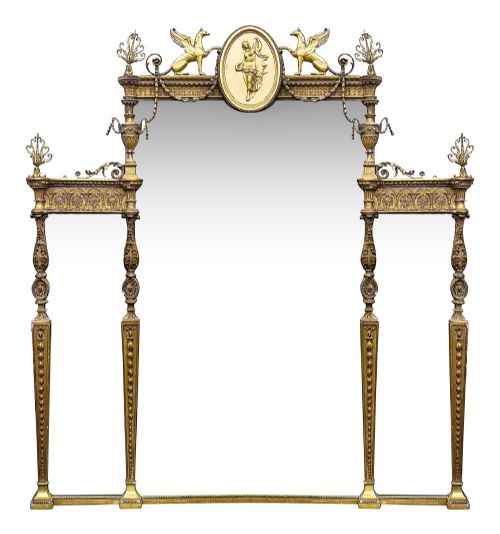
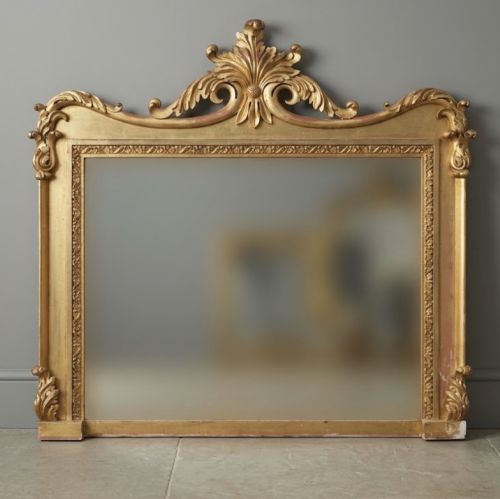
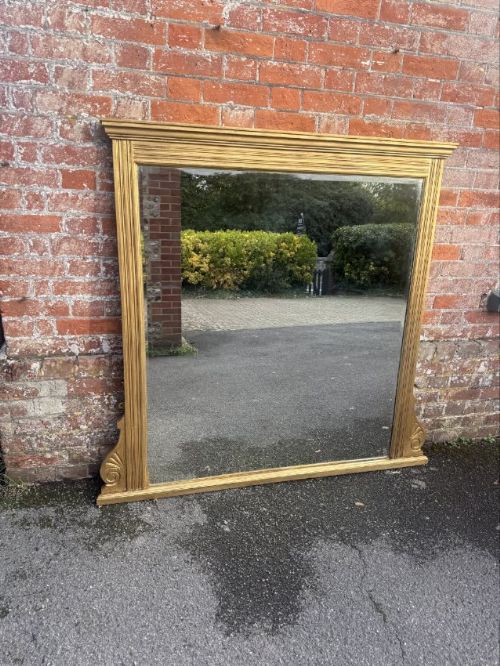
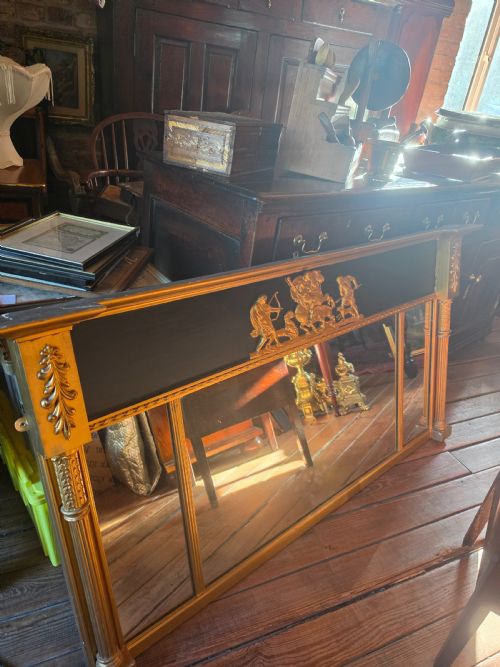
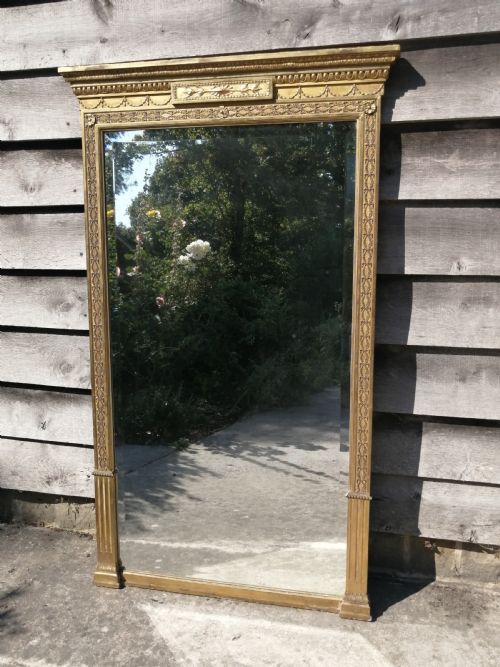
The dominant format on this page is the English nineteenth-century overmantel mirror, often shaped with an arched, serpentine, or rectilinear top and executed in giltwood and gesso. Such mirrors were built to anchor grand principal reception rooms, utilising their expansive glass plates to amplify natural daylight from windows.
Makers and workshops deployed distinct stylistic revivals, incorporating Rococo scrolls, Neoclassical columns, and Gothic oak framing into the wooden structures. Each variation reveals how period interior design prioritized architectural scale and reflective brilliance above the mantel.
How they were made
Makers constructed the foundational framework using carved wood, frequently employing pine or oak as a sturdy base for subsequent ornamentation. This timber chassis provided the structural integrity required to support heavy glass plates across grand horizontal and vertical dimensions.
Surface enrichment relied heavily on gesso and composition applied over the wood, which workers moulded into intricate rope twists, ribbed columns, and sculptural motifs before applying gold leaf or paint. Giltwood finishes were burnished to catch the flicker of candles and coal fires within the Victorian interior.
Original mirror glass was set securely into the rebate behind these decorated frames, often exhibiting the subtle imperfections and weight characteristic of nineteenth-century manufacturing methods. Parcel-gilt and painted highlights were then added to accentuate the depth of the carved woodwork and composition details.
Large Carved Chimney Glass Retail Price Guide 2026
Typical asking prices for large carved chimney glass among the pieces listed under this phrase on Sellingantiques today, from the lower quarter to the upper quarter. They describe what is for sale here now, not the wider market.
What varies in quality
The sophistication of the carved wood and gesso ornamentation dictates the primary tier of craftsmanship, separating sharply hand-modelled botanical or figurative motifs from repetitive, mass-produced composition pressings. Superior examples display crisp undercutting in the woodwork and meticulous application of gold leaf rather than flat, uniform modern metallic paints.
Proportion and structural harmony define the upper echelon of these large chimney glasses, where arches, ribbed columns, and pediments relate naturally to the scale of the mirror plate. Lesser pieces may exhibit awkward junctions in the frame or heavy, unbalanced timber dimensions that fail to integrate the glass.
The preservation of original mirror glass and gilding surfaces determines the integrity of the piece over time. Refilvered plates or stripped frames alter the historical resonance, whereas untouched nineteenth-century surfaces retain the soft oxidation and patination valued by purists.
Ciceri and Co
The Large Carved Chimney Glass Glossary
- Overmantel mirror
- A large looking glass specifically proportioned to hang or stand upon the mantelpiece above a fireplace. They typically feature wide horizontal or vertical formats to dominate the chimney breast.
- Gesso
- A plaster-like mixture applied to wooden frames and carved or moulded into decorative reliefs before gilding. It provides the smooth, responsive surface necessary for sharp architectural details.
- Giltwood
- Timber that has been coated with thin sheets of gold leaf over a prepared bole and gesso ground. This technique gives the frame its characteristic luminous metallic sheen.
- Composition
- A mouldable mixture of whiting, glue, resin, and oil pressed into ornamental shapes for quicker decoration of frames. It was widely used alongside hand-carved wood in the nineteenth century.
- Trumeau mirror
- A decorative mirror integrated into the architectural panelling or wall above a fireplace, often featuring painted or carved panels above the glass. These grand pieces originated in French interior schemes.
Large Carved Chimney Glass: Frequently Asked Questions
Where should a large carved chimney glass be hung?
These mirrors belong centrally above a fireplace mantelpiece, resting on the shelf or secured firmly to the wall studs to bear the substantial weight of the timber and glass.
Positioning them at this height allows the plate to reflect light from opposing windows across the room, doubling the perceived brightness of the interior space.
How do I identify a Victorian overmantel mirror?
Victorian examples frequently combine carved wood and gesso with arched tops, rope twist frames, or elaborate Rococo and Neoclassical revival motifs dating from the mid to late nineteenth century.
Examining the construction behind the frame and the weight of the glass plate helps confirm the period manufacturing techniques typical of this era.
Can these mirrors stand on a mantel without fixing?
While many historical chimney glasses were simply rested on the mantel shelf and leaned against the wall, their considerable height and weight demand secure wall fixings for safety.
Using discreet brackets ensures the heavy gesso and wood frame remains stable without compromising the historical appearance of the piece.
What distinguishes Regency styles from Victorian pieces?
Regency overmantel mirrors often display cleaner architectural lines, classical pilasters, and restrained gilded framing influenced by earlier Georgian neoclassical ideals.
Victorian versions tend toward heavier ornamentation, incorporating deeper carved gesso, shaped arched tops, and exuberant revival styles such as French Chateau or Gothic oak.