





Large Bronze Figurine
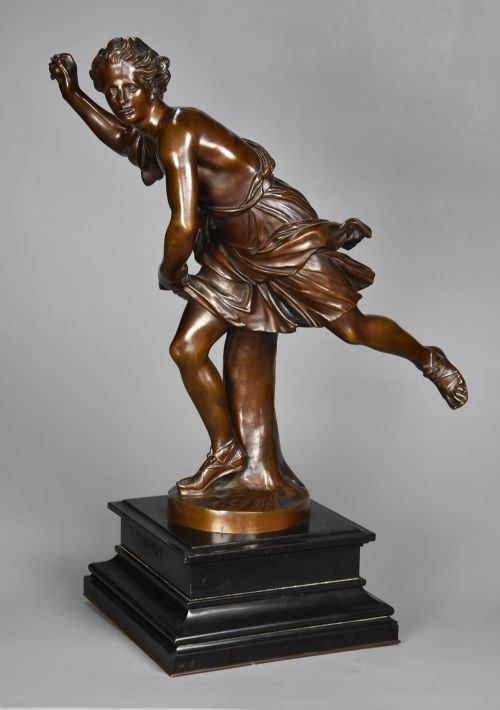
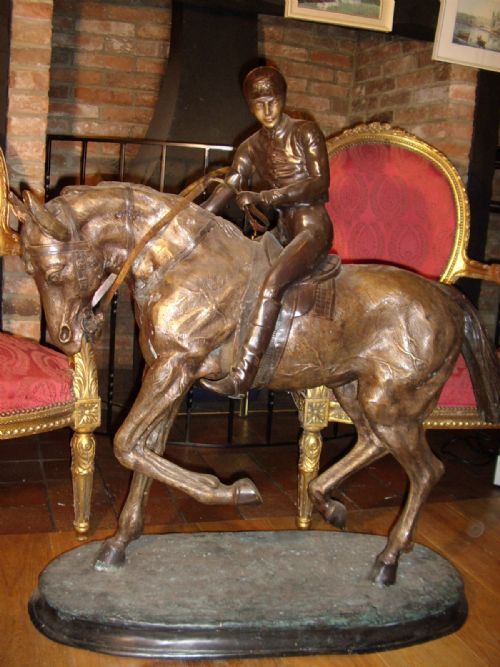
A large bronze figurine brings scale and presence to a room, drawing the eye directly to the modelling of the human, animal or allegorical subject.
Large Bronze Figurine
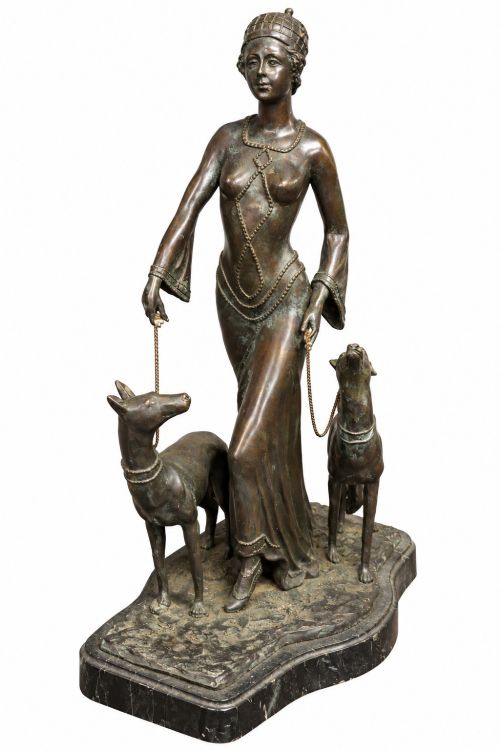
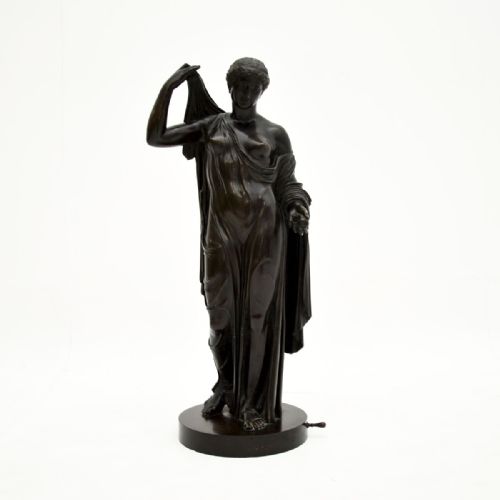
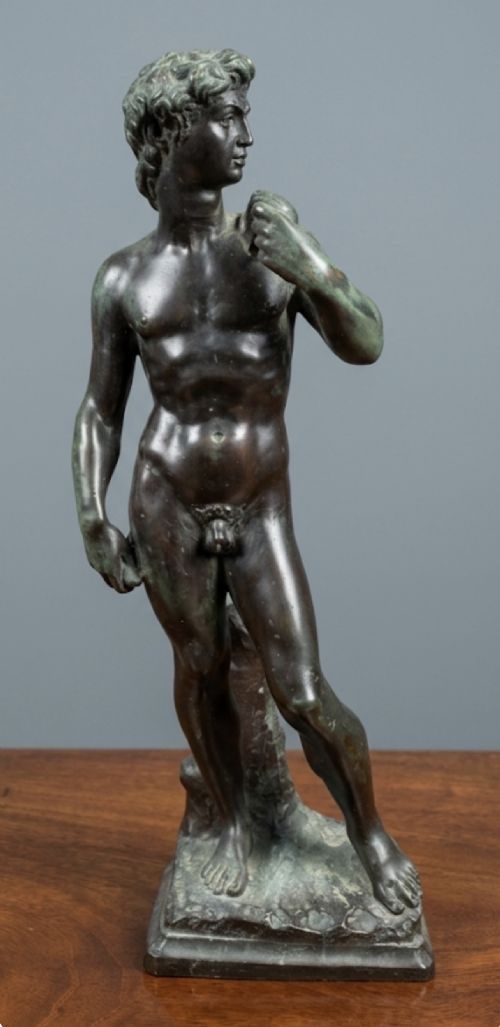
A large bronze figurine represents substantial sculptural works cast primarily in the nineteenth and early twentieth centuries, spanning periods from the Victorian era through Art Deco. These pieces take many forms, including human figures, dancers, animals, mythological subjects and portrait busts.
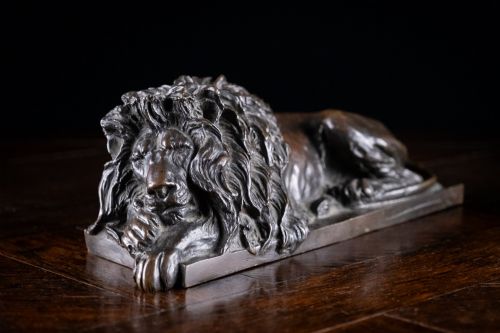
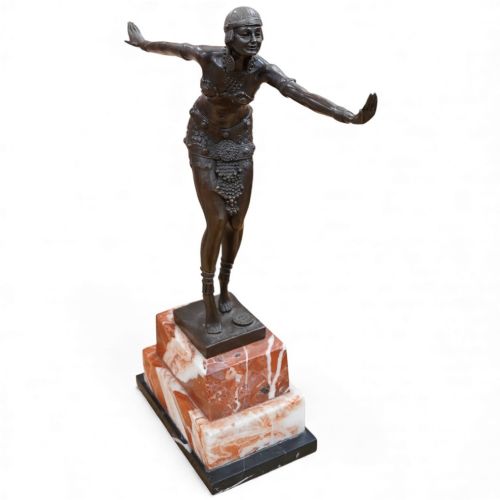
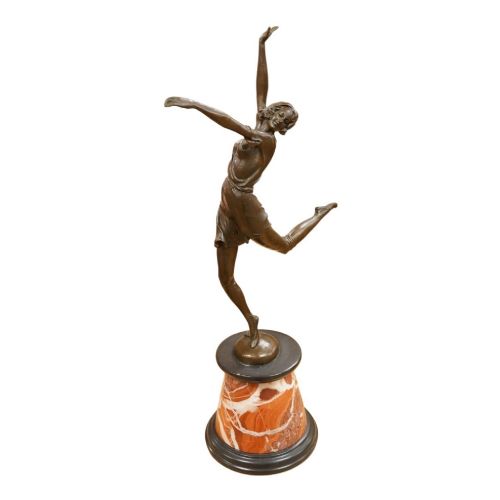
The objects most frequently met on this page include French animalier groups, Neoclassical figures and Art Deco dancers mounted on stone bases. Makers and founders adapted classical and contemporary models into substantial display pieces for domestic interiors and public spaces.
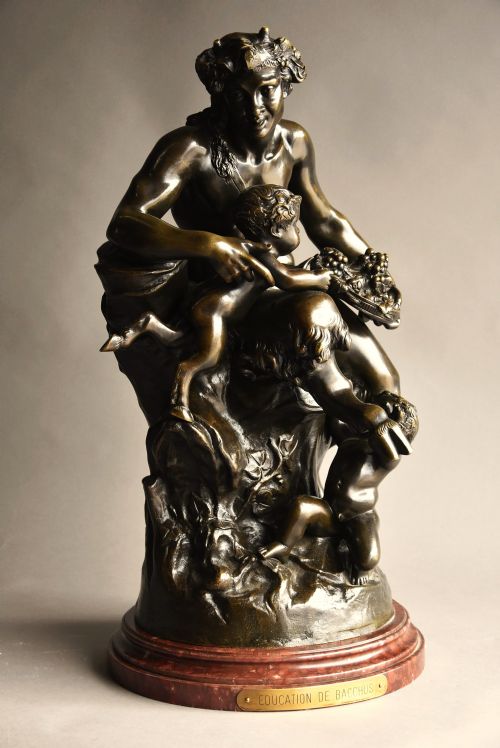
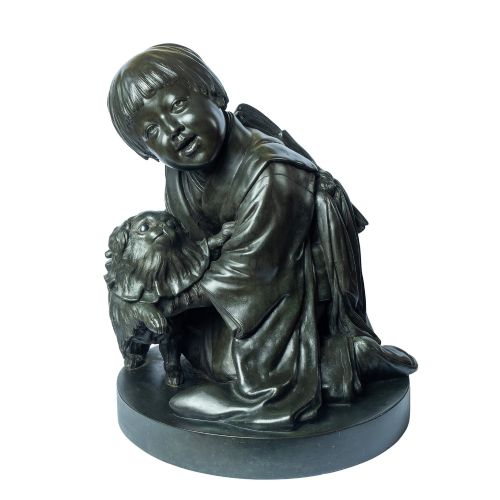
Makers utilised various metals alongside bronze, producing sculptures that range from classical mythological heroes to Japanese okimono. Buyers encounter figures elevated on marble or onyx plinths, designed to command attention on tables, desks or pedestals.
Materials and casting methods
Foundries cast these figures using traditional techniques, pouring molten metal into moulds to capture fine anatomical details and textures. Many twentieth-century and nineteenth-century works combine bronze or patinated metal with dense stone bases such as marble and onyx.
Makers applied chemical patination to the metal surfaces to create tonal variations ranging from deep brown to gilt and cold-painted finishes. Spelter and brass also appear as alternative base materials in place of solid bronze, often receiving similar surface treatments to mimic heavier metal.
Large Bronze Figurine Retail Price Guide 2026
Typical asking prices for large bronze figurine among the pieces listed under this phrase on Sellingantiques today, from the lower quarter to the upper quarter. They describe what is for sale here now, not the wider market.
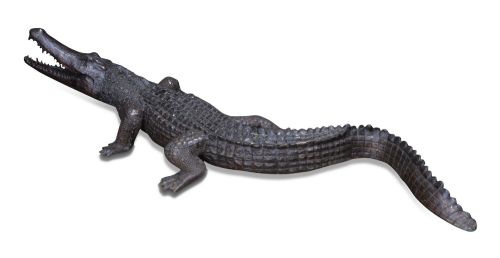
A life-size bronze crocodile stretches nearly three metres long across the listings.
Distinctions in craftsmanship and casting
The integration between the metal figure and its stone base separates standard production from superior examples. Heavy marble and onyx plinths fitted specifically to the sculpture provide structural stability and visual balance.
Georges Gori·D.H. Chiparus·Bruno Zach·Barbedienne·Coustou·Claude Michel Clodian·Pierre Jules Meme·michaelangelo·MASAAKI·Charmereine·Remington·Antonio Merente·Franz Bergman·Emile Louis Picault·Villanis·C Masson·Aug. Moreau·Bugatti·G.GARDET·C Dopmeyer·Josef Lorenzl
The Large Bronze Figurine Glossary
- Bronze
- An alloy of copper and tin used by founders for centuries to achieve durable and detailed sculptural casts. This material takes patination well and permits sharp chisel work after removal from the mould.
- Patinated Bronze
- Metal treated with chemical solutions to produce a specific surface colour or aged finish. This layer protects the underlying alloy and accentuates the contours of the sculpture.
- Spelter
- A zinc alloy commonly utilised as a less expensive alternative to bronze during the nineteenth and twentieth centuries. Figures cast in this material often carry a dark patinated finish to resemble heavier metal.
- Okimono
- A Japanese decorative carving or casting intended for display on a tabletop or shelf. These pieces frequently depict animals, figures or complex multi-part scenes from the Meiji period.
- Animalier
- A nineteenth-century artistic genre focusing on the realistic depiction of animals, particularly predators, horses and hounds in motion. Sculptors working in this style studied animal anatomy closely to capture natural tension.
Large Bronze Figurine: Frequently Asked Questions
How do I clean a bronze figurine?
Dust the surface gently with a soft, dry brush to remove particles without disturbing the underlying patination. Avoid water, abrasive cloths and chemical cleaners that strip the finish.
Apply a very thin layer of microcrystalline wax if the metal requires protection against atmospheric moisture. Buff the surface lightly with a clean cloth after application to maintain a stable sheen.
Are these figures solid bronze?
Many larger sculptures are cast hollow to reduce weight and metal usage while maintaining structural integrity. Founders utilised armature frameworks within the casting process to support complex limbs and extended poses.
Alternative materials such as spelter or patinated metal also appear in place of solid bronze. Checking the weight and inspecting the underside often reveals the exact metal composition.
How do I identify an Art Deco piece?
Art Deco sculptures typically feature streamlined forms, geometric clothing folds and dynamic poses associated with dancers or athletic figures. These works frequently date from the 1920s and 1930s.
Makers often mounted these figures on stepped black marble or onyx plinths. The subjects reflect modern speed, fashion and exoticism popular during the interwar period.
What is an animalier sculpture?
Animalier works focus entirely on the naturalistic behaviour and anatomy of animals rather than human narratives. Artists in the nineteenth century studied wild beasts and domestic animals to capture tension and movement.
These group castings depict lions, stags, elephants and hounds interacting or resting. The style prioritises anatomical accuracy and vigorous surface texture.