

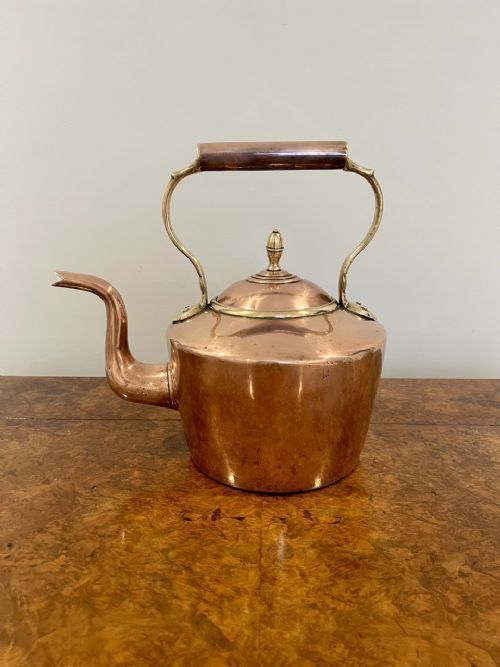


Large Brass Kettle
These large brass kettle examples are heavy, working hearth vessels you buy to bring genuine warmth and character to a room.
Large Brass Kettle
When you search for a large brass kettle, you are looking at substantial hearth vessels built for heavy domestic service during the Georgian and Victorian periods. Most pieces you meet on this page date from the nineteenth century or the late eighteenth century, often appearing alongside related copper cookware and samovars.
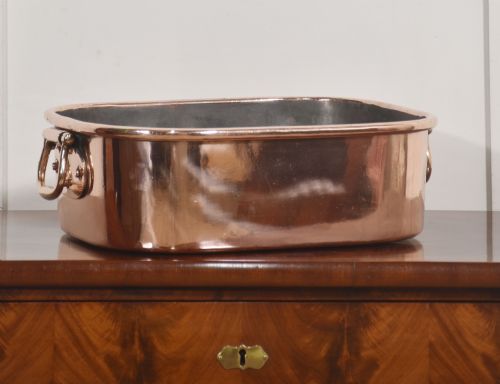
The selection here includes oval shaped copper kettles, fish kettles, and water urns alongside brass trivets. These forms reflect the practical needs of large households where hot water and heated vessels were in constant daily demand.
How they were made
These pieces rely on brass and copper, frequently combined with iron, tin, bone, and wood for handles and fittings. Artisans shaped sheet metal by hand, using rivets and seams to join the bodies and spouts securely for heavy usage.
Polished surfaces highlight the warmth of the primary metals, while interior tinning provided a safe lining for boiling water. Details like turned wooden handles and bone insulators show the practical consideration given to handling hot metal.
Large Brass Kettle Retail Price Guide 2026
Typical asking prices for large brass kettle among the pieces listed under this phrase on Sellingantiques today, from the lower quarter to the upper quarter. They describe what is for sale here now, not the wider market.
What varies in quality
The distinction between standard utility items and the finest examples lies in the crispness of the hand-beaten form and the elegance of the handle attachments. George III pieces often display refined proportions and careful oval shaping that mark them out from ordinary kitchenware.
Integrity of construction and the retention of original fittings dictate the standing of a piece. Samovars and water urns with intact taps and well-fitted lids command attention for their complex smithing and decorative presence.
The Large Brass Kettle Glossary
- Brass
- An alloy of copper and zinc known for its bright golden appearance and durability. It was frequently cast or spun for trivets and decorative fittings.
- Copper
- A malleable reddish metal used extensively for the main bodies of kettles and urns due to its excellent heat conductivity. It takes a high polish.
- Trivet
- A metal stand with feet used to support a hot kettle or cookware above the hearth or table. These items often feature pierced brass tops.
- Samovar
- A large heated urn traditionally used to boil water for tea. Victorian examples combine substantial capacity with ornate taps and handles.
- Tin lining
- A protective coating applied to the interior of copper and brass vessels to prevent water from contacting the base metal. This layer was essential for safe use.
Large Brass Kettle: Frequently Asked Questions
How do I clean a brass kettle?
Use a gentle metal polish applied with a soft cloth to maintain the shine without scratching the historic surface. Avoid harsh abrasives that can wear away the character built up over centuries.
Allow the metal to develop a natural tone if you prefer a softer, aged appearance rather than a bright finish. Regular dusting keeps the surface safe from atmospheric grime.
Can I use these kettles on a modern stove?
Most antique hearth vessels are sold primarily for display and decorative appreciation rather than daily culinary use. The soldered joints and historic linings may not withstand modern high heat sources.
Examine the interior and base carefully before considering any practical boiling tasks. Many buyers choose to display them on a hearth or sturdy shelf.
How do I date a Georgian kettle?
Look at the hand-beaten construction marks, the shape of the spout, and the style of the handle attachments. Georgian pieces often feature distinct oval forms and simpler, robust mountings.
Compare the specific metal patination and construction techniques with documented examples from the period. Construction details usually provide the clearest clues to age.
What is the difference between a kettle and a samovar?
A kettle is designed to be lifted and poured, typically featuring a swinging handle over the top. A samovar is a large urn fitted with a spigot near the base for drawing off hot water.
Samovars are generally heavier and more complex, intended to stay stationary on a sideboard or table. Both served to supply hot water for tea in historic homes.