




Large Brass Bin
A large brass bin brings heavy, warm metal into a room, serving as a robust container for logs or plants.
Large Brass Bin
When you search for a large brass bin, you are looking at substantial metal vessels that double as fireside accessories and planters. These pieces span periods from the Georgian era through the Victorian years and into the 1930s, often combining brass with copper bodies.
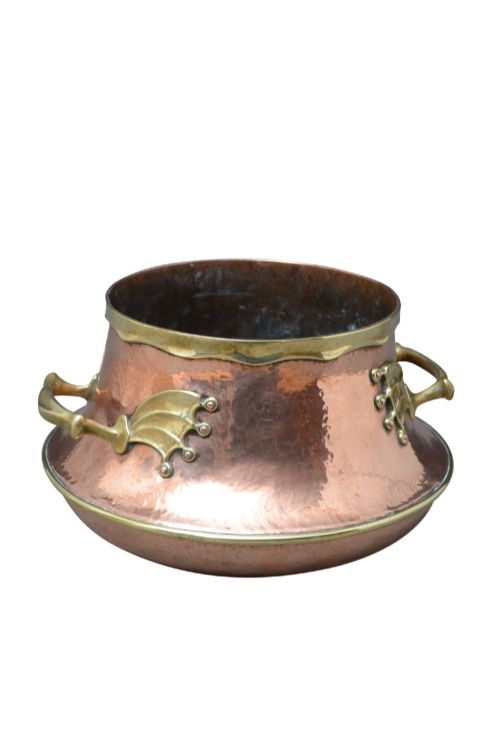
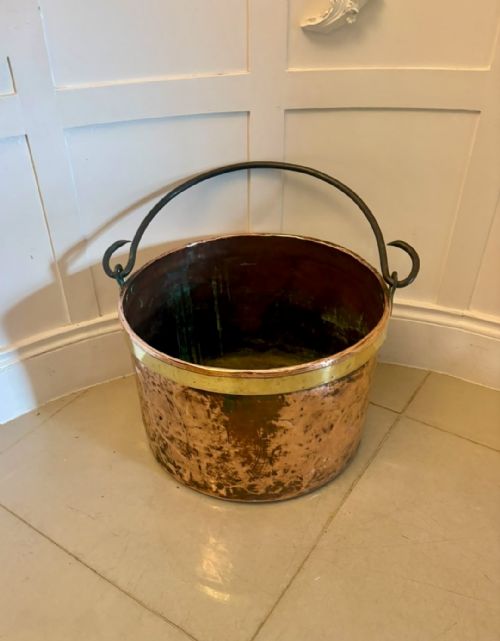
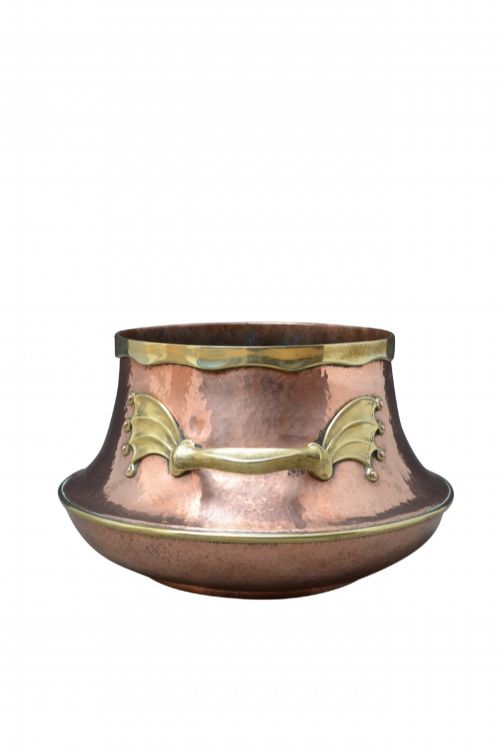
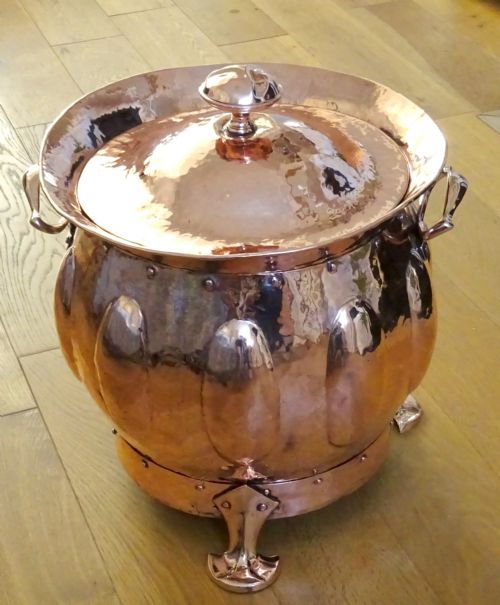
The version you are most likely to meet on this page is a nineteenth-century Victorian or later vessel used for holding logs, coal, or plants. They frequently appear as jardinieres, cauldrons, or buckets with distinct metal handles and patinated surfaces.
How they were made
These vessels are built primarily from sheet brass and copper, sometimes incorporating wrought iron or tin for structural strength. Metalworkers hammered, shaped, and embossed the panels by hand, creating textured surfaces visible in hammered finishes and dinanderie work.
Construction techniques often involve riveted or seam-joined metal plates forming deep cylindrical or cauldron shapes. Handles and mounts are securely attached to bear the weight of heavy contents like firewood or damp soil.
Large Brass Bin Retail Price Guide 2026
Typical asking prices for large brass bin among the pieces listed under this phrase on Sellingantiques today, from the lower quarter to the upper quarter. They describe what is for sale here now, not the wider market.
Listings feature vessels constructed from brass, copper, wrought iron, and tin across multiple design periods including Georgian, Victorian, and Art Deco.
What varies in quality
Quality rests in the heaviness of the gauge metal and the crispness of any hand-hammered or embossed decoration. Finer vessels show deliberate craftsmanship in their seams and structural mounts rather than rushed assembly.
The depth of the natural patina and the integrity of the original surface also separate standard utility items from more decorative examples. A well-preserved shape with strong, intact handles demonstrates superior original manufacture.
The Large Brass Bin Glossary
- Dinanderie
- Ornamental brass or copper ware named after the Belgian town of Dinant. It refers to articles shaped and decorated by beating the metal.
- Jardiniere
- An ornamental pot or stand for holding plants or flowers. These large vessels often double as planters.
- Patina
- The surface sheen and colour acquired by metal over decades of age and handling. It reflects the history and oxidation of the brass and copper.
- Cauldron
- A large metal pot with a rounded base and sturdy rim. They are frequently utilised as fireside log stores.
Large Brass Bin: Frequently Asked Questions
How do I clean a brass bin?
Wash the metal gently with warm soapy water and a soft cloth to remove dust and dirt. Avoid harsh chemical cleaners that strip away the aged patina.
Dry the surface thoroughly to prevent water spots. Leaving the natural tarnish intact preserves the historical character of the piece.
Can I use these bins outdoors?
Many of these vessels function well as garden planters or patio containers for large plants. Ensure proper drainage if planting directly into the metal.
Keep in mind that continuous outdoor exposure will alter the metal surface more rapidly. Weather conditions will deepen the oxidation and change the existing finish.
What were they originally used for?
These containers served primarily domestic purposes near the hearth, holding coal, peat, or firewood. They also acted as decorative plant holders in grand reception rooms.
Their robust construction allowed them to handle heavy loads of fuel daily. Over time, their utility shifted as domestic heating methods evolved.
How do I date a brass bin?
Examine the construction methods, such as the type of rivets, seams, and handle attachments used on the body. Machine-rolled sheets and specific decorative styles point toward later periods like Art Deco or the 1930s.
Earlier nineteenth-century examples often display hand-beated surfaces and heavier gauge brass combined with copper. Comparing the overall form against known period styles helps narrow down the decade.