



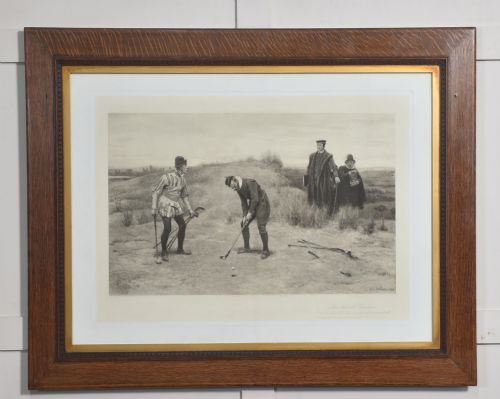
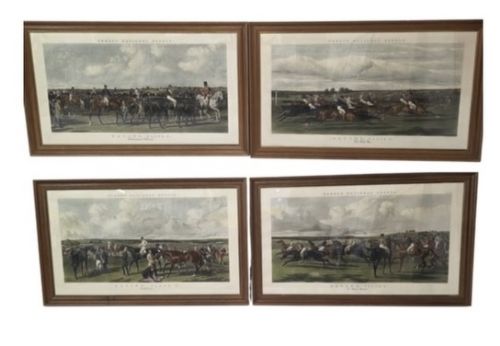
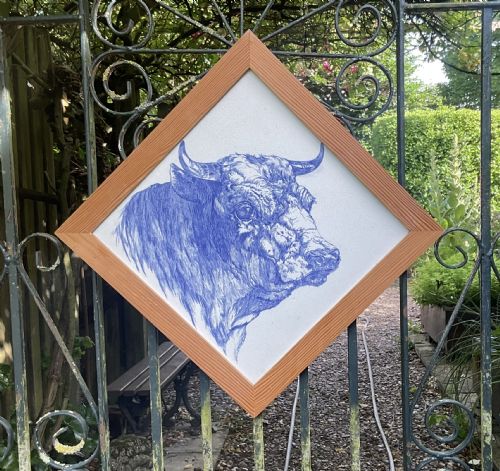
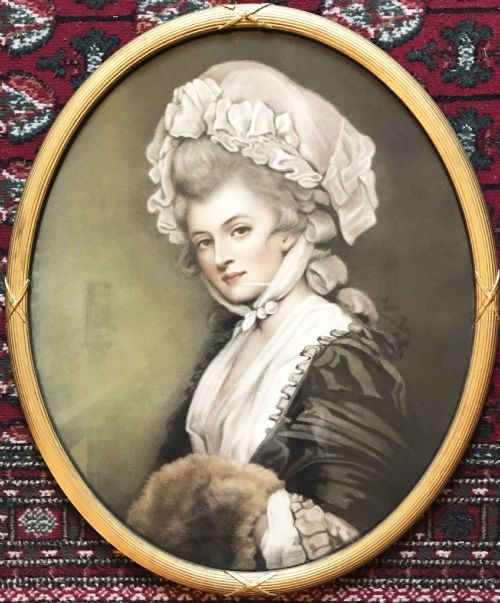


Large Art Print
When you search for a large art print, you step into a varied collection of framed works, engravings, and paintings spanning multiple centuries.
Large Art Print
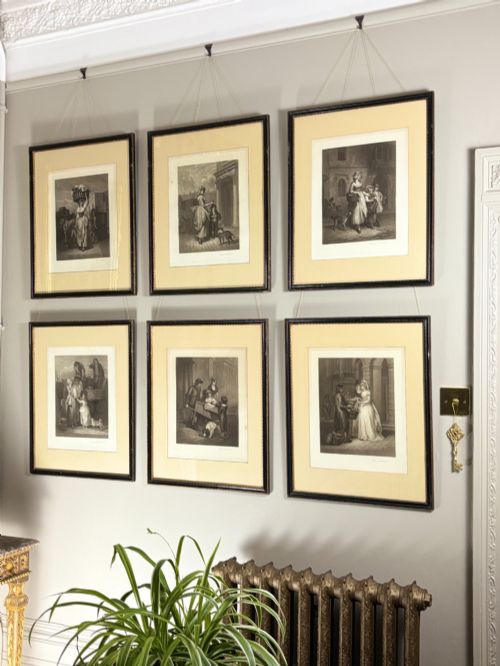
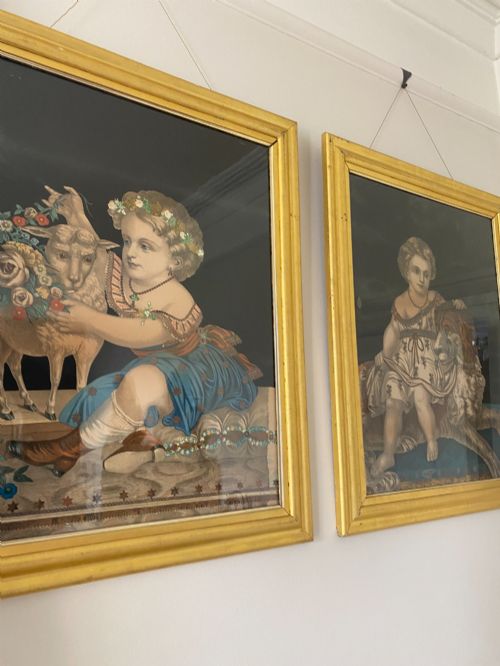
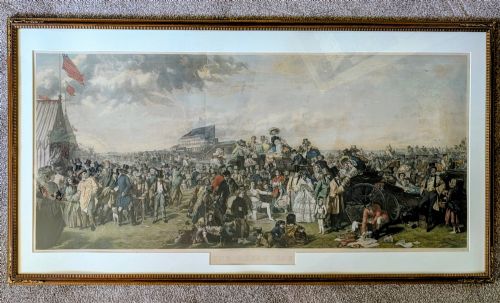
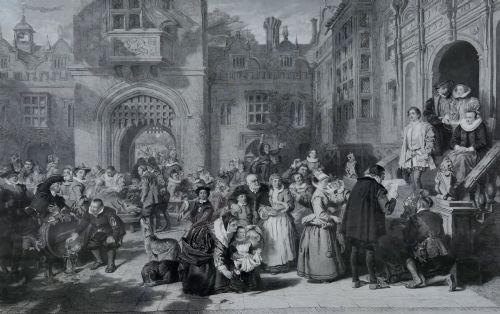
A large art print brings substantial visual weight to a wall, encompassing everything from nineteenth-century engravings and lithographs to twentieth-century oil-embellished pieces and detailed maps.
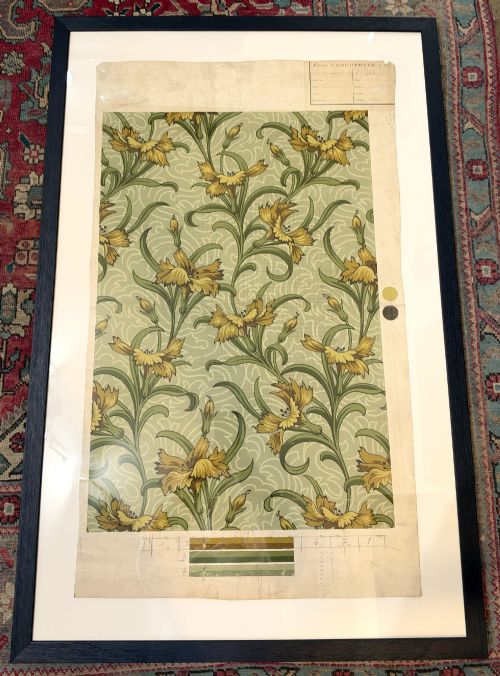
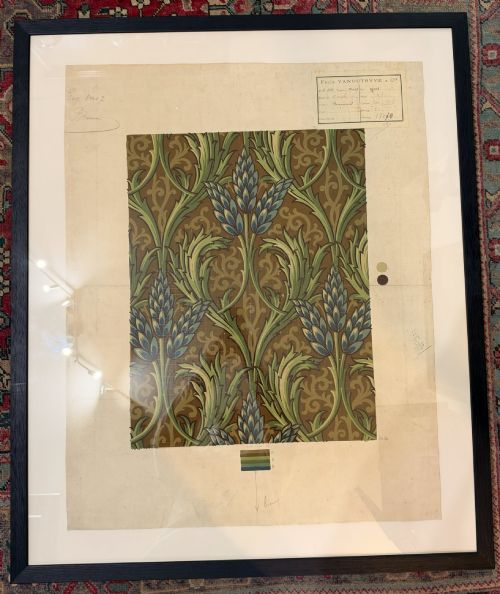
The selections on this page draw heavily from nineteenth-century aesthetics, alongside eighteenth-century cartography, architectural plans, and mid-century modern mixed media works.
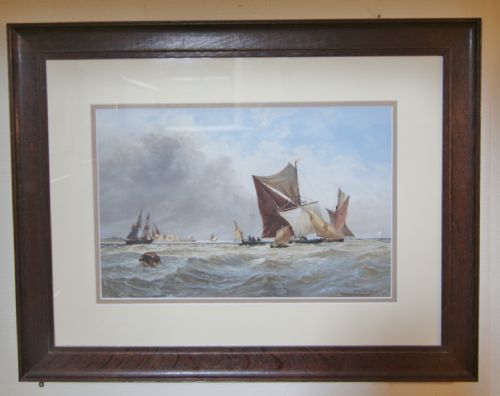
Many items arrive in period surrounds such as original oak or Hogarth frames, preserving the complete presentation intended by past makers.
Materials and construction
Paper serves as the primary ground for engravings, lithographs, and watercolours, frequently protected beneath glass within heavy wooden or giltwood surrounds.
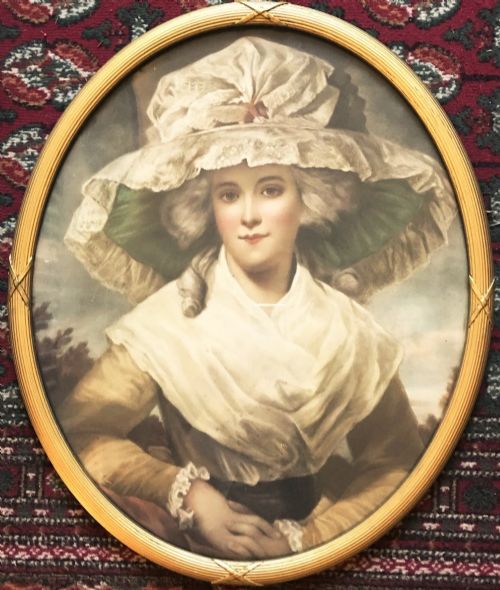
Giltwood, gesso, and gold leaf build up ornate decorative frames, while secondary supports utilise sturdy oak or card for structural stability.
Selected works incorporate ink, oil paint, or metal embellishments applied directly to the surface to add texture and depth to the imagery.
Large Art Print Retail Price Guide 2026
Typical asking prices for large art print among the pieces listed under this phrase on Sellingantiques today, from the lower quarter to the upper quarter. They describe what is for sale here now, not the wider market.
The listings span from seventeenth-century cartography by Robert Morden up to mid-century modern mixed media works from the nineteen-sixties.
Evaluating craftsmanship and condition
The distinction between standard decorative pieces and finer examples rests in the crispness of the impression, the depth of the plate mark on engravings, and the fidelity of the hand-colouring.
Original framing elevates an object significantly, particularly when an antique piece retains its contemporary giltwood, gesso, or Hogarth moulding rather than a modern replacement.
The integrity of the paper substrate, freedom from excessive foxing, and the preservation of original glazing contribute heavily to the enduring merit of any work.
Donald Grant·Erich Mercker·J. C. Dollman·Thomas G Appleton·Robert Morden
The Large Art Print Glossary
- Engraving
- A printmaking process where an artist cuts an image into a metal plate with a burin, producing fine, precise lines. This technique yields sharp details that remain clear even on large formats.
- Lithograph
- A planographic printing method based on the antipathy of oil and water, widely used for commercial and artistic prints in the nineteenth and twentieth centuries. It allows for broad tonal ranges and rich colour reproduction.
- Gesso
- A plaster-like mixture applied to wood frames as a base for moulding and gilding. Skilled artisans shape this material into intricate relief ornaments before applying gold leaf.
- Foxing
- Brown spots and discolouration that appear on old paper due to chemical reactions over time. Collectors look for minimal foxing in the central image area.
- Plate mark
- The indentation left on paper by the edge of a metal printing plate under high pressure during the printing process. Its presence confirms the authenticity of an engraving or etching.
Large Art Print: Frequently Asked Questions
How do I hang a heavy framed print?
Large works require secure wall fixings directly into studs or masonry rather than standard plasterboard hooks. Utilise sturdy picture wire attached to heavy-duty D-rings on the frame backing.
Ensure the weight is distributed evenly across two fixing points to prevent the frame from tilting or pulling loose over time.
How should I protect my artwork from sunlight?
Ultraviolet light causes fading in paper substrates, inks, and watercolours over extended periods. Position your piece away from direct sunlight and consider specialised glazing if placement in a bright room is unavoidable.
Maintaining stable indoor humidity levels also prevents the wood of the frame and the paper support from warping.
What is the difference between an engraving and a lithograph?
An engraving relies on physical lines cut into a metal plate, creating a sharp, tactile impression with visible plate marks. Lithography uses a flat stone or metal surface treated to hold ink in drawn patterns.
Engravings generally offer finer linear detail, whereas lithographs capture softer tonal gradations and painterly washes.