


Large Architectural Salvage
Large architectural salvage brings structural fragments and decorative elements from historic buildings into contemporary interiors.
Large Architectural Salvage
When someone searches for large architectural salvage, they encounter substantial items rescued from period buildings, country houses, and religious structures. These objects span from the seventeenth century through to the Edwardian era, with nineteenth-century pieces forming a significant portion of the selection.
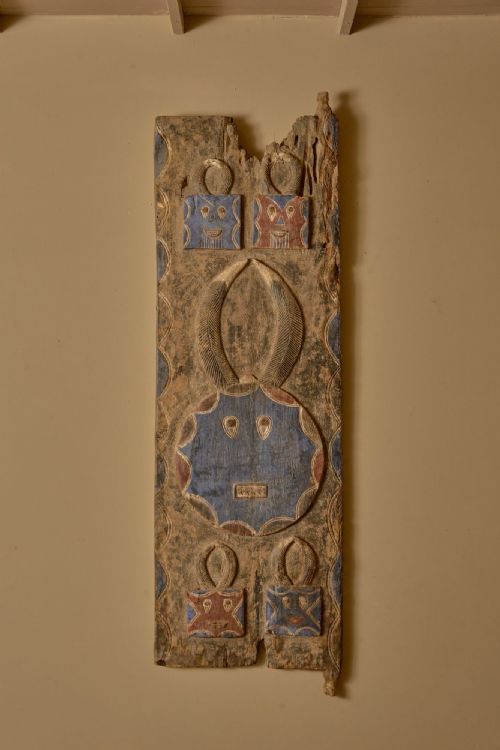
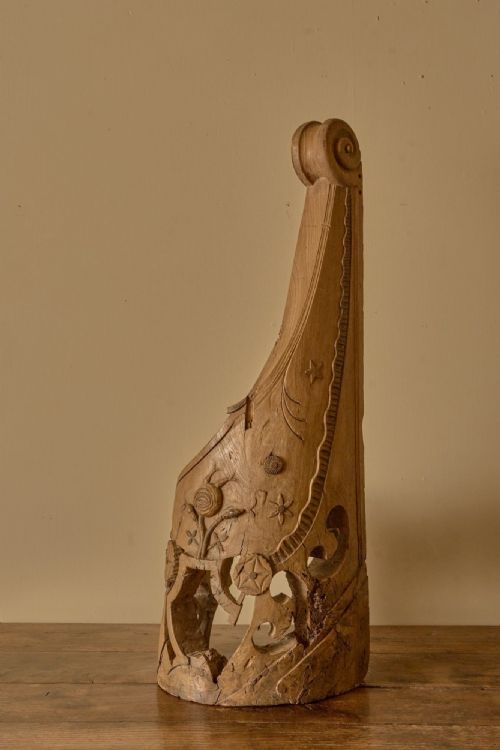
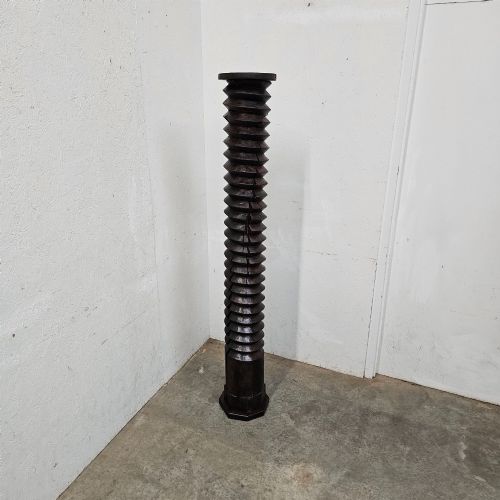
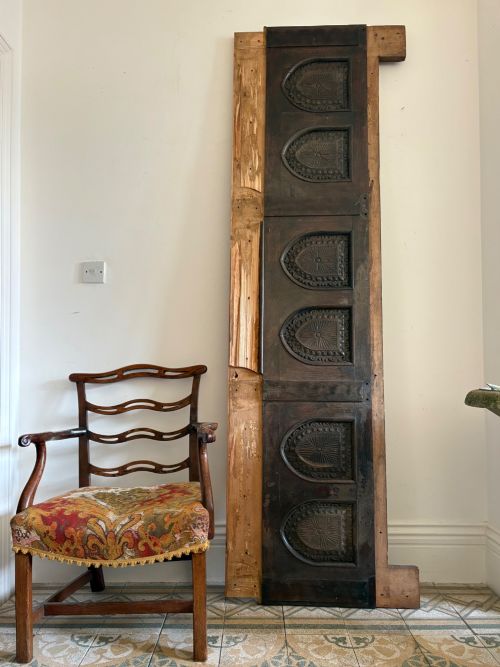
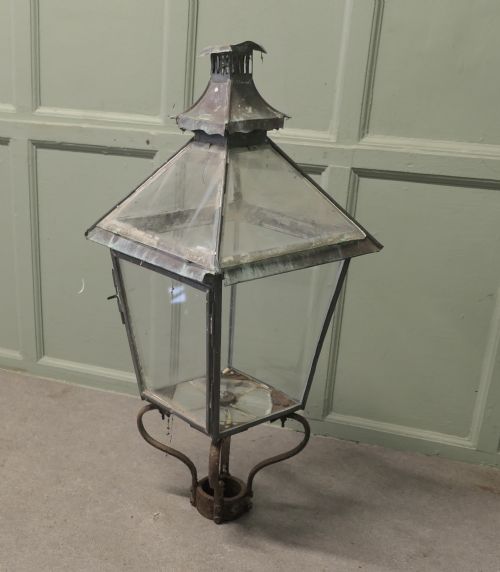
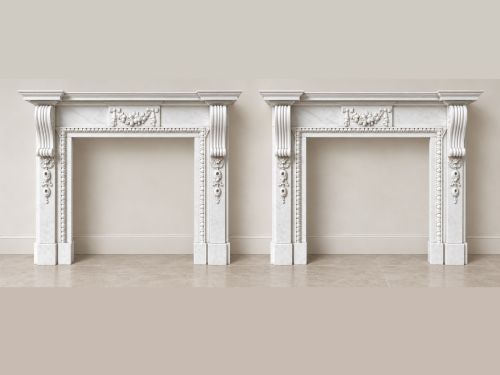
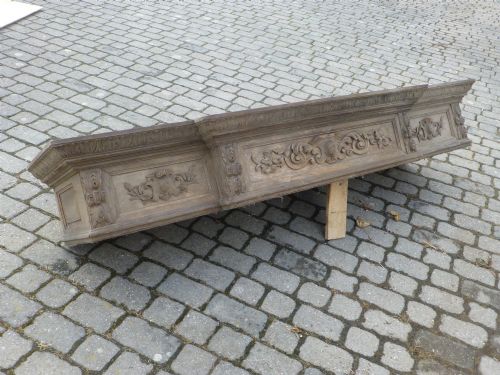
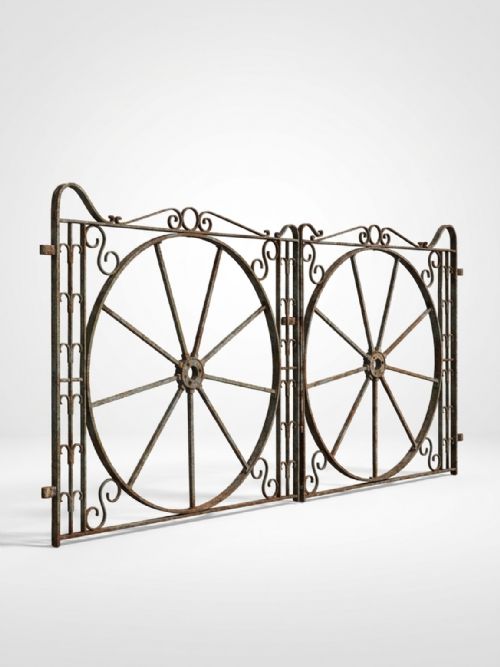
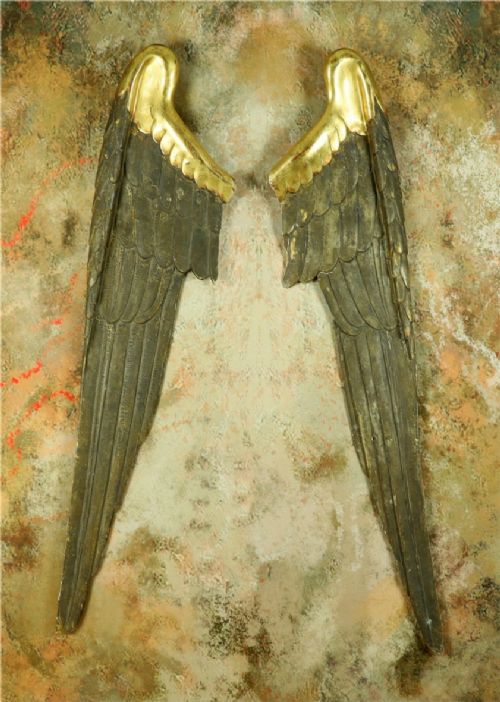
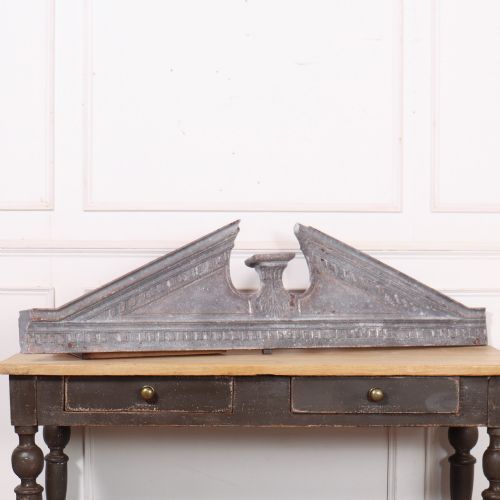
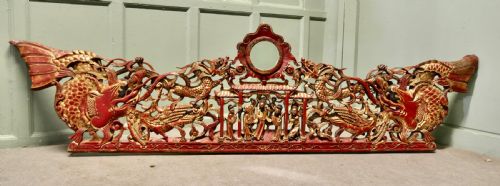
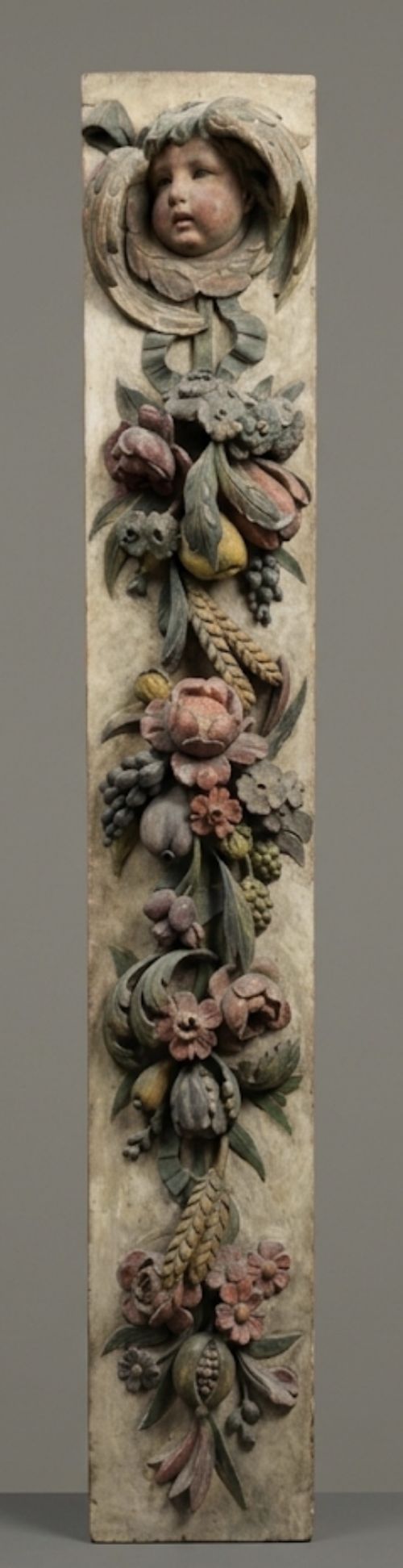
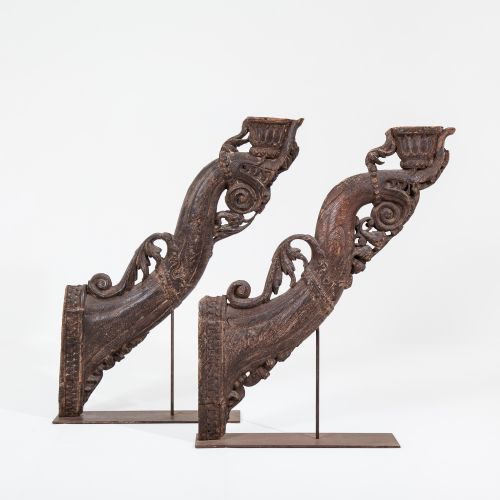
The inventory on this page consists primarily of large wooden panels, stone and wooden corbels, estate gates, overdoor pediments, and carved architectural finials. Materials range from wrought iron and cast iron to oak, pine, sandstone, marble, and gesso.
Origin points stretch across Britain, France, Belgium, China, and Indonesia, demonstrating the diverse provenance typical of salvage stock. Buyers utilise these elements to anchor modern renovations with genuine historic character.
Materials and construction methods
Woodworking forms a central pillar of these survivals, utilising dense timbers like oak, pine, and walnut shaped by hand with gouges, chisels, and saws. Carvers executed intricate Gothic tracery, linenfold panels, and figurative elements such as cherubs and lion heads directly into the solid grain.
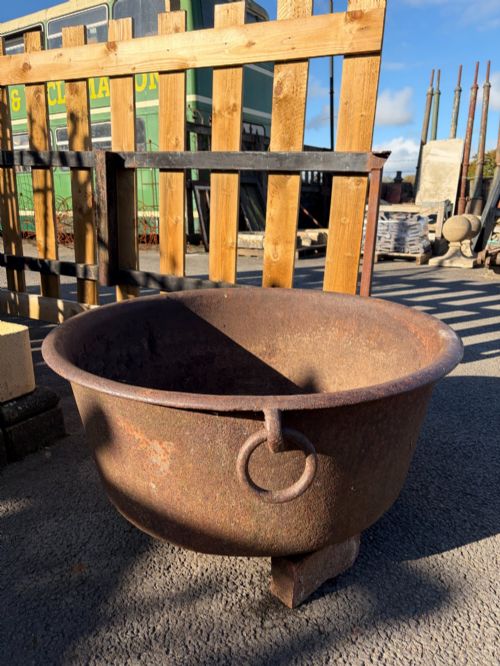
Metal components rely on traditional blacksmithing techniques, shaping wrought iron and cast iron into strapwork gates, structural brackets, and heavy bell pulls. Founders poured molten iron and bronze into sand moulds to produce robust architectural crests and decorative hardware.
Large Architectural Salvage Retail Price Guide 2026
Typical asking prices for large architectural salvage among the pieces listed under this phrase on Sellingantiques today, from the lower quarter to the upper quarter. They describe what is for sale here now, not the wider market.
An eighteenth-century cast iron anchor waits alongside chapel doors, ready for a maritime interior or a very ambitious hallway hook.
Distinctions in quality
The distinction between ordinary salvaged debris and superior architectural elements rests on the depth and crispness of the hand-carved detail. Skilled carvers working in the eighteenth and nineteenth centuries achieved precise undercut foliage and balanced anatomical proportions that lesser workshop output lacks.
Integrity of material condition also separates tiers of quality, visible in timber with sound structural density and ironwork retaining its original forged joins rather than modern welded repairs. Surface finishes such as historic paint layers, natural patination, and original gilding on gesso add considerable depth to a piece's visual standing.
The Large Architectural Salvage Glossary
- Corbel
- A structural piece of stone, wood, or metal jutting from a wall to carry a superincumbent weight. These load-bearing supports frequently feature elaborate scrollwork or carved animal heads.
- Tracery
- Openwork intersecting ribbing in the Gothic style, typically found in windows or carved wooden panels. It requires precise joinery and detailed chiselling.
- Finial
- A distinct decorative ornament fixed to the apex of a roof, spire, or gatepost. They often take stone or cast metal forms.
- Pediment
- A triangular or curved gable surmounting a portico, door, or window. Salvaged examples serve as grand decorative overdoor accents.
- Parchemin
- A style of wood panel carving resembling folded parchment or linen. It dates predominantly to medieval and revival periods.
Large Architectural Salvage: Frequently Asked Questions
How do I hang a heavy wooden architectural panel?
Large wooden panels require substantial batten systems screwed directly into wall studs to distribute the considerable weight safely across the masonry or plasterboard. A French cleat setup works effectively for flush mounting.
Professional installation is recommended for pieces exceeding standard weights, particularly dense oak carvings and stone elements, to prevent structural shifting over time.
Can exterior metal gates be used indoors?
Wrought iron and cast iron estate gates transition well into interior spaces as room dividers, headboards, or wall art when properly sealed against indoor humidity. Their heavy strapwork adds distinct industrial contrast.
Ensure any flaking paint or surface rust is stabilised with a clear lacquer or protective wax before mounting them against interior walls.
How do I date an architectural fragment?
Dating relies on identifying the tool marks left on the timber or metalwork, such as pit-saw ridges on older oak boards versus machine-cut straight lines. Stylistic cues like Gothic tracery or Georgian proportions also provide clear period markers.
Examining fixings like hand-forged nails or historic screws helps confirm whether components are original to the stated era.
What is the best way to clean historic stone?
Historic sandstone and marble require gentle cleaning with soft bristle brushes and warm water to avoid eroding the porous surface material. Harsh chemical detergents strip away centuries of accumulated patination.
Allow stone pieces to dry thoroughly in a ventilated space after cleaning to prevent moisture retention within the internal structure.