

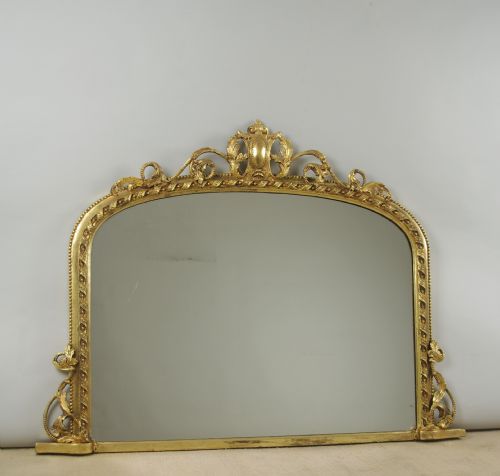


Large Arched Top Mirror
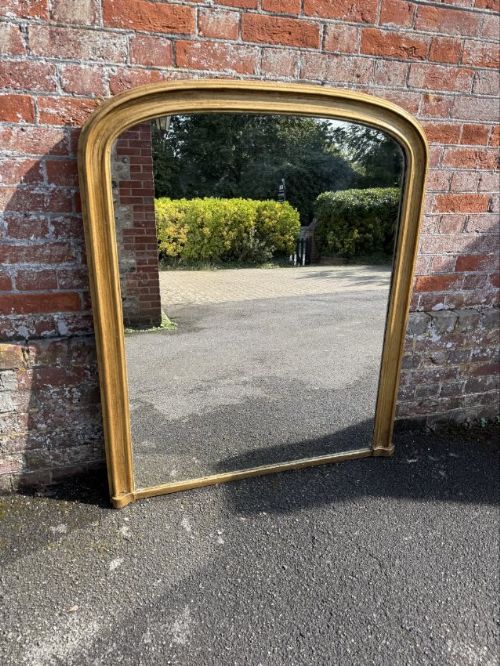
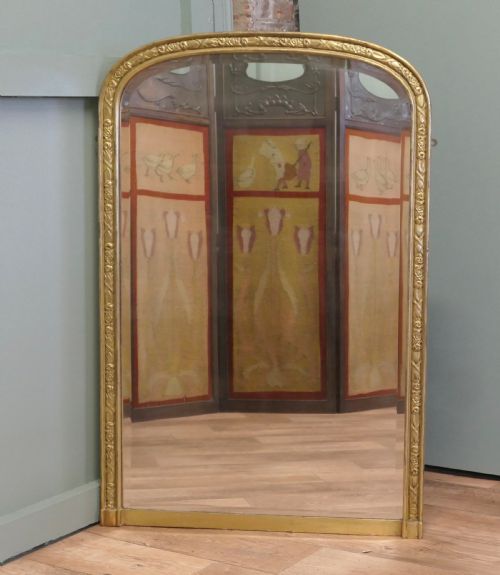
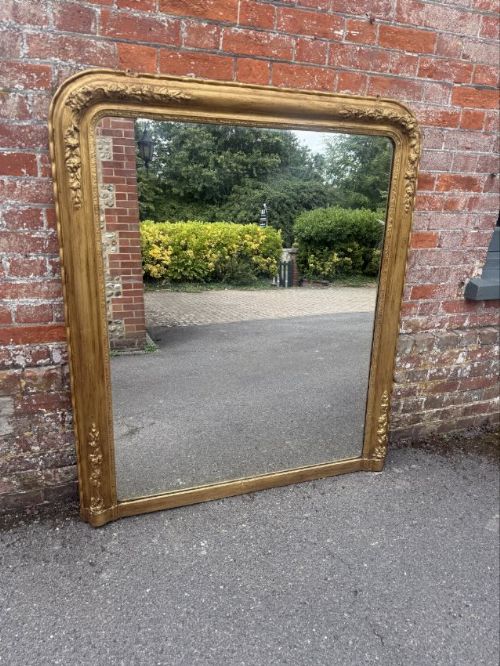
A large arched top mirror brings architectural presence and reflected light to a room, drawing the eye upward with its curved crown.
Large Arched Top Mirror
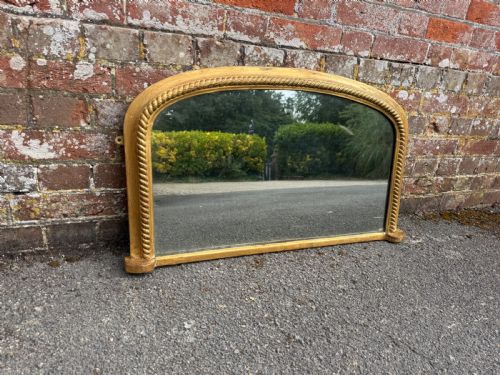
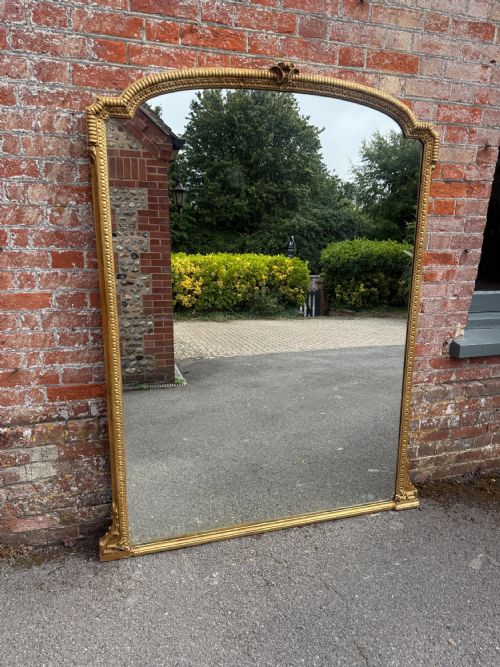
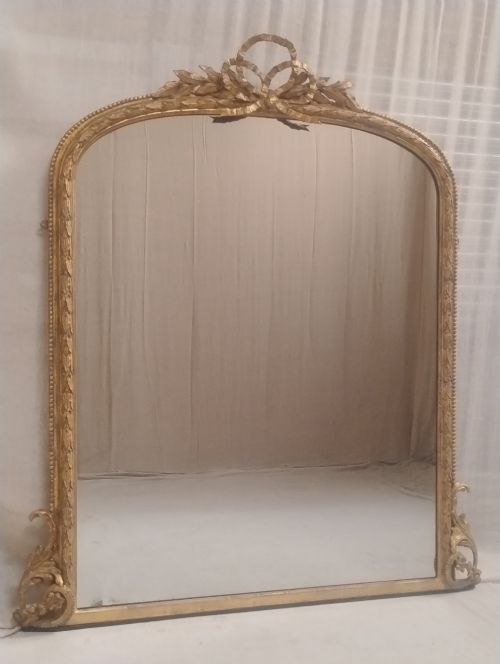
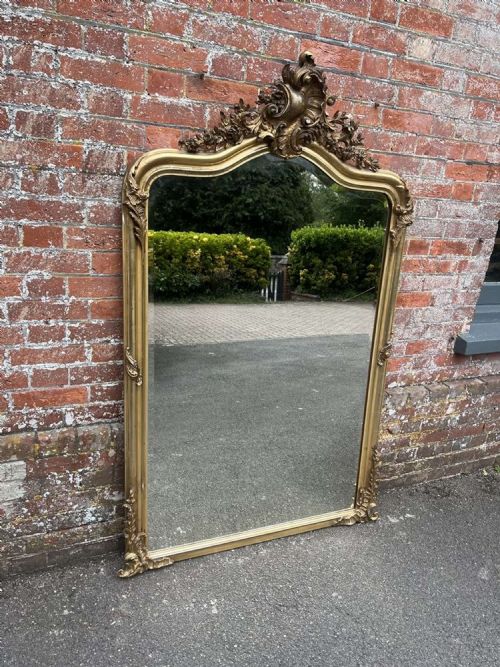
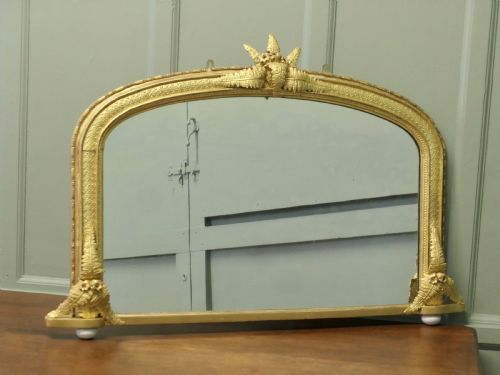
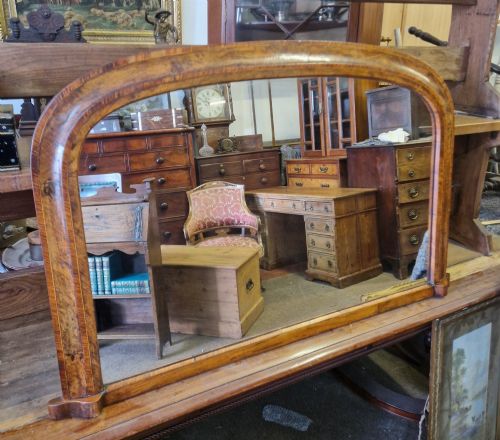
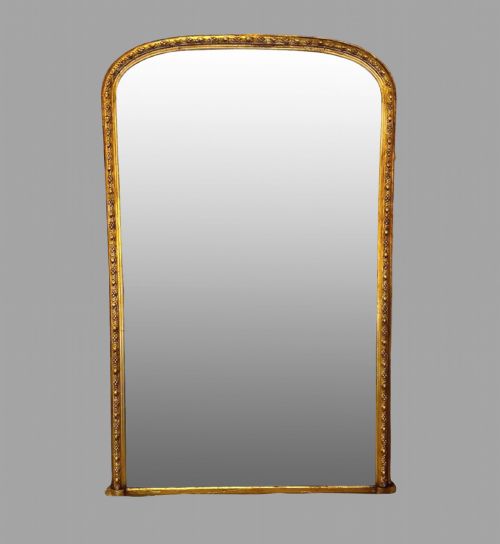
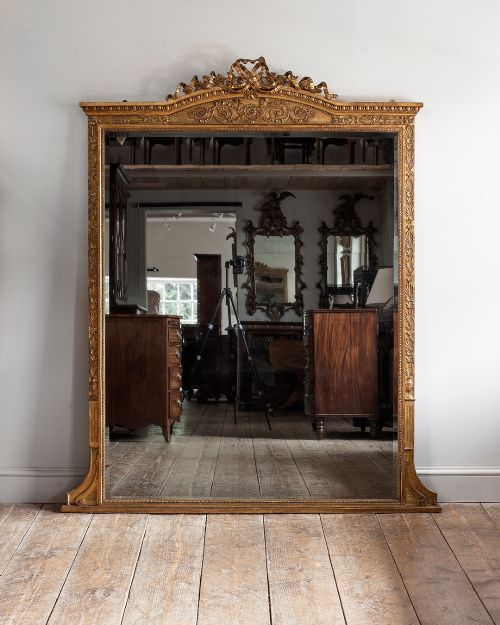
When searching for a large arched top mirror, collectors encounter substantial nineteenth-century pieces designed to command a substantial wall space. The majority of examples found here are English overmantel mirrors or French wall and pier mirrors created during the Victorian and Georgian eras. These forms were originally built to sit above a fireplace mantel or between tall windows, anchoring the domestic interior of the period.
What Varies in Quality
Integrity of construction also separates tiers of craftsmanship, visible in the tightness of frame joints and the survival of the original mirror plate. Original foxed mercury glass adds a layer of period authenticity that distinguishes superior untouched examples from later restorations.
The listings span the Victorian and Georgian eras, encompassing materials such as giltwood, gesso, and original mirror glass.
The Large Arched Top Mirror Glossary
- Gesso
- A plaster-like mixture applied to wood frames to create a smooth surface for gilding or painting. This material allowed artisans to carve intricate relief ornaments before applying gold leaf.
- Overmantel Mirror
- A large horizontal or vertical mirror specifically designed to hang above a fireplace mantelpiece. These pieces often feature an arched top to echo the architectural proportions of the hearth.
- Pier Mirror
- A tall mirror traditionally hung on the narrow pier of wall space between two windows. They reflect additional light into darker interior corners of nineteenth-century rooms.
- Louis Philippe
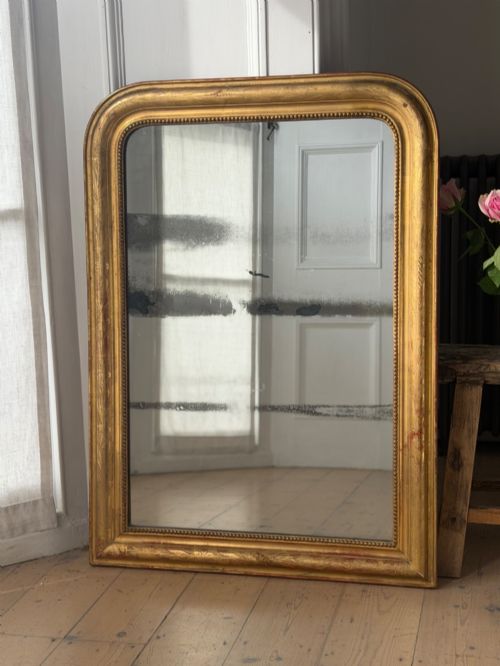
- A mid-nineteenth-century French style characterised by clean, understated lines and gentle curves. These mirrors typically feature rounded top corners and subtle decorative moulding rather than heavy carving.
- Mercury Glass
- An earlier mirror-making technique using a tin and mercury amalgam behind the glass plate. It develops a characteristic mottled foxing over time as the backing ages.
Large Arched Top Mirror: Frequently Asked Questions
Where should I hang a large arched top mirror?
These pieces traditionally anchor the space above a fireplace mantel, where their height draws the eye toward the ceiling. They also function effectively on main living room walls to reflect natural light and create a sense of expanded depth.
Because of their substantial weight, secure wall fixings into solid masonry or stud work are essential. Positioning them opposite a window maximises the distribution of daylight across the room.
How do I identify a Victorian overmantel mirror?
Victorian examples from the nineteenth century typically feature heavier carved wood and gesso frames with prominent architectural detailing. Common motifs include rope twists, ribbed moulding, and tulip patterns surrounding the glass.
They are generally wider and taller than standard wall mirrors, built to dominate nineteenth-century chimney breasts. The backing boards and construction techniques often point clearly to English workshops from the eighteen-fifties onward.
What is Louis Philippe style?
The Louis Philippe style originated in mid-nineteenth-century France and favors restrained elegance over excessive ornamentation. These mirrors are easily recognised by their gentle arched tops and minimal, smooth framing.
They lack the heavy gesso relief work seen on English overmantels, relying instead on clean proportions and simplicity. This versatility allows them to blend into both modern and traditional interiors.
What causes foxing on antique mirrors?
Foxing refers to the dark spots and mottled patches that appear behind the glass as the reflective silvering degrades over decades. This chemical breakdown is caused by atmospheric exposure and moisture seeping behind the plate.
Far from being a defect, original foxing indicates genuine age, particularly on nineteenth-century mercury glass. Collectors often value this natural patina for the authentic historical character it brings to the piece.