

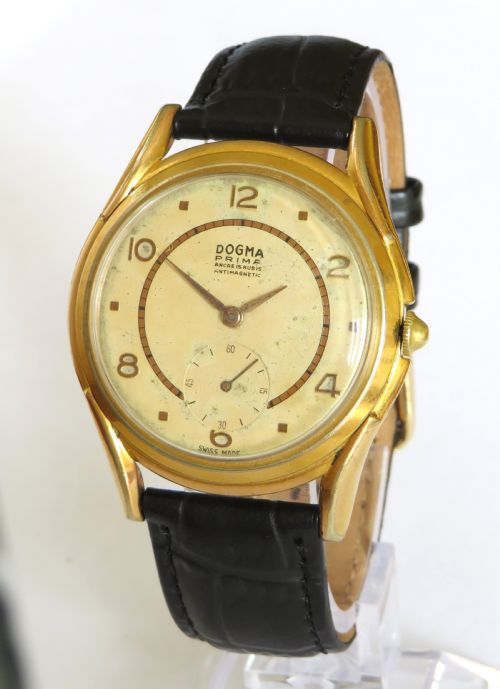


Large Watch
A large antique watch brings substantial weight and remarkable mechanical detail to your pocket, wrist or wall.
Large Watch
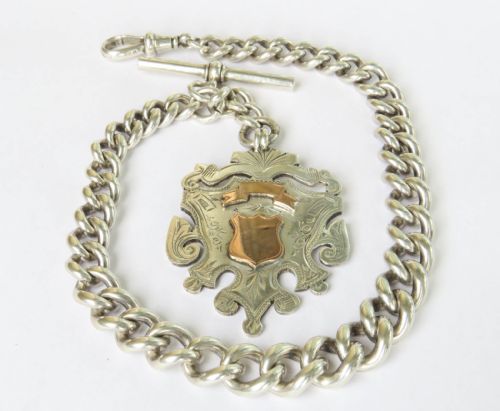
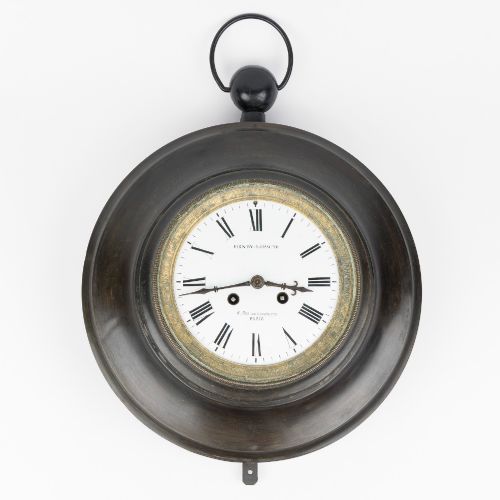
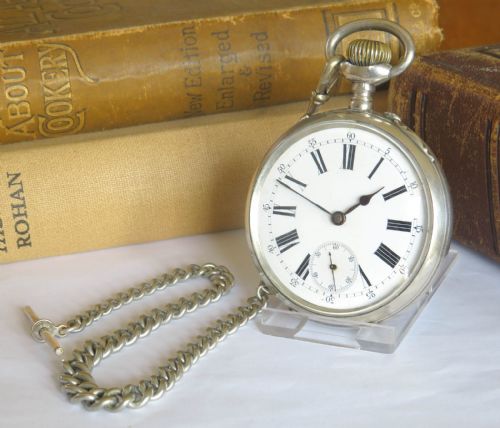
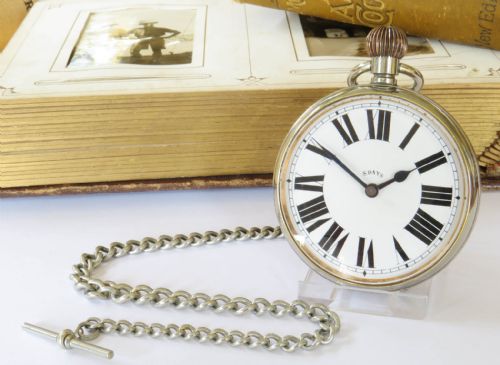
A large antique watch encompasses substantial pocket watches, robust goliath timepieces, early wristwatches and impressive wall clocks spanning from the Georgian era through the mid-twentieth century. When searching for a large antique watch, buyers most frequently encounter heavy silver pocket watch chains, goliath watches designed for travel cases, and oversized military or trench pieces.
The selection extends across Victorian, Edwardian, and mid-century periods, capturing diverse functional objects including scientific instruments, watch fobs, and trade sign clocks. These pieces reflect varied origins from French industrial designs to Swiss chronometres, offering tangible connections to past horological craftsmanship.
Materials and Construction
Craftsmen utilised durable metals including sterling silver, nickel, steel, brass, and various purities of yellow gold such as nine-carat and fourteen-carat to house intricate mechanical movements. Enamel dials and glass crystals protect the face, while leather and precious metals form accompanying chains and fobs.
Structural fabrication combined precision gearing with external protective elements like shrapnel guards on military trench watches and decorative mountings featuring carnelian, citrine, and gilt details. These construction methods ensured both reliable timekeeping and ornate aesthetic appeal.
Large Watch Retail Price Guide 2026
Typical asking prices for large watch among the pieces listed under this phrase on Sellingantiques today, from the lower quarter to the upper quarter. They describe what is for sale here now, not the wider market.
Listings feature periods spanning from the Georgian era through the mid-twentieth century, utilising silver, gold, brass, and enamel.
Factors of Quality
Quality separates ordinary timepieces from exceptional examples through the sophistication of the movement, such as minute repeaters, chronographs, and eight-day reserves. Superior pieces display refined finishing on dials and casework, alongside substantial precious metal weights in chains and fob attachments.
The presence of original associated elements, such as matching watch chains, fitted travel cases, or specialised military guards, elevates the integrity of the piece. Craftsmanship evident in signed maker movements and complex complications distinguishes the finest survivals.
Henry-Lepaute of Paris·West End Watch Co·Corgémont of Switzerland·Invicta
The Large Watch Glossary
- Goliath watch
- An extra-large pocket watch, typically measuring over sixty millimetres in diameter, often housed in a desk stand or travel case. These oversized pieces require robust mechanical movements to drive the larger hands.
- Fob
- A short strap, chain, or ornament attached to a pocket watch for security or extraction from a pocket. Fobs frequently incorporate hardstones like carnelian or citrine set in gold.
- Shrapnel guard
- A protective metal grille fitted over the glass of a military trench watch to prevent breakage during combat. This utilitarian addition defines specific First World War period pieces.
- Minute repeater
- A complicated watch mechanism that chimes the hours, quarter-hours, and minutes on demand when a slide is activated. This feature represents high-level horological skill.
- Chronograph
- A watch equipped with a stopwatch function alongside standard timekeeping displays. These mechanisms require precise calibration of subsidiary dials.
Large Watch: Frequently Asked Questions
How do I wind a goliath pocket watch?
Most goliath pocket watches utilise a traditional keyless wind via the crown, combined with a pin-set or crown-set hand adjustment depending on the specific movement.
Care should be taken not to overwind antique mechanisms, stopping immediately when resistance is felt.
Can I wear a large antique trench watch daily?
While these military pieces were built for rugged service, their age requires mindful handling and protection from moisture and heavy impacts.
Regular servicing by a professional horologist ensures the internal components remain lubricated and reliable for occasional wear.
What is the purpose of a watch chain?
Watch chains secure pocket watches to a waistcoat or belt buttonhole, preventing accidental drops during retrieval.
They also serve as decorative display pieces, frequently holding heavy gold or silver fobs, medals, and charms.
How do I identify the period of a silver pocket watch?
Hallmarks stamped on the silver case provide definitive dates, maker marks, and assay office locations.
Stylistic elements such as dial typography, hand shapes, and case ornamentation offer additional visual cues to the era of manufacture.