




Large Tallboy
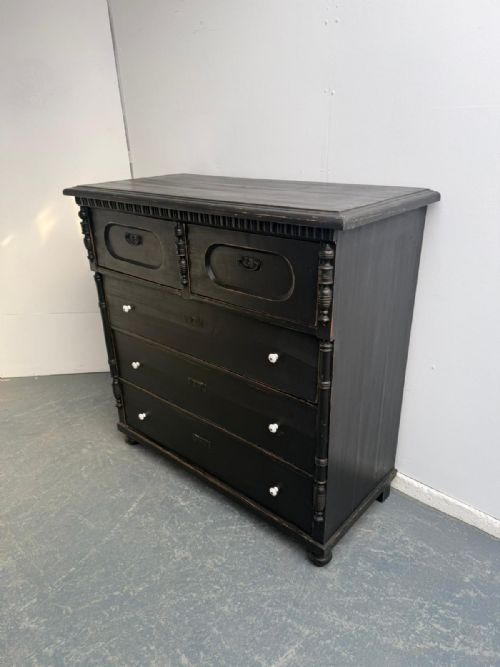
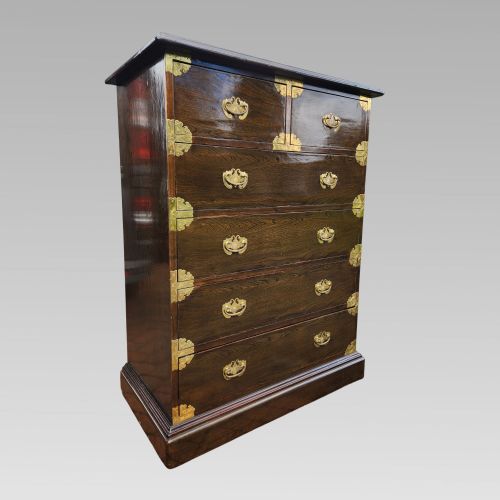
A large antique tallboy offers substantial vertical storage, combining generous proportions with traditional craftsmanship across Georgian, Victorian, and Edwardian periods.
Large Tallboy
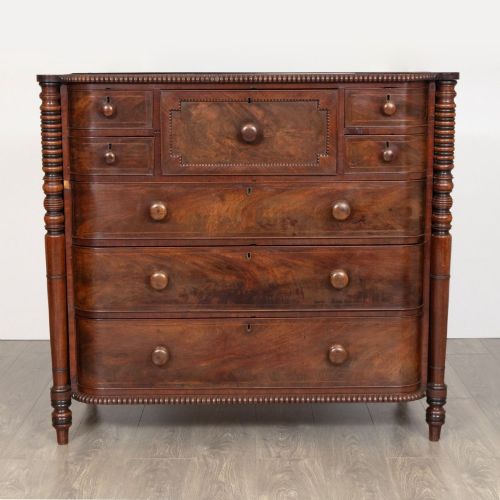
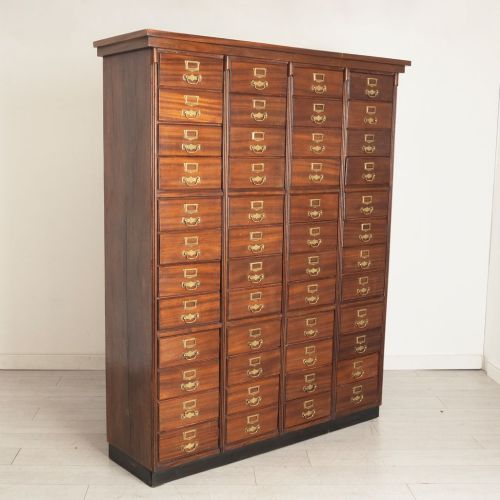
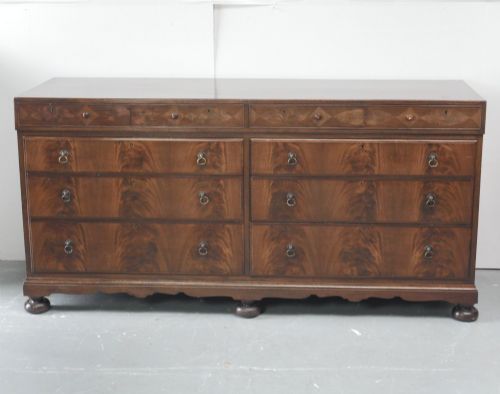
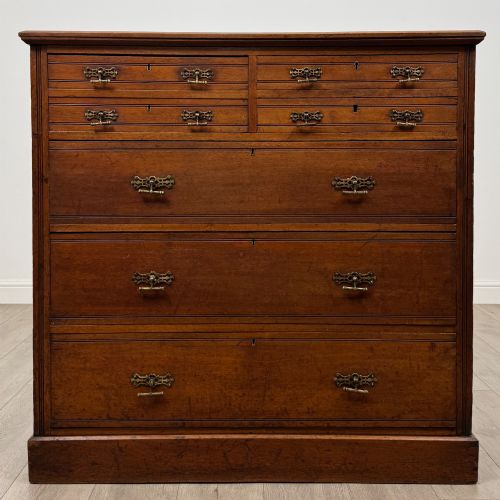
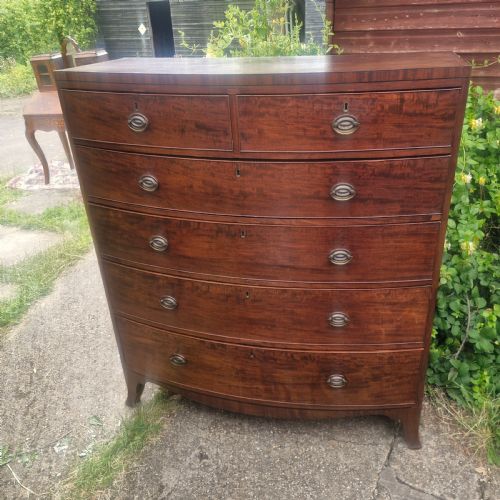
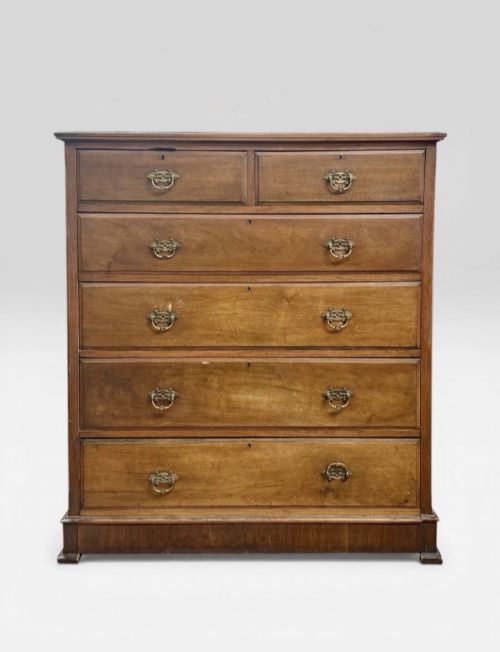
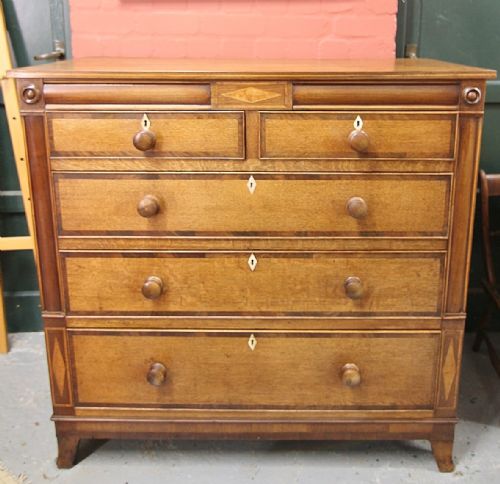
When searching for a large antique tallboy, buyers encounter substantial storage furniture primarily spanning the Georgian, Victorian, and Edwardian eras. These pieces typically take the form of chests of drawers, chests on chests, or linen presses designed to maximise vertical capacity without dominating floor space.
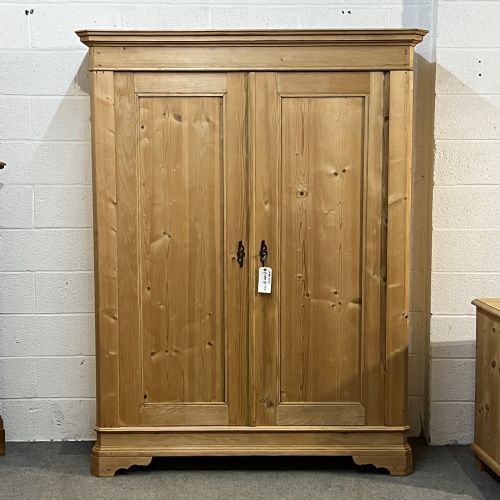
The selections available range from formal mahogany Georgian designs with bow or serpentine fronts to sturdy Victorian pine and walnut Scottish examples. Regional variations include Hungarian pine pieces and campaign styles, reflecting the diverse domestic needs of past centuries.
How they were made
Cabinet makers utilised dense hardwoods such as mahogany, walnut, and flame mahogany for formal household items, often applying brass hardware for handles and escutcheons. Pine and oak served widely for carcass construction, drawer linings, and country furniture, sometimes finished with original paint or wax.
Joinery techniques relied on dovetailed drawer construction and framed panels to handle the considerable weight of large timber structures. Surface treatments ranged from polished mahogany veneers to waxed or painted finishes on softwoods.
Periods represented in the selection range from the 18th century through the Georgian, Regency, Victorian, and Edwardian eras.
What varies in quality
Quality differences emerge in the selection of timber figures, such as the choice cuts of flame mahogany or figured walnut on primary display surfaces. Superior examples display precise dovetailing, intact original brasses, and well-fitted drawers that run smoothly despite the expansion and contraction of solid wood over time.
The integrity of secondary woods and the preservation of original surfaces, whether polished, waxed, or painted, distinguish higher-grade pieces. Construction depth, such as the inclusion of secret drawers or finely moulded cornices, separates standard utility furniture from finer cabinet work.
Whytock And Reid·Jas Shoolbred
The Large Tallboy Glossary
- Tallboy
- A tall chest of drawers, often comprising a chest on chest or a wardrobe configuration that stacks storage vertically to save floor space.
- Bow front
- A convex curved cabinet or chest front that swells outward at the centre, popular in Georgian and Regency design.
- Flame mahogany
- A veneer cut from the fork of a mahogany tree where the branch meets the trunk, producing a distinctive flickering flame pattern.
- Linen press
- A tall cupboard or cabinet originally designed for storing folded household linen, typically featuring sliding trays or drawers enclosed by doors above a chest base.
- Dovetail
- A traditional interlocking joint used in drawer construction, prized for its tensile strength and resistance to being pulled apart.
Large Tallboy: Frequently Asked Questions
What is a tallboy?
A tallboy is a tall chest of drawers or a chest on chest designed to provide maximum vertical storage capacity.
These pieces typically combine multiple smaller and larger drawers, raising the storage height while maintaining a compact footprint on the floor.
How do I care for a wooden tallboy?
Maintaining these pieces involves keeping them away from direct heat sources and sudden humidity changes to prevent timber splitting.
Applying a traditional beeswax periodically helps nourish the wood surface and maintain a soft sheen without building up heavy chemical residues.
How do I tell Georgian and Victorian tallboys apart?
Georgian tallboys often feature refined mahogany veneers, delicate bracket feet, and classical proportions dating from the eighteenth century.
Victorian examples tend to be heavier in scale, frequently constructed from pine, walnut, or mahogany, and sometimes include deep cushion drawers or Scottish architectural details.
Where were tallboys used in the home?
Bedrooms served as the primary location for tallboys, providing essential storage for garments, undergarments, and linens.
Their generous vertical capacity also suited dressing rooms and larger hallways where floor space was at a premium.