



Large Print
A large antique print brings substantial historical presence to a wall, offering detailed engravings, maps, and portraiture from past centuries.
Large Print
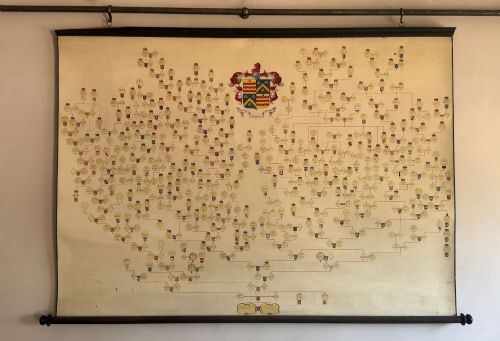
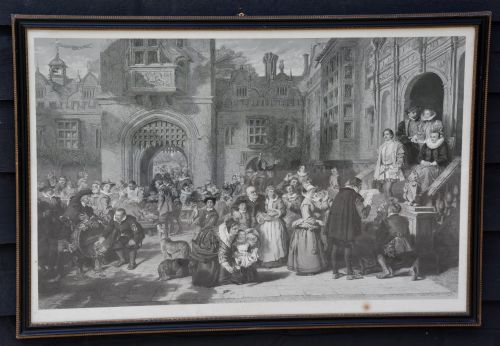
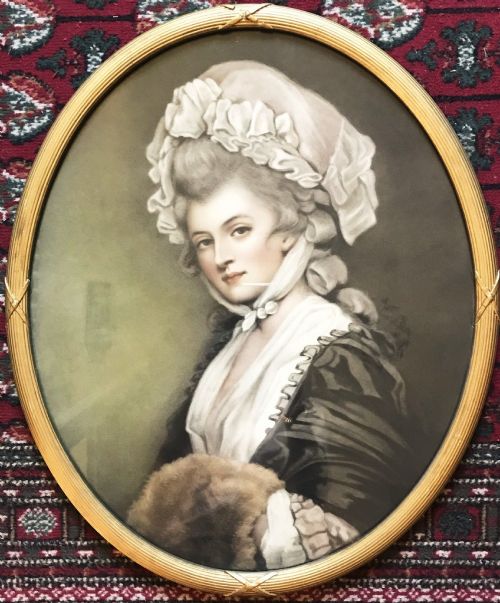
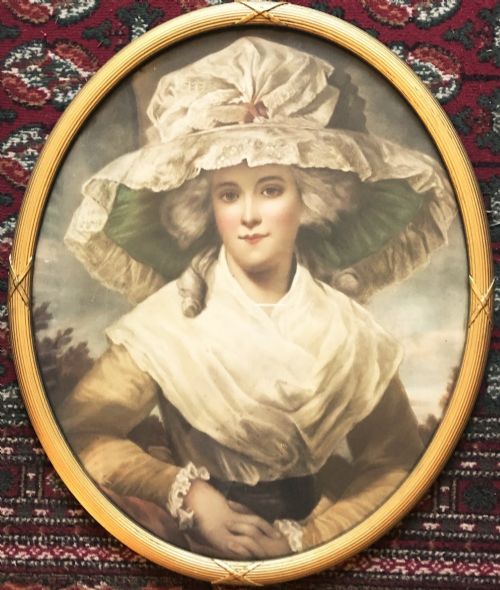
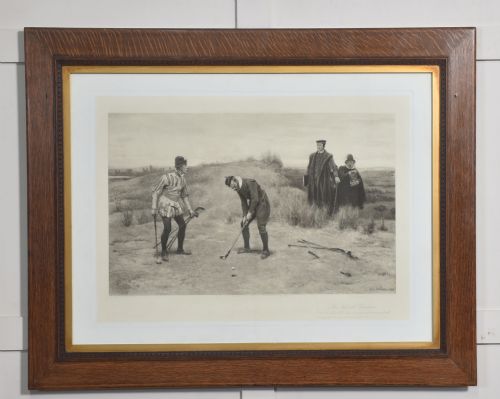
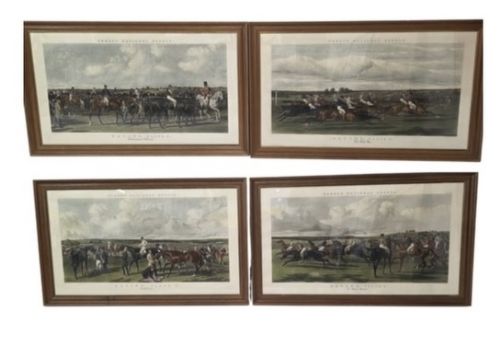
A large antique print covers framed works on paper spanning the Georgian, Victorian, and Edwardian periods, alongside maps and architectural lithographs. Buyers frequently encounter nineteenth-century engravings and mezzotints after well-known painters, often housed in original wooden or gilt frames.
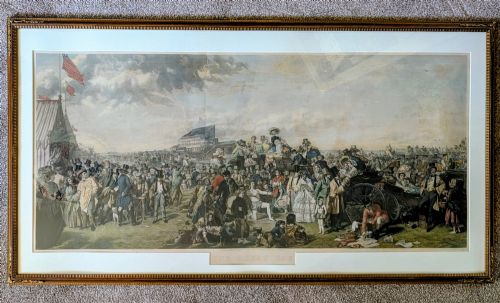
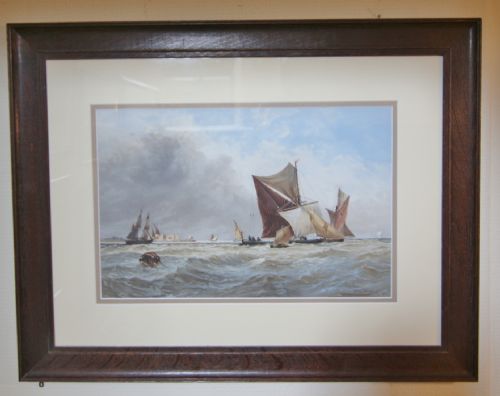
The selection also includes cartography, such as eighteenth-century regional maps, and commemorative portraiture from the late nineteenth century. These pieces record historical scenes, sporting events, and maritime subjects intended for prominent wall display.
Materials and production methods
These works rely primarily on paper, ink, and glass, frequently housed within oak or mahogany frames accented with gold leaf. Engraving and lithography served as the principal methods for reproducing detailed imagery in large formats during the eighteenth and nineteenth centuries.
Makers utilised hand-coloured washes on specific architectural and botanical plates to enhance visual depth. Original mountings often incorporate early glass and protective wooden backboards secured with period fixings.
Distinctions in quality and execution
Quality rests heavily on the crispness of the ink impression and the depth of the plate mark left in the paper during printing. Finer examples retain strong contrast without fading, showing precise lines in complex architectural or figural scenes.
The integrity of the framing also dictates overall standard, with original Hogarth or gilt frames adding considerable contextual value compared to later replacements. Surviving contemporary glazing and undisturbed backing materials further separate superior pieces from standard examples.
Thomas G Appleton·John William Godward·Robert Morden·William Powell Frith·TB Hardy
The Large Print Glossary
- Engraving
- A printmaking technique where an artist cuts an image directly into a metal plate using a sharp tool called a burin. This method produces crisp, precise lines capable of rendering fine detail on large paper sheets.
- Mezzotint
- A tonal printmaking process that allows for rich gradations of dark and light without using traditional line work. The plate is roughened evenly to produce deep shadows and soft highlights.
- Lithography
- A planographic printing method based on the mutual antipathy of oil and water, enabling the reproduction of fluid drawings. Nineteenth-century examples often utilised this technique for architectural plans and coloured wall art.
- Plate mark
- The indentation left in the paper by the edge of the metal printing plate under high pressure. Its presence confirms a traditional intaglio printing process.
- Cartography
- The study and practice of making maps, frequently seen in large antique examples featuring hand-coloured regional boundaries and decorative cartouches from past centuries.
Large Print: Frequently Asked Questions
How do I care for a large antique print?
Keep the piece away from direct sunlight to prevent the ink and paper from fading over time. Maintaining stable indoor humidity levels also protects the paper and original wooden framing.
Ensure the artwork hangs securely using appropriate wall fixings suited to the considerable weight of antique timber frames and glass.
Are these prints original to their stated period?
The listings comprise genuine period pieces produced across the eighteenth, nineteenth, and early twentieth centuries. Examination of the paper stock, printing technique, and framing materials helps confirm the era of production.
Archival details and contemporary inscriptions often accompany these works, providing reliable context for their age and origin.
What is the difference between an engraving and a lithograph?
An engraving involves cutting lines directly into a metal plate, resulting in sharp, raised ink lines and a distinct plate mark in the paper. Lithography relies on chemical processes on a flat stone or metal surface, producing smoother tonal transitions.
Both methods were standard for large wall art in past centuries but created visibly distinct surface textures.
Do these prints come with their original frames?
Many examples retain their period frames, such as oak, mahogany, or gilt mouldings appropriate to the date of the artwork. Original frames often display period construction methods and appropriate signs of age.
Listings specify when a piece retains its original housing, which significantly contributes to the historical integrity of the object.