


Large Pottery
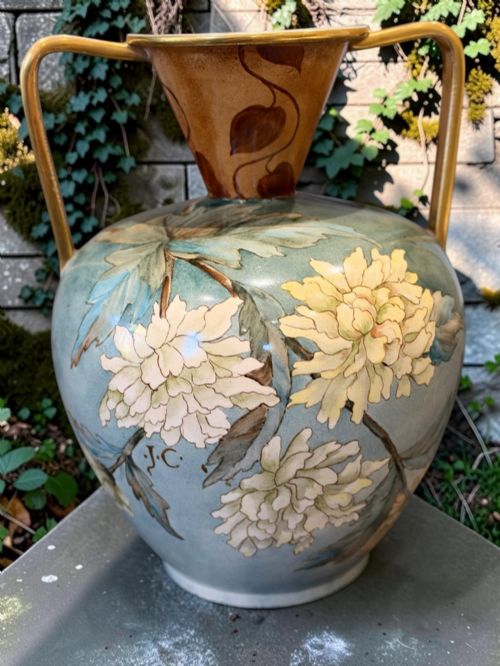
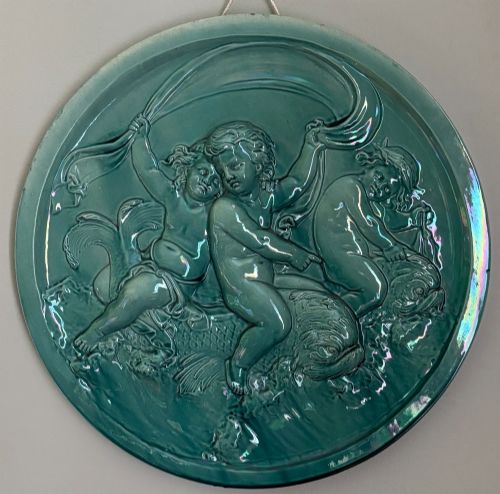
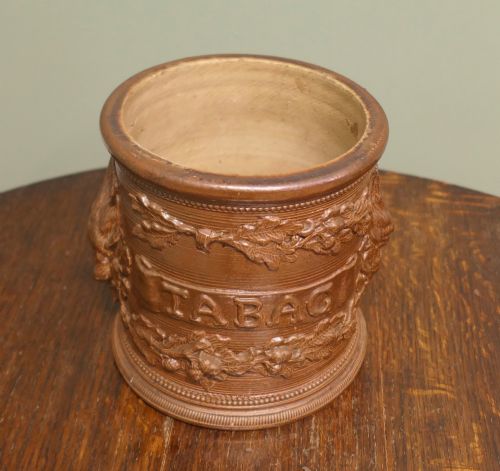
Large antique pottery brings substantial presence to a room through centuries of diverse firing traditions, from English transferware jugs to Japanese Satsuma vases.
Large Pottery
When someone searches for large antique pottery, they encounter heavy earthenware, porcelain, stoneware, and terracotta pieces designed for display or utility across centuries of production.
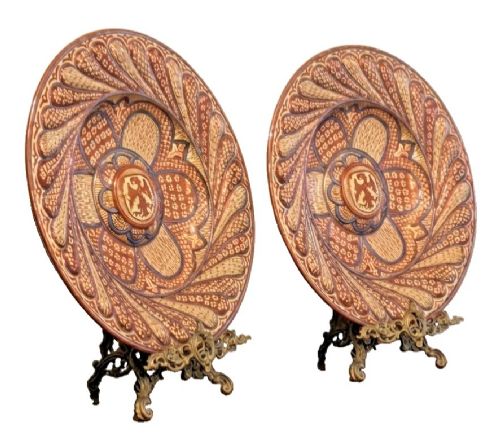
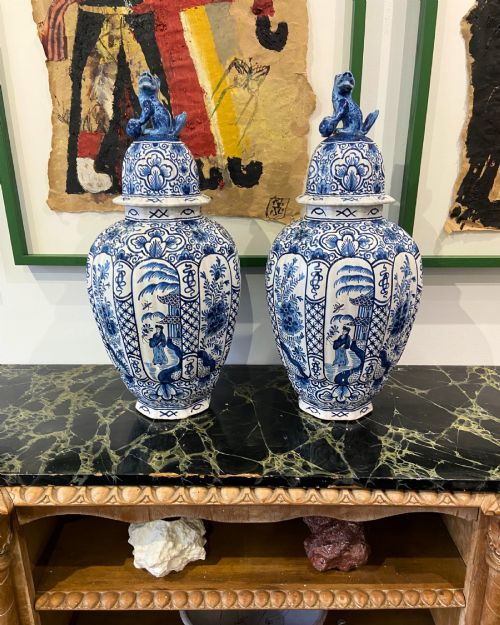
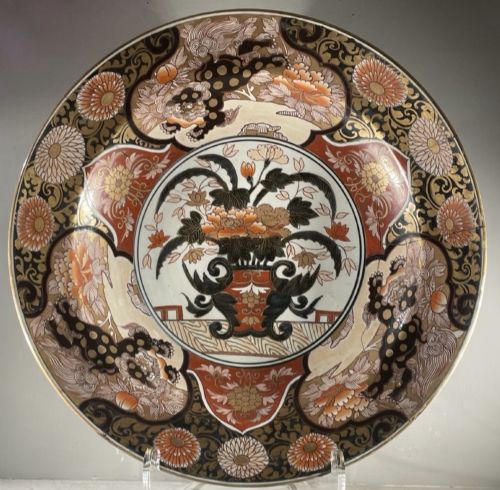
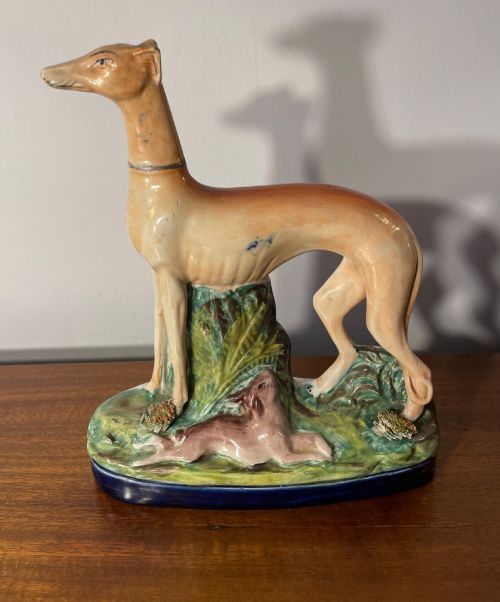
The selections on this page span from nineteenth-century English Staffordshire figures and Sunderland lustre jugs to continental terracotta garden vessels and Asian blue and white chargers.
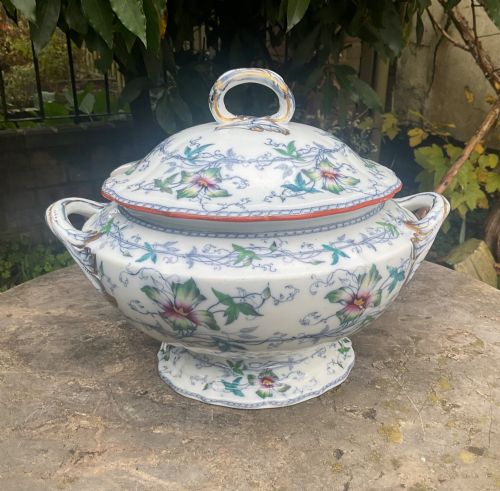
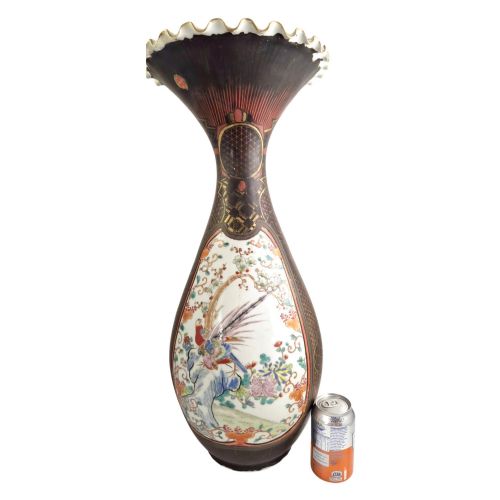
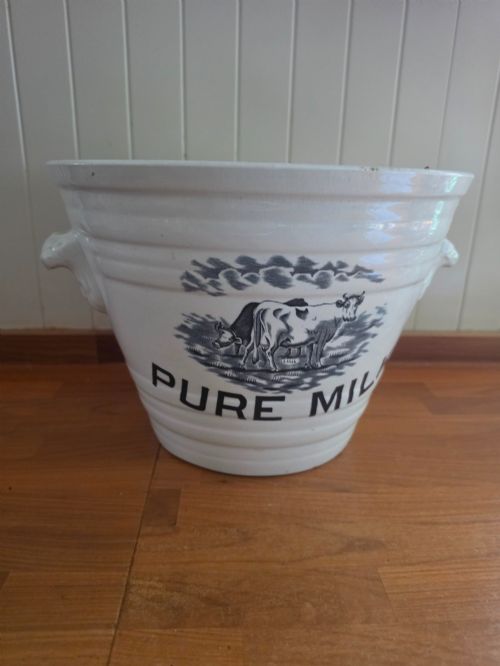
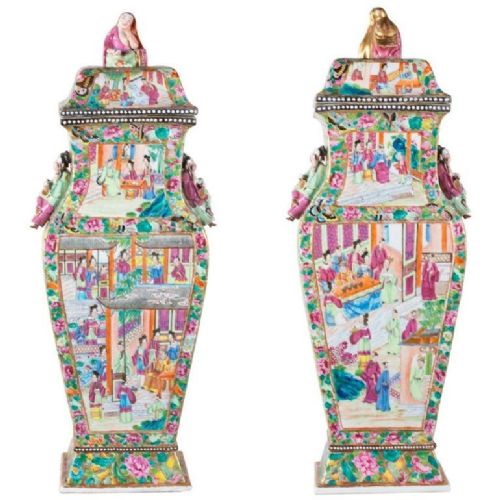
Buyers are most likely to meet substantial nineteenth-century items, including decorative vases, wash basins, and transferware platters originating from British, European, and Japanese kilns.
Materials and production methods
Potters shaped these large items from local clays, ironstone, and refined ceramic pastes, often applying tin glazes, slip, or polychrome enamel over the body before firing.
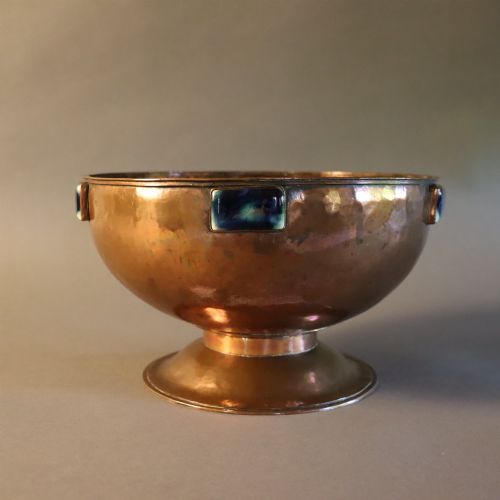
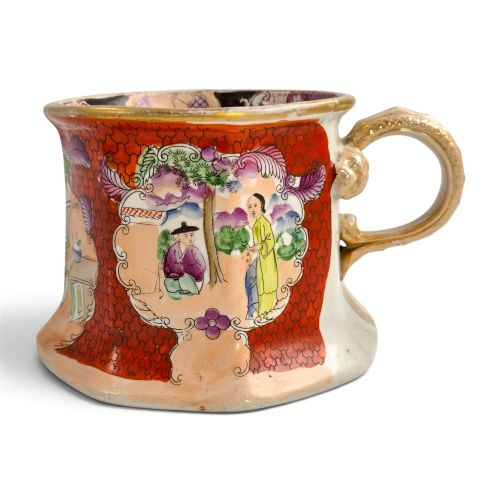
Decoration techniques range from hand-painted blue and white Chinoiserie and intricate lustre printing to copper effects and applied gold leaf on porcelain and earthenware surfaces.
Large Pottery Retail Price Guide 2026
Typical asking prices for large pottery among the pieces listed under this phrase on Sellingantiques today, from the lower quarter to the upper quarter. They describe what is for sale here now, not the wider market.
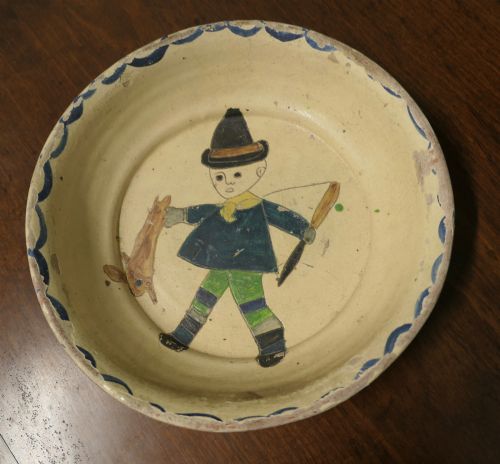
Several heavy jugs and bowls record maritime themes, Masonic prints, and hunting dogs alongside depictions of Hannibal crossing the Alps.
Assessing quality in ceramic works
Quality rests upon the crispness of the transfer print or the dexterity of the hand-painted brushwork applied across the ceramic surface.
The stability of the body, the evenness of the glaze without excessive firing flaws, and the preservation of original polychrome or gold leaf separate standard domestic wares from exceptional display pieces.
William Smith And Co·Burmantofts·Moorcroft McIntyre·Doulton Lambeth Ware·Bretby Pottery·Seaton Pottery
The Large Pottery Glossary
- Earthenware
- A porous pottery body fired at lower temperatures, requiring a glaze to achieve impermeability to liquids.
- Transferware
- Pottery decorated by pressing a design from an engraved copper plate onto tissue paper, then transferring the ink onto the ceramic body before glazing.
- Lustreware
- Earthenware coated with a metallic glaze that produces an iridescent sheen when fired in a reduced oxygen environment.
- Charger
- A large decorative plate or platter traditionally used for ceremonial display rather than daily dining.
- Faience
- European tin-glazed earthenware, particularly wares produced in France, Italy, and the Netherlands during various centuries.
Large Pottery: Frequently Asked Questions
How do I clean large antique ceramic vessels?
Dust these pieces gently with a dry, soft cloth to protect fragile enamels, lustre finishes, and exposed earthenware bodies.
Avoid submerging porous terracotta or items with historic hairline cracks in water, using only a damp cloth on fully glazed surfaces when necessary.
Where were these large ceramic pieces displayed?
Large chargers, platters, and twin-handled vases were typically exhibited on sideboards, mantelpieces, or wall mounts within period dining rooms and reception halls.
Floor-standing jars and garden planters were positioned in entrance halls, conservatories, or exterior courtyards depending on their frost resistance.
How can I distinguish earthenware from ironstone?
Earthenware possesses a softer, more porous clay body that often requires glaze coverage to remain watertight, whereas ironstone is a dense, highly durable refined white ceramic developed in the nineteenth century.
Ironstone items typically ring clearly when struck gently and resist chipping much better than standard porous earthenware.
What defines a Sunderland lustre jug?
These nineteenth-century earthenware vessels feature a characteristic pink or purple metallic lustre effect created by applying gold compounds during the firing process.
They frequently incorporate transfer-printed maritime themes, Masonic symbols, or commemorative verses intended for sailors and fraternal societies.