





Large Lighting
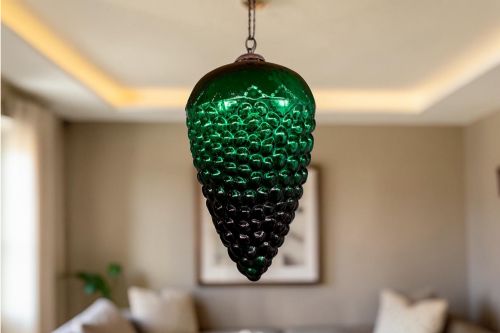
Large antique lighting brings commanding scale and historic character to a room, turning practical illumination into the focal point of a high ceiling or spacious interior.
Large Lighting
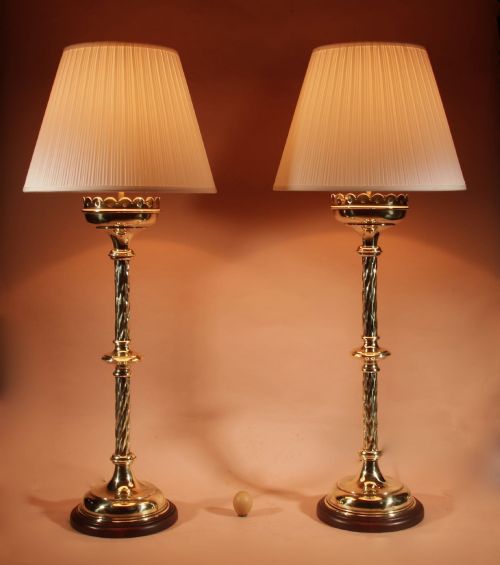
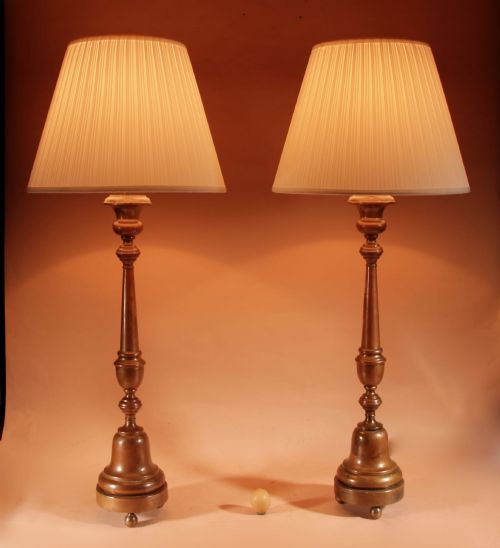
When you search for large antique lighting, you encounter substantial fixtures designed to dominate generous spaces, from chandeliers and lanterns to floor standing lamps. The selection spans the nineteenth century through the art deco period, offering pieces built for high-ceilinged townhouses and country residences.
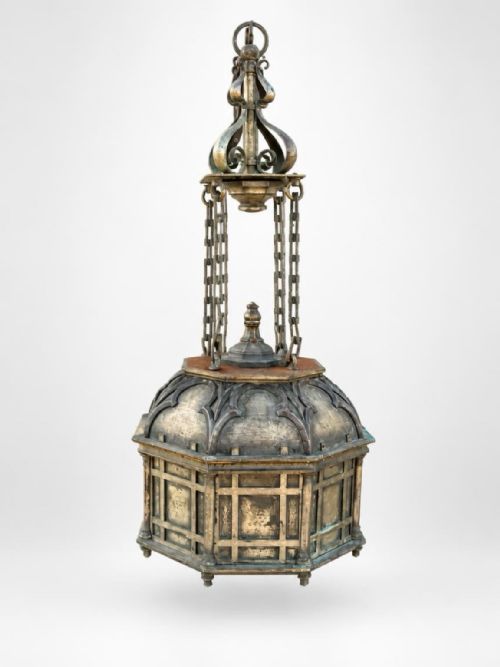
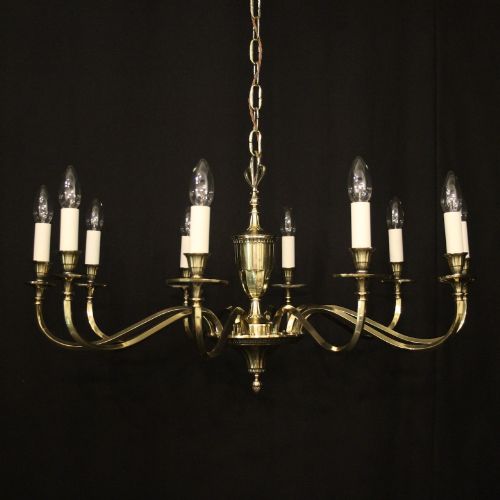
You are most likely to meet multi-armed chandeliers, heavy brass lanterns, and porcelain table lamps on this page. These pieces often arrive from French, English, and Italian workshops, reflecting styles such as gothic revival, art deco, and french empire.
Scale remains the defining trait of these objects, with many pieces measuring over a metre in height or spanning multiple tiers. Their presence alters the proportions of a room, providing both functional illumination and architectural weight.
Materials and construction
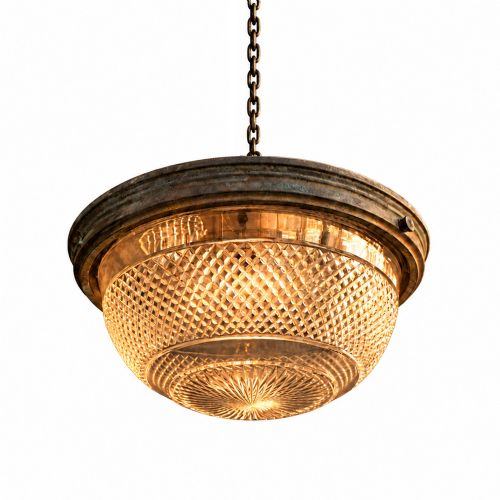
Makers utilised cast bronze, brass, and gilded metals to provide structural integrity for heavy hanging fixtures and wall lights. Crystal and cut glass components were hand-cut and pinned to metal armatures to refract light across large interiors.
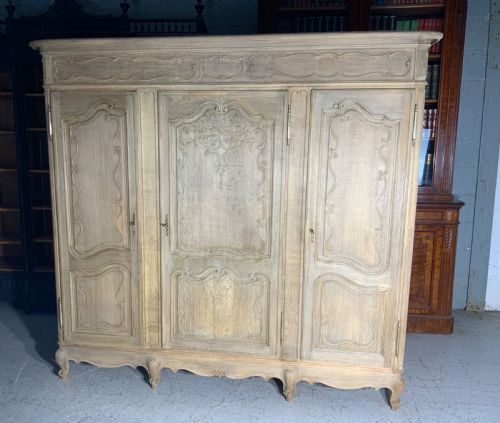
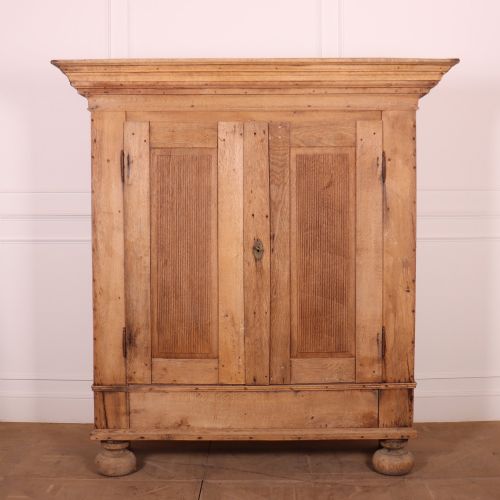
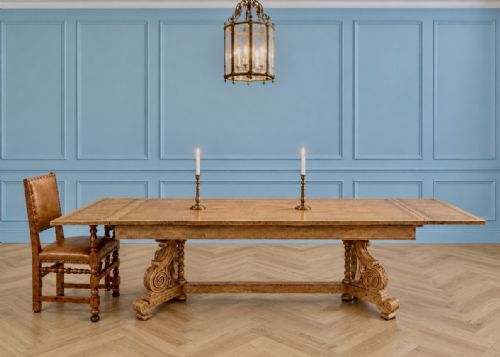
Porcelain and pottery bodies, seen in table lamps, were shaped and hand-painted or glazed before being mounted with metal fittings. Oak and pine appear in related larger furnishings, while metal elements often received applied patination or fire gilding.
Large Lighting Retail Price Guide 2026
Typical asking prices for large lighting among the pieces listed under this phrase on Sellingantiques today, from the lower quarter to the upper quarter. They describe what is for sale here now, not the wider market.
Several heavy lanterns require a sturdy ceiling hook and a very brave ladder.
Distinctions in quality
Quality rests in the crispness of the casting and the depth of the metalwork, where hand-chased details outshine flat, mass-produced surfaces. Superior chandeliers feature heavy cut crystal drops rather than lightweight moulded glass, ensuring a sharper refraction and greater weight.
Originality of components and surface finishes dictates the standing of a piece. Fixtures retaining their original gilding, patination, and matching drop crystals hold a stronger integrity than those assembled from mismatched parts over time.
The Large Lighting Glossary
- Chandelier
- A branched ornamental light fixture suspended from the ceiling. These fixtures often support numerous candle or bulb arms adorned with crystal drops.
- Ormolu
- Gilded bronze, typically produced by applying a mercury and gold amalgam to cast bronze. This technique creates a rich golden surface found on french decorative arts.
- Pricket candlestick
- A candle holder featuring a sharp metal spike at the centre to secure the base of the candle. They frequently appear in ecclesiastical or gothic revival designs.
- Champlevé
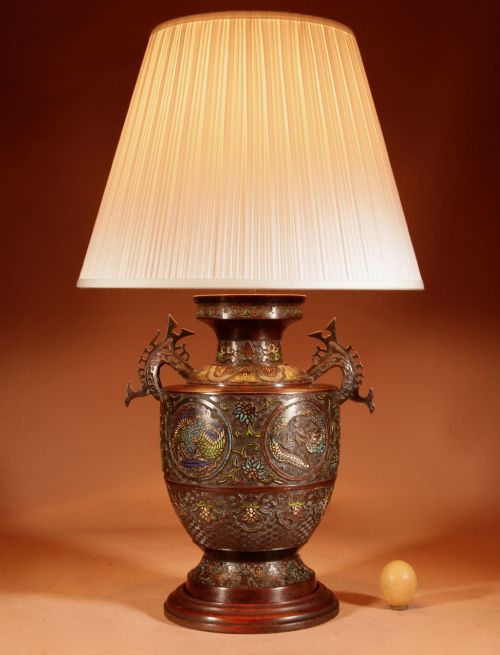
- An enamelling technique where troughs are dug into a metal surface and filled with vitreous enamel before firing. It appears on decorative bases and lamp bodies.
- Appliqué
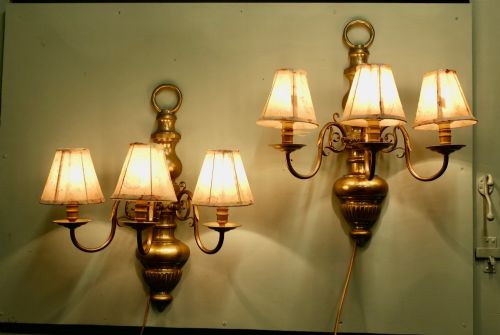
- A wall-mounted light fixture designed to project illumination across a room. These match the style of larger hanging chandeliers in the same interior.
Large Lighting: Frequently Asked Questions
Can antique lamps be rewired for modern use?
Most antique lamps and chandeliers undergo rewiring to meet current safety standards while preserving their original external metalwork and sockets where possible. Rewiring ensures that insulation meets modern electrical codes without altering the historic appearance of the piece.
An experienced restorer can thread modern flex through ancient brass arms and check the structural integrity of the lamp holder during the conversion process.
How do I clean cut glass crystal?
Cleaning crystal chandeliers involves wiping each pendant individually with a mild solution of warm water and methylated spirits using lint-free cloths. Leaving drops on the fixture while cleaning prevents breakage and ensures you reach every facet.
Avoid harsh chemical sprays that can strip the historic lacquer or patina from the surrounding brass and bronze framework.
Where should I place a floor standing lantern?
Floor standing lanterns and standard lamps suit dark corners, hallways, or large reception rooms where they provide ambient upward illumination. Their height requires placement away from high-traffic household pathways to prevent accidental knocks.
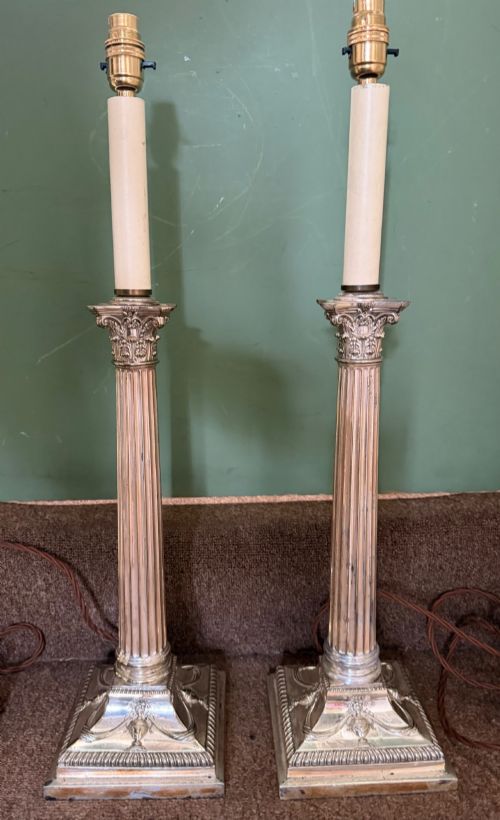
Pairing a tall bronze standard lamp with heavy oak or upholstered seating balances the vertical scale within a large room.