


Large Book
A large antique book relates to open bookcases, lecterns, and library furniture built to house substantial private volumes during the nineteenth and early twentieth centuries.
Large Book
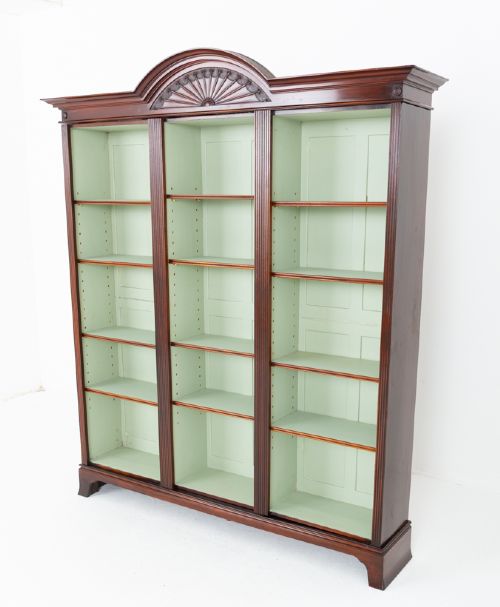
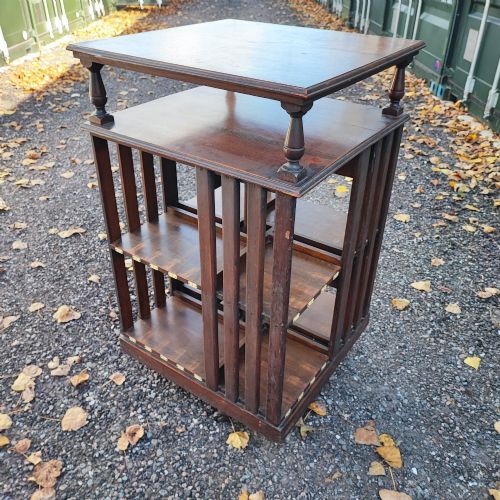
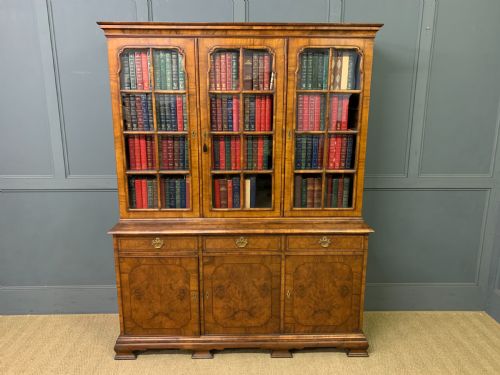
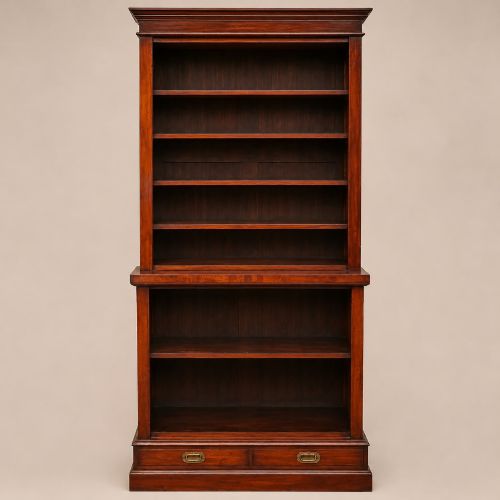
A large antique book search brings up substantial pieces of library furniture, dominated by open bookcases, breakfront cabinets, and revolving shelves. These items served institutional and domestic libraries from the Regency and Victorian eras through the Edwardian period.
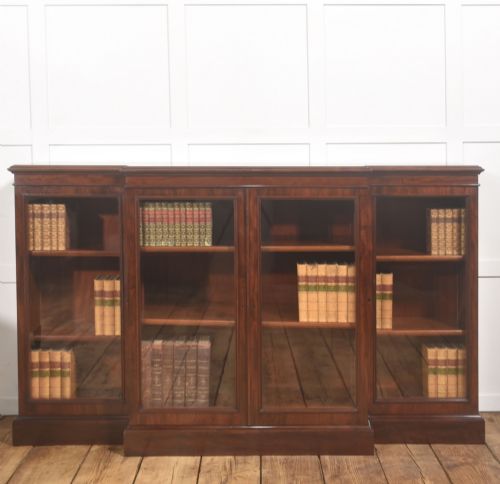
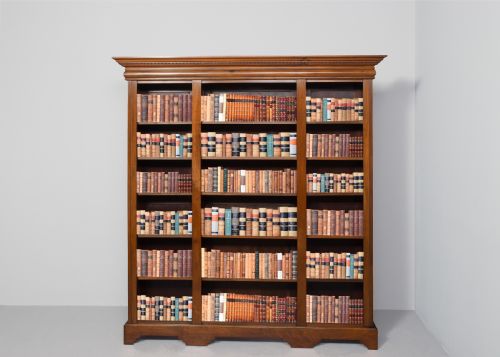
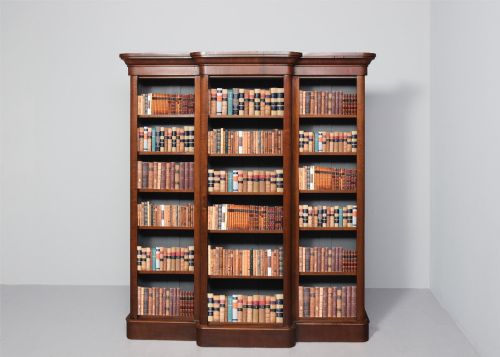
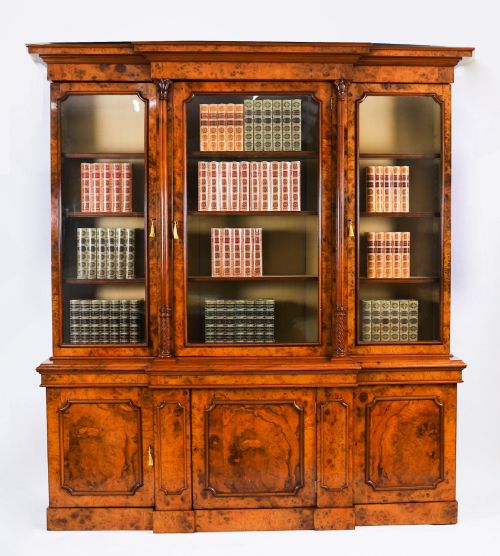
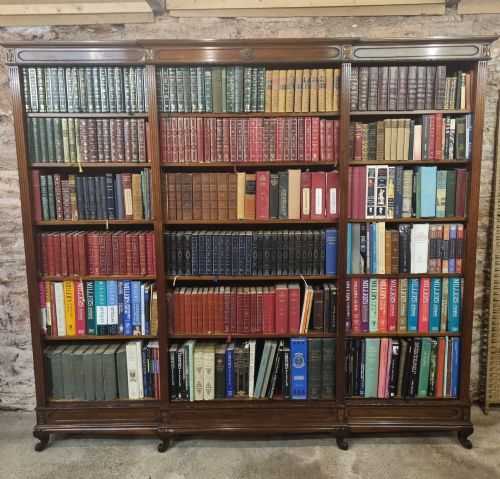
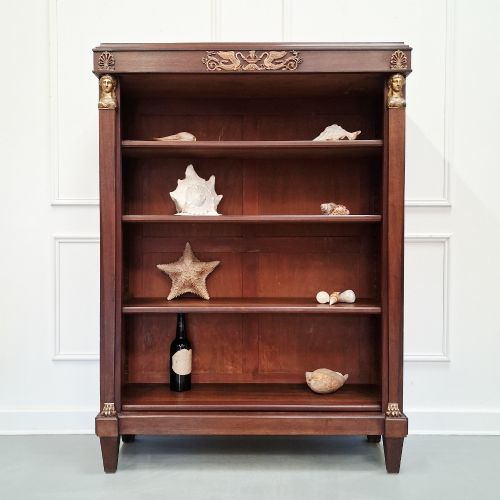
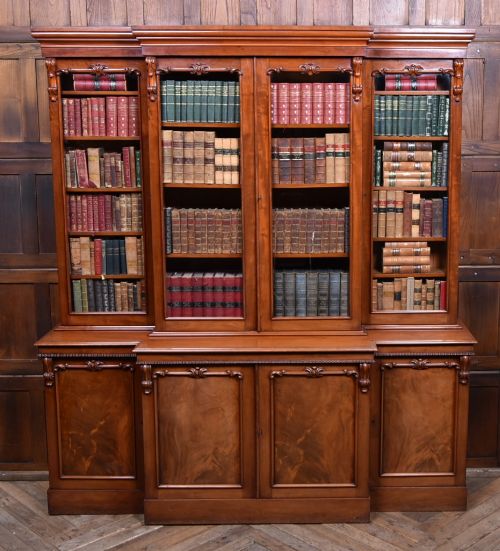
The pieces appearing most frequently are large breakfront open bookcases constructed in sections with adjustable shelving. Makers designed these to house growing collections of leather-bound volumes in country houses and town libraries.
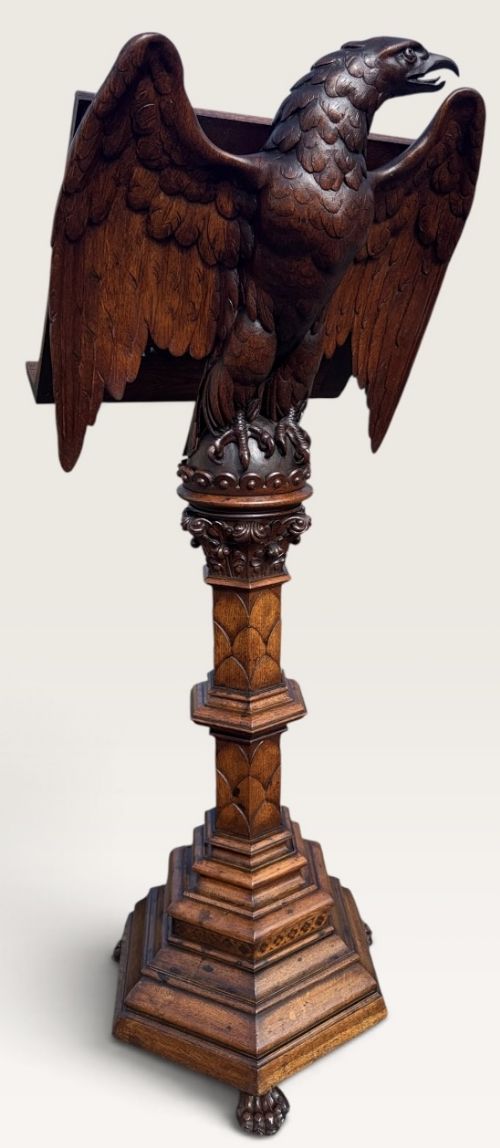
Beyond standard bookcases, the selection includes specialist library accessories such as carved oak lecterns, library ladders, and wooden bookends. These varied forms reflect the comprehensive furnishing of period libraries.
Materials and construction methods
Cabinet makers relied heavily on timbers like mahogany, burr walnut, and oak to construct these large frames. Figured veneers such as pollard oak and burr walnut added visual depth to breakfront cornices and plinths.
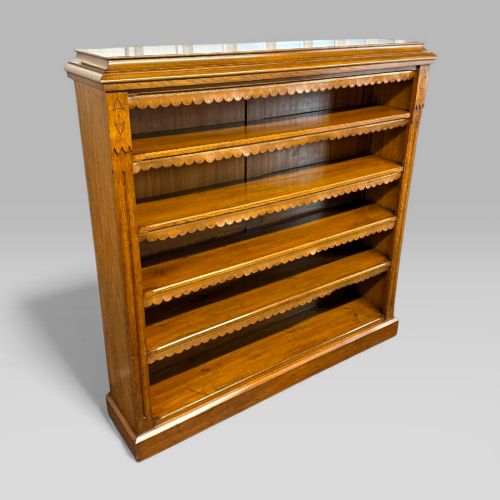
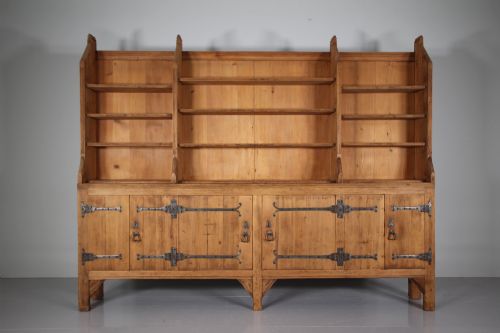
Internal engineering focused on utility, incorporating adjustable wooden shelves supported by pegged or rack-and-pinion systems. Carved details, including Gothic Revival motifs and applied moulding, were worked directly into solid oak or mahogany components.
Large Book Retail Price Guide 2026
Typical asking prices for large book among the pieces listed under this phrase on Sellingantiques today, from the lower quarter to the upper quarter. They describe what is for sale here now, not the wider market.
Listings span the nineteenth and early twentieth centuries, featuring oak, mahogany, walnut, and pine across Victorian, Edwardian, and Regency eras.
Distinctions in construction and timber selection
Quality rests upon the selection of timber figures and the integrity of the breakfront configuration. Superior pieces utilise matched burr walnut or pollard oak veneers across expansive surfaces without splitting or lifting.
Joinery standards separate standard utilitarian shelving from finer library fittings. Well-made examples feature solid backboards, smoothly operating adjustable shelf mechanisms, and crisp, hand-carved mouldings rather than cast plaster ornaments.
Gillows·Waring & Gillow
The Large Book Glossary
- Breakfront
- A cabinet design where the central section projects forward from the flanking wings. This architectural layout creates depth and shadow across large bookcases.
- Adjustable shelves
- Internal boards supported on movable pins or rack tracks. This adaptation allowed owners to alter shelf heights for varying folio sizes.
- Gothic Revival
- A nineteenth-century design style incorporating pointed arches, trefoils, and heavy carved tracery. Cabinet makers applied these architectural motifs to oak library furniture.
- Revolving bookcase
- A freestanding tiered shelving unit mounted on a concealed rotating base. These items enabled users to access multiple volumes from a seated position.
- Pollard oak
- Timber taken from trees that were periodically pruned back to encourage dense, knotted grain patterns. Furniture makers prized this wood for its distinctive swirling figure.
Large Book: Frequently Asked Questions
How do I adjust the shelves?
Most nineteenth-century breakfront bookcases use wooden support strips or metal pins inserted into vertical wall tracks. You simply lift the shelf to clear the supports and relocate the pins to the desired height.
Take care when shifting heavy oak or mahogany boards within older cabinets to avoid marking the interior veneer linings.
Were these made for homes?
Large breakfront bookcases and revolving stands were commissioned primarily for country house libraries, vicarages, and substantial town residences. Wealthy families maintained extensive libraries requiring robust, bespoke furniture to store heavy reference volumes.
Institutional spaces such as gentlemen's clubs and universities also utilised these large multi-section bookcases for daily use.
How do I date a bookcase?
Dating relies upon timber choice, hardware, and stylistic indicators such as Gothic Revival tracery or Regency proportions. Regency and early nineteenth-century pieces often display restrained classical lines in mahogany, while late Victorian items favour heavy oak or burr walnut.
Examine the construction of the backboards and drawer linings, as machine-sawn timber indicates a date towards the end of the nineteenth century.
Can these hold heavy books?
Period library furniture was engineered specifically to support heavy leather-bound folios and reference sets. Thick mahogany and oak shelves resist sagging under substantial weight, particularly in multi-section breakfront formats.
Ensure the internal support pins or rack systems are fully engaged before loading volumes onto the shelves.