


Large Accent Chairs
Large accent chairs offer substantial seating proportions, bringing historic character and decorative presence into a room.
Large Accent Chairs
Large accent chairs span centuries of design, encompassing substantial seating forms from the eighteenth, nineteenth, and early twentieth centuries. These pieces function as statement seating, originating across English, French, and Italian workshops in various revival and period styles.
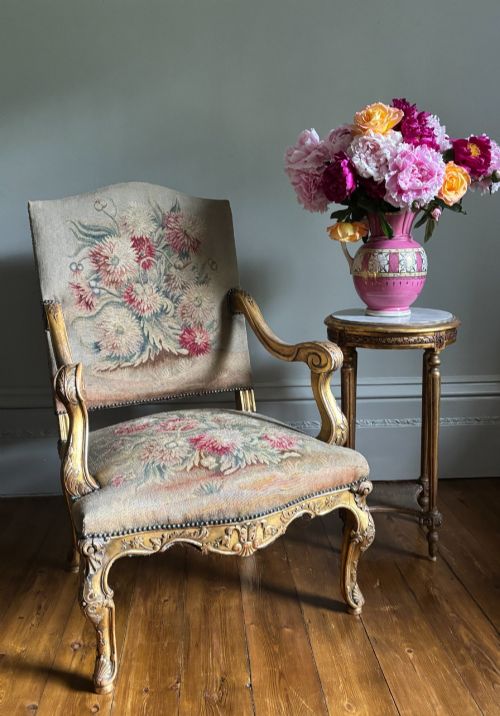
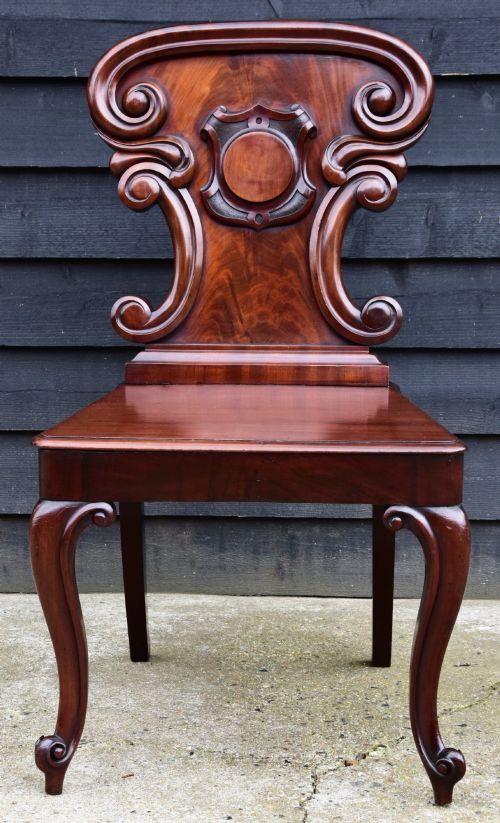
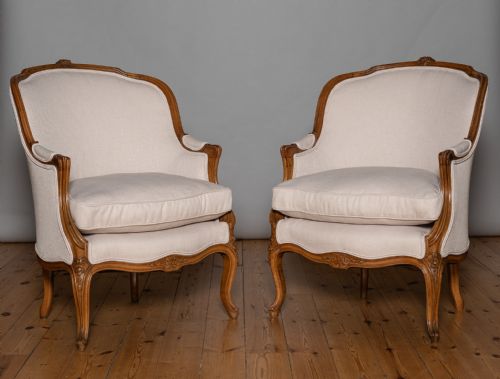
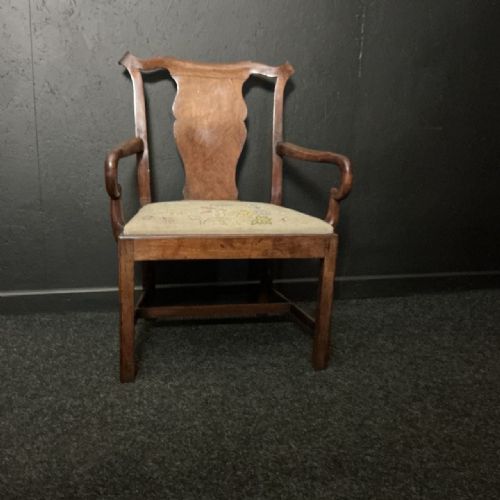
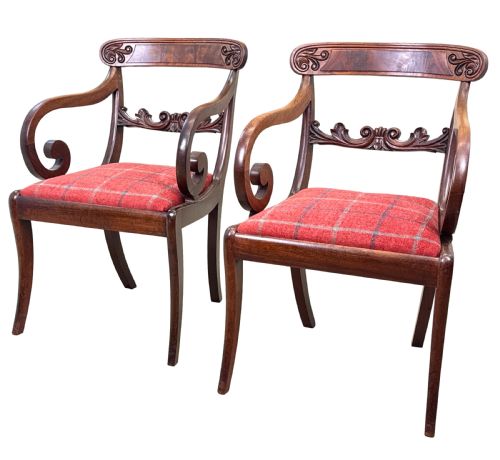
The selections on this page are dominated by nineteenth-century armchairs and hall chairs, alongside eighteenth-century library and Gainsborough chairs. Buyers frequently encounter French giltwood and walnut frames, as well as English mahogany and oak constructions.
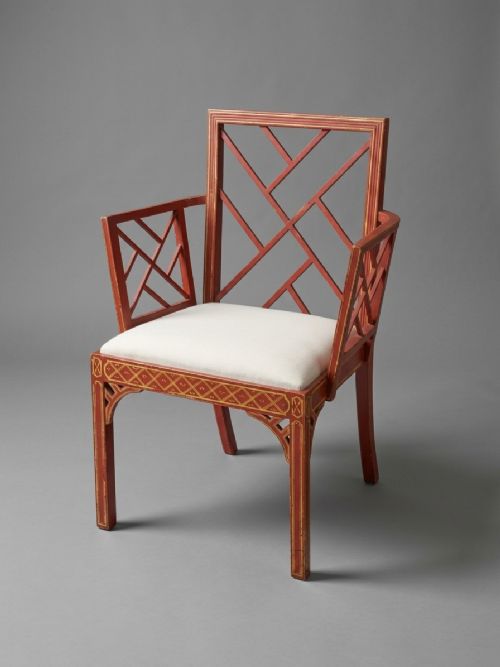
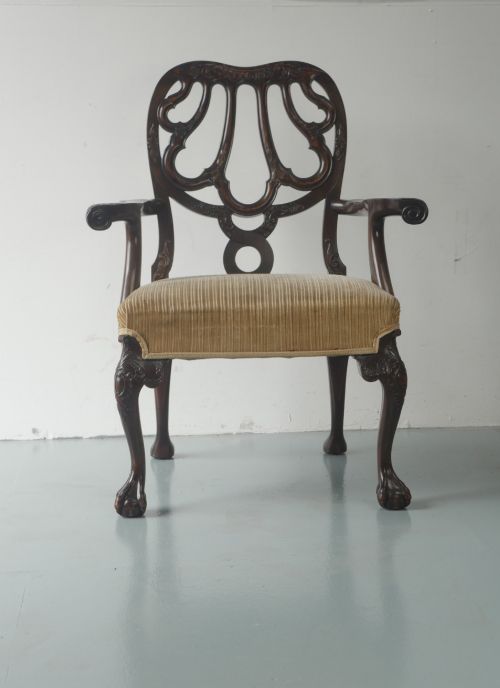
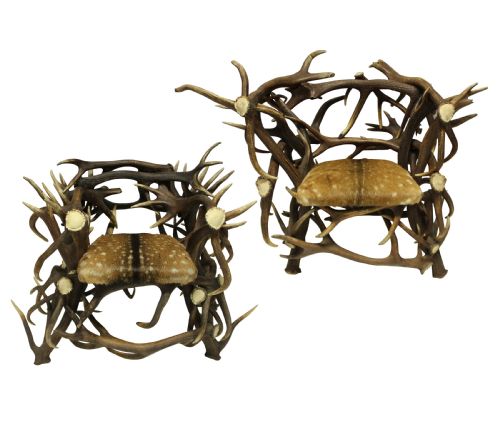
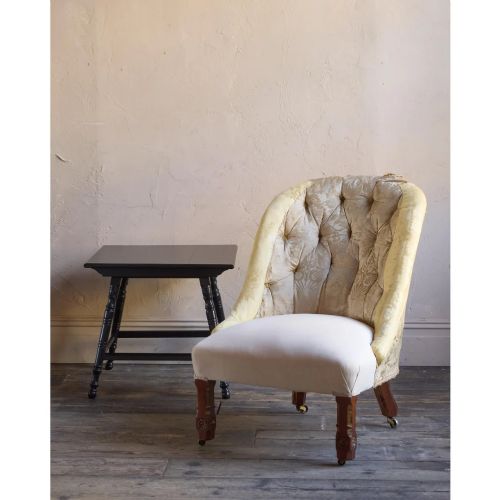
Form variations range from open armchairs and throne chairs to deep barrel backs, slipper chairs, and tub chairs. Each piece provides generous proportions intended to anchor a room visually while offering comfortable seating.
Materials and Construction
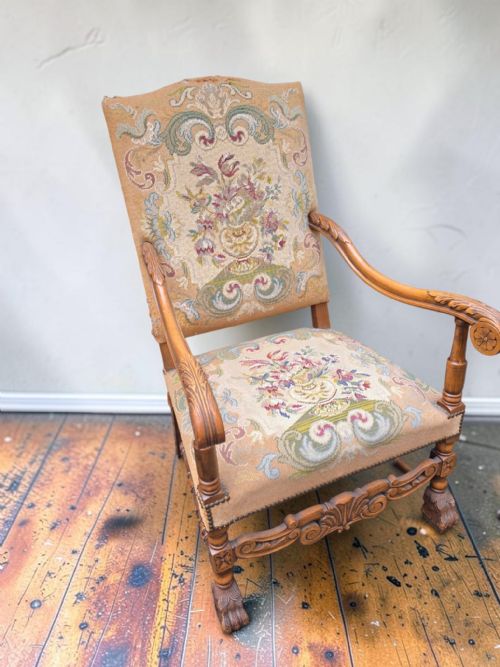
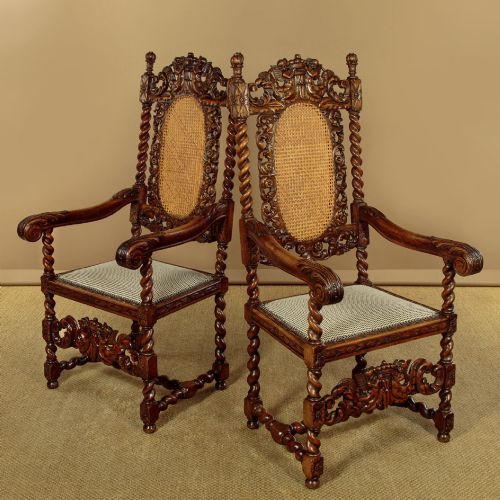
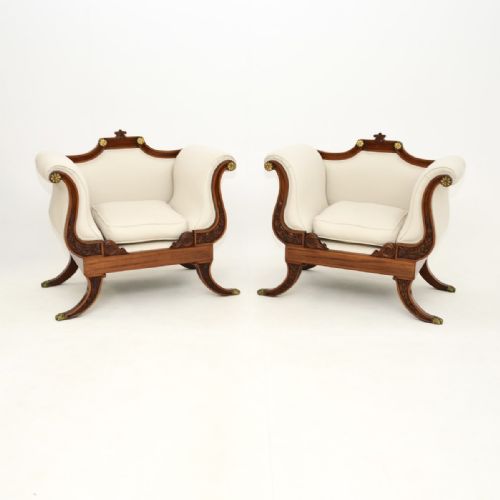
Frames rely on sturdy timbers including mahogany, walnut, oak, and giltwood, carved with classical motifs, barley twists, or elaborate scrollwork. Joinery techniques from these periods ensure structural integrity across heavy proportions.
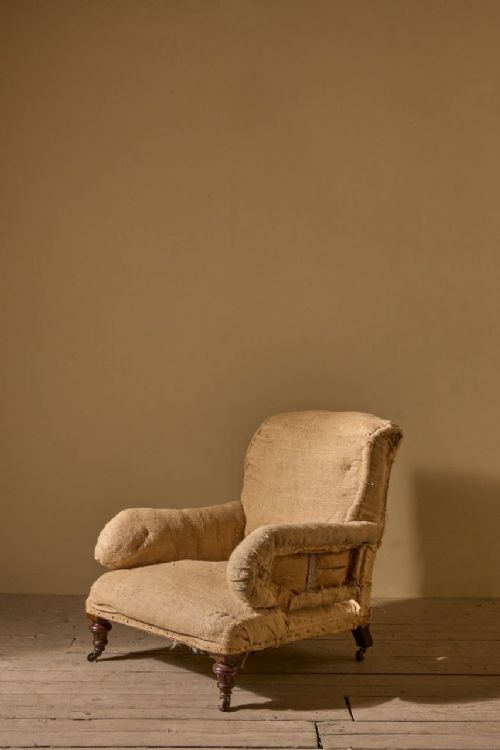
Upholstery incorporates traditional materials such as leather, needlework tapestry, hessian, and fabric. Brass details often accent the framework, while padding techniques support the deep, oversized seating dimensions seen in library and armchair formats.
Large Accent Chairs Retail Price Guide 2026
Typical asking prices for large accent chairs among the pieces listed under this phrase on Sellingantiques today, from the lower quarter to the upper quarter. They describe what is for sale here now, not the wider market.
Evaluating Craftsmanship
Quality rests in the crispness of the timber carving and the architectural balance of the large frame. Hand-carved walnut and giltwood details show distinct depth and precision in top-tier examples compared to softer, less defined work.
The integrity of the original timber frame and the sympathetic nature of any reupholstery dictate the standing of a piece. Superior examples maintain their structural rigidity and authentic period upholstery materials without compromising the historic silhouette.
The Large Accent Chairs Glossary
- Gainsborough chair
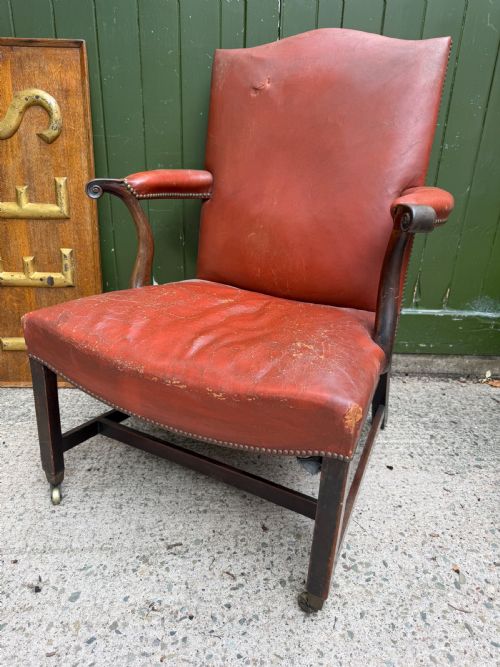
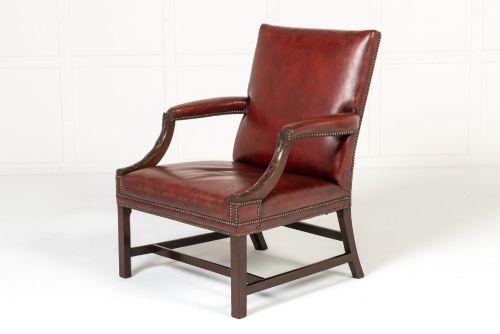
- A type of wide-seat, open-arm library armchair dating from the eighteenth century. These typically feature padded armrests and mahogany framing.
- Giltwood
- Timber treated with gold leaf or gilt preparation. This finish appears frequently on decorative French and Italian revival armchairs.
- Hessian
- A coarse woven fabric utilised as a traditional internal upholstery support layer. It holds stuffing materials securely within historic seats.
- Barley twist
- A decorative turning technique resembling a twisted rope. This detail frequently ornaments the wooden legs and arm supports of nineteenth-century chairs.
- Slipper chair
- A low-seated upholstered chair originally designed for bedrooms. Period examples exhibit generous proportions suited for relaxed seating.
Large Accent Chairs: Frequently Asked Questions
Where should I place a large accent chair?
These substantial seats suit spacious living rooms, libraries, or generous hallways where their scale anchors the room.
They function well as standalone statement pieces or paired opposite a sofa for balanced seating arrangements.
How do I identify a Gainsborough chair?
Gainsborough chairs feature wide proportions, open wooden arms, and upholstered backs designed specifically for eighteenth-century libraries.
They typically stand on straight or cabriole legs and offer a distinctively generous seating width.
Are these chairs suitable for daily use?
Historic frames provide sturdy construction, though internal webbing and padding may require professional assessment for regular sitting.
Selecting pieces with robust wooden frames ensures they withstand daily residential use while retaining their historic character.
How do I distinguish French and English styles?
French armchairs often display elaborate giltwood finishes, carved walnut, and Louis XV or Regence curves.
English equivalents generally showcase mahogany or oak timber grains, featuring restrained Georgian lines or Gothic revival details.