



Landscape Porcelain Plate
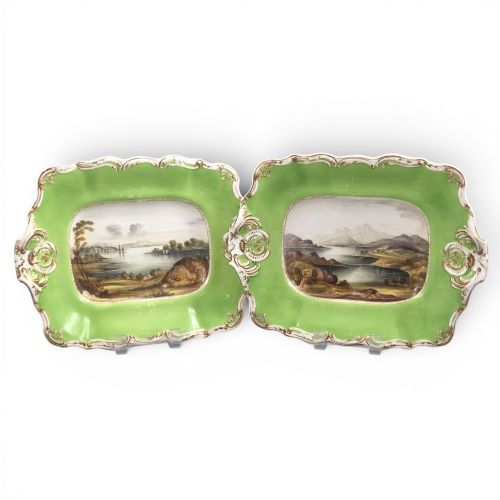
A landscape porcelain plate captures a painted view upon ceramic, offering a glimpse into historic vistas and rural scenes.
Landscape Porcelain Plate
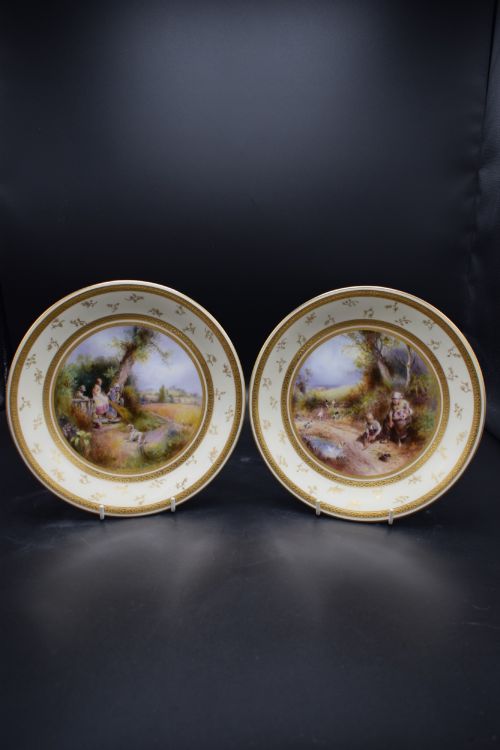
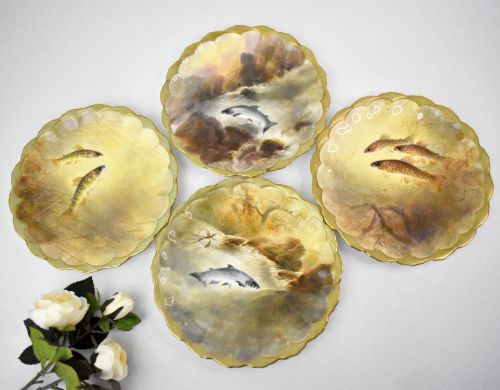
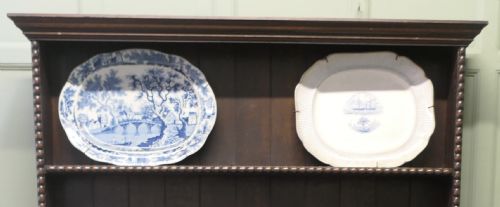
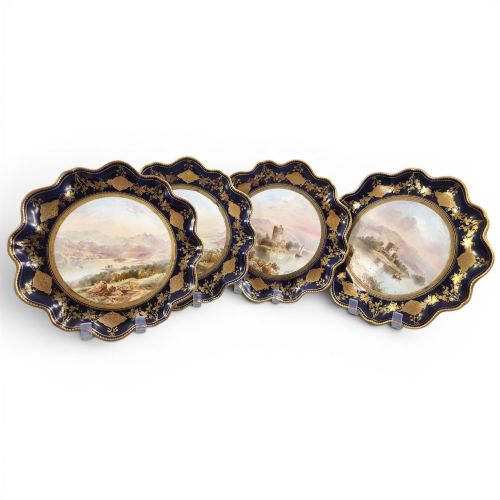
When searching for a landscape porcelain plate, buyers encounter circular ceramic vessels decorated with painted or transferred scenery. These items range from cabinet plates meant for display to dinner plates and serving platters used historically for dining.
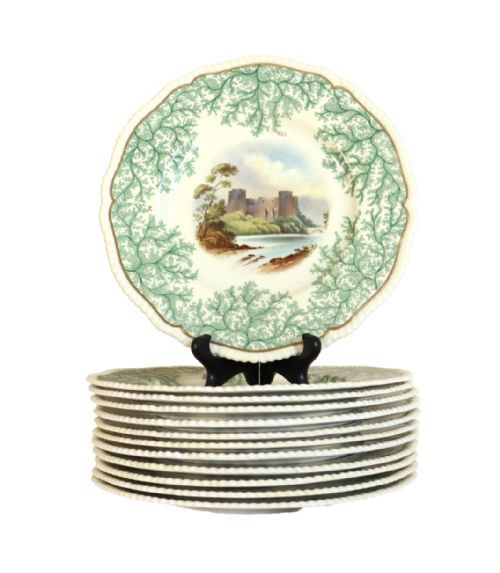
The versions most commonly met on this page date from the nineteenth century, including Victorian and Georgian examples. English factories like Spode, Aynsley, Copeland and Garrett, and Royal Worcester dominate the selection with scenic views.
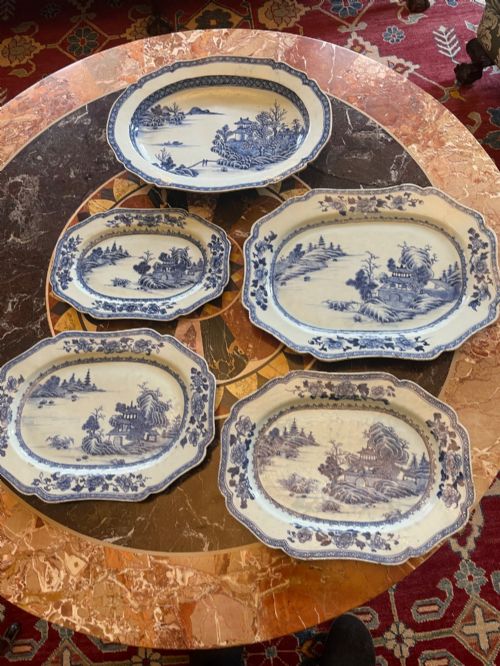
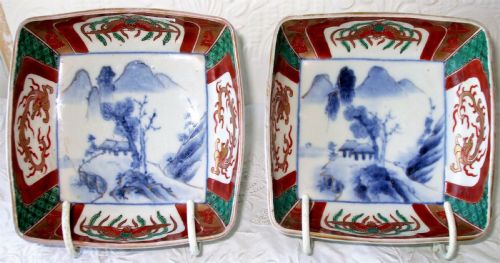
Alongside English works, pieces from Japanese Meiji period kilns and eighteenth-century Chinese export workshops appear. Forms vary from small decorative dishes and sandwich plates to large chargers and platters.
How they were made
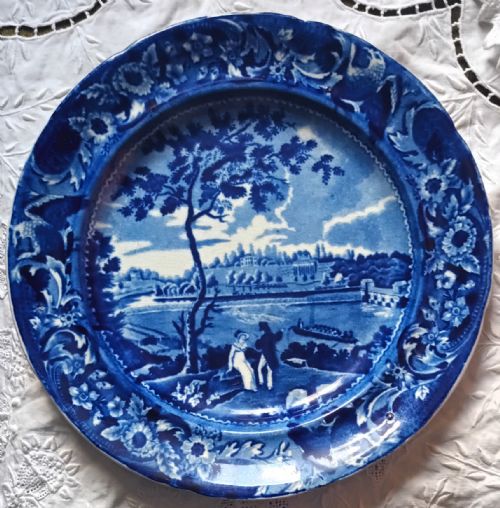
Potters shaped porcelain, bone china, and earthenware bodies before applying glaze and ceramic pigments. Cobalt blue transfer printing allowed intricate landscape designs to be applied efficiently to large batches of tableware.
Finer items received meticulous hand-painted details in enamel colours, sometimes accented with gold leaf gilding. Kiln firing fused the surface decoration permanently into the glaze beneath.
Landscape Porcelain Plate Retail Price Guide 2026
Typical asking prices for landscape porcelain plate among the pieces listed under this phrase on Sellingantiques today, from the lower quarter to the upper quarter. They describe what is for sale here now, not the wider market.
Some nineteenth-century plates feature named Welsh and Scottish views that let you tour distant valleys without leaving the dining room.
What varies in quality
The skill of the artist dictates the artistic merit of the painted scenery, separating mechanical transfer work from delicate brushwork. Named views and specific topographic scenes by known painters generally command greater interest.
The clarity of the glaze and the preservation of any gold leaf detailing influence the overall condition and visual impact. The reputation of the manufacturing factory also plays a role in establishing the standing of a piece.
Spode·Copeland and Garrett·Aynsley·Royal Doulton·Darte Brothers·Coalport·Derby·Barr Flight Barr Worcester·Minton·Royal Worcester
The Landscape Porcelain Plate Glossary
- Cabinet plate
- A decorative plate intended for display in a cabinet or on a wall rather than for daily dining use. These often feature elaborate hand-painted landscapes and gilt borders.
- Transfer printing
- A method of applying a printed design to ceramic ware from an engraved copper plate via tissue paper. This technique enabled factories to produce detailed blue and white scenery efficiently.
- Charger
- A large decorative plate or platter used historically for ceremonial service or as a base beneath other courses. They provide a wide expanse for expansive landscape compositions.
- Enamel
- Opaque glass-like pigments applied over the glaze to add colour to porcelain before a secondary low-temperature firing. This allows for vibrant multi-coloured scenery.
- Bone china
- A type of porcelain containing animal bone ash that produces a strong, bright white body. It became a favoured material for fine nineteenth-century English tableware.
Landscape Porcelain Plate: Frequently Asked Questions
What are landscape porcelain plates?
These items are ceramic plates and platters decorated with painted or printed views of nature, architecture, and historic estates.
Potters produced them across the eighteenth and nineteenth centuries in England, continental Europe, and Asia for both display and service.
How were these plates used?
Many served practical roles on dining tables for meals, side dishes, or serving courses during formal dinners.
Others functioned purely as cabinet pieces, displayed on walls or within furniture to showcase artistic scenery.
How do I care for antique plates?
Gentle hand washing in lukewarm water with mild soap preserves the delicate enamel paints and gold leaf accents.
Avoid automated dishwashers and harsh abrasive scourers to protect the historic glaze from damage.
How do I identify the period?
Maker marks stamped or painted on the reverse base offer the most reliable guide to dating and attribution.
Stylistic clues such as transfer printing styles and ceramic body composition also indicate whether a piece originates from the Georgian or Victorian era.