



Lacquered Wood Stand
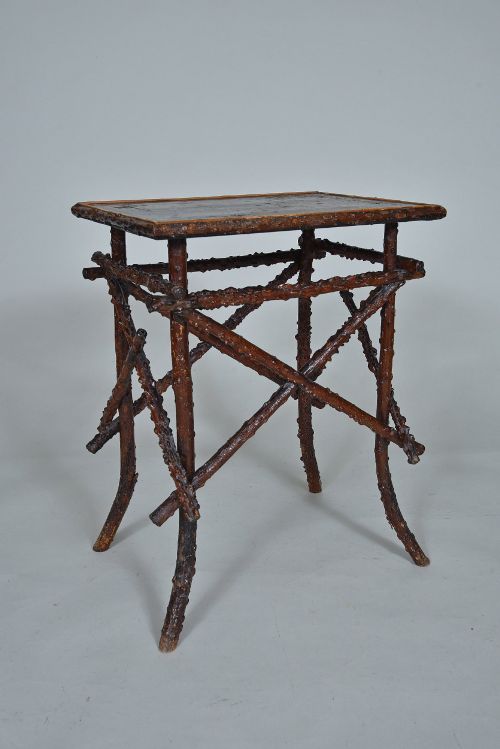
A lacquered wood stand brings a rich surface and global decorative history into a room, spanning delicate Chinoiserie plant supports to substantial cabinets on raised bases.
Lacquered Wood Stand
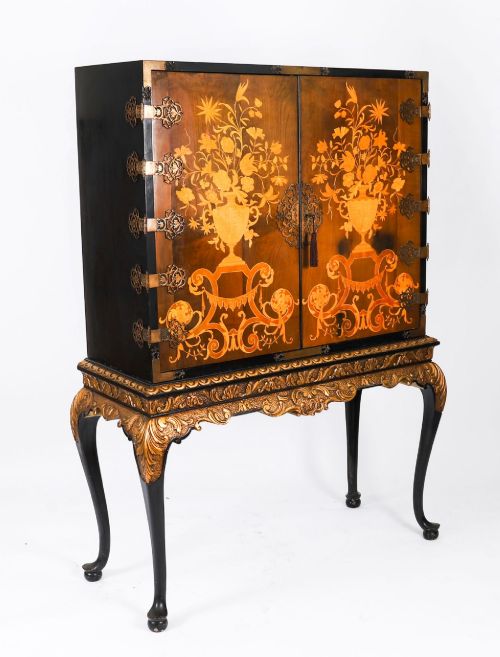
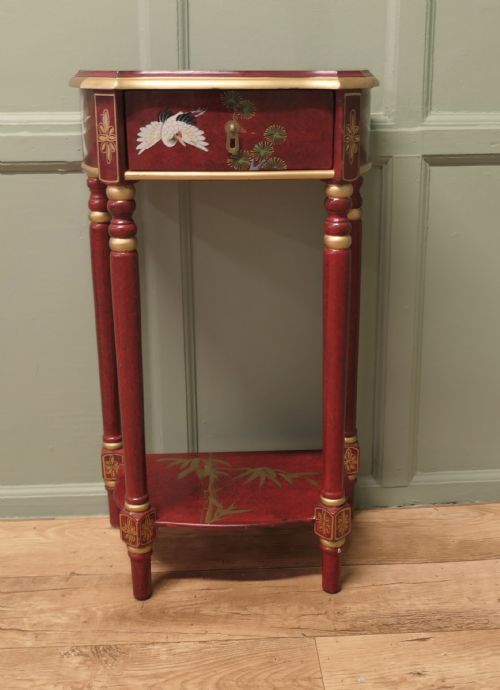
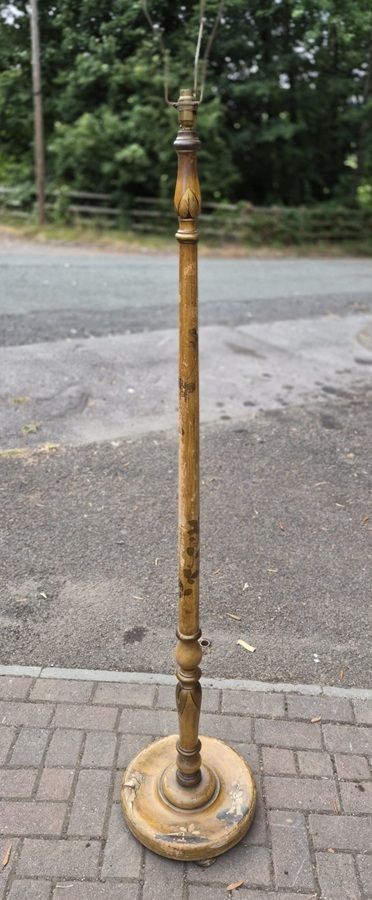
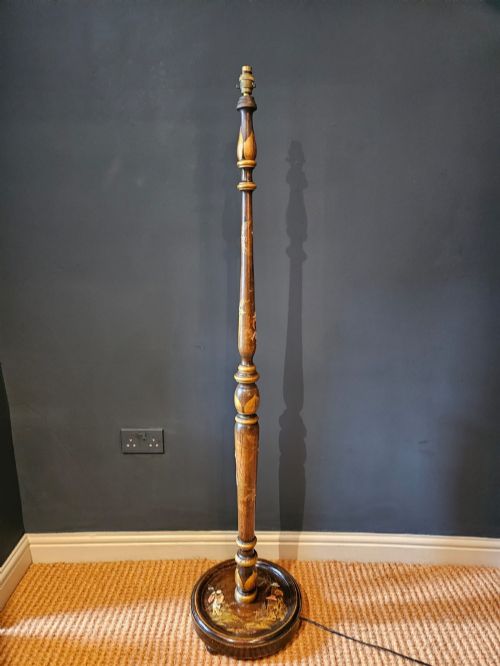
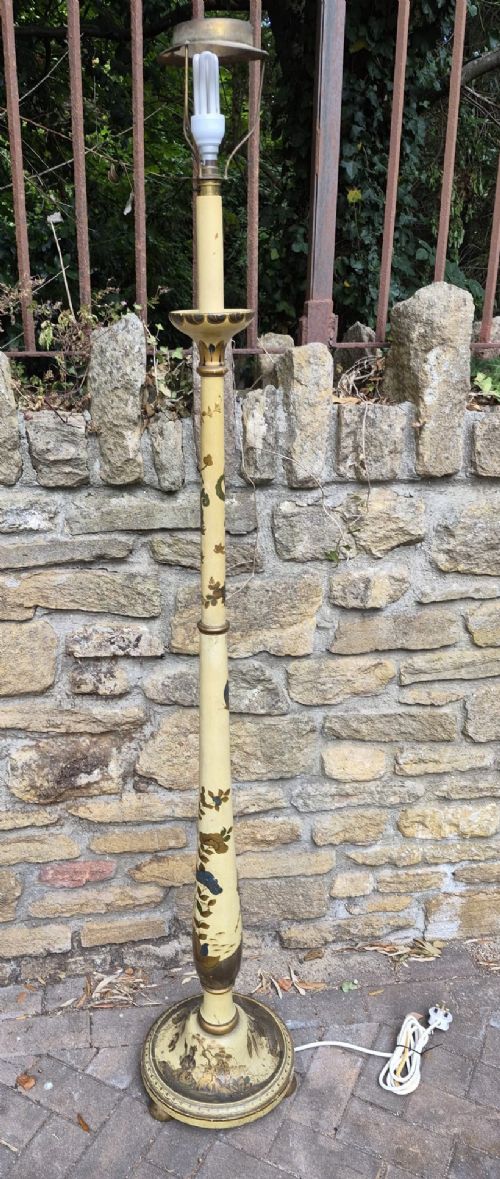
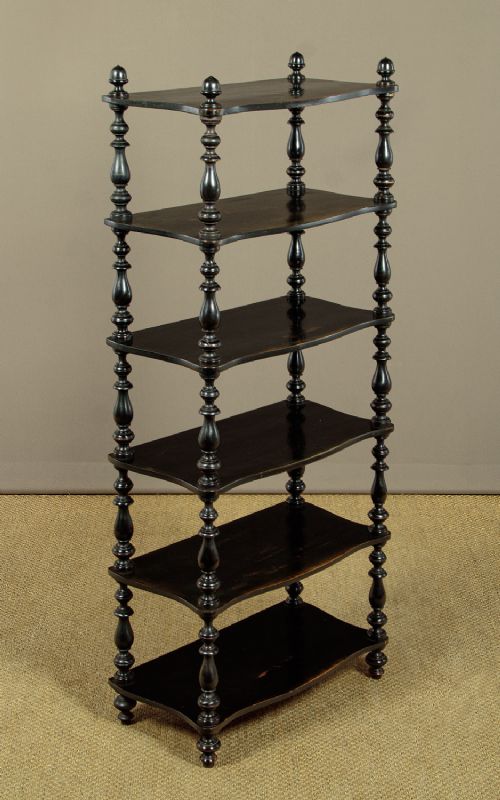
A lacquered wood stand serves varied domestic roles, appearing here as tall floor lamps, plant pedestals, cabinets raised on frames, and occasional side tables. The selection draws heavily from 19th-century and early 20th-century workshops, alongside occasional 18th-century examples.
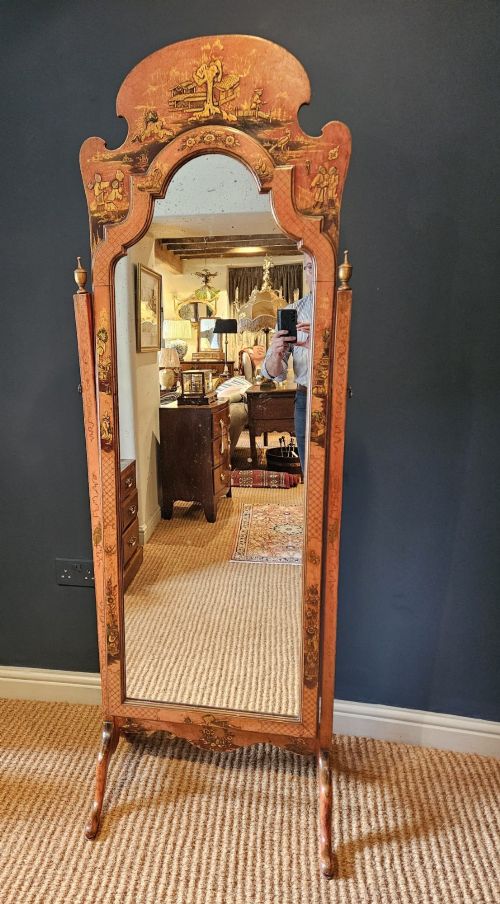
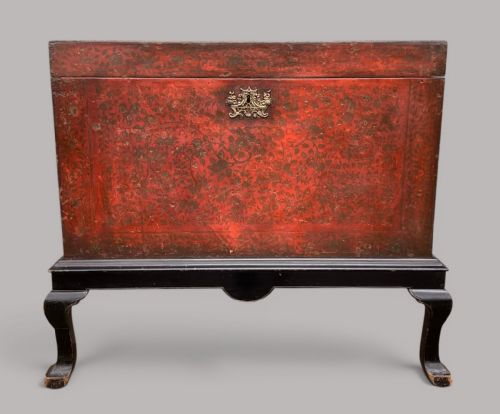
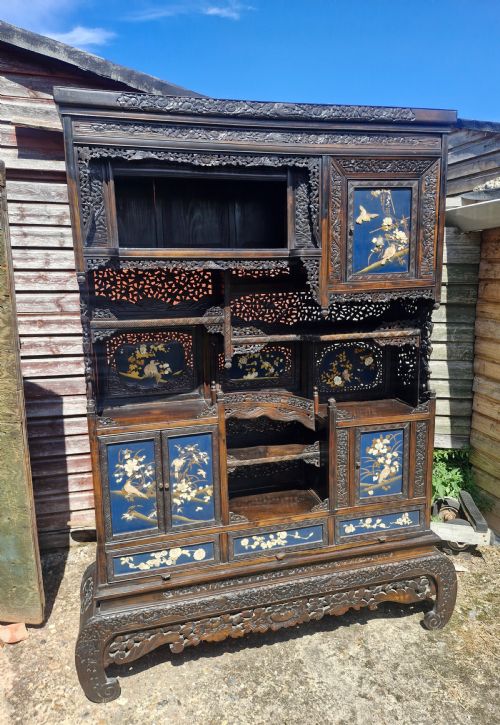
Forms range widely from Japanese Meiji period shodonas and Chinese robe stands to Edwardian standard lamps and Anglo-Indian trunks on elevated bases. Buyers encounter distinct regional interpretations, notably British Chinoiserie, Venetian lacquerwork, and traditional Asian craftsmanship.
Many items combine functional support with intricate decorative programs, such as plant stands, vase pedestals, and compact cabinets designed to display collections or hold everyday items.
How they were made
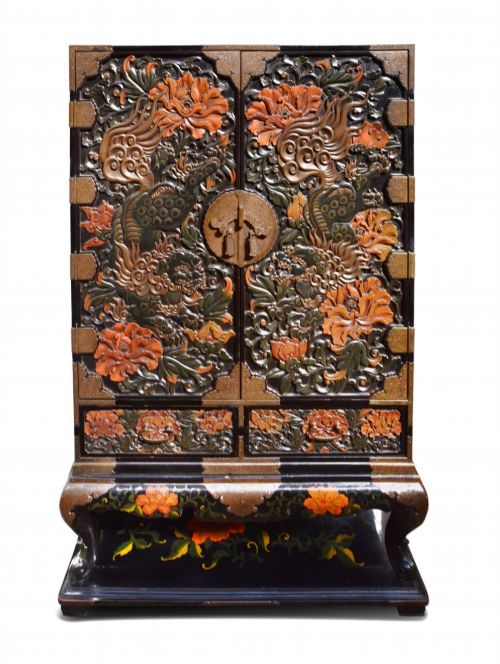
Construction relies upon solid timbers, including hardwood, elm, and rootwood, often finished with layered lacquer, painted details, or ebonised surfaces. Artisans applied successive coats of lacquer to build durable, lustrous sheens that frequently incorporated gilt highlights or carved relief work.
Metal elements such as brass appear alongside specialist decorative techniques like cinnabar carving and Shibayama inlay. Frames and stands integrate joinery appropriate to their period, supporting heavy cabinets, chests, and stone or quartz table inserts.
Lacquered Wood Stand Retail Price Guide 2026
Typical asking prices for lacquered wood stand among the pieces listed under this phrase on Sellingantiques today, from the lower quarter to the upper quarter. They describe what is for sale here now, not the wider market.
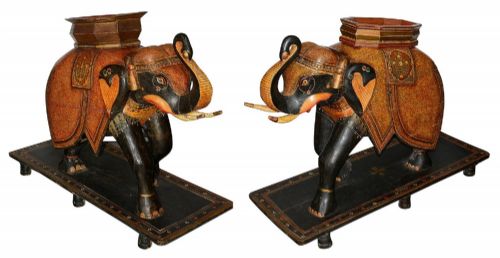
Elephants carved from Kashmiri wood and finished in red lacquer stand ready to support your decorative ambitions.
What varies in quality
Distinction across the range lies in the depth of the surface finish and the crispness of the carved or painted ornamentation. Pieces featuring hand-applied gilt, intricate Chinoiserie scenes, or complex multi-tiered structures command attention through artistic execution.
Structural integrity of the supporting frame dictates long-term stability, particularly where tall torchere stands, plant pedestals, or heavy cabinets on stands are concerned. Original decorative schemes and well-preserved lacquer surfaces distinguish exceptional examples from later or heavily restored pieces.
The Lacquered Wood Stand Glossary
- Chinoiserie
- European decorative style reflecting Chinese artistic influences. This aesthetic dominates many British lamps, tables, and cabinets from the Georgian through to the Edwardian eras.
- Japanned
- European imitation of East Asian lacquerwork using layered varnishes and metallic powders. It is frequently seen on 18th-century cabinets and stands.
- Torchere
- Tall ornamental stand designed to support a light source or decorative object. Regency and Victorian examples often feature slender proportions and classical detailing.
- Shodona
- Japanese tabletop display cabinet featuring staggered shelving and sliding doors. These pieces showcase fine Meiji period woodworking and lacquer techniques.
Lacquered Wood Stand: Frequently Asked Questions
How do I use a plant stand?
A lacquered wood stand provides height and architectural interest for potted plants, urns, or decorative vases within a room. Their compact footprints make them suitable for corners or empty wall spaces.
Ensure the top surface is protected from moisture by using saucers or discreet liners under plants to preserve the historic lacquer finish.
Where should I place a standard lamp?
Lacquered wood standard lamps and floor lamps work effectively beside seating areas or in dark corners that require ambient illumination. Their decorative shafts contribute vertical visual weight even when unlit.
Keep these pieces away from direct sunlight and strong heat sources to protect the painted and lacquered finishes from fading or drying out.
What fits on a side table?
Compact side tables and low tables accommodate small lamps, decorative objects, or books while introducing distinct regional styles like Chinoiserie or Meiji period craftsmanship to a scheme.
Pair them with upholstery that complements their specific colour palette, whether that involves deep red lacquer, ebonised wood, or gilt detailing.
How do I identify a cabinet on stand?
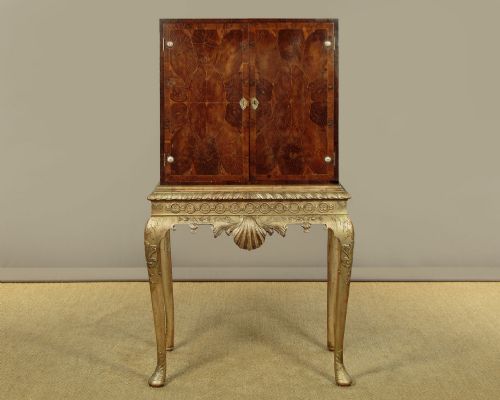
These pieces consist of a distinct upper storage section, such as a chest, trunk, or cabinet, mounted permanently or resting upon a supportive table frame. The evidence includes examples from Indian, Chinese, and European traditions.
Examine the proportions between the upper cabinet and the supporting legs to appreciate the stylistic transition from the 18th century through to the early 20th century.