




Lacquered Wood Screen
These lacquered wood screen pieces bring rich surface and structure to a room, offering the exact decorative division and artistry a buyer seeks.
Lacquered Wood Screen
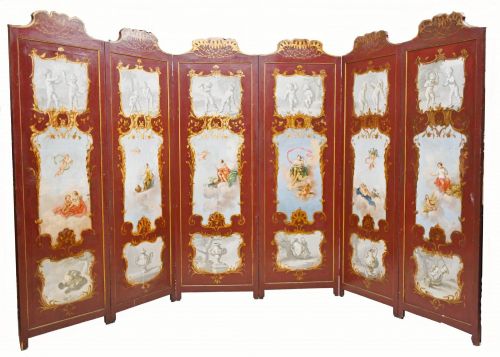
A lacquered wood screen forms a decorative barrier or focal point, drawing from periods such as the nineteenth century, the Regency era, and the early twentieth century. Buyers seeking this phrase encounter folding screens, wall art, table screens, and fire screens.
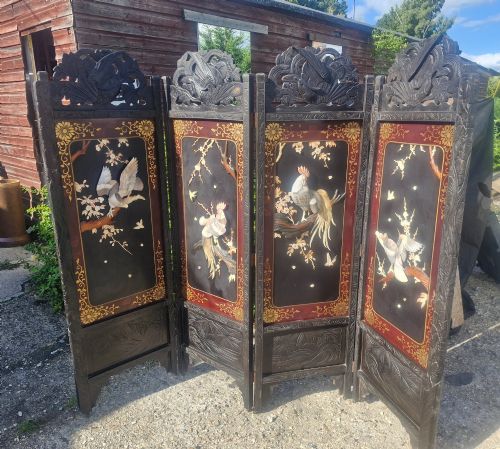
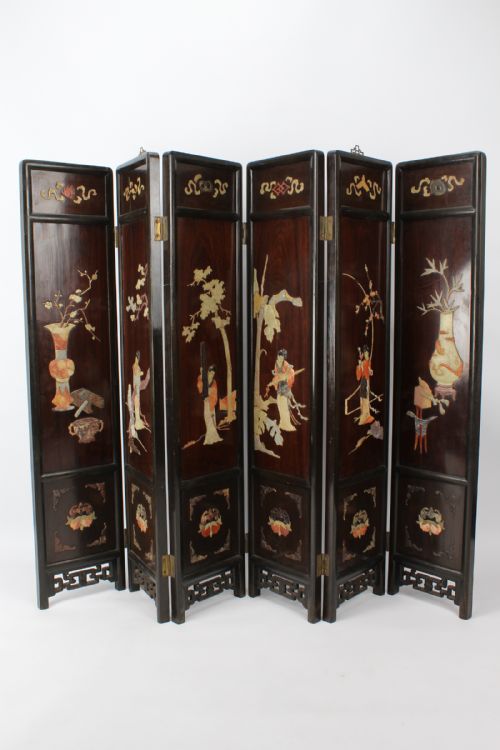
The regional styles vary widely across the inventory, ranging from Chinese Chinoiserie, Qing Dynasty, and Chinese Republic Era pieces to Japanese Meiji period examples and Burmese works. These items function as room dividers or tabletop objects, utilising diverse panel counts from three-fold up to eight-fold configurations.
How they were made
Artisans built these objects using wood and hardwood as the primary base, applying layers of lacquer to create smooth, durable surfaces. Many examples incorporate intricate surface details such as paint and gold leaf.
Decoration often extends to applied elements, utilising carved bone, brass, and mother-of-pearl inlay to build up figurative and floral reliefs reminiscent of Coromandel or Bantam work.
Lacquered Wood Screen Retail Price Guide 2026
Typical asking prices for lacquered wood screen among the pieces listed under this phrase on Sellingantiques today, from the lower quarter to the upper quarter. They describe what is for sale here now, not the wider market.
This collection spans the Regency period, the nineteenth century, and the 1910s to the 1950s, incorporating wood, lacquer, bone, and mother-of-pearl.
What varies in quality
The standard of carving and inlay work distinguishes finer pieces from simpler decorative items, particularly where deep carved bone or mother-of-pearl is set into the hardwood. Precision in the lacquer finish and the complexity of the painted or gilded scenes also mark out superior execution.
Structural integrity across multiple folding panels and the retention of delicate surface details across centuries indicate the original craftsmanship level of each screen.
The Lacquered Wood Screen Glossary
- Chinoiserie
- European decorative style reflecting Chinese artistic influences. It appears frequently in nineteenth-century lacquer panels and room dividers.
- Shibayama
- Japanese craft technique involving inlay of materials like bone and mother-of-pearl into a base. Table screens often display this meticulous work.
- Coromandel
- Deeply incised Chinese lacquer work where designs are cut into the lacquer ground and filled with colours. Pieces often imitate this historic export style.
- Table screen
- A smaller decorative screen mounted on a stand rather than standing on the floor. These items were traditionally used on desks or tables for display.
- Meiji Period
- Era of Japanese history spanning the late nineteenth and early twentieth centuries. Many folding screens and inlaid panels originate from this time.
Lacquered Wood Screen: Frequently Asked Questions
How do I use a folding screen at home?
Folding screens function well as room dividers to separate living spaces, or simply placed flat against a wall as large-scale art panels.
Smaller table screens suit desks and sideboards, while fire screens add decorative interest to unused hearths.
What is the difference between Chinese and Japanese screens?
Chinese screens in this selection often feature Chinoiserie painting, export styles like Coromandel work, or multi-panel folding arrangements.
Japanese pieces frequently showcase Meiji period craftsmanship, including deep carved bone figures and detailed Shibayama inlay on hardwood.
How should I care for lacquered wood?
Keep lacquer away from direct sunlight and excessive heat to prevent cracking or fading of the finish. Dust gently with a dry, soft cloth and avoid chemical polishes.
How can I tell the period of a screen?
Dating relies on stylistic markers such as Regency framing details, Meiji period carving techniques, or Qing Dynasty design motifs.
Construction methods and the specific materials used also help indicate whether a piece originates from the nineteenth or early twentieth century.