




Lacquered Wood Mirror
These lacquered wood mirror designs bring distinctive painted surfaces and rich historical styles into modern interiors.
Lacquered Wood Mirror
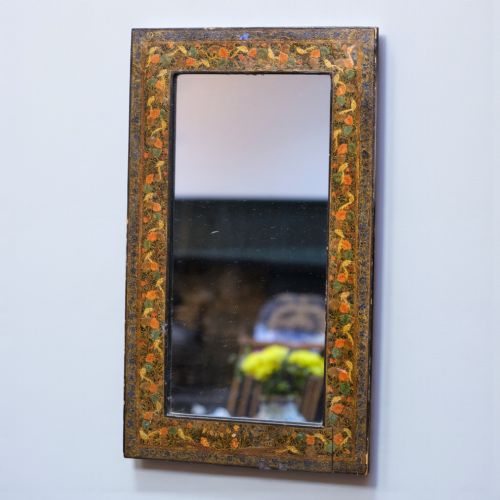
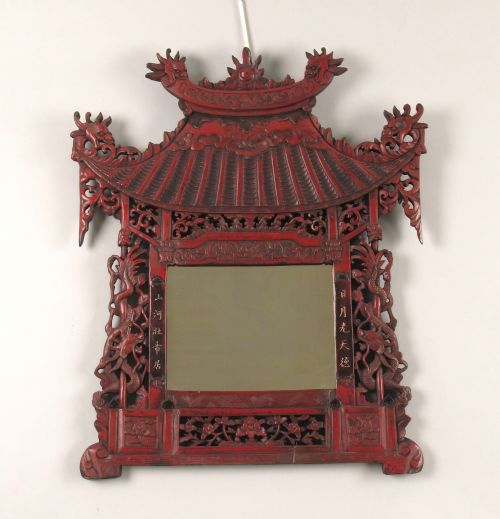
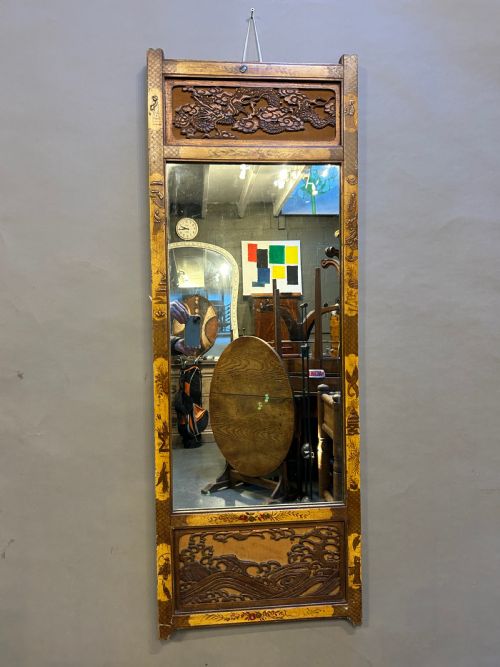
A lacquered wood mirror combines a reflective glass plate with a decorative wooden frame finished in lacquer, pigment, or gold leaf. When you search for this phrase, you encounter pieces designed to hang on walls or stand independently as floor fixtures.
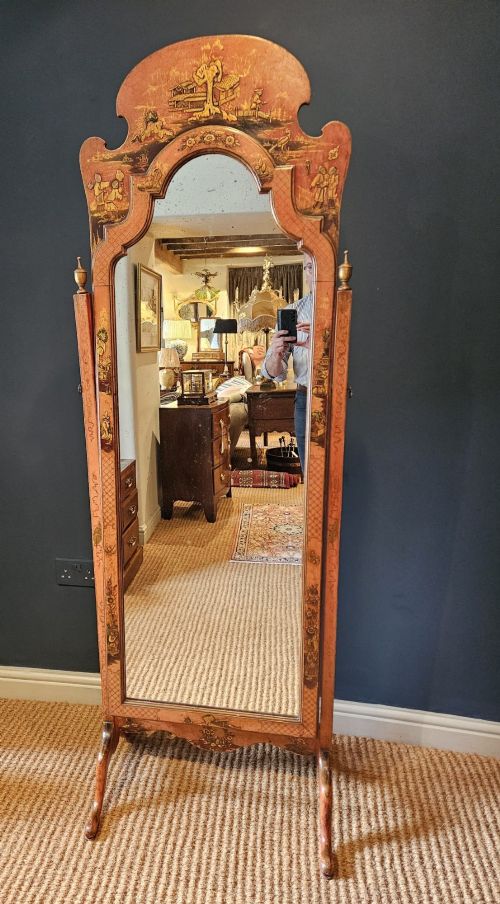
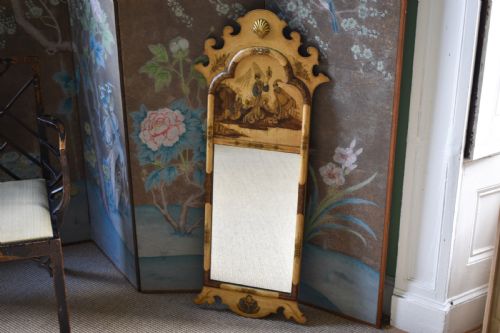
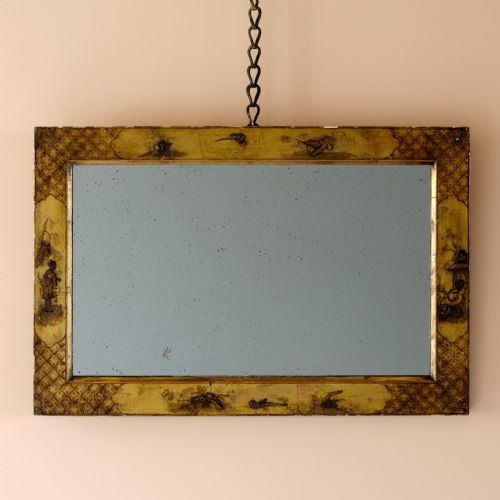
The selections available here lean heavily towards Chinoiserie aesthetics and Edwardian interpretations, alongside Kashmiri or Anglo-Indian works. You find forms ranging from compact wall mirrors and grand overmantel pieces to large cheval mirrors.
The chronological span covers the nineteenth century through to the early decades of the twentieth century, capturing Victorian Aesthetic Movement taste as well as Queen Anne revivals. Red lacquer, black lacquer, ebonised wood, and cream finishes define the visual spectrum of these items.
How they were made
The construction relies on solid wood frames prepared as bases for layers of lacquer and pigment. Artisans applied successive coats to achieve smooth or textured surfaces, often incorporating gold leaf details to highlight pictorial motifs.
Mirrors utilise glass plates fitted securely within these elaborate wooden structures. Ebonised wood and applied coloured pigments further manipulated the visual weight and sheen of the finished frame.
Lacquered Wood Mirror Retail Price Guide 2026
Typical asking prices for lacquered wood mirror among the pieces listed under this phrase on Sellingantiques today, from the lower quarter to the upper quarter. They describe what is for sale here now, not the wider market.
Listings feature periods spanning the nineteenth century, Edwardian era, and the nineteen-twenties and thirties.
What varies in quality
The refinement of the painted decoration and the depth of the lacquer finish distinguish standard examples from exceptional ones. Hand-rendered Chinoiserie scenes and meticulous gilding require high artisan skill compared to simpler monochromatic or plain surfaces.
The scale and architectural ambition of the frame also set pieces apart, with large cheval mirrors and intricate pagoda wall mirrors representing more complex carpentry and design than basic rectangular wall frames.
The Lacquered Wood Mirror Glossary
- Chinoiserie
- European interpretation and imitation of Chinese and East Asian artistic traditions, prominent in furniture and mirror decoration. This style employs motifs like pagodas, figures, and landscapes.
- Cheval mirror
- A freestanding full-length mirror hung on a vertical frame with pivots that allow it to tilt. These large floor pieces require substantial framing.
- Overmantel mirror
- A large mirror specifically designed to hang above a fireplace mantelpiece. They often feature horizontal proportions to match the width of the fireplace.
- Ebonised wood
- Timber treated with a finish to make it dark and glossy, mimicking expensive ebony. This technique was favoured in nineteenth-century design.
- Gold leaf
- Extremely thin sheets of beaten gold used for gilding surfaces. It adds brilliant metallic highlights to lacquer frames.
Lacquered Wood Mirror: Frequently Asked Questions
Where should I hang a wall mirror?
Wall mirrors work effectively in hallways, living rooms, and above fireplaces to reflect light and create a sense of space. Placing them opposite a window maximises illumination.
Ensure the wall fixings support the weight of the wooden frame securely, particularly for larger overmantel or decorated examples.
How do I clean a lacquered frame?
Dust the lacquered wood gently with a soft, dry cloth to prevent scratching the surface. Avoid using harsh chemical sprays or abrasive cleaners that can damage the lacquer or gold leaf.
Glass cleaner should be applied directly to a cloth rather than the mirror itself to prevent liquid seeping into the wooden joints.
What is an overmantel mirror?
An overmantel mirror is a large decorative glass made to sit directly above a fireplace mantel. These pieces anchor the chimney breast and visually balance the hearth below.
They often feature wider horizontal formats and elaborate framing styles like black lacquer or Chinoiserie decoration.
How do I date a mirror?
Dating relies on examining the construction methods of the wood frame, the style of the decoration, and the bevel or thickness of the glass. Aesthetic Movement and Edwardian pieces show distinct stylistic traits linked to their manufacturing eras.
Comparing the pigment types and lacquer application techniques also helps place an item within the nineteenth or early twentieth century.