



Lacquered Wood Furniture
Lacquered wood furniture brings together centuries of Asian and European craftsmanship, offering striking visual depth and practical surfaces for any room.
Lacquered Wood Furniture
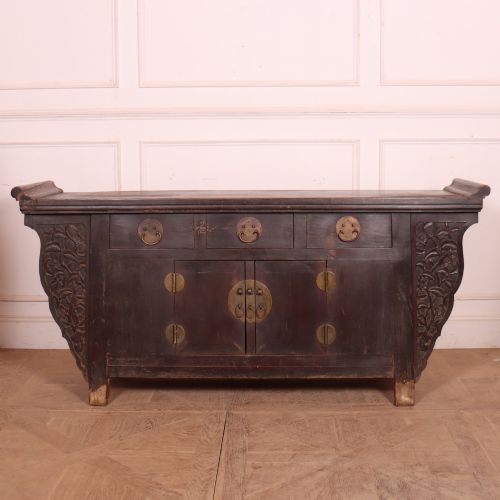
When buyers search for lacquered wood furniture, they encounter a diverse array of items ranging from 18th century European pieces to 19th and early 20th century Asian imports. The selection on this page leans heavily toward Chinese and Japanese forms, including occasional tables, cabinets, plant stands, and chests.
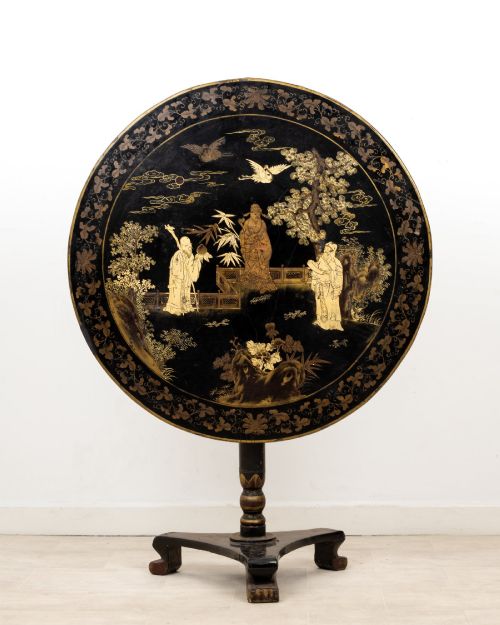
Alongside Asian export pieces, the inventory includes English and Italian interpretations in the Chinoiserie and Art Deco styles. These works span distinct periods such as the Victorian era, the Meiji period, and the 1920s.
Buyers are most likely to meet practical items for daily use, such as coffee tables, side cabinets, and desks, finished with layered lacquer, paint, or gilding.
Materials and construction methods
The construction of these pieces relies on foundational hardwoods, elm, kiri wood, and ebonised wood, providing a stable base for the applied finishes. Artisans built structural elements using traditional joinery suited to tables, cabinets, and chests.
Surfaces received multiple coats of lacquer, sometimes enhanced with gold leaf, brass fittings, and paint. Specialised techniques produced deep black, red, and cinnabar finishes, often incorporating carved details or inlaid panels.
Lacquered Wood Furniture Retail Price Guide 2026
Typical asking prices for lacquered wood furniture among the pieces listed under this phrase on Sellingantiques today, from the lower quarter to the upper quarter. They describe what is for sale here now, not the wider market.
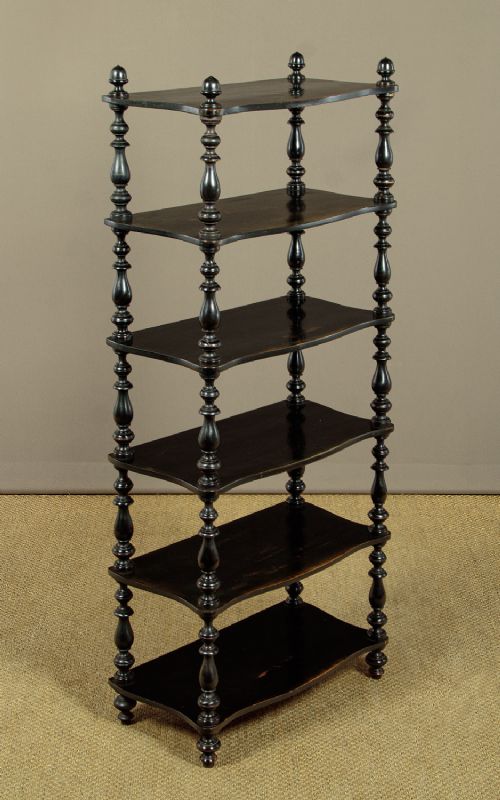
Several items double as conversation starters, including a red temple drum and a multi-tiered dumb waiter.
Distinguishing quality across the range
The standard of a piece rests primarily on the depth and preservation of the surface finish. Works retaining their original gilt decoration, intact painted scenes, and undisturbed lacquer show superior execution compared to those with extensive later repainting.
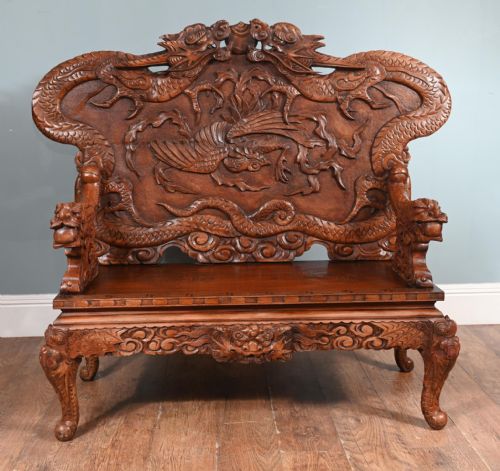
Structural integrity and the complexity of the form also divide the range. Items demonstrating intricate carved seating, multi-tiered architecture, or specialised hardware represent a higher tier of workmanship.
H and L Epstein
The Lacquered Wood Furniture Glossary
- Chinoiserie
- European decorative style in the Chinese taste, popular across furniture and decorative arts from the 18th century onward. It often employs gold motifs on dark lacquered surfaces.
- Shibayama
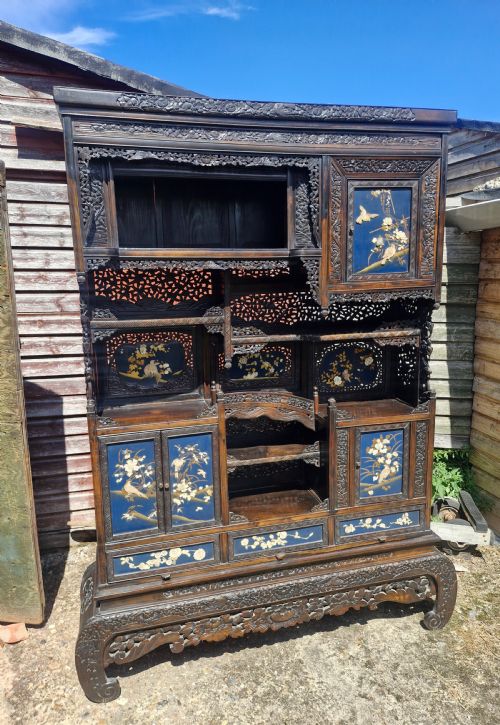
- Japanese decorative technique involving the inlay of precious materials such as ivory, shell, and bone into wood or lacquer grounds. This work appears frequently on Meiji period cabinets.
- Tansu
- Traditional Japanese mobile storage chest built from timber with metal mounts and handles. These pieces were designed for domestic utility and organisation.
- Cinnabar lacquer
- Technique involving numerous layers of red lacquer carved with intricate low-relief patterns. It provides a heavy, tactile surface seen on Chinese benches and tables.
- Etagere
- Open tiered shelving unit designed for displaying small decorative objects. Examples often incorporate ebonised wood and brass supports.
Lacquered Wood Furniture: Frequently Asked Questions
What is lacquered wood furniture?
Lacquered wood furniture refers to wooden items finished with tree sap resin or synthetic varnish that creates a durable, glossy surface. These pieces often feature decorative painting, carving, or gilt work.
The selection available includes items from diverse origins, spanning Chinese export wares, Japanese Meiji period cabinets, and European Chinoiserie interpretations.
How do I clean lacquered furniture?
Cleaning requires a soft, dry cloth to remove dust without scratching the glossy finish. Avoid harsh chemical cleaners, alcohol, or excessive moisture that might damage the surface layers.
Preserving the original polish helps maintain the visual depth of the lacquer and protects the underlying wood and paint.
Are these pieces waterproof?
Traditional lacquer creates a resilient and water-resistant barrier, but it is not entirely impervious to standing liquid. Spills should be wiped away promptly to prevent spotting or lifting of the finish.
Using coasters and mats on tables and sideboards helps safeguard historical surfaces from heat and moisture damage.
How do I date an antique cabinet?
Dating relies on examining the construction methods, wood types, hardware, and the characteristics of the lacquer. Regional styles and structural joinery offer key clues to the era of manufacture.
Comparing the piece to documented examples from periods such as the Qing dynasty or the Victorian era helps establish a reliable timeline.
Where should I place a lacquer table?
Lacquered tables perform best in rooms with stable temperatures and away from direct sunlight. Excessive heat or UV rays can cause the wood to warp and the lacquer to fade or craze.
Positioning pieces where they receive gentle, indirect light highlights the subtle tones of the paint and gilt decoration.