

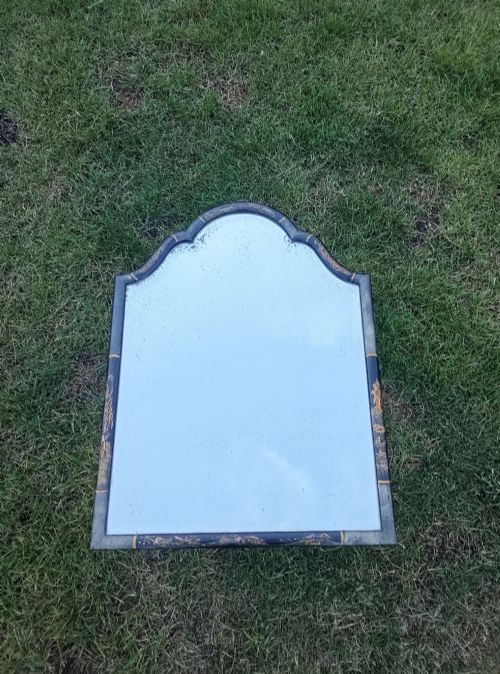
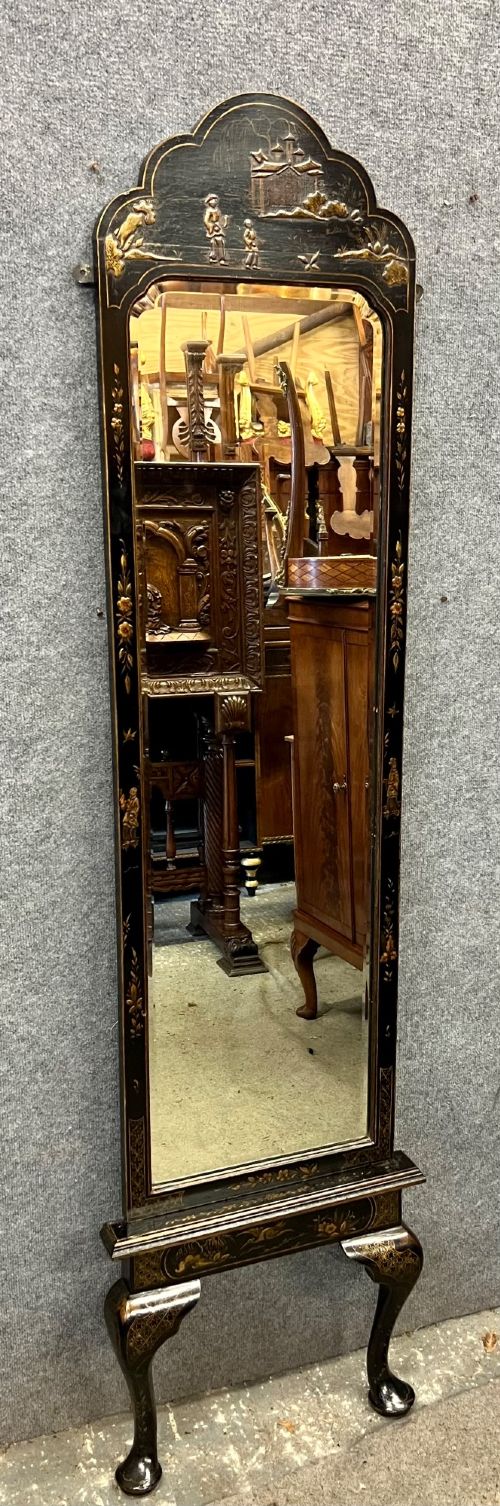
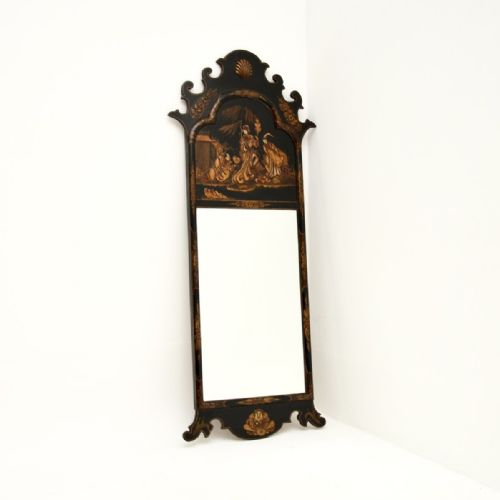
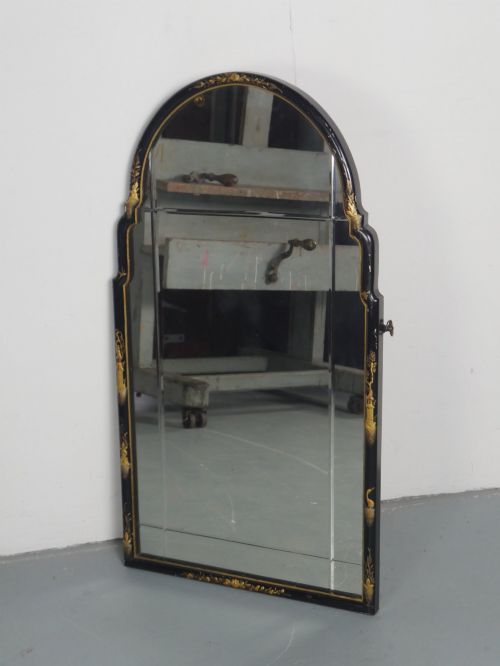




Lacquered Wall Mirror
A lacquered wall mirror brings depth and reflective light to a room through painted surface and polished glass.
Lacquered Wall Mirror
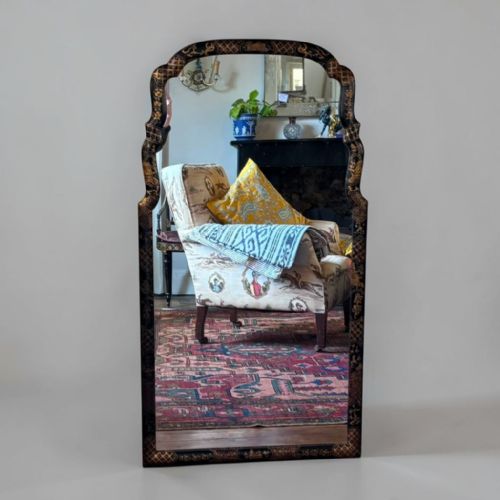
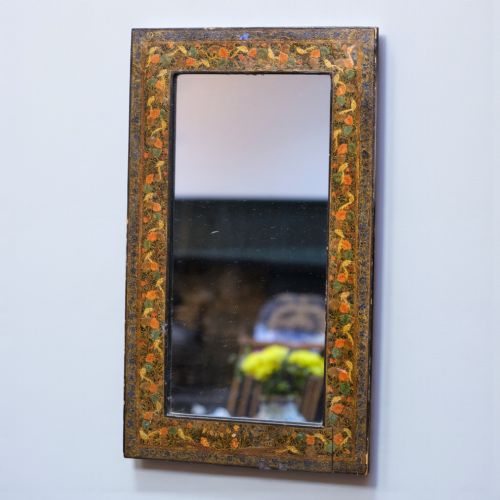
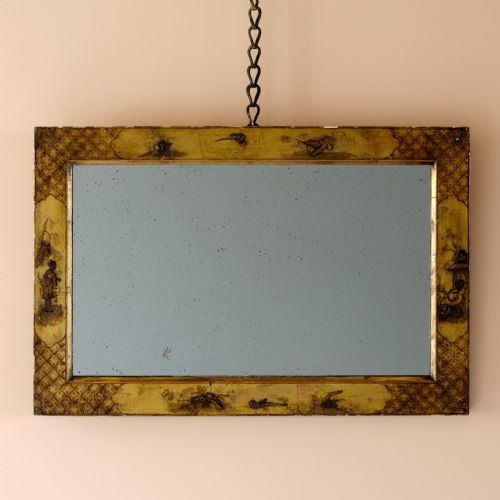
A lacquered wall mirror combines a wooden frame finished in lacquer, often with hand-painted Chinoiserie decoration, with a glass mirror plate. These pieces span from the Georgian period through the nineteenth century and into Edwardian and early twentieth-century revivals.
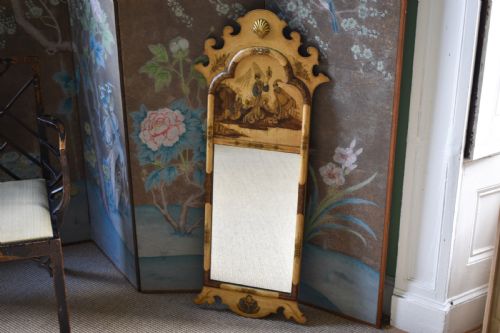
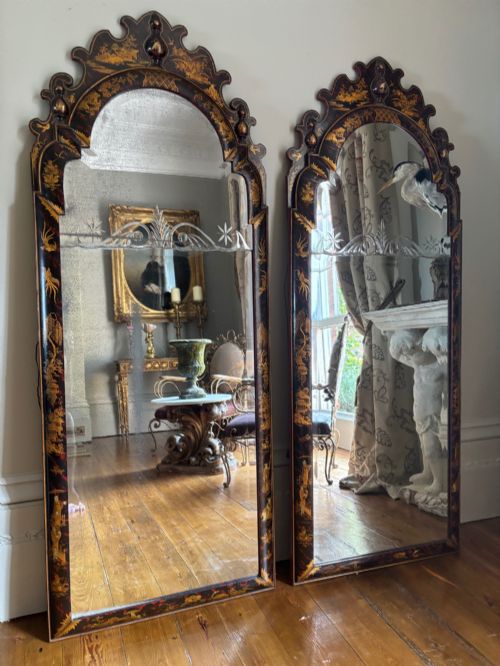
Buyers will most frequently encounter Edwardian and early twentieth-century interpretations executed in the Queen Anne style. These pieces frequently showcase black or red lacquered grounds adorned with gilt figures, landscapes, and floral motifs.
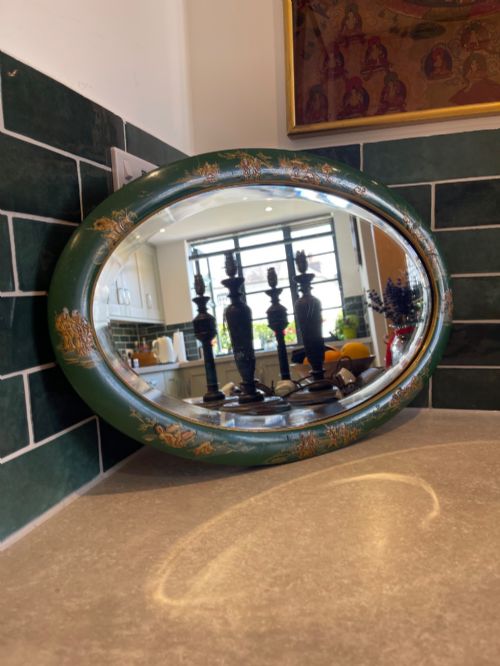
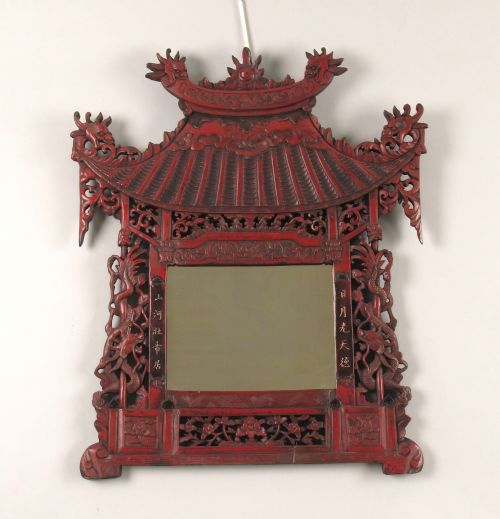
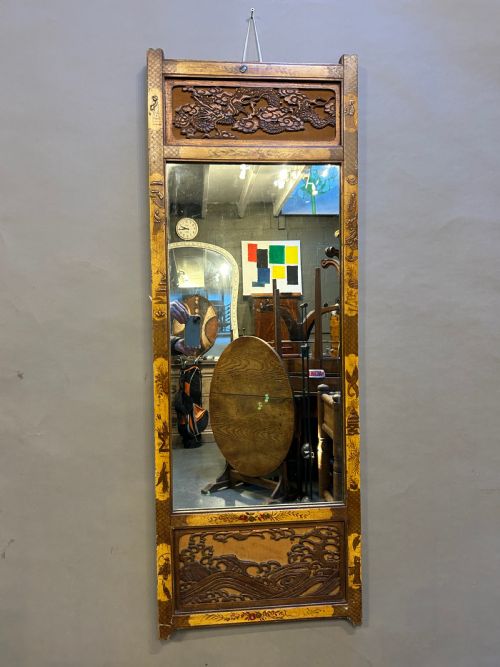
Forms range from smaller oval wall mirrors to taller pier mirrors and architectural overmantels designed to hang above a fireplace. Some examples incorporate carved wood elements and gilt highlights to frame the reflective plate.
How they were made
The construction relies on timber frames built from wood, which receive multiple coats of lacquer to create a smooth, deep ground. Artisans then apply hand-painted details, sometimes using gold leaf or gilt pigments to build up raised decorative scenes.
Glass mirror plates are set within the rebated frame, occasionally featuring bevelled edges depending on the period. Ebonised wood and gilt finishes appear alongside traditional red and black japanning techniques.
Lacquered Wall Mirror Retail Price Guide 2026
Typical asking prices for lacquered wall mirror among the pieces listed under this phrase on Sellingantiques today, from the lower quarter to the upper quarter. They describe what is for sale here now, not the wider market.
Several mirrors feature tiny hand-painted figures strolling across bridge pagodas, inviting you to inspect miniature worlds inside your hallway.
What varies in quality
Quality rests in the depth of the lacquered surface and the finesse of the painted decoration. Superior examples display crisp, hand-painted details with layered gilt work rather than flat, mechanical transfer decoration.
The integrity of the wooden frame and the character of the mirror glass contribute heavily to the overall standard. Original mirror plates showing soft oxidation sit differently in the market compared to later replacements.
The Lacquered Wall Mirror Glossary
- Chinoiserie
- European imitation and interpretation of Chinese and East Asian artistic traditions. This style dominates the painted decoration found on these frames.
- Japanning
- European form of lacquer work that imitates Asian lacquer finishes. It involves layering varnish and heat-drying the surface before decoration.
- Pier mirror
- A tall, narrow mirror designed to hang on the wall between two windows, often placed above a matching console table.
- Overmantel mirror
- A wide mirror designed specifically to sit on the chimney breast directly above a fireplace mantelpiece.
- Giltwood
- Wood that has been treated and covered with thin gold leaf or gilt gesso. It provides bright contrast against black or red lacquer grounds.
Lacquered Wall Mirror: Frequently Asked Questions
Where should I hang a lacquered wall mirror?
These mirrors suit spaces that benefit from reflected light and decorative colour, such as a hallway, a living room wall, or above a fireplace mantel.
Keep them away from direct, strong sunlight to protect the lacquer finish and painted details from fading over time.
How do I clean a lacquered mirror frame?
Dust the frame gently with a soft, dry cloth without applying modern chemical polishes or abrasive cleaners.
Clean the glass plate using a minimal amount of glass cleaner applied to a cloth rather than sprayed directly onto the mirror.
How can I tell an Edwardian piece from an older one?
Examination of the timber construction, the backing boards, and the composition of the mirror glass helps indicate the age of the piece.
Edwardian revivals often replicate eighteenth-century Queen Anne and Georgian styles closely, requiring a close look at the wear on the lacquer.
What is the difference between japanning and lacquer?
Japanning is the European technique developed to replicate Asian lacquer using resin varnishes and heat curing. True Asian lacquer uses sap from specific trees native to East Asia.