



Lacquered Pendulum Clock
Lacquered pendulum clock pieces bring rich decorative finishes and mechanical presence to a room, offering the appeal of traditional timepieces.
Lacquered Pendulum Clock
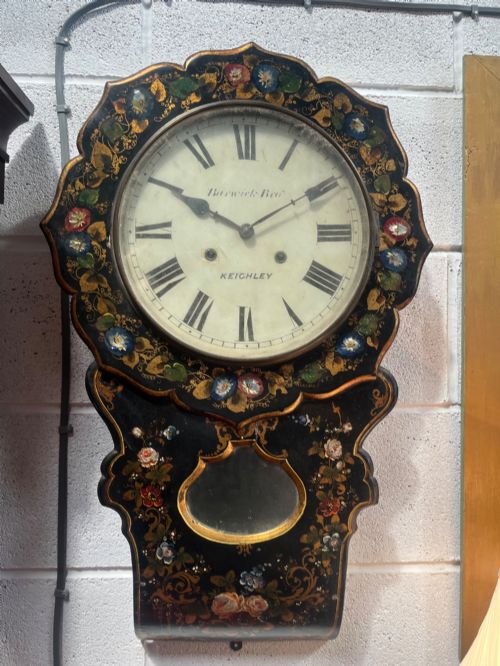
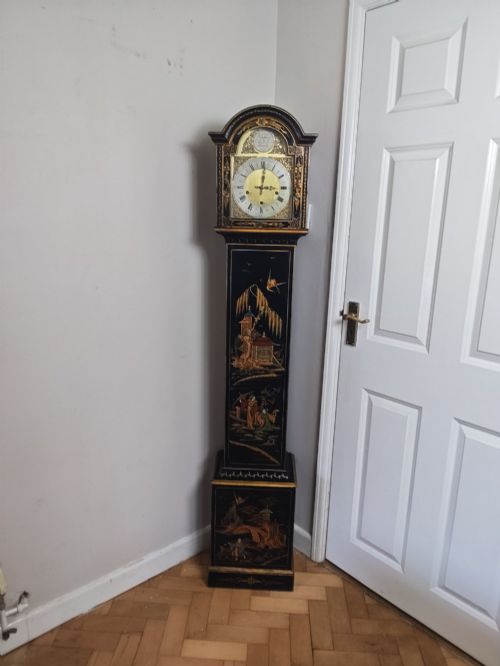
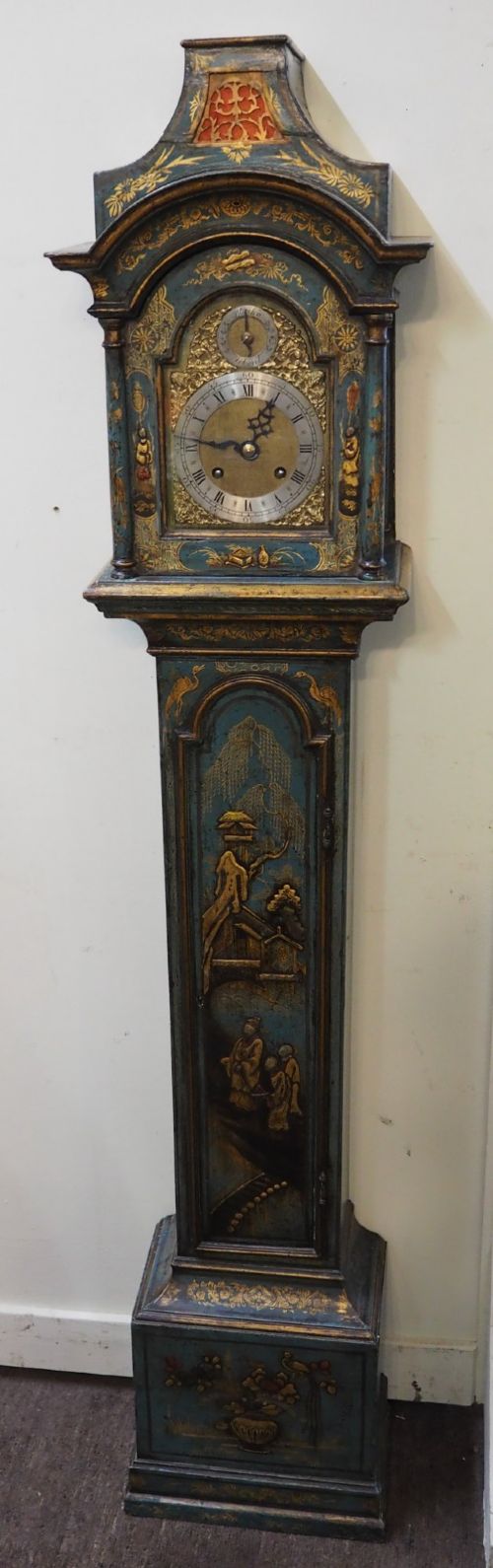
A lacquered pendulum clock search leads you to tall floor-standing longcase clocks and wall-hanging timepieces finished with decorative surface treatments. The examples seen here range from Georgian periods to the nineteenth century and the nineteen-thirties, spanning longcase clocks, wall clocks, and musical or automaton variants.
You are most likely to meet longcase clocks in this category, often decorated with Chinoiserie motifs or japanned wood. These pieces combine painted decoration with mechanical movements, appearing in finishes such as blue lacquer, dark green, and ebonised wood.
The regional origins and production periods visible across the selection show domestic items originating from specific centres like Edinburgh alongside broader Georgian and Victorian examples. Their forms vary from grand floor-standing models to smaller wall clocks with glass panels and brass details.
How they were made
The construction of these timepieces relies on wood carcasses finished with lacquer, japanning, or painted decoration. Makers applied layers of decorative surface work over wood, incorporating brass and glass elements for dials and viewing panels.
Surface ornamentation often follows Chinoiserie styles and painted decoration, utilising gilt accents and contrasting dark or blue lacquer grounds. Mechanics within these longcase and wall clocks integrate pendulum movements, sometimes featuring musical components or rocking figures.
Lacquered Pendulum Clock Retail Price Guide 2026
Typical asking prices for lacquered pendulum clock among the pieces listed under this phrase on Sellingantiques today, from the lower quarter to the upper quarter. They describe what is for sale here now, not the wider market.
One persistent eighteenth-century longcase clock keeps time beneath the watchful gaze of a rocking Father Time.
What varies in quality
Quality in these timepieces rests on the execution of the painted and lacquered decoration relative to the mechanical complexity of the movement. Pieces featuring specialised automaton functions, musical capabilities, or distinct regional provenance stand apart from standard timekeepers.
The depth and preservation of the japanned or lacquered surface define the visual impact of the piece. Examples that retain intricate Chinoiserie detailing and original structural elements demonstrate higher execution than simpler domestic models.
Robert Berry
The Lacquered Pendulum Clock Glossary
- Chinoiserie
- A decorative style employing Western interpretations of Chinese motifs, commonly seen in the painted scenes on these clock cases.
- Japanned wood
- Wood finished with European-made lacquers that mimic East Asian lacquerware, frequently displaying raised metallic designs.
- Longcase clock
- A tall, floor-standing pendulum clock enclosed in a wooden case, often referred to colloquially as a grandfather clock.
- Automaton
- A mechanical device integrated into a clock that produces movement, such as a rocking figure.
- Ebonised wood
- Timber treated to resemble ebony, providing a dark, uniform contrast to gilt and painted dial surrounds.
Lacquered Pendulum Clock: Frequently Asked Questions
What is a lacquered pendulum clock?
A lacquered pendulum clock is a mechanical timepiece housed in a wooden case finished with lacquer or painted decoration. These objects function primarily as floor-standing longcases or wall clocks.
The category encompasses pieces from the Georgian era through the nineteenth century and nineteen-thirties. They frequently incorporate Chinoiserie designs alongside traditional pendulum movements.
Where were these clocks placed?
Longcase clocks stood in the principal rooms or hallways of domestic interiors where their height and striking mechanisms served both practical and decorative purposes. Wall-hanging variants provided timekeeping in more compact spaces.
Their finished surfaces of blue lacquer, green japanning, or ebonised wood allowed them to complement domestic furnishings. The inclusion of musical movements or automata added an element of parlor entertainment.
How do I identify a Georgian clock?
Georgian clocks are identified through their structural proportions, case construction methods, and stylistic indicators associated with the eighteenth century. Surviving examples often display traditional longcase forms.
Decoration on these pieces frequently includes hand-painted Chinoiserie scenes and brass dial fittings. Examining the cabinetwork and movement type helps confirm the production period.
What is a musical longcase clock?
A musical longcase clock is a floor-standing timepiece equipped with an internal mechanism that plays tunes at set intervals. These movements work alongside the standard pendulum and timekeeping train.
Such pieces combine complex horology with decorative lacquer cases. They represent a specialised subset of the longcase format found within this group.