


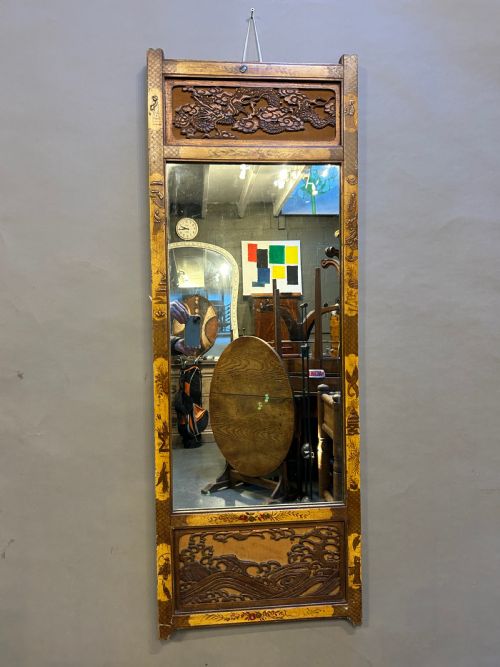


Lacquered Mirror Frame
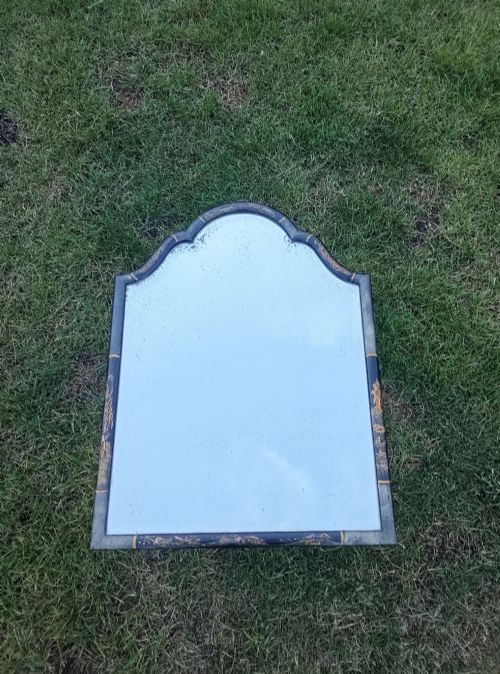
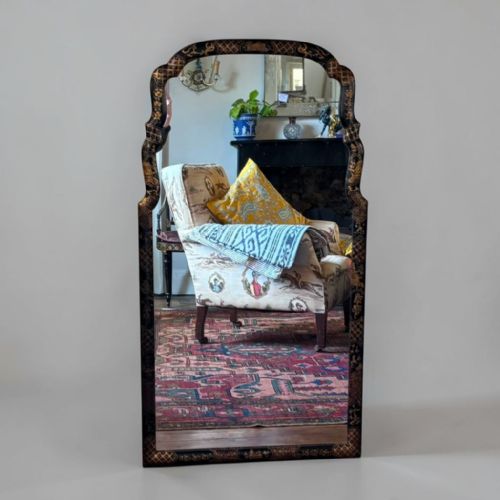
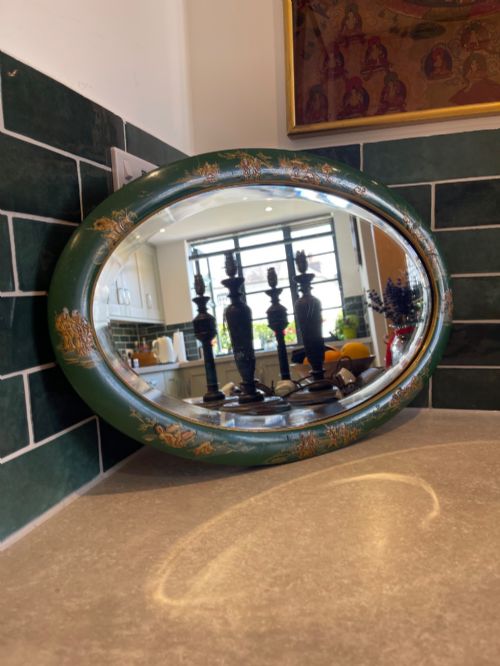
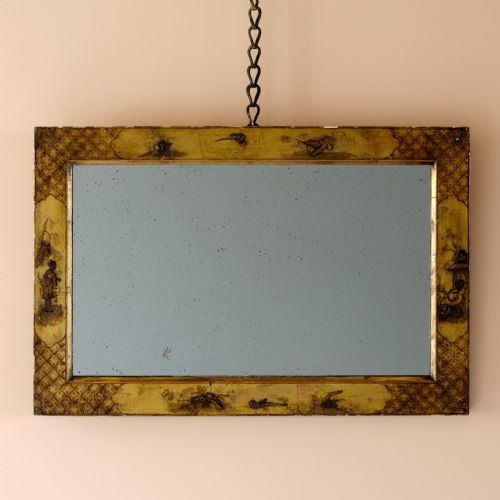
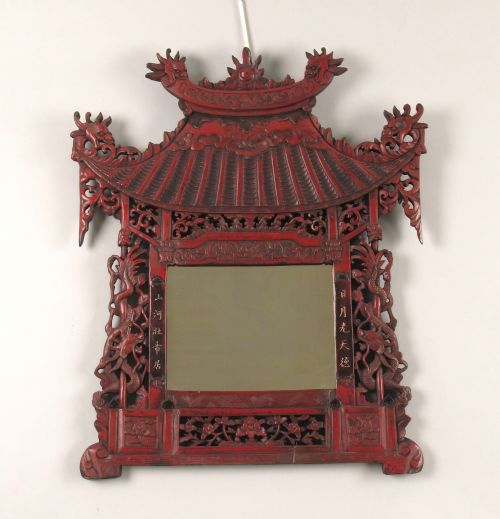
These lacquered mirror frame pieces bring hand-painted narrative scenes and glossy oriental finishes into a room, offering a striking focal point for traditional and eclectic interiors alike.
Lacquered Mirror Frame
A lacquered mirror frame delivers deep oriental decoration to a wall, operating as a distinct decorative feature rather than a simple looking glass. The pieces grouped under this search span several decades from the late nineteenth century through to the interwar years, each bringing a specific regional interpretation of lacquer work to interior decoration.
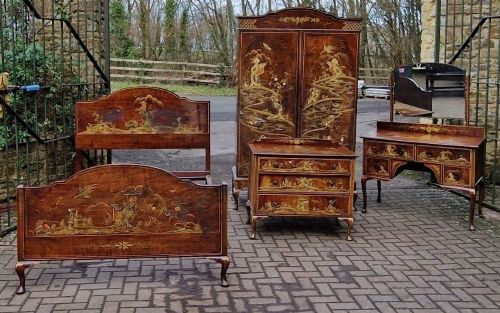
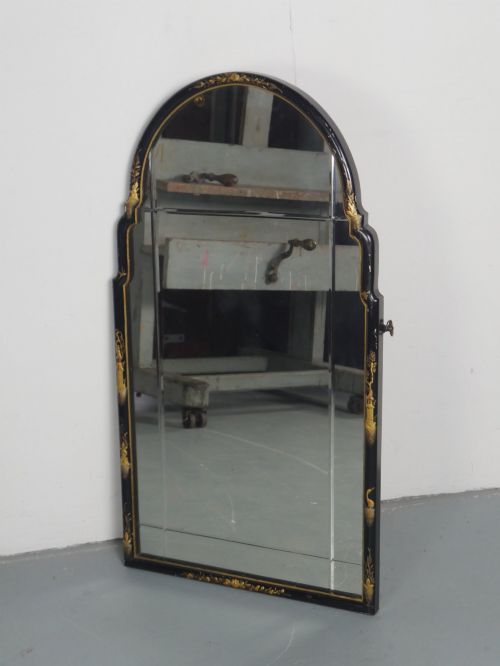
The forms found in these listings range from compact wall-hung ovals and small dressing table accessories to substantial overmantel installations and complete bedroom suites. Buyers most frequently encounter wall mirrors finished in black or red lacquer, often detailed with intricate landscape motifs and figures rendered in raised gold leaf.
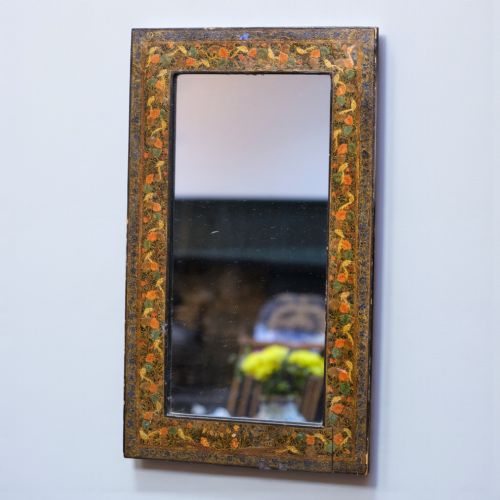
Origins stretch from English workshops producing japanned wares in the Edwardian manner to pieces reflecting Kashmiri, Anglo-Indian, and Qing Dynasty traditions. French Empire examples also appear, showing how continental makers adapted lacquer and gilt brass to classical furniture forms during the nineteenth century.
How they were made
Construction relies on stable timber foundations, typically walnut or ebonised wood, prepared to receive multiple coats of pigmented lacquer that created a deep, lustrous surface. Artisans built up these layers gradually, rubbing down each application before applying the final polish characteristic of finished lacquerware.
Decoration often incorporated gold leaf and intricate hand-painting, frequently depicting traditional Chinoiserie scenes with pagodas, figures, and botanical elements. Some frames utilised gilt brass mounts or carved wooden details to accent the central lacquer panels and support the mirror glass securely.
Lacquered Mirror Frame Retail Price Guide 2026
Typical asking prices for lacquered mirror frame among the pieces listed under this phrase on Sellingantiques today, from the lower quarter to the upper quarter. They describe what is for sale here now, not the wider market.
Design styles represented in current inventory include Chinoiserie, French Empire, and Kashmiri traditions.
What varies in quality
The distinction between ordinary and exceptional pieces rests in the depth of the lacquer finish and the hand of the painter. Superior frames display meticulous brushwork and finely registered gold leaf details that create a sense of perspective and movement across the surface, whereas lesser examples rely on flat, stencilled decoration.
The integrity of the underlying wooden structure and the preservation of the original surface determine the overall caliber of a piece. Examples that retain their authentic period sheen without excessive restoration command greater appreciation among those seeking period character.
The Lacquered Mirror Frame Glossary
- Chinoiserie
- European artistic interpretation of Chinese and East Asian stylistic motifs, popular in furniture and decorative arts during various periods. This style heavily influences the painted scenes found on the majority of these frames.
- Japanned
- European imitation of East Asian lacquerwork, created using layered varnishes and heat treatments on wood. English workshops utilised this technique extensively during the Edwardian period to produce scarlet and black decorative items.
- Ebonised wood
- Timber treated with chemical stains or black finishes to simulate expensive ebony. This dark ground provides a high-contrast background for gold leaf and painted oriental designs.
- Overmantel mirror
- A large mirror designed to hang specifically above a fireplace mantelpiece. Edwardian examples in this category often integrate complex wooden frames with shaped glass panels.
- Gilt leaf
- Thin sheets of beaten gold applied to wooden frames and carved details for ornamentation. It highlights specific architectural elements within the lacquer composition.
Lacquered Mirror Frame: Frequently Asked Questions
How do I hang a heavy lacquered wall mirror?
These frames require secure fixings screwed directly into wall studs or heavy-duty cavity anchors due to the combined weight of the timber and mirror glass.
Professional mirror hangers should assess the weight distribution across the frame structure before installation to protect the antique wood.
What rooms suit a chinoiserie mirror frame?
Hallways, drawing rooms, and bedrooms benefit from the reflective glass and decorative narrative scenes painted across the dark lacquer surfaces.
They work effectively as standalone accent pieces against plain walls or above period mantelpieces where the detailed finish can catch the light.
How do I clean an antique lacquer frame?
Dust the surface regularly with a soft, dry, lint-free cloth to prevent particulate accumulation from dulling the protective varnish layers.
Avoid commercial chemical sprays, abrasive cloths, or excessive moisture, which can permanently damage fragile nineteenth-century and early twentieth-century finishes.
How do I tell Edwardian pieces apart from Victorian ones?
Victorian examples often feature heavier ebonised woodwork and denser, darker decorative schemes, reflecting the taste of the later nineteenth century.
Edwardian interpretations frequently introduce brighter scarlet japanning and lighter walnut structures, aligning with the more eclectic interior fashions of the early twentieth century.